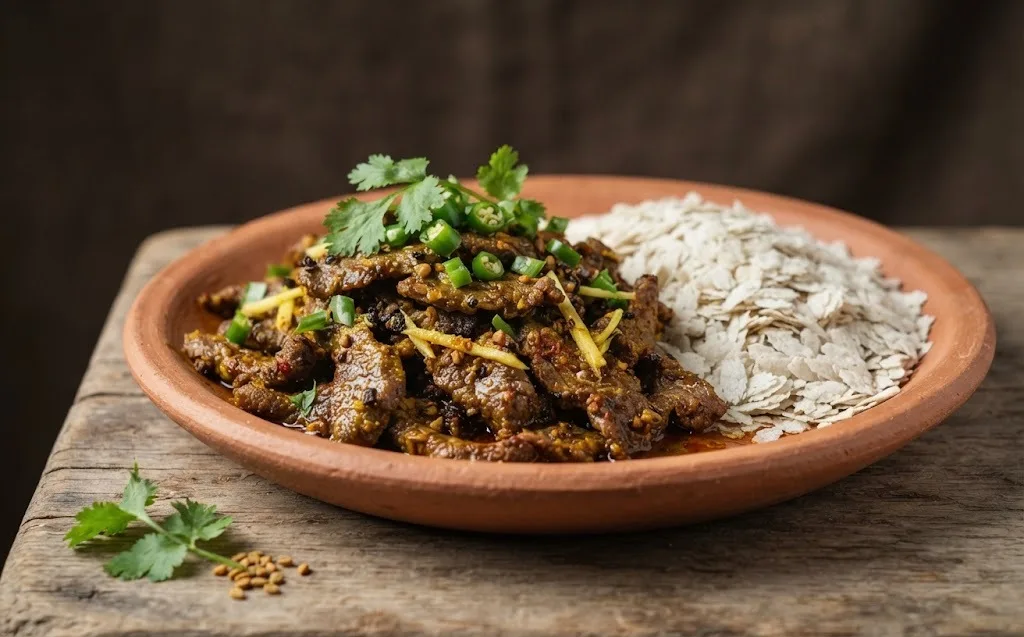
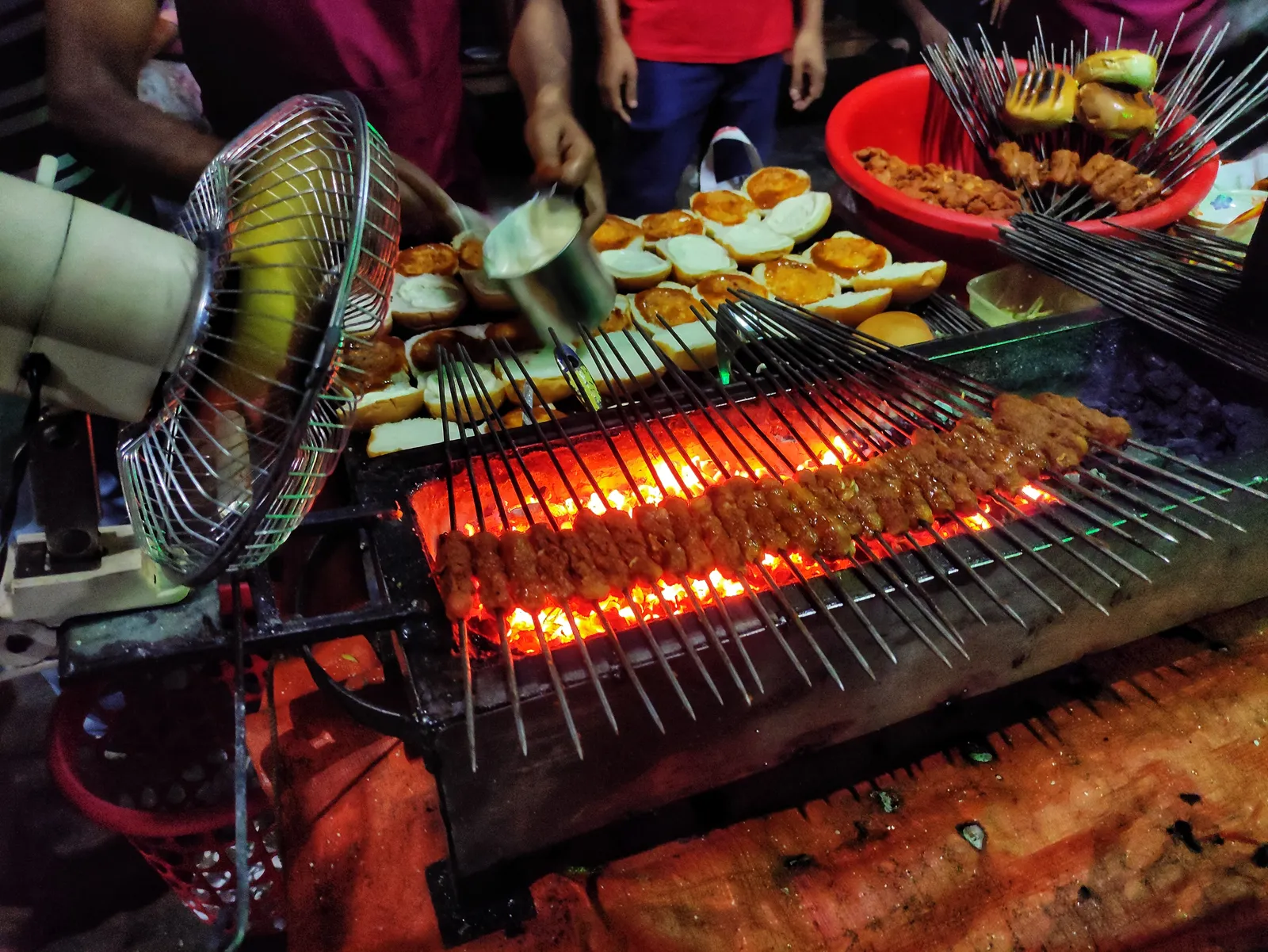
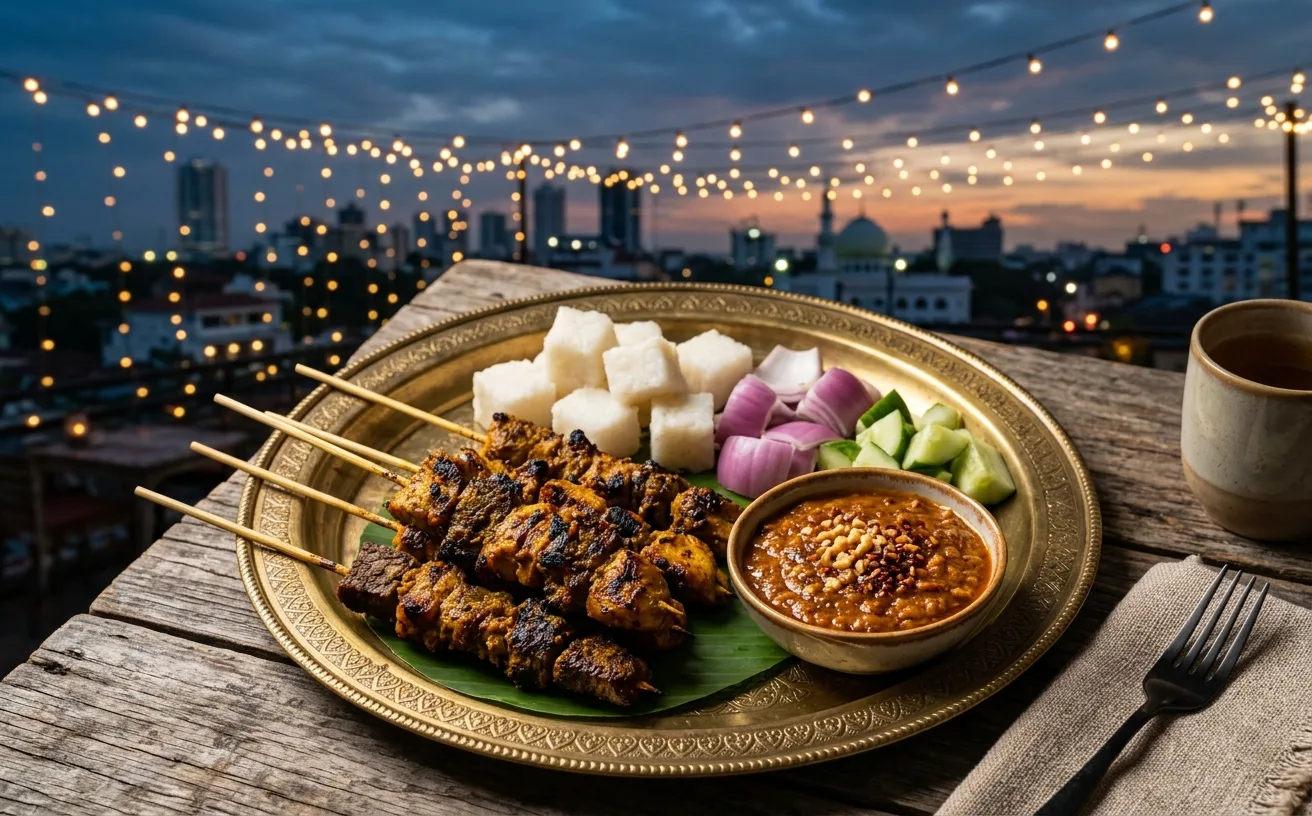
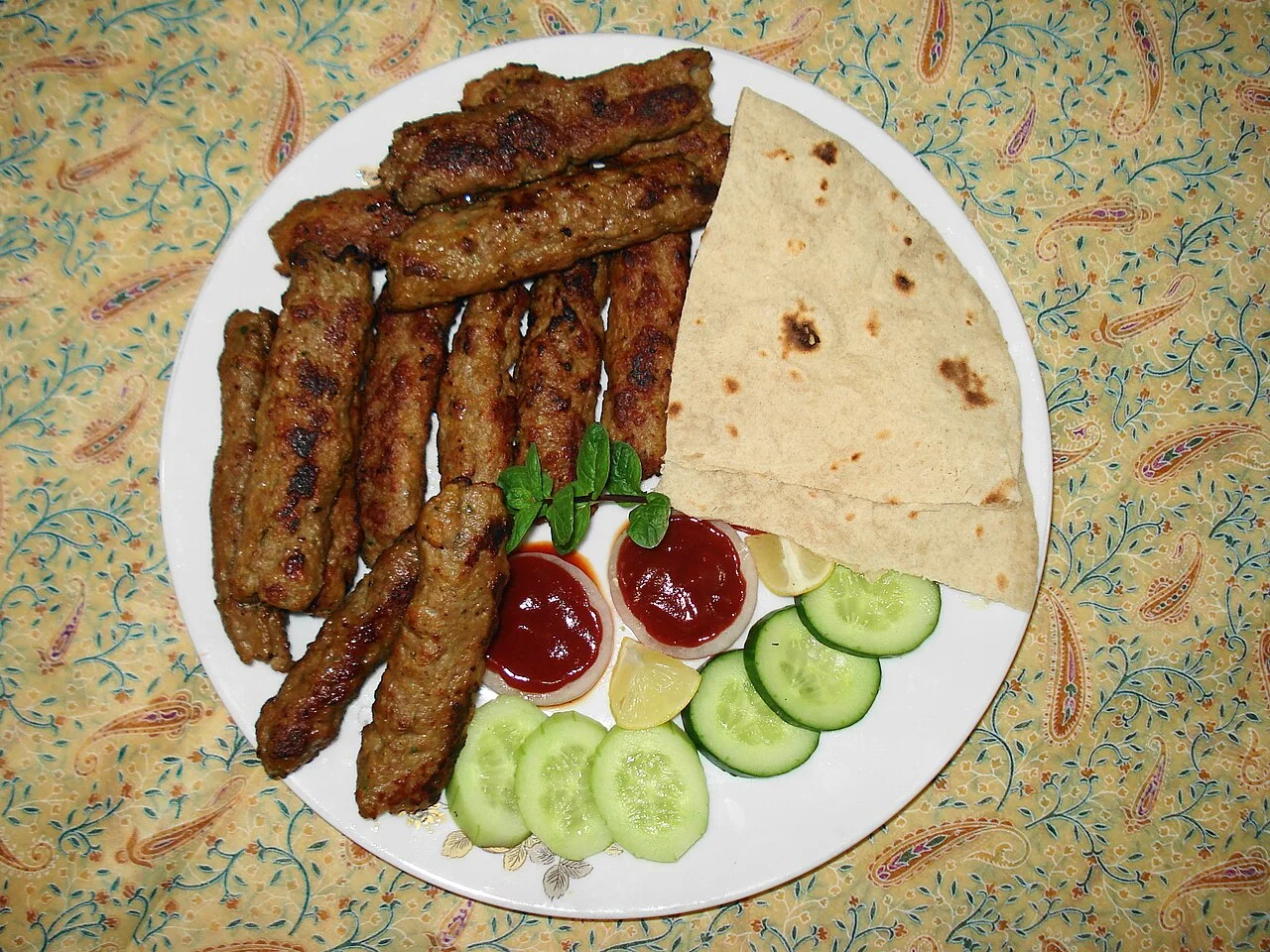
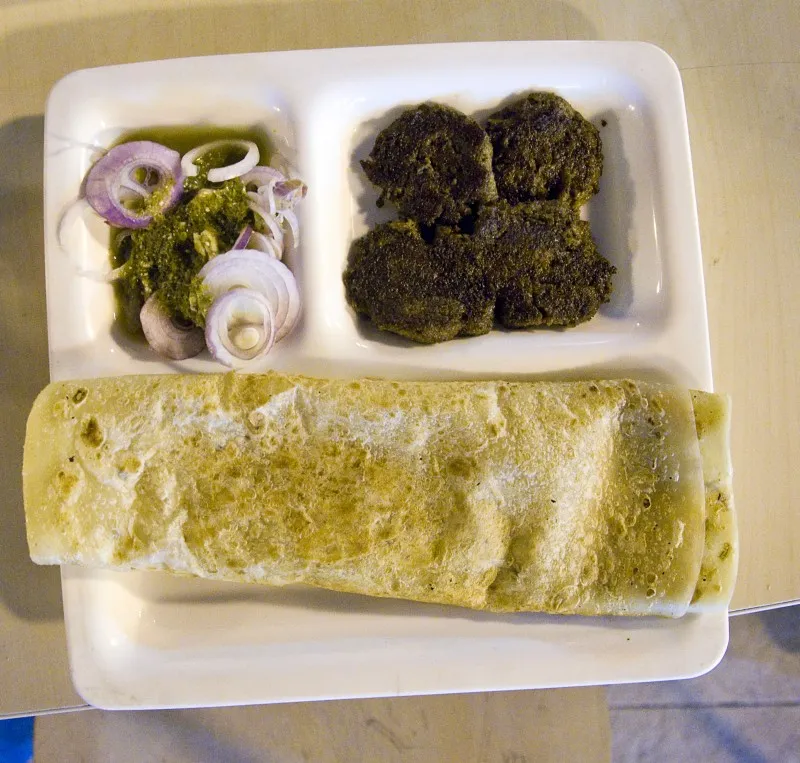
Nepal's signature roadside kebab: cubes of goat, pork, or chicken rubbed with timur (Sichuan-type pepper), ginger-garlic, and mustard oil, then threaded on skewers and fire-roasted over natural wood, most famously along the Dharan-Dhankuta belt in eastern Nepal. Its dry-heat marinated-skewer method places it squarely in the South Asian kebab lineage despite the Nepali name.
Also known as sekuwa kebab, nepali sekuwa, pork sekuwa.
Reference video
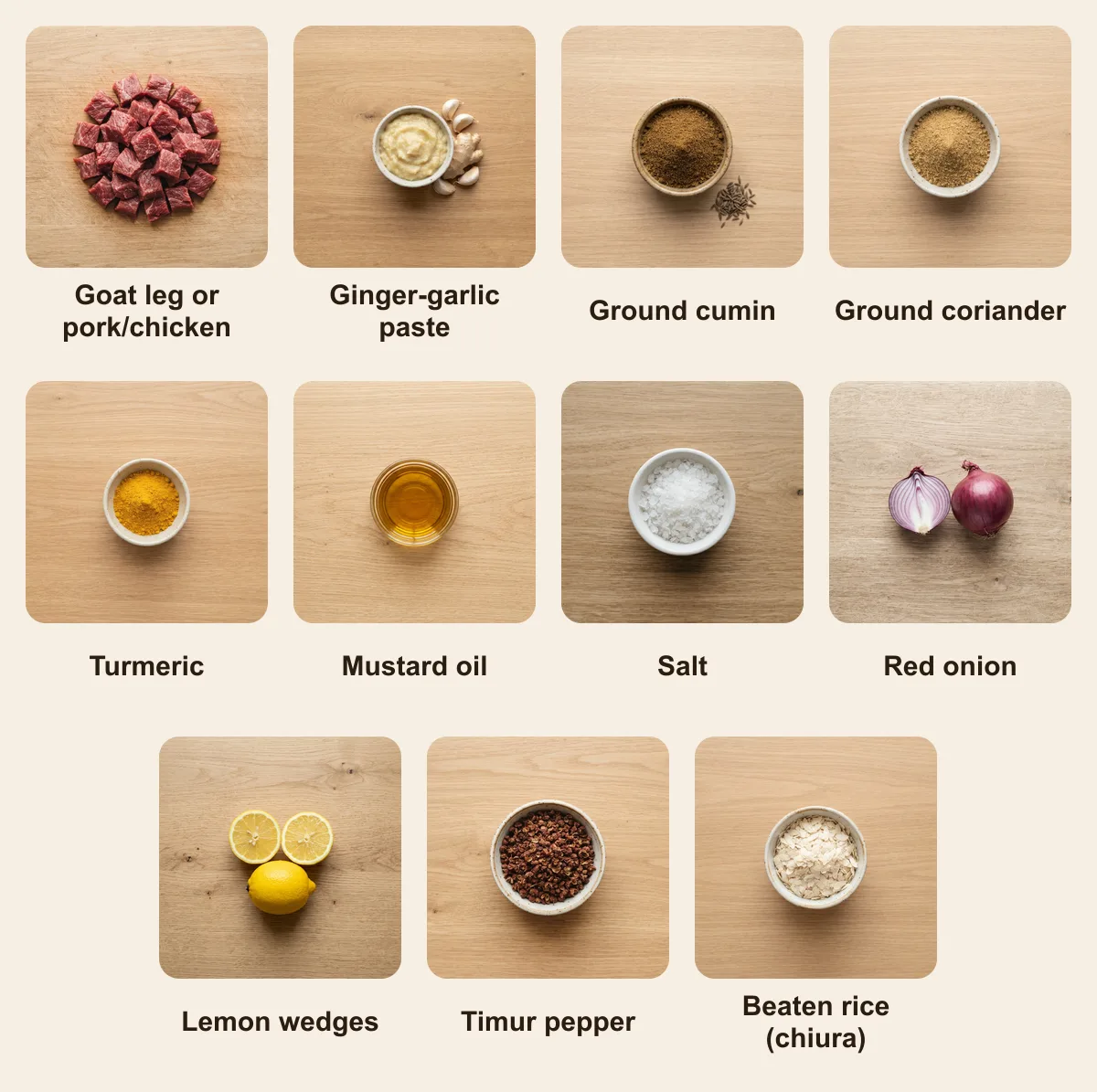
Ingredients
- 700 g goat leg (or pork/chicken thigh), 3 cm cubes, fat left on
- 1 tbsp ginger-garlic paste
- 1 tsp timur (Sichuan-type pepper), crushed
- 1 tsp ground cumin and coriander
- 0.5 tsp turmeric
- 1 tbsp mustard oil
- 1.5 tsp salt
- 1 red onion, sliced, plus lemon wedges
- beaten rice (chiura), to serve
How to make it
- 1
Heat the mustard oil to smoking and let it cool, then rub the goat with ginger-garlic paste, timur, cumin-coriander, turmeric, the cooled oil and salt; marinate 4 hours so the timur's citrus-numbing edge sinks in.
- 2
Thread onto skewers leaving small gaps — highway sekuwa cooks in smoky wood heat that must circulate between cubes.
- 3
Grill over wood embers or medium-hot charcoal 12-15 minutes, turning every few minutes; goat wants a firm char and a just-cooked chew, not fall-apart softness.
- 4
Rest briefly, then chop or slide off the skewers.
- 5
Serve with raw onion, lemon and a fistful of chiura as the roadside stalls do.
Pro tip: Heat the mustard oil to smoking and cool it before it touches the marinade — raw it tastes harshly bitter, tamed it turns fragrant.
Where Sekuwa comes from
Timur — the Nepali Sichuan-type pepper — is the ingredient that makes it unmistakable, and nothing in the Indian or Middle Eastern kebab traditions tastes like it.
How Sekuwa is cooked
Timur is not a chilli and does not behave like one. It contains the same numbing compounds as Sichuan pepper, and its effect is a tingling on the lips rather than heat. It is toasted and ground fresh, because the volatile compounds fade fast, and it goes into the marinade in quantity that would be alarming with any other pepper.
Mustard oil is the second signature and needs handling: raw mustard oil is harsh, so Nepali cooks heat it to smoking and cool it before using it in a marinade. That step removes the acrid edge and leaves the pungency. Grilling is over natural wood rather than charcoal, close and fast.
Ingredients and shopping
Goat is the traditional and best meat, cut into small cubes with fat included; pork and chicken are both common. Timur, whole, toasted and ground fresh. Mustard oil, heated and cooled. Ginger-garlic paste, turmeric, cumin and coriander; some cooks add dried chilli.
Some versions add a little yoghurt or lemon; the Dharan style is drier and relies on the oil and spices. Wood rather than charcoal makes a real difference here. Skewers can be metal or soaked bamboo.
How Sekuwa is served
With beaten rice (chiura), raw onion, green chilli and a wedge of lemon or lime, eaten with the hands at a roadside stall. Sometimes with a simple achar. Local raksi or beer. It is eaten hot off the fire and stalls grill continuously.
Common mistakes
Substituting black pepper for timur
They are unrelated. Timur numbs and tingles; black pepper is simply hot. Without timur it is not sekuwa.
Raw mustard oil
It is harsh and acrid. Heat it to smoking and let it cool before using it in a marinade.
Pre-ground timur
Its aromatics fade quickly. Toast and grind whole timur just before use.
Lean meat
Goat and pork both want their fat left on. Lean cubes over a wood fire dry within minutes.
Sekuwa: questions and answers
What is timur?
Nepali Sichuan-type pepper. It produces a numbing tingle rather than heat, and it is the defining flavour of sekuwa. Black pepper is not a substitute.
Why heat the mustard oil first?
Raw mustard oil is harsh and acrid. Heating it to smoking and cooling it removes that edge while keeping the pungency.
Sources and further reading
- Sekuwa — Wikipedia
- Pork Sekuwa, Sargemba, Aalu Nimki… Food to Eat and Buy in Dharan — The Gundruk (Nepali food blog)