Balkan grilled meats stand out for clean seasoning, strong bread pairings, and a serving style that keeps the meat at the center. The region rewards restraint: good meat, confident charcoal handling, soft bread, onion, and one or two condiments used with purpose.
Collection
Balkan Kebab Recipes: Cevapi, Somun, Lepinja, Raznjici
Compare Balkan kebab recipes, breads, and serving traditions including cevapi, somun, lepinja, raznjici, onion garnish, ajvar, and kajmak.
This collection brings together the recipes and companion breads that make the region feel coherent on the table, not just on a list of URLs. It is here to explain why cevapi belong with somun, why onion matters so much, why lepinja and flatbreads change the whole plate, and how Balkan grilling differs from Turkish, Persian, or Levantine kebab traditions.
If you are building a Balkan kebab night at home, this hub should function like a roadmap. Start with the meat, then choose the bread, then keep the garnish simple enough that the grill flavor still leads the meal.
What defines the region
Cevapi, somun, onion garnish, and restrained condiments are part of a recognizable Balkan grilling rhythm. Even when the shapes change, the region often favors direct seasoning, clear meat flavor, and accompaniments that support rather than compete.
The recipes work best when the meat, bread, and garnish are understood together rather than treated as isolated dishes. Bread is not a generic add-on here; it helps absorb juices, soften the bite, and create the right balance between char, fat, and raw freshness.
Compared with more spice-forward kebab traditions, many Balkan styles feel cleaner and more minimal. That simplicity is the point. It demands better grilling, better texture, and better serving discipline.
How Balkan kebabs differ from neighboring styles
Balkan kebabs generally avoid the heavy spice layering and sauce-first assembly common in some wrap traditions. The emphasis is on meat texture, smoke, onion, bread, and a few regional sides such as ajvar or kajmak.
The breads are also doing more work than many readers expect. Somun and lepinja are not there only to carry meat; they help catch rendered fat and create the familiar grilled-meat-and-bread format that defines the region.
That is why this hub includes breads alongside meats. The regional logic becomes much easier to understand when you cook both parts together instead of chasing only a skewer recipe.
Best ways to serve it
Start with soft bread, chopped onion, and one clean supporting condiment instead of piling on too many extras. The plate should feel focused, warm, and grill-centered.
This collection pairs especially well with somun-style breads and simple grilled sides that do not overpower the meat. Tomato, peppers, ajvar, kajmak, or a crisp salad can work, but the goal is balance rather than abundance.
If you are new to the region, cook cevapi first, then add somun or lepinja. That combination teaches the grammar of Balkan grilling faster than a table crowded with disconnected sides.
Start here if you want a coherent Balkan meal
Begin with cevapi if your priority is the signature minced-meat format. It teaches seasoning restraint, meat texture, and the importance of bread better than almost any other dish in the region.
Move next to raznjici or another chunk-meat skewer if you want to understand how Balkan grilling handles larger pieces, simpler marinades, and direct fire.
Then add somun, lepinja, or another regional bread so the full meal makes sense. Once the bread is in place, onion, ajvar, and dairy condiments stop feeling optional and start feeling structural.
How To Use This Collection
Use this collection as a route, not just a list of URLs. Start with the recipe you already know, then move to the bread, sauce, garnish, or regional variation that makes the plate feel complete. For this cluster, the most useful starting points are Cevapi (Cevapcici), Raznjici, Tirnakli Pide, Balloon Lavas, Somun (Lepinja).
These pages work best when they are read together. A strong result in this category is rarely only about grilled meat or one filling; it is about the correct carrier, the right garnish, the right serving temperature, and the small details that keep the dish anchored to Sarajevo, Bosnia, Serbia / Croatia, Turkey, Balkans.
That is also why this hub exists. Searchers often land on a single page, but a useful food site should help them continue naturally into the next relevant page instead of sending them back to Google for every small question.
What Makes These Pages Useful
Each featured recipe in this hub is written to answer practical cooking questions: which cut or grind to use, how much fat is needed, how to manage the heat, what bread belongs with the dish, and which condiments sharpen rather than bury the main flavor.
The point is not to flood the page with filler. The point is to make sure a home cook can understand the dish well enough to choose the correct next step, whether that means making a wrap, serving a plate, building a charcoal-style skewer, or choosing the right bread.
If you are comparing similar dishes, read the descriptions and serving notes side by side. That is usually where the real difference appears first, especially in collections that contain closely related kebabs, wraps, breads, and sauces.
Start With These Pages
Cevapi (Cevapcici)
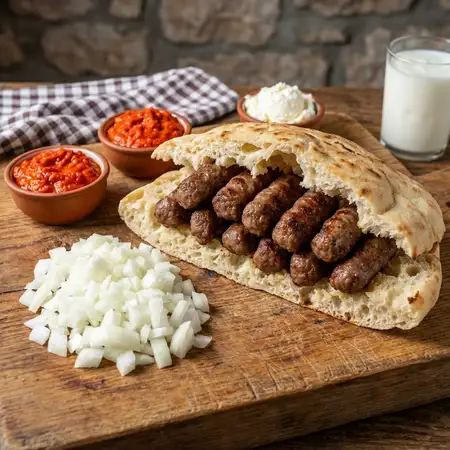
Small skinless grilled thick sauasages. The soul food of the Balkans. This version focuses on the Sarajevo, Bosnia style, with practical home-cooking guidance for texture, seasoning, and serving. Key ingredients include 1kg Beef Chuck (80/20 fat, Minced twice), 1/2 cup Garlic Water (Boiled water infused with 5 garlic cloves, strained), 2 tsp Salt, supported by the technique notes on the page. The method starts with pREP: Mince the beef twice for a fine grain. Cool the garlic water completely.
Raznjici
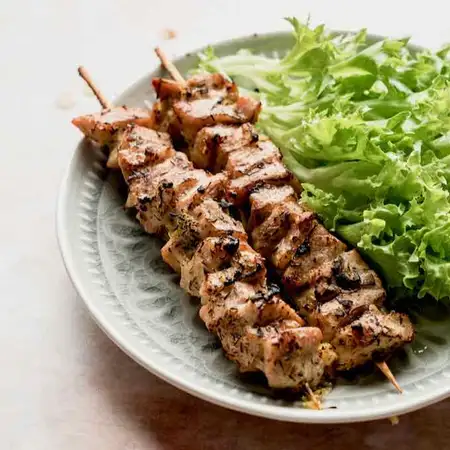
Simple Balkan skewers. Pork or chicken cubes simply seasoned and grilled. This version focuses on the Serbia / Croatia style, with practical home-cooking guidance for texture, seasoning, and serving. Key ingredients include 1kg Pork Neck or Loin (Cubed), Salt & Pepper, Paprika (Sweet), supported by the technique notes on the page. The method starts with cUT: Cut meat into bite-sized cubes.
Tirnakli Pide
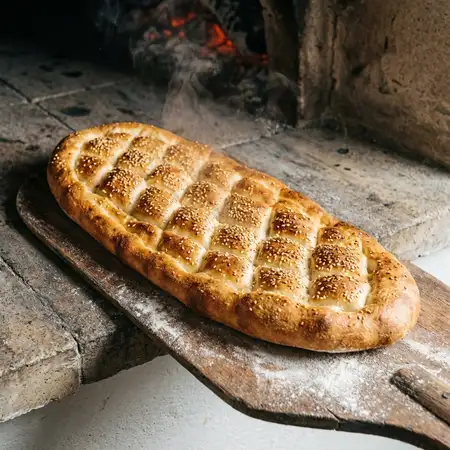
Turkish "Fingernail" Bread. Chewy, dimpled flatbread essential for Adana Kebab. This version focuses on the Turkey style, with practical home-cooking guidance for texture, seasoning, and serving. Key ingredients include 1kg Bread Flour, 750ml Warm Water (High Hydration), 10g Instant Yeast, supported by the technique notes on the page. The method starts with dOUGH: Mix flour, water, yeast, and salt. It will be very sticky. Glue-like consistency is correct.
Balloon Lavas
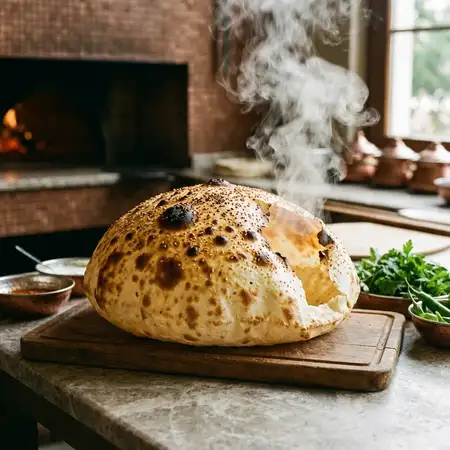
Thin, hollow flatbread that puffs up like a balloon in the oven. Spectacular presentation. This version focuses on the Turkey style, with practical home-cooking guidance for texture, seasoning, and serving. Key ingredients include 500g All-Purpose Flour, 300ml Warm Water, 1 tsp Salt, supported by the technique notes on the page. The method starts with dOUGH: Knead flour, water, salt, sugar to a soft, pliable dough. Rest 30 mins.
Somun (Lepinja)
Spongy Balkan flatbread. The only authentic vessel for Cevapi. This version focuses on the Balkans style, with practical home-cooking guidance for texture, seasoning, and serving. Key ingredients include 1kg Flour, 700ml Water, 10g Dry Yeast, supported by the technique notes on the page. The method starts with dOUGH: Make a wet dough. Let rising 3 times (punch down in between).
Featured Recipes In This Collection
Beef / 24h
Cevapi (Cevapcici)
Small skinless grilled thick sauasages. The soul food of the Balkans. This version focuses on the Sarajevo, Bosnia style, with practical home-cooking guidance for texture, seasoning, and serving. Key ingredients include 1kg Beef Chuck (80/20 fat, Minced twice), 1/2 cup Garlic Water (Boiled water infused with 5 garlic cloves, strained), 2 tsp Salt, supported by the technique notes on the page. The method starts with pREP: Mince the beef twice for a fine grain. Cool the garlic water completely.
Pork / 1h
Raznjici
Simple Balkan skewers. Pork or chicken cubes simply seasoned and grilled. This version focuses on the Serbia / Croatia style, with practical home-cooking guidance for texture, seasoning, and serving. Key ingredients include 1kg Pork Neck or Loin (Cubed), Salt & Pepper, Paprika (Sweet), supported by the technique notes on the page. The method starts with cUT: Cut meat into bite-sized cubes.
Breads / 2h
Tirnakli Pide
Turkish "Fingernail" Bread. Chewy, dimpled flatbread essential for Adana Kebab. This version focuses on the Turkey style, with practical home-cooking guidance for texture, seasoning, and serving. Key ingredients include 1kg Bread Flour, 750ml Warm Water (High Hydration), 10g Instant Yeast, supported by the technique notes on the page. The method starts with dOUGH: Mix flour, water, yeast, and salt. It will be very sticky. Glue-like consistency is correct.
Breads / 1h
Balloon Lavas
Thin, hollow flatbread that puffs up like a balloon in the oven. Spectacular presentation. This version focuses on the Turkey style, with practical home-cooking guidance for texture, seasoning, and serving. Key ingredients include 500g All-Purpose Flour, 300ml Warm Water, 1 tsp Salt, supported by the technique notes on the page. The method starts with dOUGH: Knead flour, water, salt, sugar to a soft, pliable dough. Rest 30 mins.
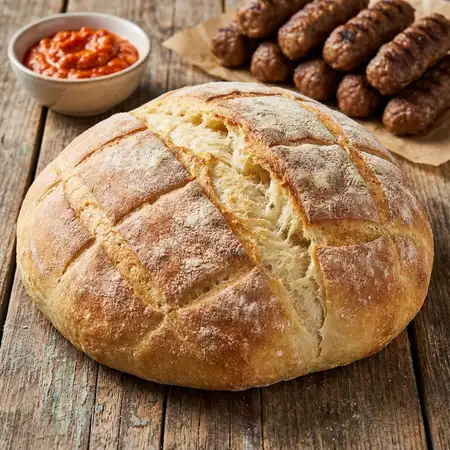
Breads / 2h
Somun (Lepinja)
Spongy Balkan flatbread. The only authentic vessel for Cevapi. This version focuses on the Balkans style, with practical home-cooking guidance for texture, seasoning, and serving. Key ingredients include 1kg Flour, 700ml Water, 10g Dry Yeast, supported by the technique notes on the page. The method starts with dOUGH: Make a wet dough. Let rising 3 times (punch down in between).