Persian kebabs are defined by clean seasoning, precise fire control, and a strong sense of balance between meat, rice, bread, and grilled vegetables. The flavor is often disciplined rather than crowded, which means texture, smoke, tenderness, and serving order carry enormous weight.
Collection
Persian Kebab Recipes
A collection of Persian grilling styles, from koobideh and barg to joojeh and other skewer traditions.
This collection brings the major Persian skewer styles together so it is easier to compare their texture, cut, marinade, and serving format. It is built to help you see why koobideh behaves differently from barg, why joojeh needs its own marinade logic, and why grilled tomato, saffron, herbs, rice, or bread are part of the structure of the meal rather than decoration.
If you want to cook Persian kebabs well at home, think in terms of balance. The meat should be flavorful but not overloaded, the fire should be hot but controlled, and the final plate should feel composed rather than busy.
What makes the style distinctive
Koobideh, barg, joojeh, chenjeh, and torsh use different cuts and marinades, but they all depend on restraint and balance rather than clutter. The seasoning should support the meat, not bury it.
Texture, tenderness, and charcoal handling matter just as much as seasoning in this family of recipes. Many failures blamed on marinade are actually failures of skewer handling, slicing, temperature control, or overcooking.
Persian kebabs also tend to be highly plate-aware. Rice, grilled vegetables, herbs, bread, butter, and acidity are used to frame the skewer so the final bite stays balanced from start to finish.
How to build the plate
Persian kebabs are strongest when paired with rice, bread, grilled tomato, herbs, or onions in a way that keeps the main skewer central. The plate should feel orderly, not overloaded with side dishes fighting for attention.
Grilled tomato is not an afterthought here. It adds sweetness, moisture, and a familiar charcoal note that helps the plate feel complete. Fresh herbs and onions provide contrast without stealing focus from the skewer.
Use this collection to move from one skewer style to the next without losing the context that makes each one distinct. The point is not just to cook multiple kebabs, but to understand the logic of the table they belong to.
Which Persian kebab to start with
Start with koobideh if you want the classic minced-meat lesson: onion handling, fat balance, tackiness, flat skewers, and direct heat. It is the best entry point into Persian skewer technique.
Move to joojeh if you want to understand chicken, saffron, and marinade control. It teaches a gentler texture target while still requiring disciplined fire management.
Choose barg or chenjeh once you are ready to focus on slicing, tenderness, and larger-cut skewers. Those styles expose mistakes in cutting and doneness faster, which is exactly why they are valuable.
Common mistakes on Persian-style skewers
The first mistake is over-seasoning. These kebabs often depend on clarity and balance, so too much spice can flatten the character instead of improving it.
The second mistake is uneven cutting or poor skewer contact. When pieces are inconsistent, the fire cooks them inconsistently, and the final skewer feels confused rather than elegant.
The third mistake is forgetting the plate logic. A well-cooked skewer served without the right rice, bread, grilled tomato, herbs, or onion will still taste incomplete.
Recipes In This Collection
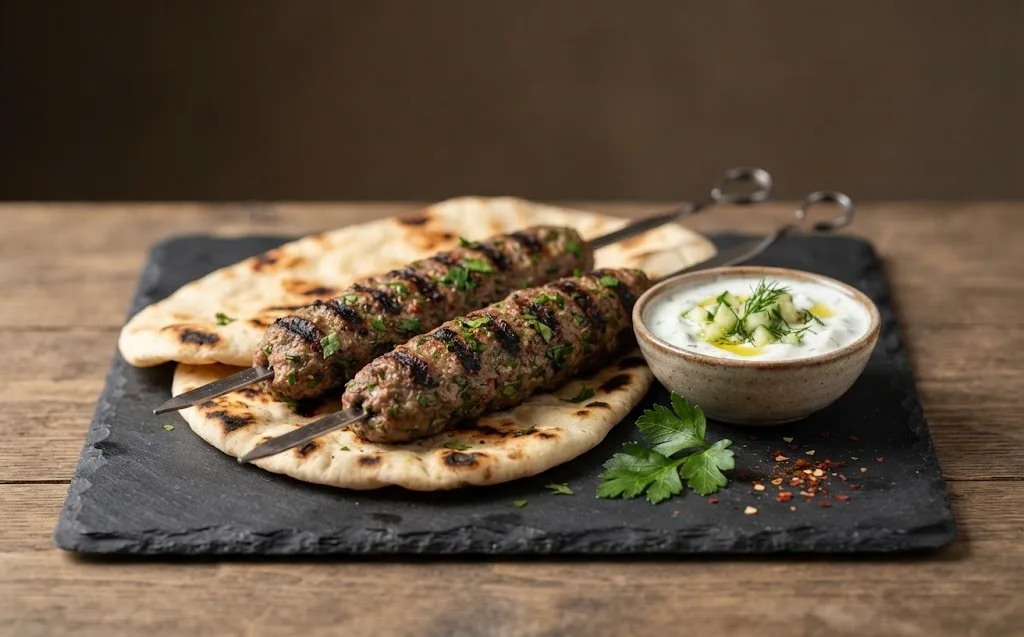 AI illustration
Lamb / 1h
Classic Kofta Kebab
The universal Middle Eastern meatball skewer. Heavy parsley and mild spices.
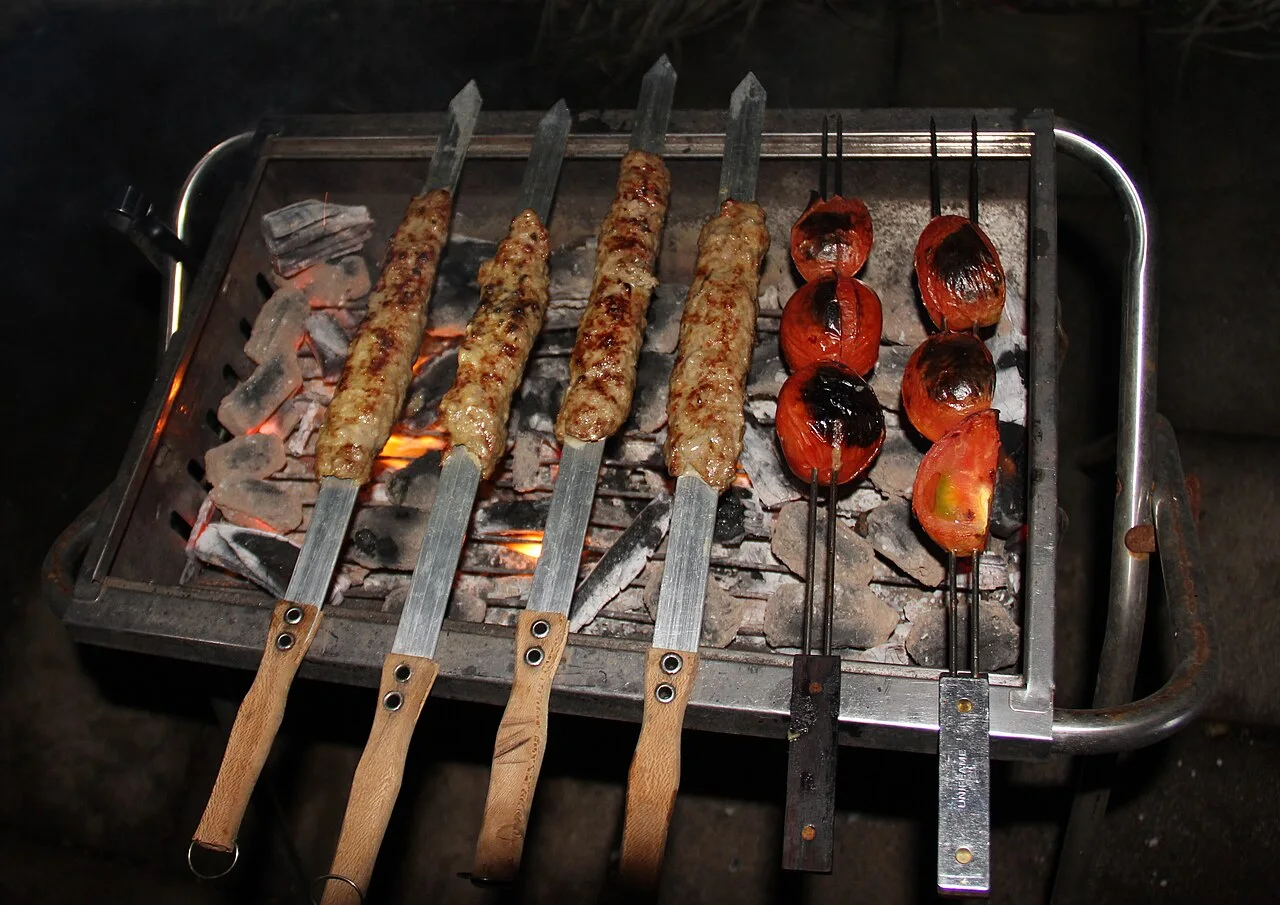
Beef / 2h 30m
Kabab Koobideh
The national dish of Iran. Ground meat with onion, grilled on wide skewers.
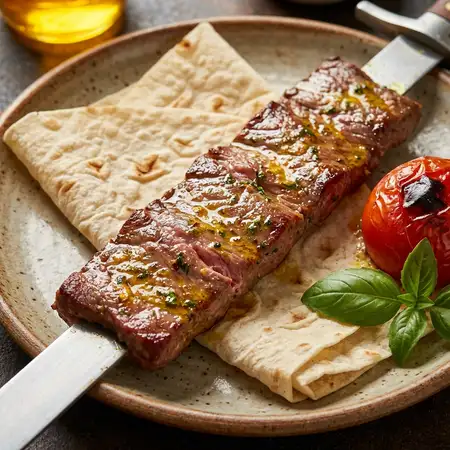 AI illustration
Beef / 12h
Kabab Barg
The "Leaf" kebab. Thinly pounded filet mignon marinated in aromatic onion juice.
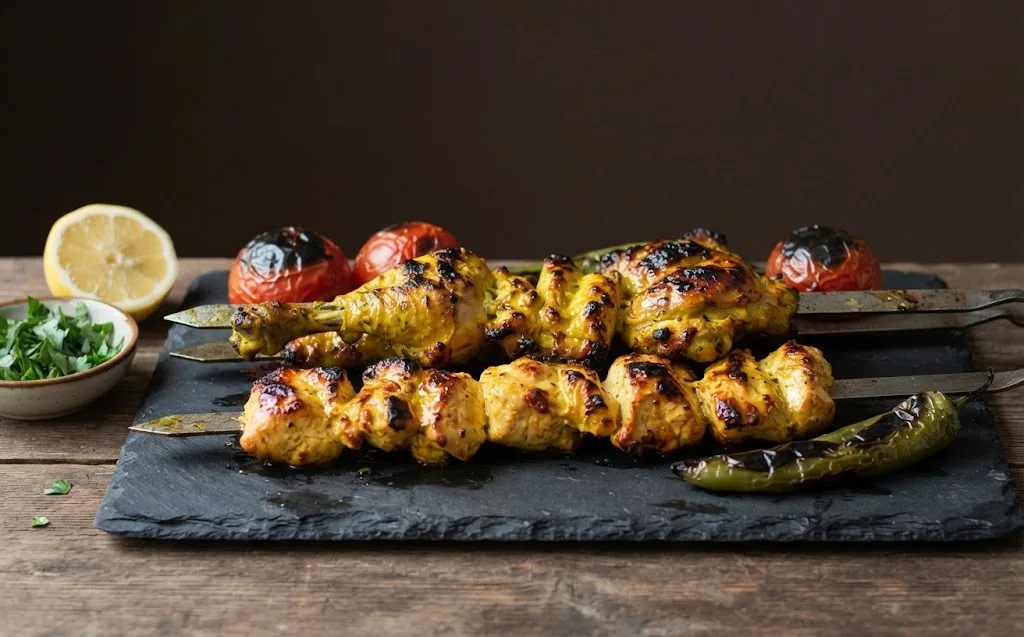 AI illustration
Chicken / 24h
Joojeh Kabab
Classic Persian saffron chicken. Golden, citrusy, and tender.
 AI illustration
Lamb / 24h
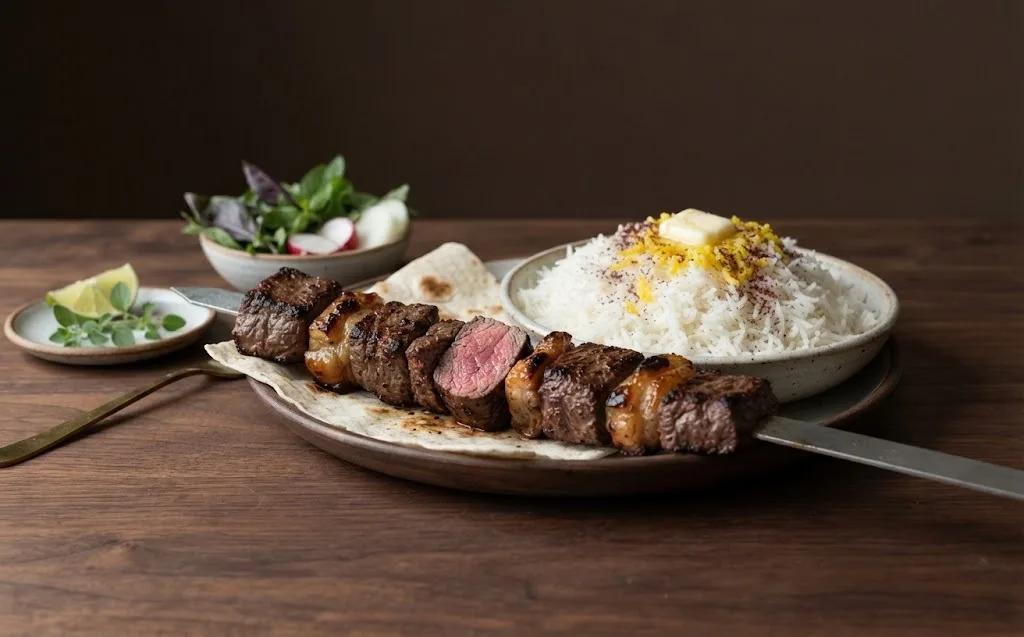
Kabab Chenjeh
The Prime Steak Kebab. Cubed sirloin or leg of lamb, tenderized with kiwi or onion juice.
 AI illustration
Beef / 12h
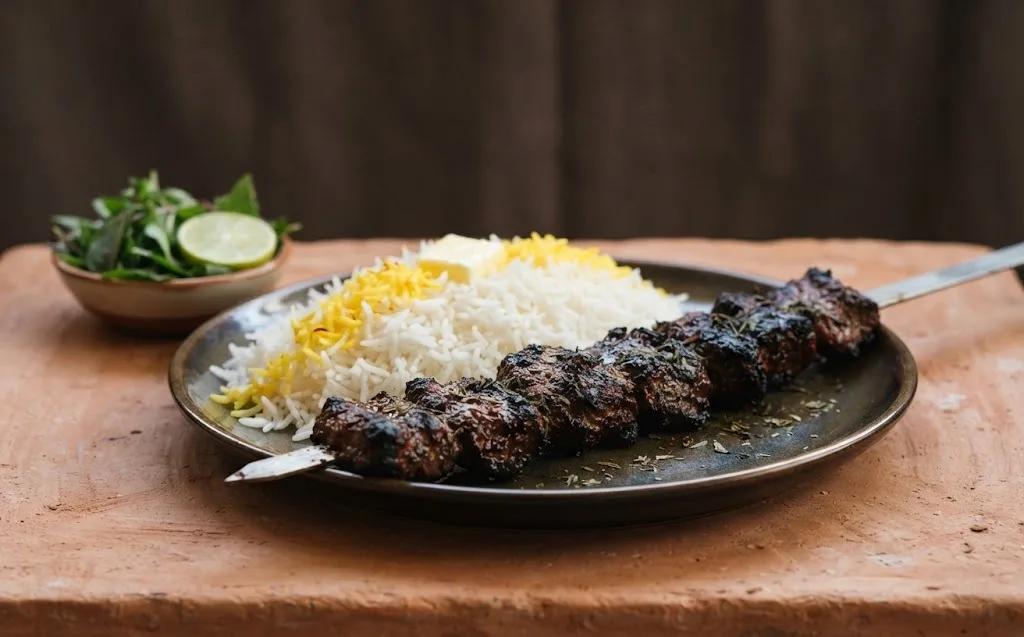
Kabab Torsh
The "Sour" Kebab from Northern Iran. Marinated in pomegranate molasses and crushed walnuts.
 AI illustration
Breads / 3h
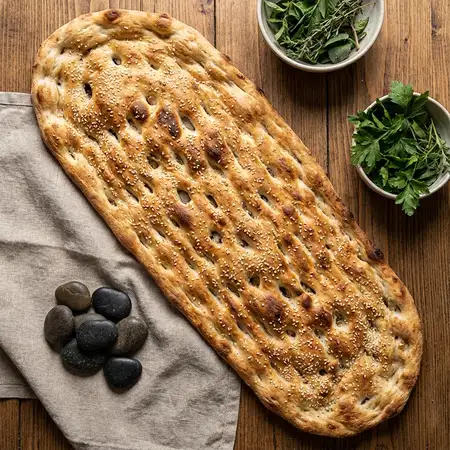
Nan-e Sangak
Persian Pebble Bread. Large whole wheat flatbread baked on hot stones.
From The Kebab Atlas
Kabab Bakhtiari
A single skewer alternating cubes of saffron chicken and lamb fillet, named for the Bakhtiari nomads of the Zagros mountains.
Kabab Soltani
The 'sultan's' order in any Persian kebab house: one skewer of barg and one of koobideh served together over saffron chelow rice.
Kabab-e Jigar
Cubes of fresh lamb liver grilled quickly over hot coals and eaten straight off the skewer with salt, lemon and basil — a late-night street institution in Iranian cities.
Kabab Tabei
The home-kitchen koobideh: the same onion-kneaded mince pressed flat into a skillet, cooked, then cut into strips and finished with grilled tomatoes.
Kabab Hoseini
An old Qajar-era dish of marinated lamb chunks threaded onto small wooden skewers and slowly braised in a pan with onion and tomato instead of grilled.