Kebab bread is not just a side. It decides whether the meal becomes a tight street-style wrap, a plated kebab with juices soaking into the crumb, a carved-meat sandwich, or a table service built around tearing and sharing.
Collection
Best Bread for Kebab, Shawarma, and Gyros
Learn which bread to use for kebab wraps, gyros, shawarma, doner, and grilled meat plates, including lavash, pita, pide, somun, lepinja, and durum.
This collection explains lavash, pita, pide, somun, lepinja, and durum bread so you can match the bread to the kebab instead of choosing randomly. The right bread changes handling, moisture retention, sauce tolerance, and the way meat is actually eaten.
If you want better kebabs at home, stop asking only which meat to cook. Ask which bread belongs with it, whether the bread should fold or tear, whether it should catch butter and juices, and whether the final meal is meant to be handheld, plated, or built communally at the table.
Best bread for each kebab style
Use lavash or durum bread when the goal is a tight wrap, especially for Adana durum, doner-style builds, gyros, and shawarma-inspired fillings.
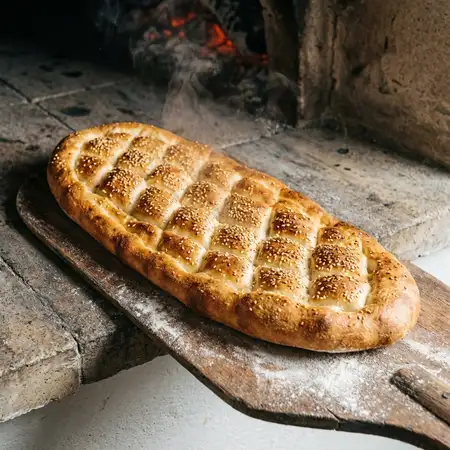
Use Turkish pide when you want a plate where the bread catches fat, sauce, and meat juices without falling apart.
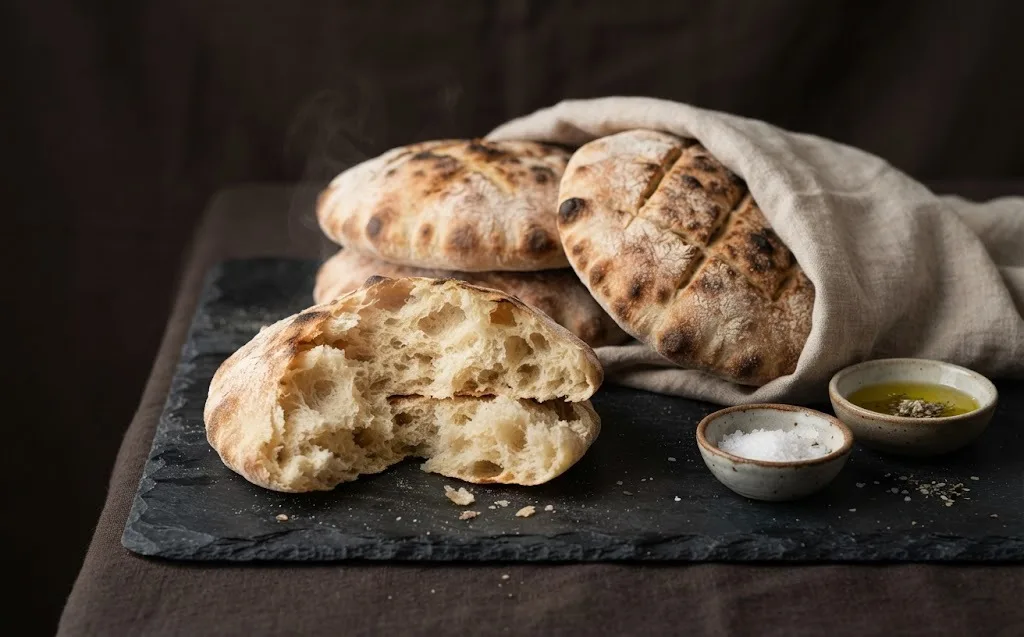
Use somun or lepinja for cevapi because the soft interior can hold grilled meat, onion, ajvar, kajmak, and meat juices in a more traditional Balkan format.
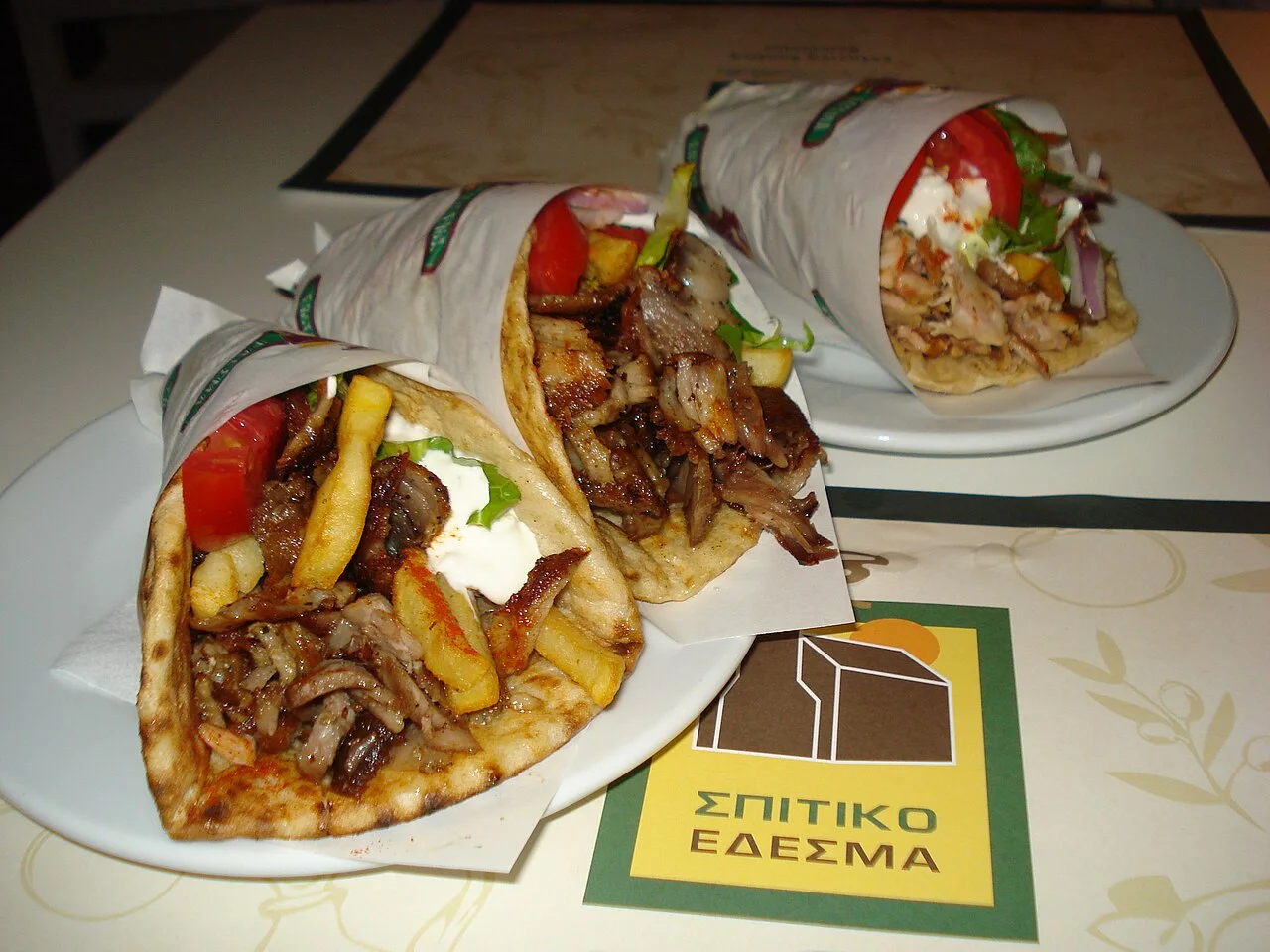
Use Greek pita when you want a thicker, folded handheld that feels substantial even with sliced meat, tomato, onion, and yogurt sauce. It behaves differently from lavash because it bends around fillings instead of rolling tightly around them.
Starter path
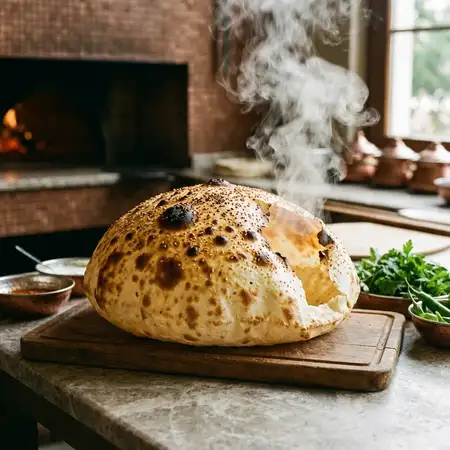
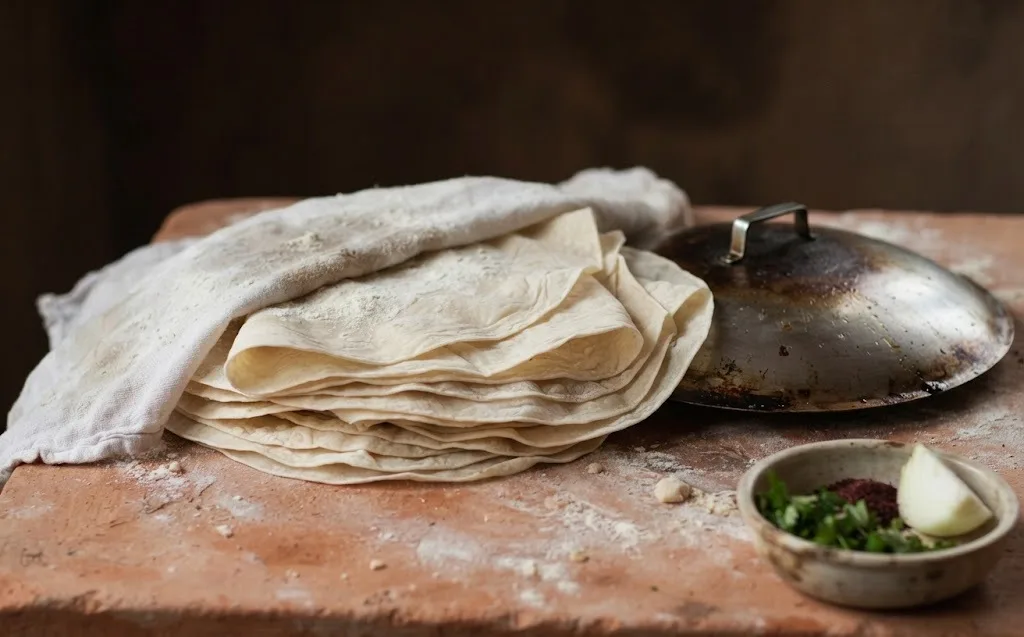
Start with balloon lavash if you want a dramatic, hot-oven bread that works for tearing and wrapping.
Move to somun if your goal is cevapi, because the bread is part of the dish rather than a neutral holder.
Cook pide when you want the classic Turkish plate format for Adana, Urfa, or Iskender-style service.
Choose pita when your goal is a wrap that stays soft and forgiving in a home kitchen, especially if you are not yet comfortable handling thinner, drier flatbreads at speed.
How bread changes the eating experience
Thin breads such as lavash and durum are about control and compression. They pull the filling into one tight line, limit dripping, and make a kebab feel portable and direct. They suit juicy sliced meat and sauces that spread thinly.
Soft pocket or folded breads such as pita, somun, and lepinja create a different experience. They hold more air, more sauce, and more onion or salad, which makes them ideal when the filling needs softness around it rather than pressure from all sides.
Tray breads such as pide work best when the bread is part of the plate itself. In those dishes the bread is meant to absorb butter, meat juices, tomato sauce, and rendered fat, so the crumb becomes part of the flavor rather than a wrapper around it.
Bread pairings by moisture and fat level
High-fat minced kebabs need bread that can handle drippings without disintegrating. Pide, lavash, and warm durum are strong choices because they absorb flavor but still hold their structure.
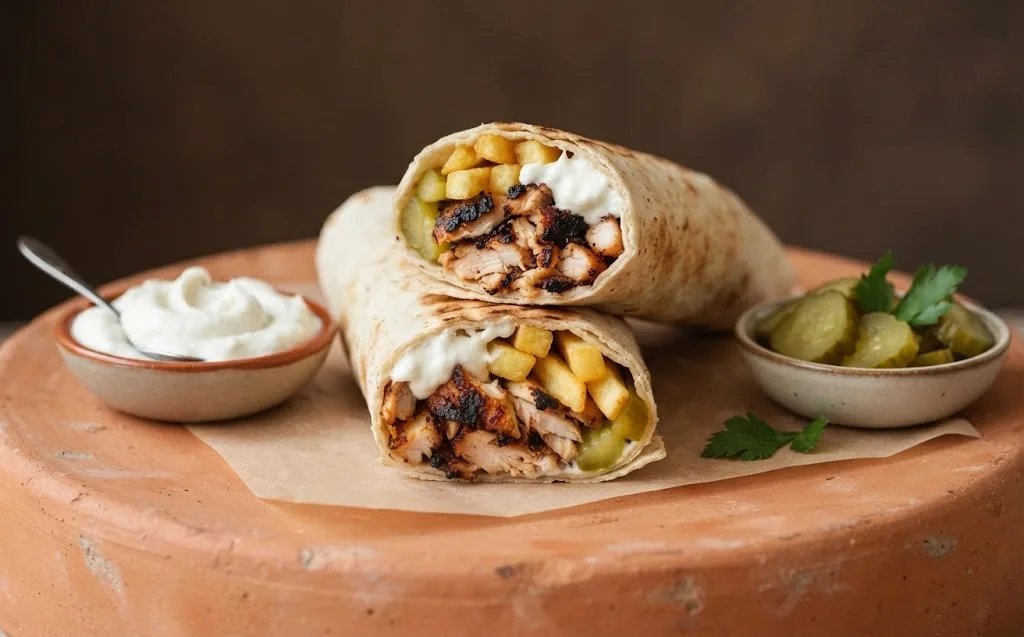
Sliced chicken and shawarma-style meats often work best with breads that wrap neatly and keep the filling compact. That is why lavash, pita, and thinner durum styles are so common in wrap-first service.
Bread choice should also match the sauce. Thick garlic sauce, tahini, kajmak, or yogurt-based condiments each sit differently on the crumb. A bread that is perfect for one condiment can feel soggy or heavy with another.
Common bread mistakes
Do not use dry, cold, or brittle bread for juicy kebabs. It cracks, leaks, and makes even a good filling feel unfinished.
Do not overload wraps with sauce before the bread is warm. Warm bread bends better and can absorb meat juices without tearing.
Do not treat every flatbread as interchangeable. A pita pocket, a thin lavash, and a soft somun create different eating experiences.
Do not serve bread straight from storage if the meal depends on softness. A brief reheat, steam, or towel rest often matters more than another spoon of sauce.
Recipes In This Collection

Lamb / 45m
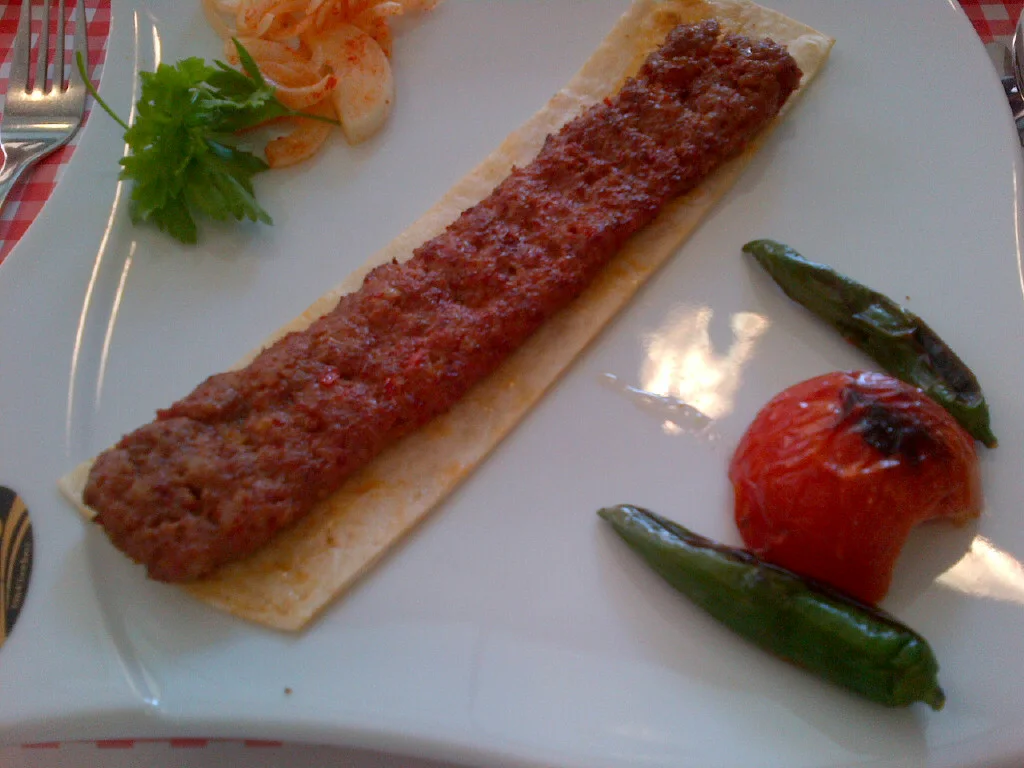
Adana Kebab
The spicy gold standard of Turkish BBQ. Hand-minced lamb with tail fat.
Lamb / 2h 45m
Urfa Kebab
Adana's non-spicy sibling. Deep flavor from smoky isot pepper.
 AI illustration
Lamb / 4h
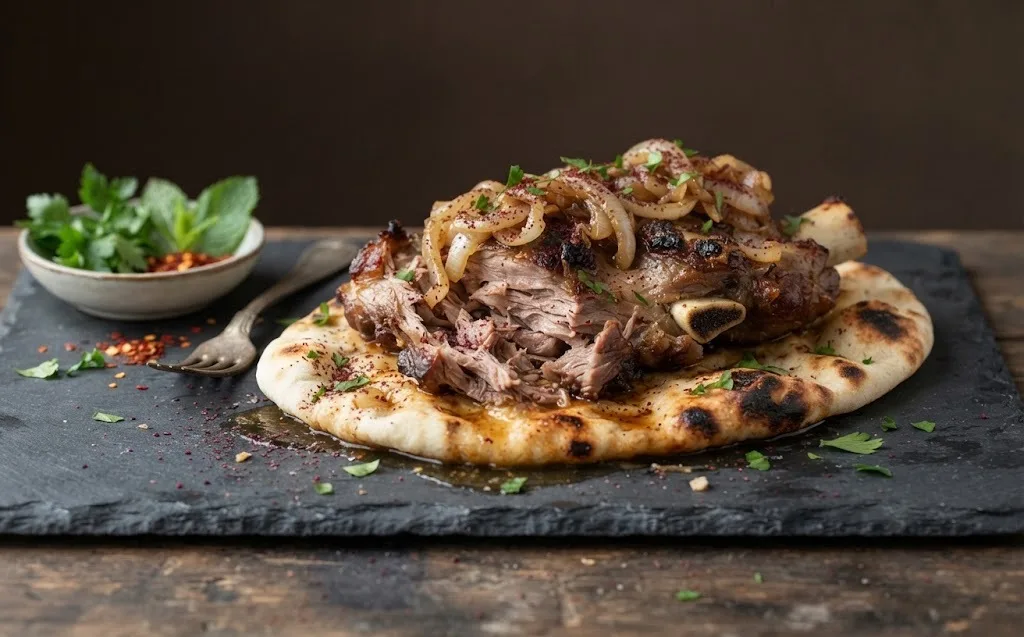
Corum Tandir Kebab
Slow roasted Central Anatolian lamb with tandir-style tenderness, warm bread, and meat juices.
 AI illustration
Mixed / 24h
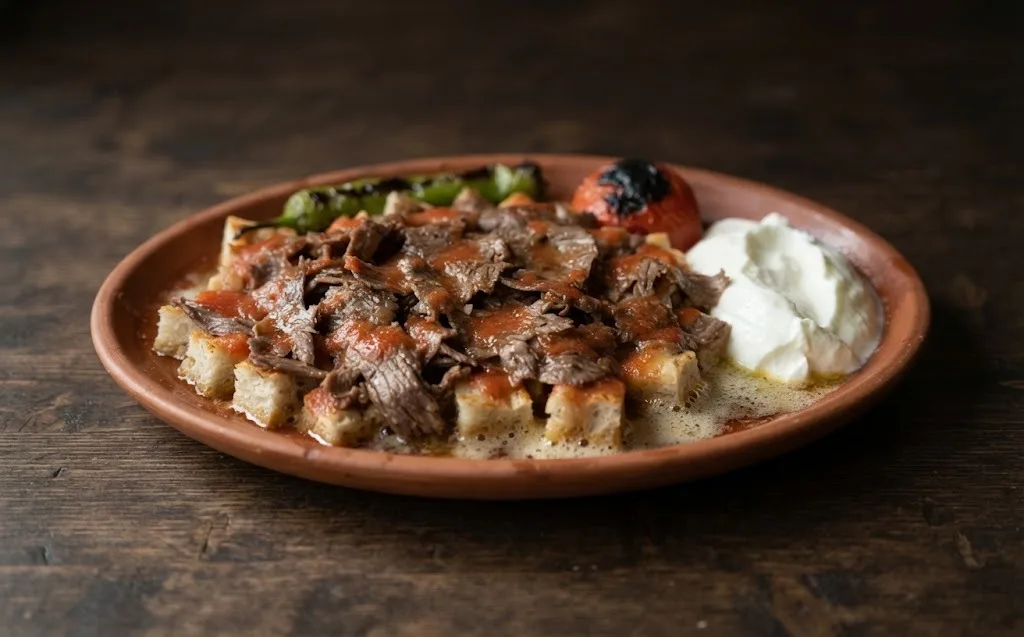
Iskender Kebab
Doner meat over chopped pide, topped with tomato sauce and sizzling butter.
Lamb / 12h
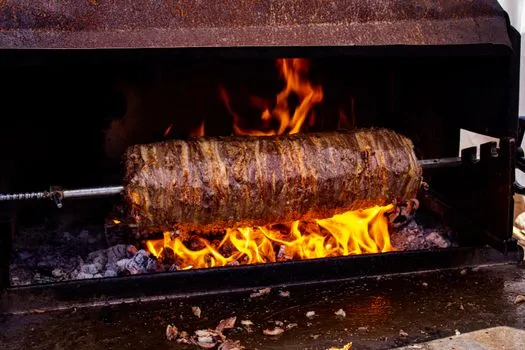
Cag Kebabi
The horizontal ancestor of Doner. Marinated lamb slices on a wood fire.
 AI illustration
Lamb / 2h
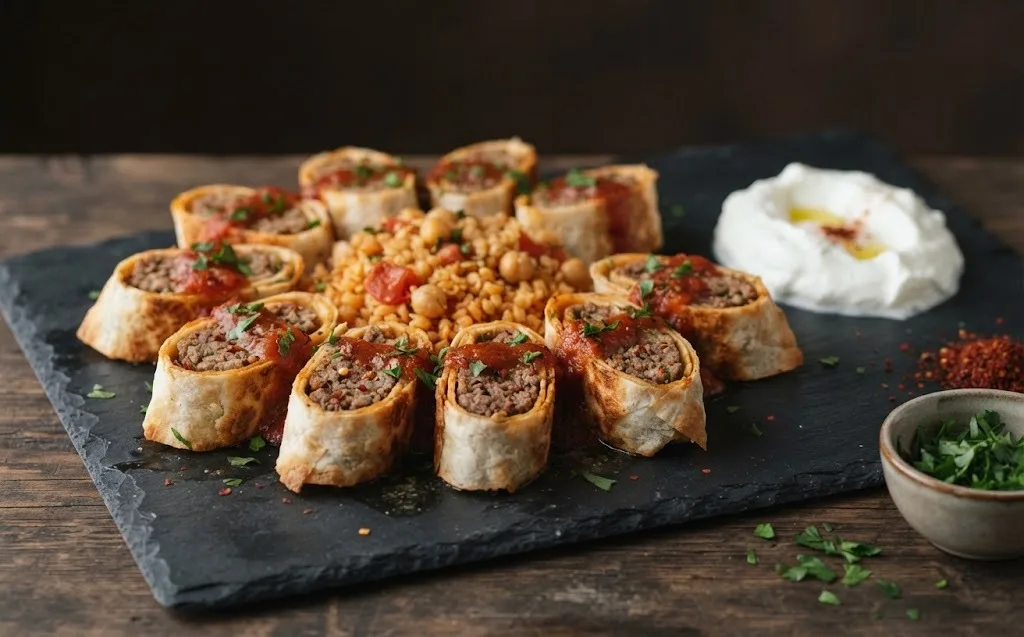
Beyti Sarma
Garlicky minced meat rolled in yufka, sliced into wheels, and baked.
 AI illustration
Lamb / 2h
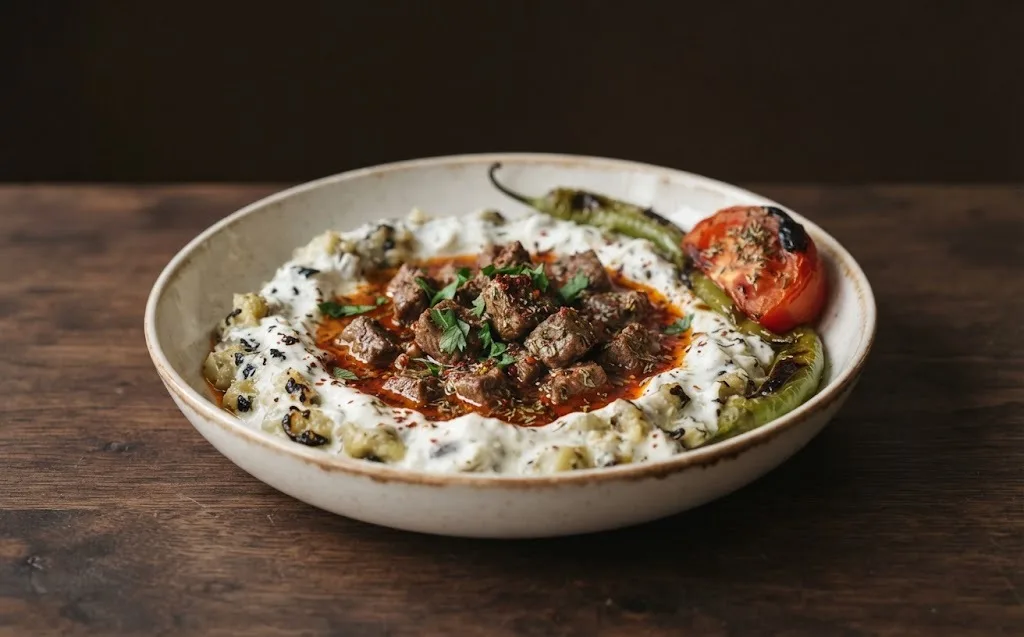
Ali Nazik
Smoked eggplant puree with yogurt, topped with sauteed lamb cubes.
 AI illustration
Beef / 1h 20m
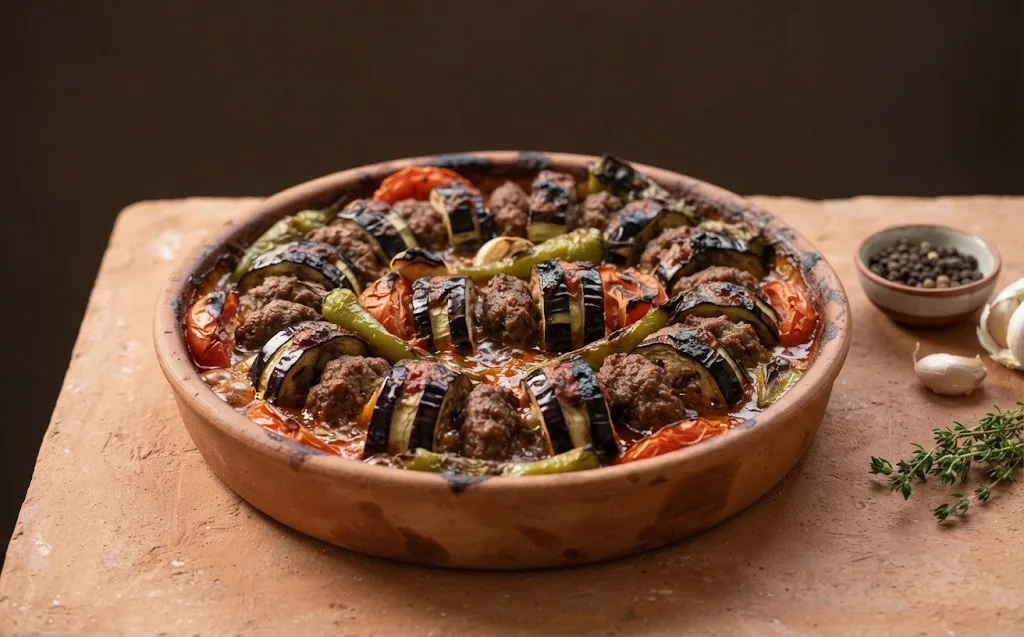
Patlican Kebabi
Meatballs alternated with eggplant slices, baked to perfection with a tomato glaze.
 AI illustration
Lamb / 45m
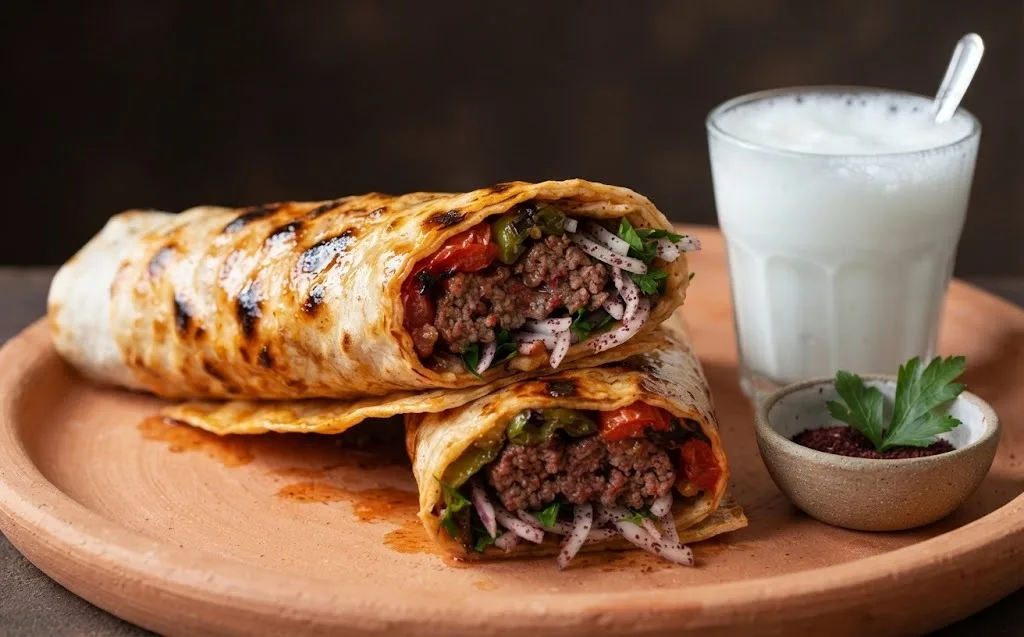
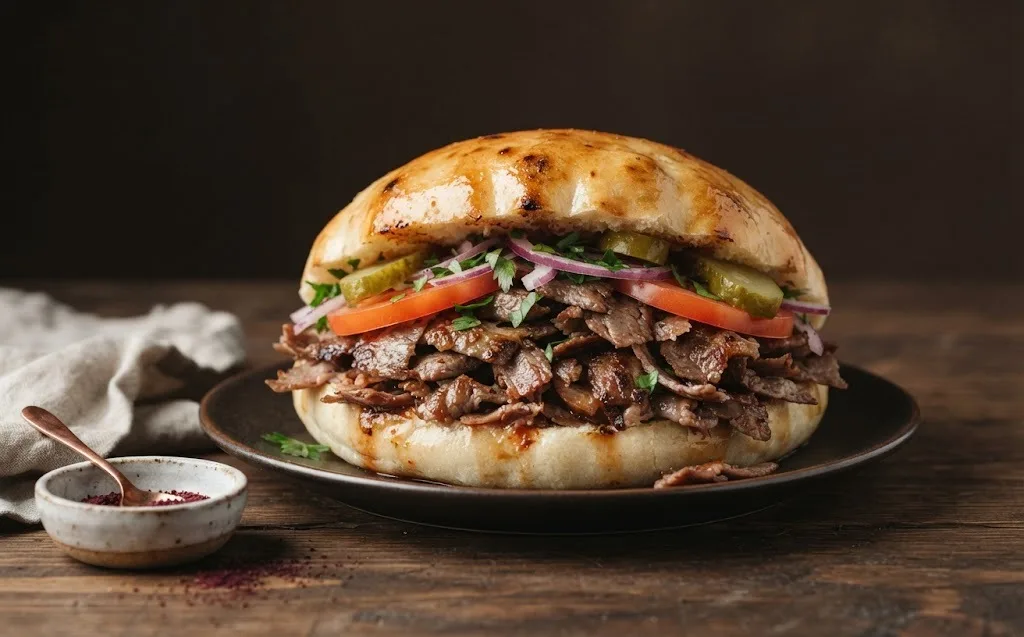
Durum (Turkish Kebab Wrap)
The Turkish street wrap: a hot Adana kebab rolled tight in fat-soaked lavash.
 AI illustration
Beef / 24h
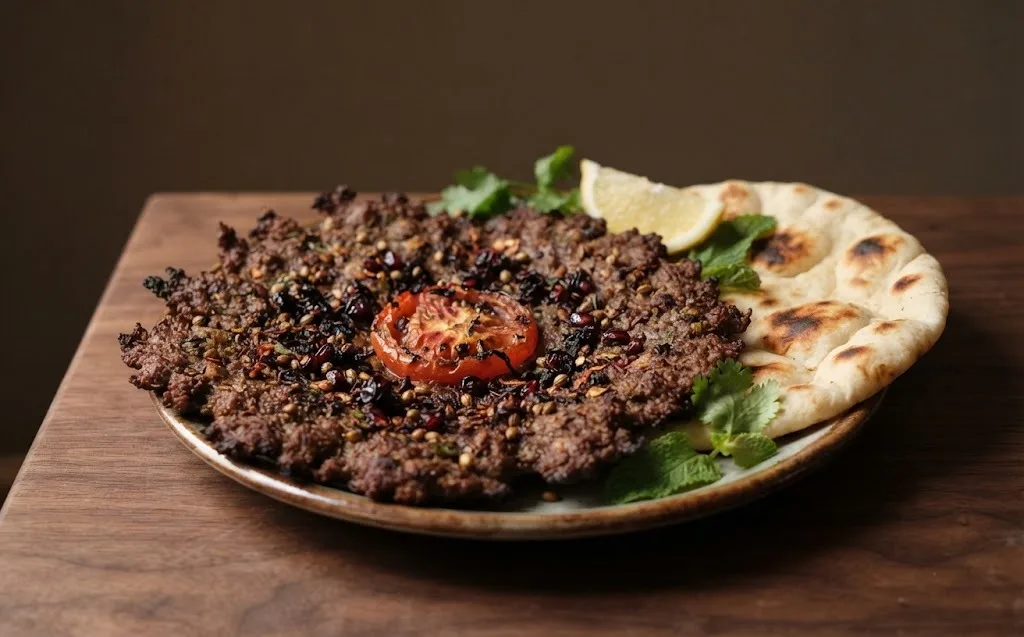
Tombik Doner
The "Turkish Burger". Crunchy Doner shavings stuffed in soft, puffy "Gobit" bread.
 AI illustration
Beef / 30m
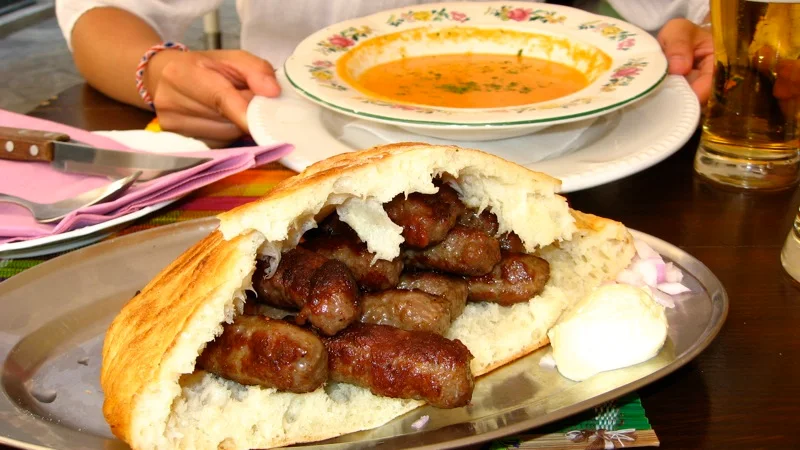
Chapli Kebab
Giant, flat, fried beef patties from Peshawar. Uniquely crunchy with pomegranate seeds.
Beef / 24h
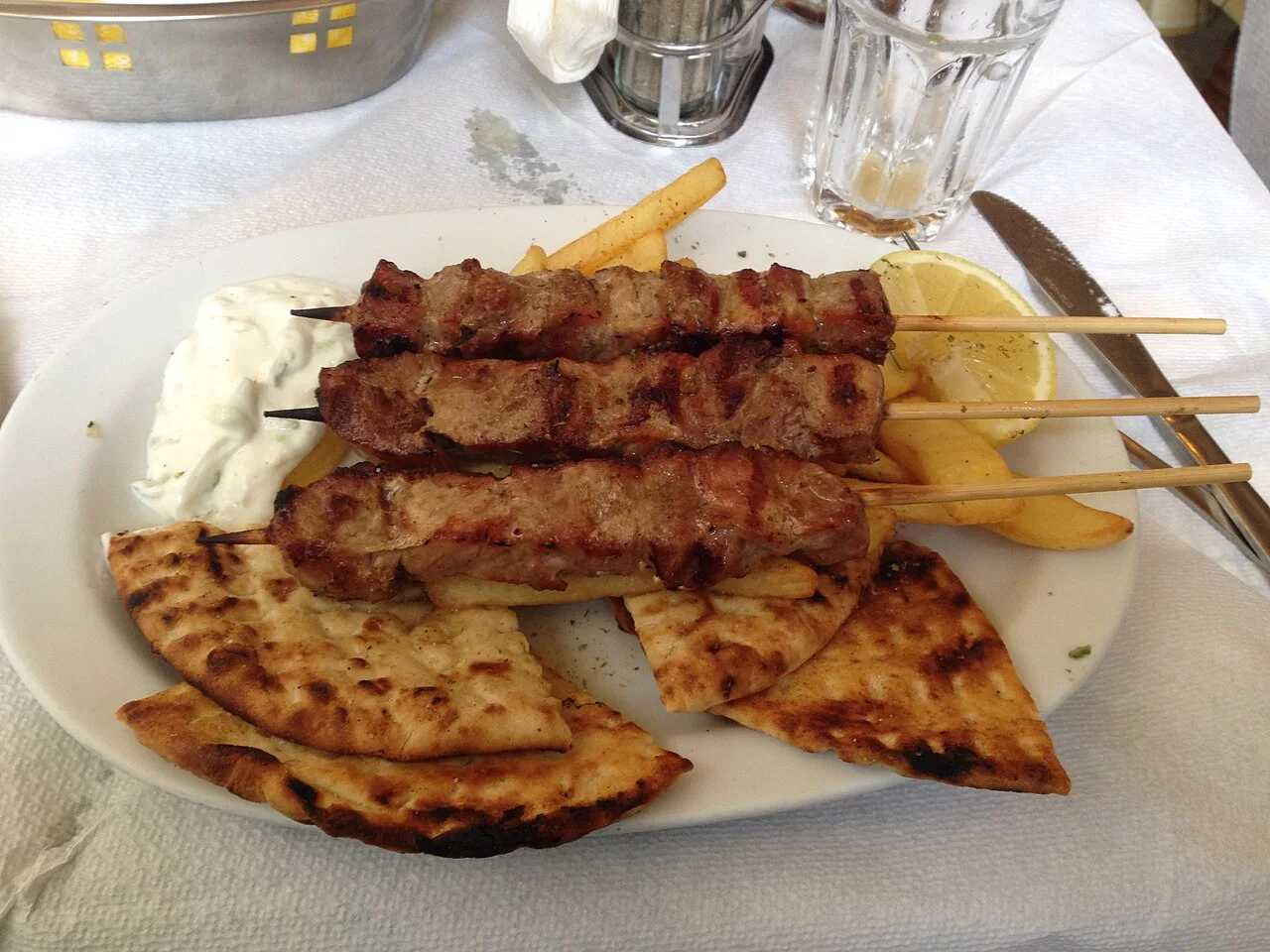
Cevapi (Cevapcici)
Small skinless grilled thick sausages. The soul food of the Balkans.
Pork / 2h
Souvlaki
Classic Greek skewers. Traditionally Pork, marinated in lemon and oregano.
Pork / 24h
Authentic Gyros
The Greek vertical rotisserie. Pork slices stacked and shaved.
 AI illustration
Beef / 1h
Halifax Donair
Canada's spiced beef masterpiece with sweet condensed milk sauce.
 AI illustration
Chicken / 12h
Chicken Shawarma
Garlic-lovers dream. Stacked chicken marinated in yogurt and lemon, served with Toum.
 AI illustration
Breads / 2h
Tirnakli Pide
Turkish "Fingernail" Bread. Chewy, dimpled flatbread essential for Adana Kebab.
 AI illustration
Breads / 1h
Balloon Lavas
Thin, hollow flatbread that puffs up like a balloon in the oven. Spectacular presentation.
 AI illustration
Breads / 45m
Adana Durum
The Art of the Wrap. Hand-minced kebab wrapped in warm Lavas with sumac onions.
 AI illustration
Breads / 2h
Somun (Lepinja)
Spongy Balkan flatbread. The only authentic vessel for Cevapi.
 AI illustration
Breads / 3h
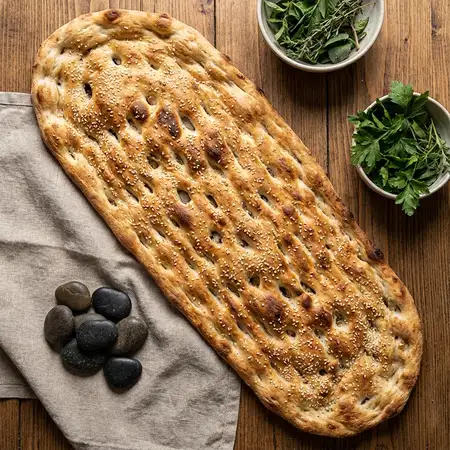
Nan-e Sangak
Persian Pebble Bread. Large whole wheat flatbread baked on hot stones.
 AI illustration
Breads / 2h
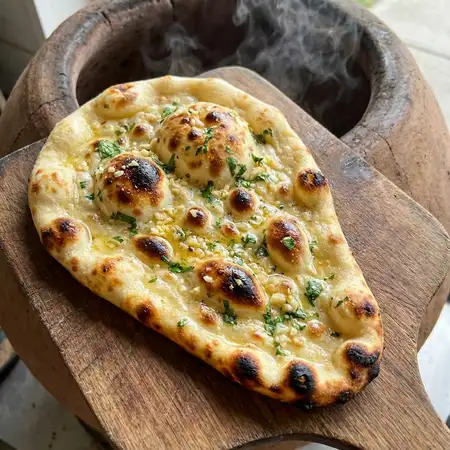
Tandoori Naan
Leavened Indian flatbread slapped onto the walls of a clay oven.
 AI illustration
Breads / 2h 30m
Homemade Pita Pocket
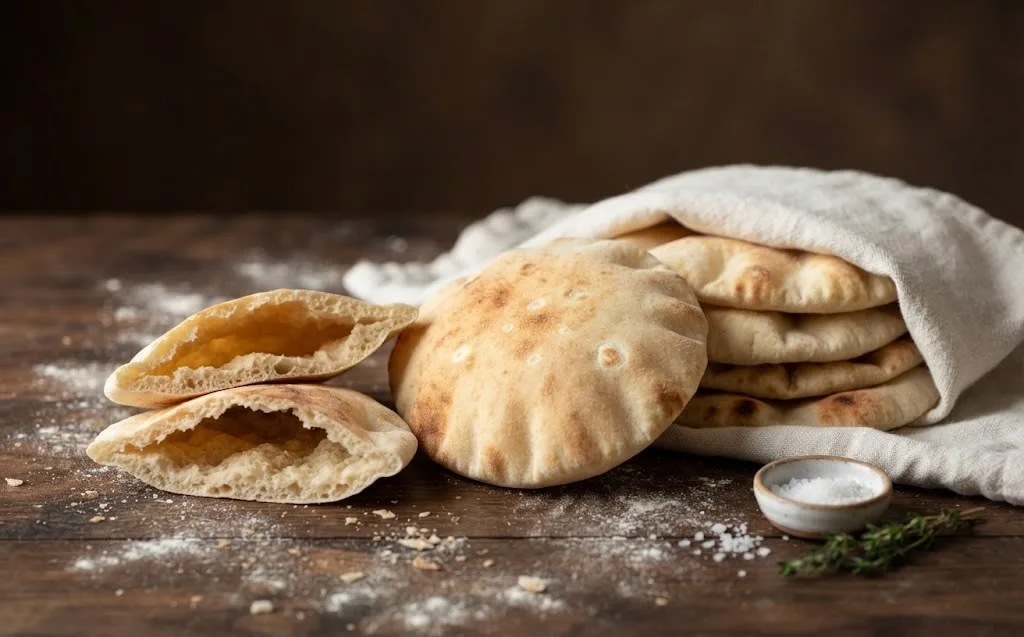
Soft homemade pita bread baked at high heat until it balloons, leaving a tender crumb and a clean pocket for kebabs, shawarma, or grilled vegetables.