Cag Kebabi is a classic Erzurum, Turkey dish that rewards attention to texture, heat, and serving balance.
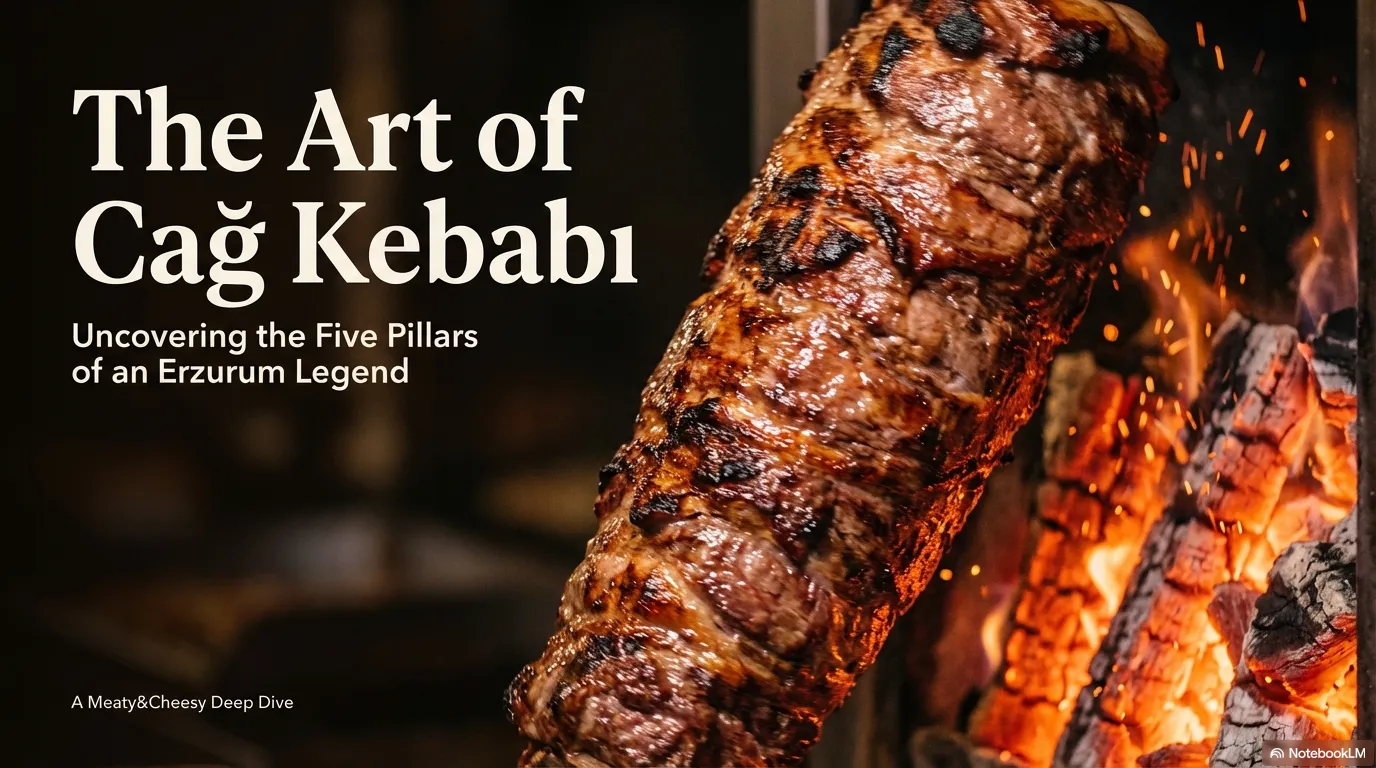
The Art of Cag Kebabi Uncovering the Five Pillars of an Erzurum Legend A Meaty&Cheesy Deep Dive
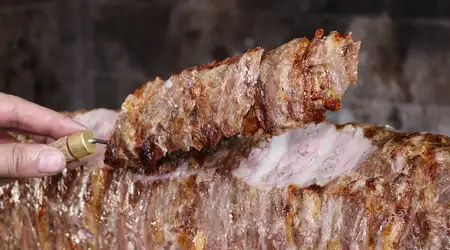
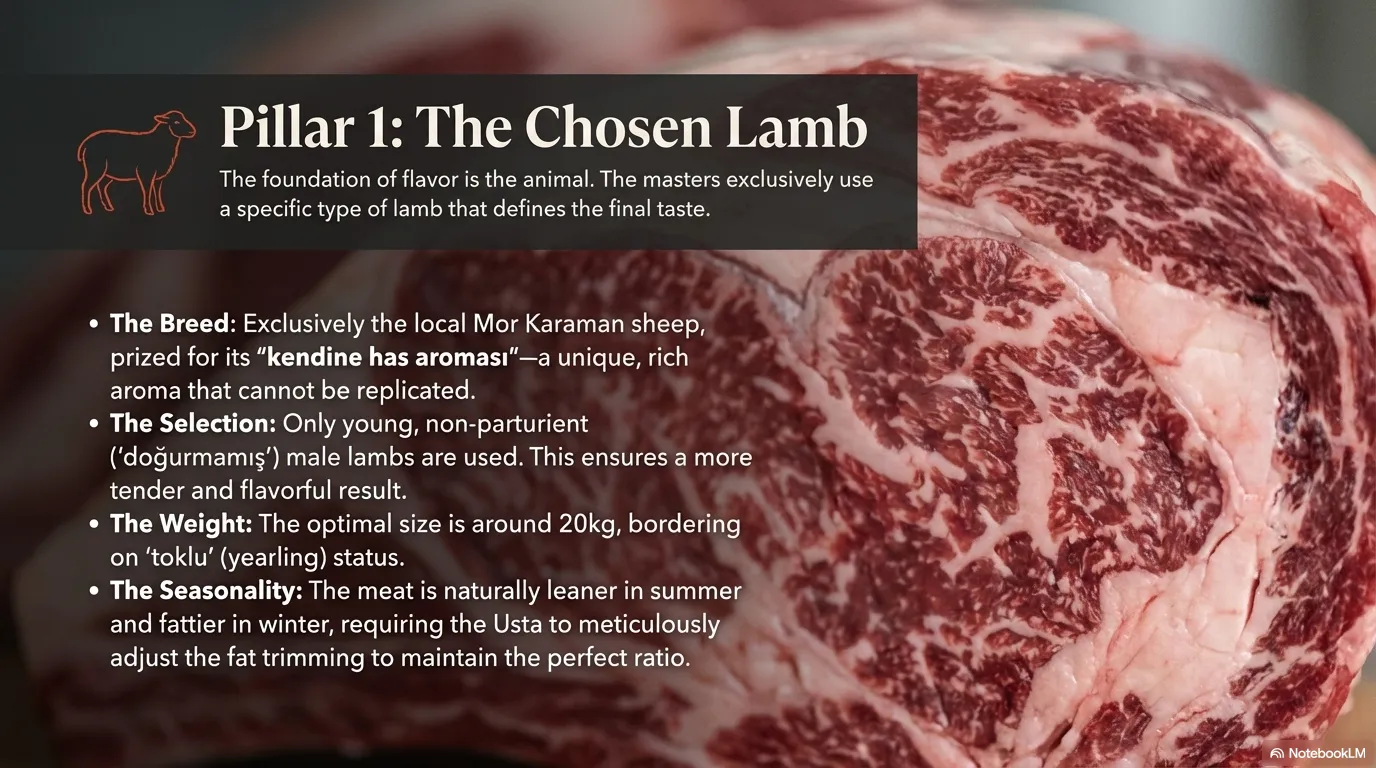
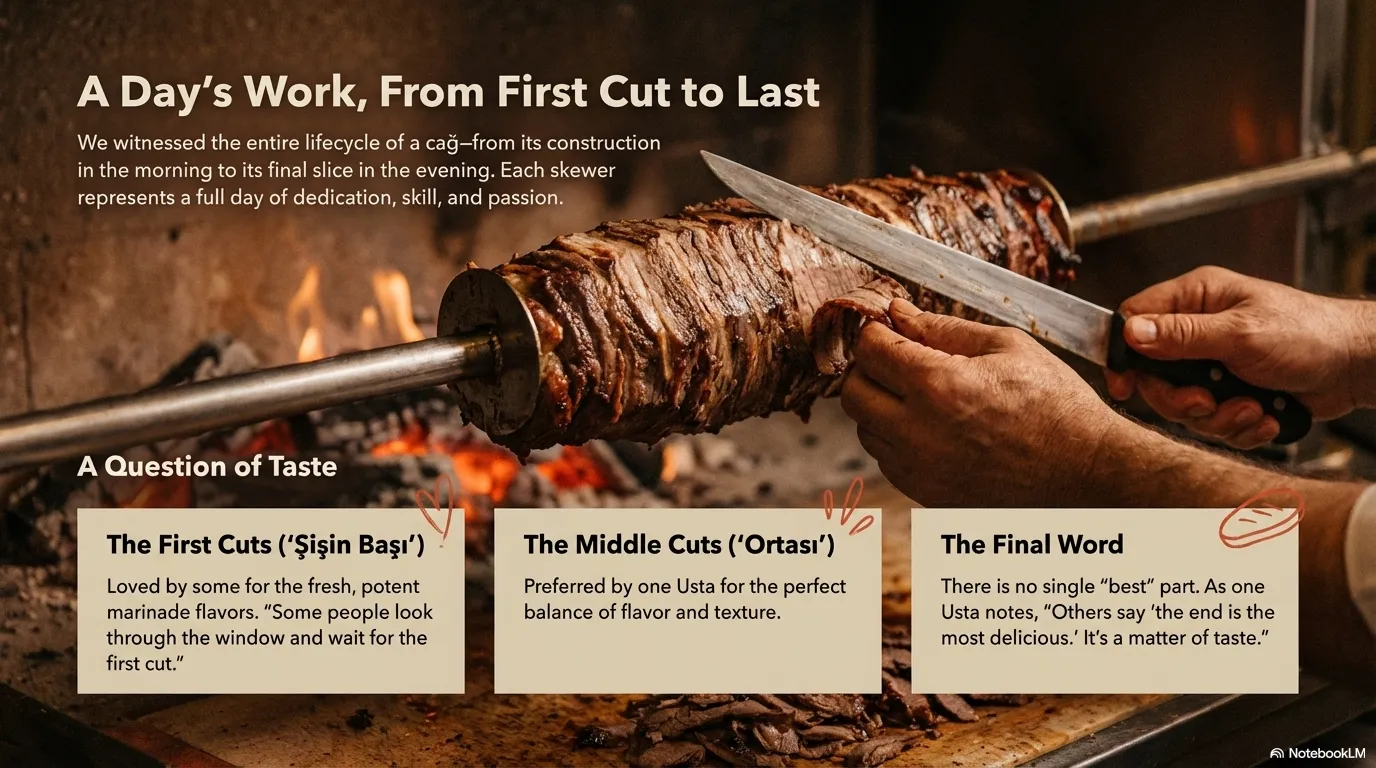
Long before döner stood up, it lay down. Cağ kebabı, the pride of Erzurum in Turkey's high northeast, is lamb layered on a horizontal spit, marinated overnight in nothing more than grated onion, salt, and black pepper, then rotated beside a wood fire until the outer layer crisps. The carver doesn't slice it onto a plate — he spears the browned edge with a small skewer, the cağ, and saws off a portion that arrives meat-on-stick, edges lacquered, centre soft. Ottoman-era accounts describe horizontal spit-roasting centuries before the vertical version appeared in the 1800s, which makes this the ancestor, not the imitation. The onion marinade is the whole trick: its enzymes tenderise the lamb while its sugars brown into the crust, and that part translates to a home rotisserie or oven perfectly.
Also known as: Yatik Doner, Horizontal Doner, Lamb Skewer, Cag Kebap, Traditional Erzurum Kebab
The strip drifts on its own — hover any dia to pause and zoom.
Hello dear viewers! In this video, I will show you how to make Erzurum's famous Cag kebab, one of the unique flavors of Erzurum's natural beauty and traditional cuisine. This kebab is prepared in a distinctive cooking te
Embedded from YouTube for reference. This video is not owned, relicensed, or distributed by How To Make A Kebab.
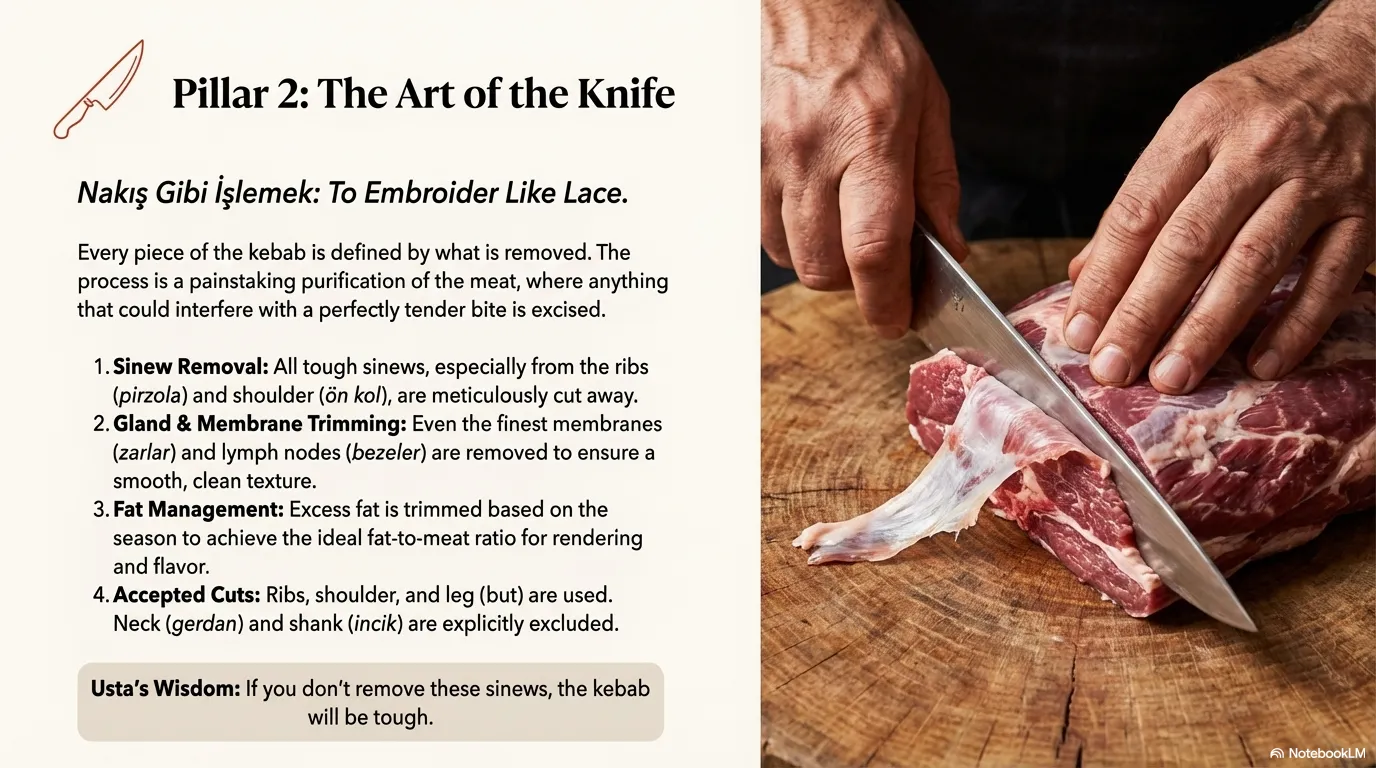
View Original VideoPREP (Morning Of): Clean meat of nerves. Do NOT prep night before. Freshness is key.
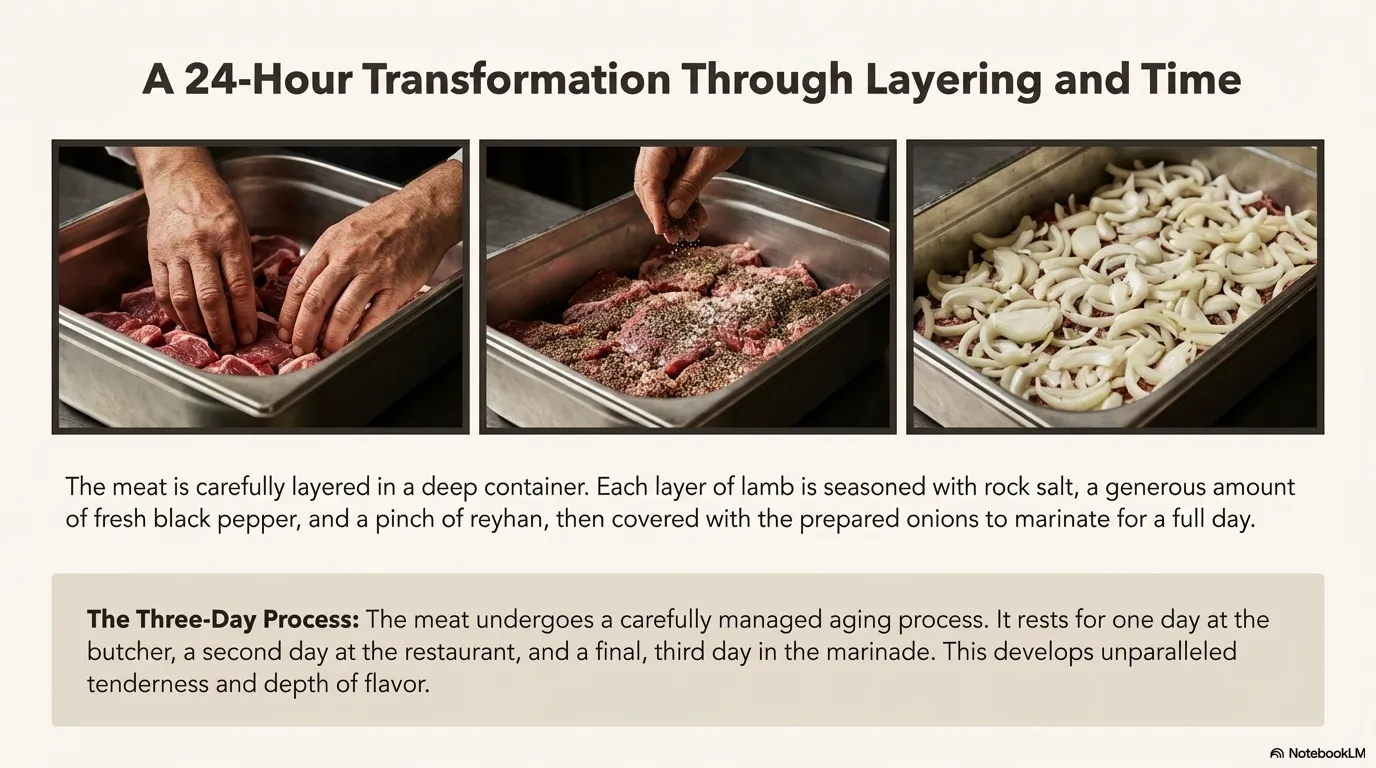
SEASON: Knead meat with onions, rock salt, and pepper. Do not create a brine.
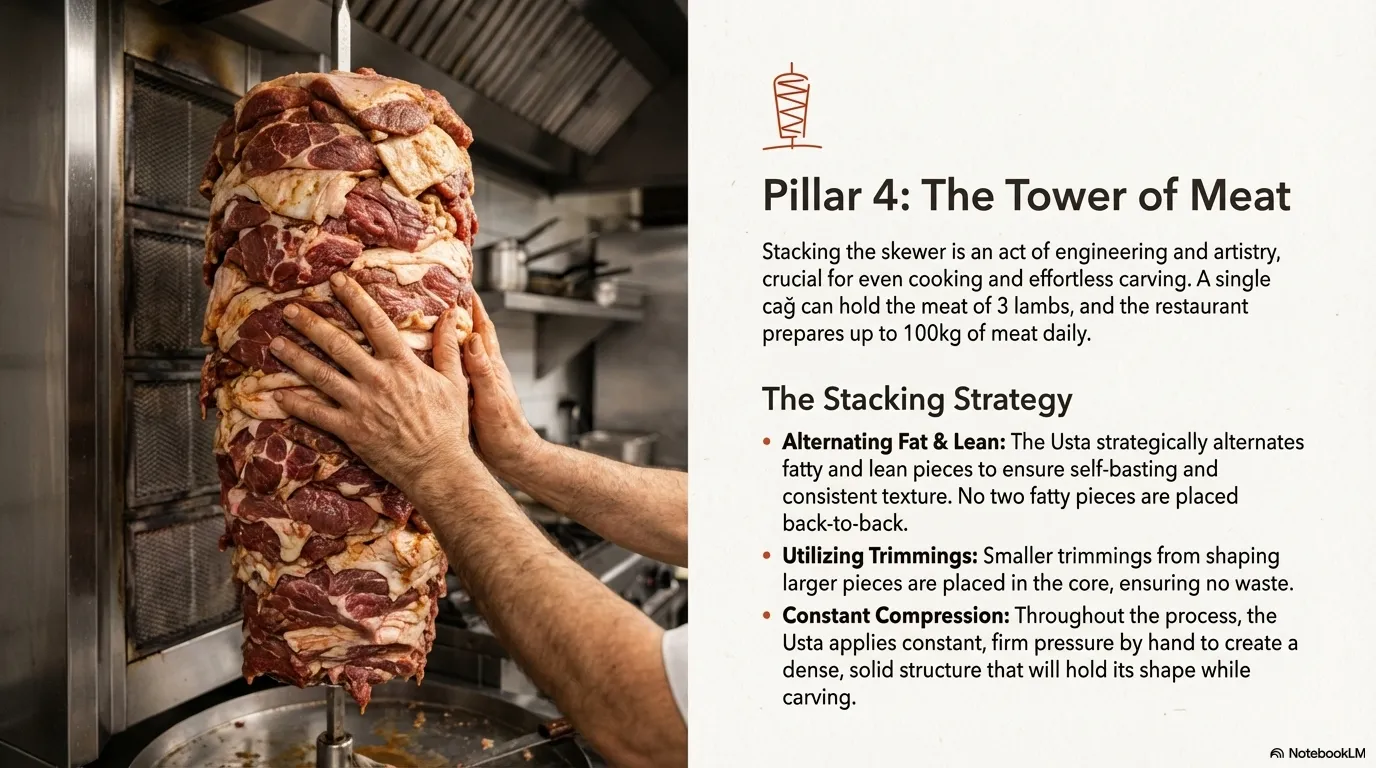
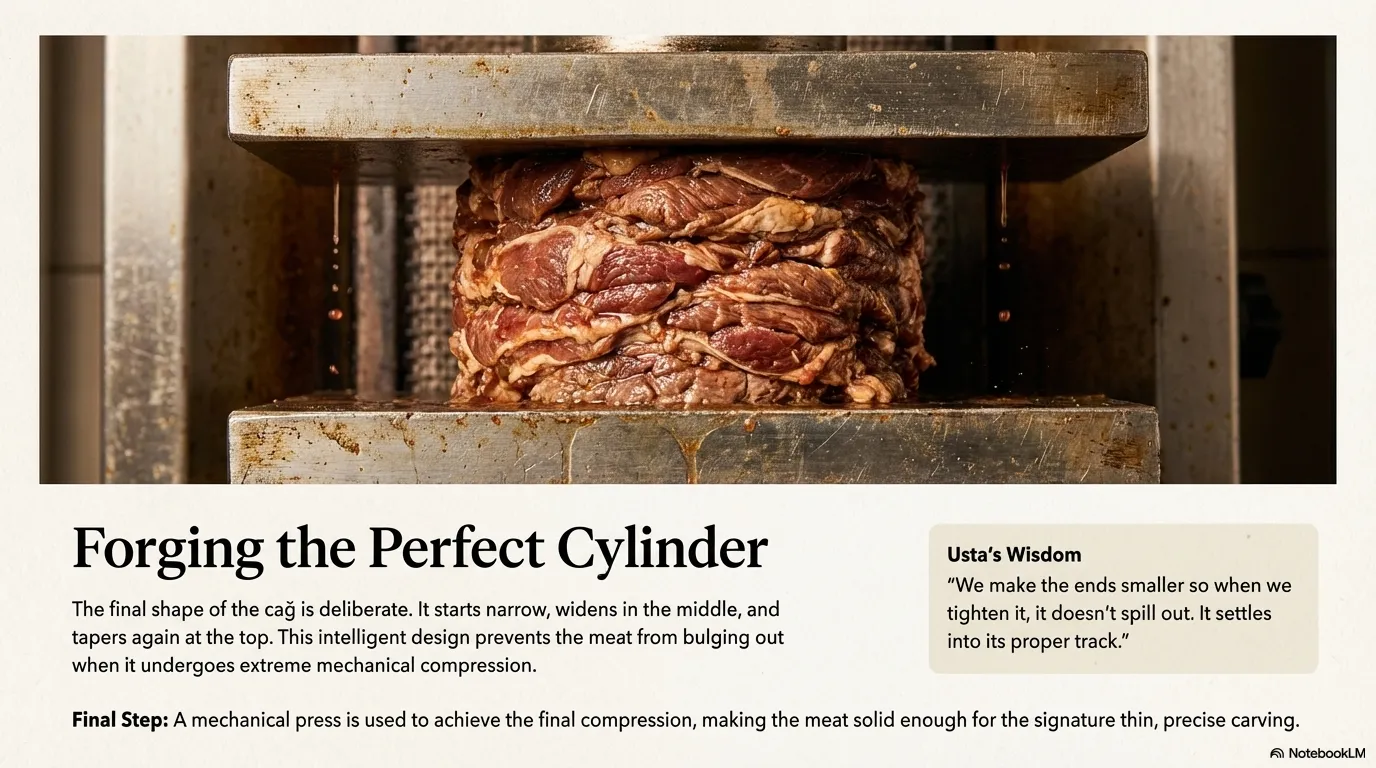
STACK: Skewer horizontally in a tapered shape (Small -> Wide -> Small). Alternate fatty and lean pieces.
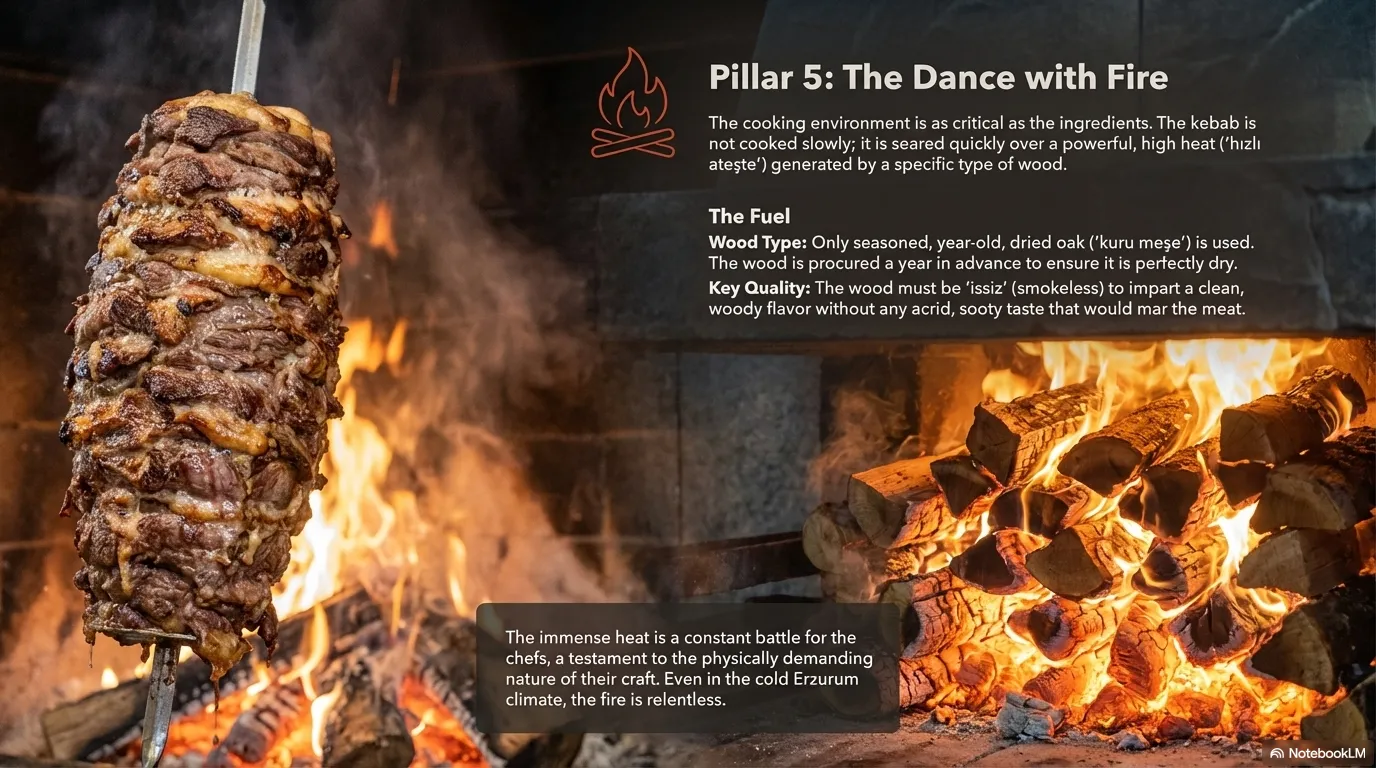
ROAST: Cook horizontally over OAK WOOD embers. Cook "nazik nazik" (gently).
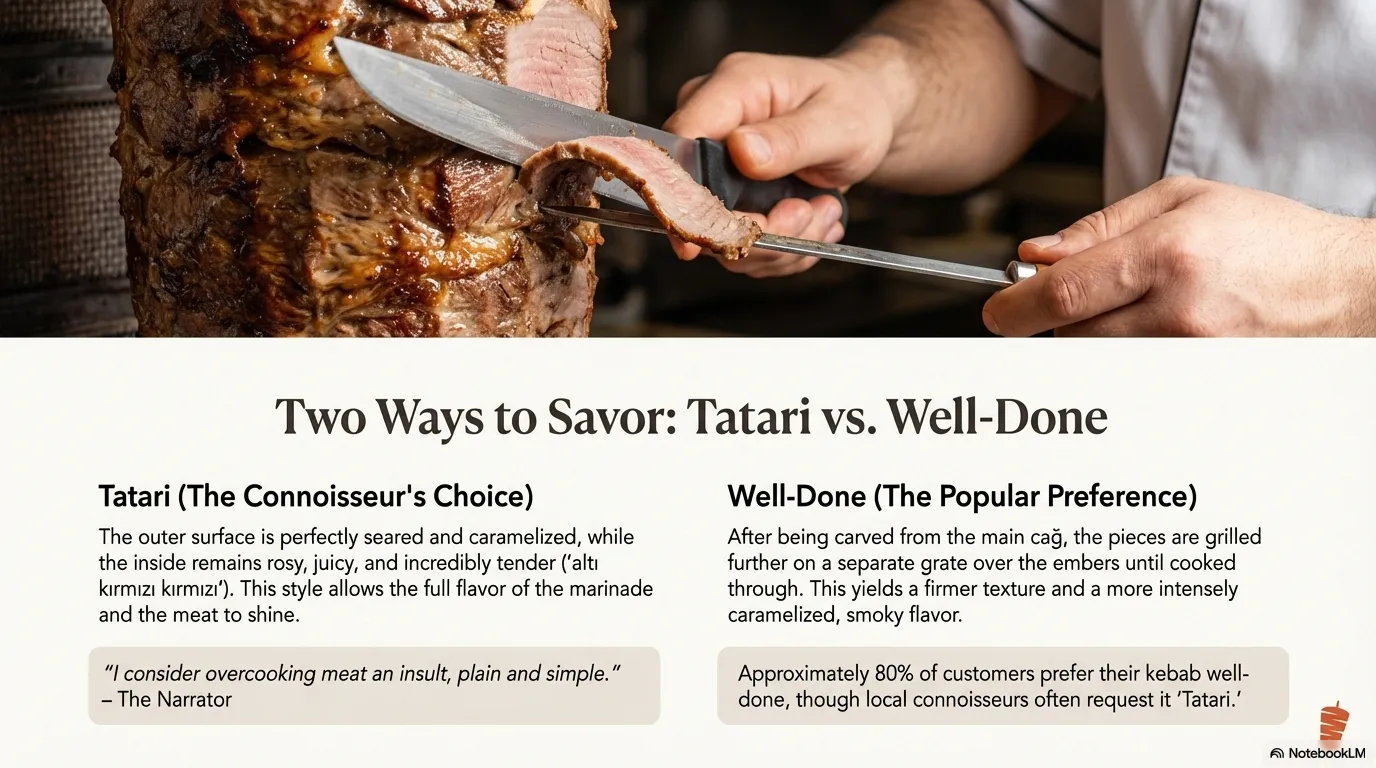
CUT (Kosor Style): Slice meat while on the fire.
SERVE: The "Kosor" slice must be well-done on top (fire side) and pink/bloody on the bottom.
Chef note: Think of it like a high-end steakhouse ribeye: No heavy sauces. Just high-quality lamb, salt, pepper, and oak smoke.
Cag Kebabi is a classic Erzurum, Turkey dish that rewards attention to texture, heat, and serving balance.
The Art of Cag Kebabi Uncovering the Five Pillars of an Erzurum Legend A Meaty&Cheesy Deep Dive
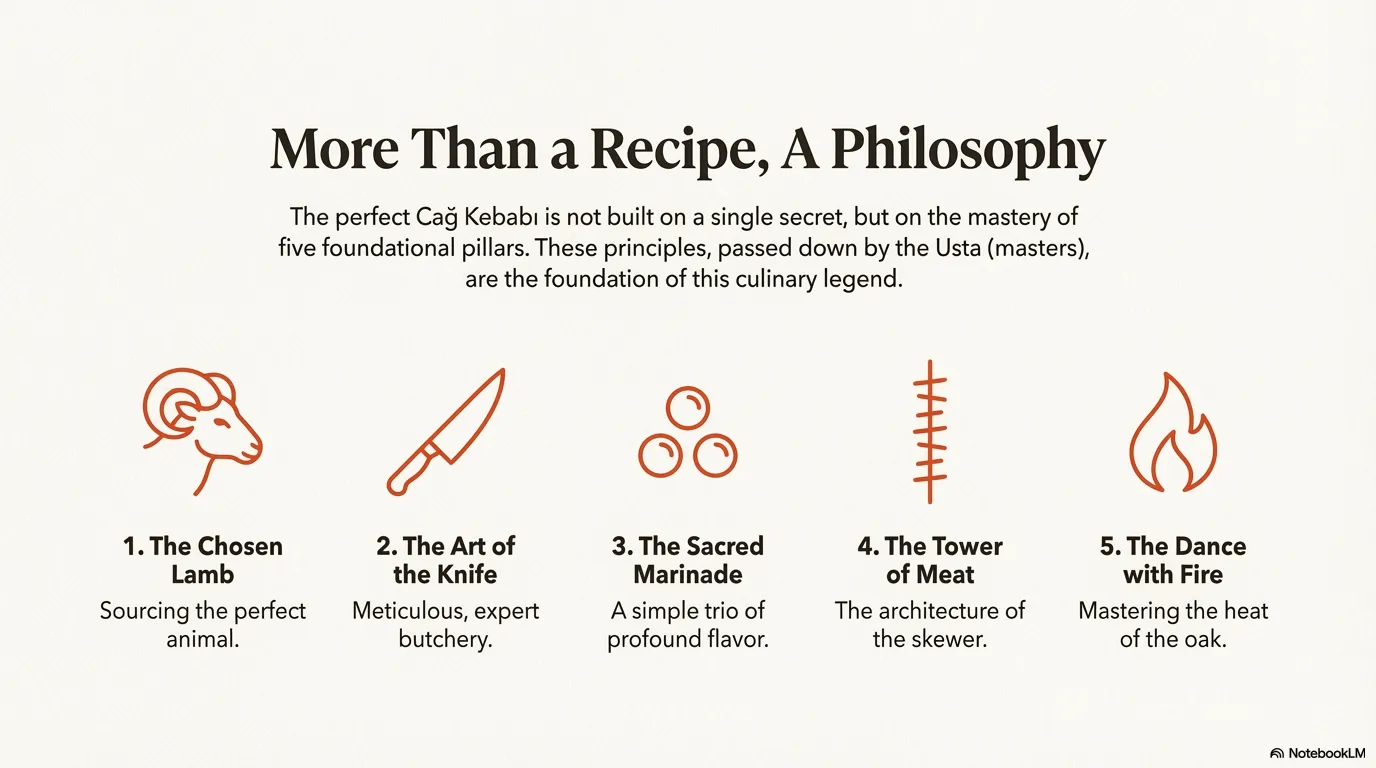
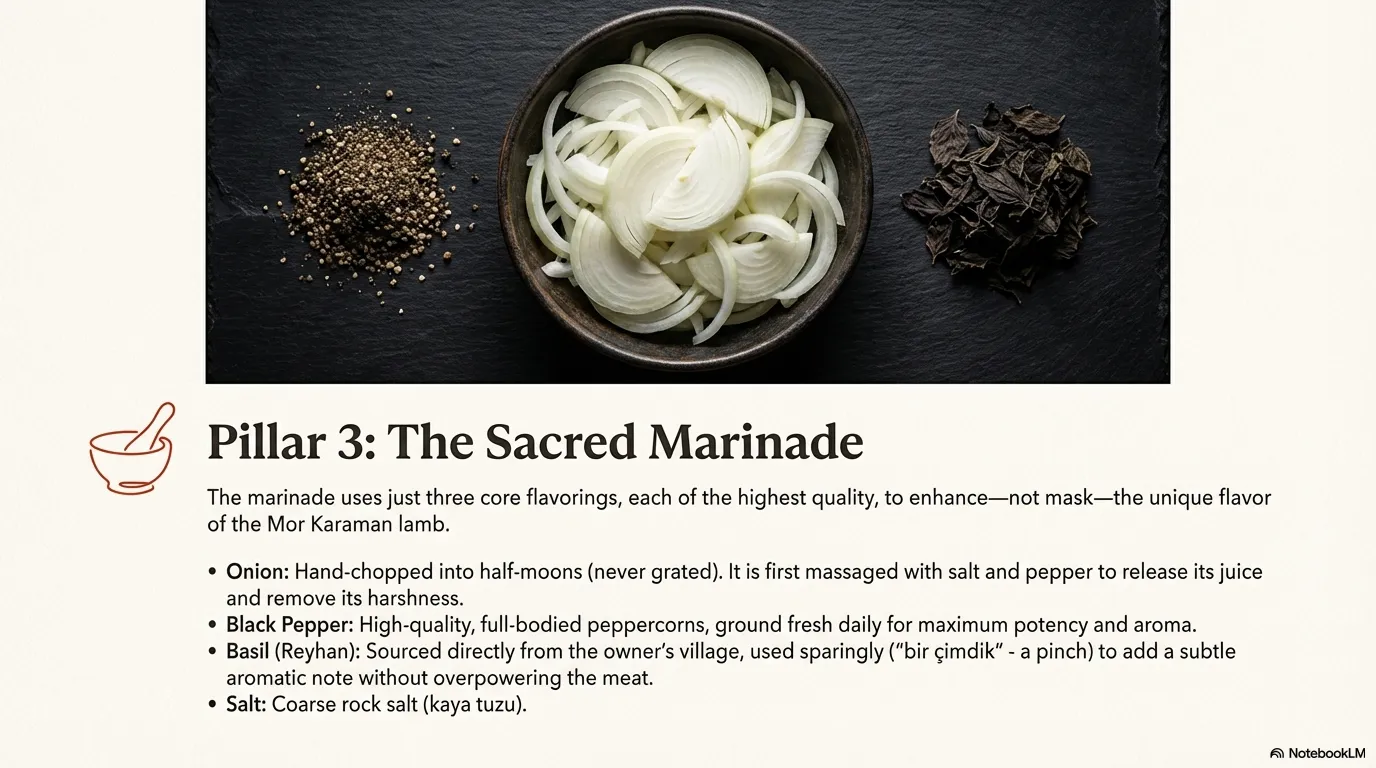
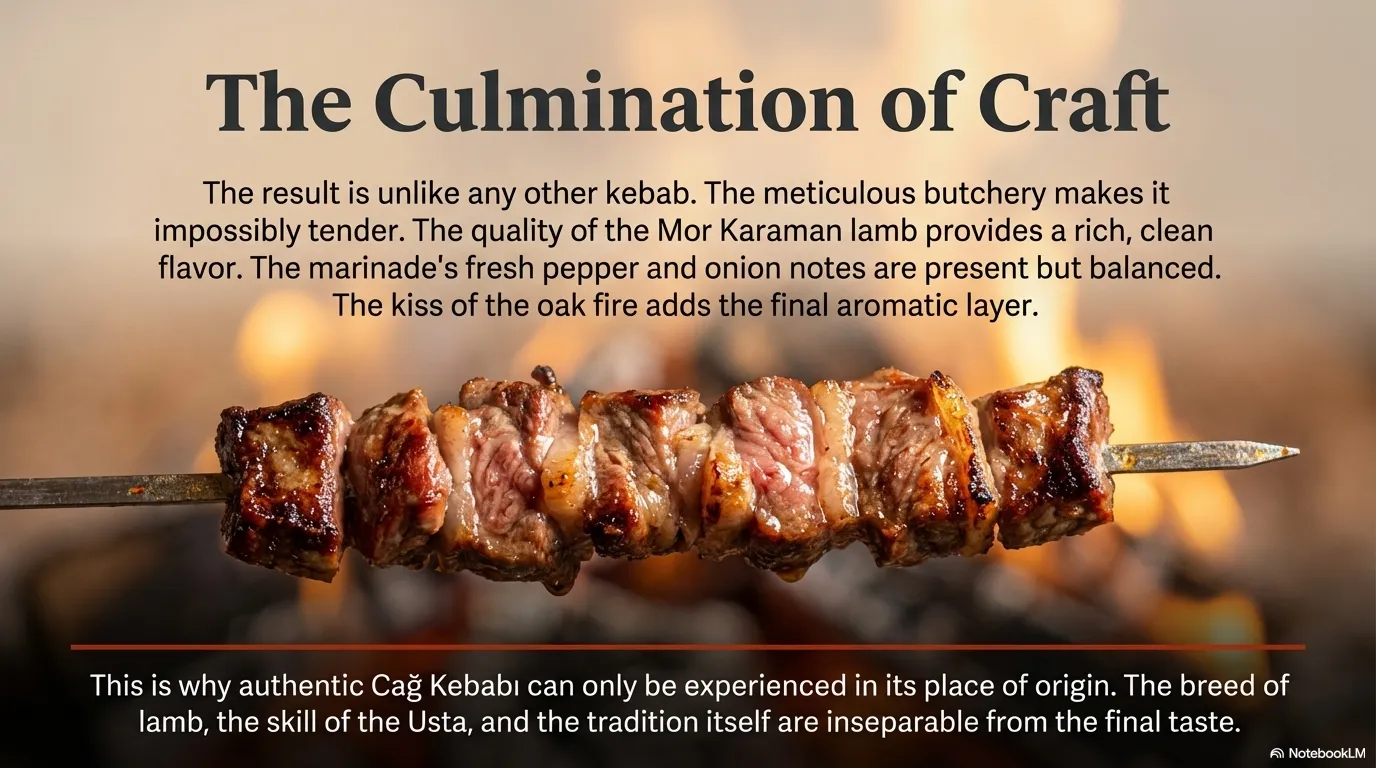
Pillar 3: The Sacred Marinade The marinade uses just three core flavorings, each of the highest quality, to enhance—not mask—the unique flavor of the Mor Karaman lamb. **Onion**: Hand-chopped into half-moons (never grated). It is first massaged with salt and pepper to release its juice and remove its harshness. **Black Pepper**: High-quality, full-bodied peppercorns, ground fresh daily for maximum potency and aroma. **Basil (Reyhan)**: Sourced directly from the owner's village, used sparingly ("bir cimdik" - a pinch) to add a subtle aromatic note without overpowering the meat. **Salt**: Coarse rock salt (kaya tuzu).
Keep the plate simple enough for Cag Kebabi to stay central, then add breads, vegetables, or sauces that support the main flavors.
If you are building a fuller meal, pair it with one bread or side from the same regional family instead of mixing too many competing elements.
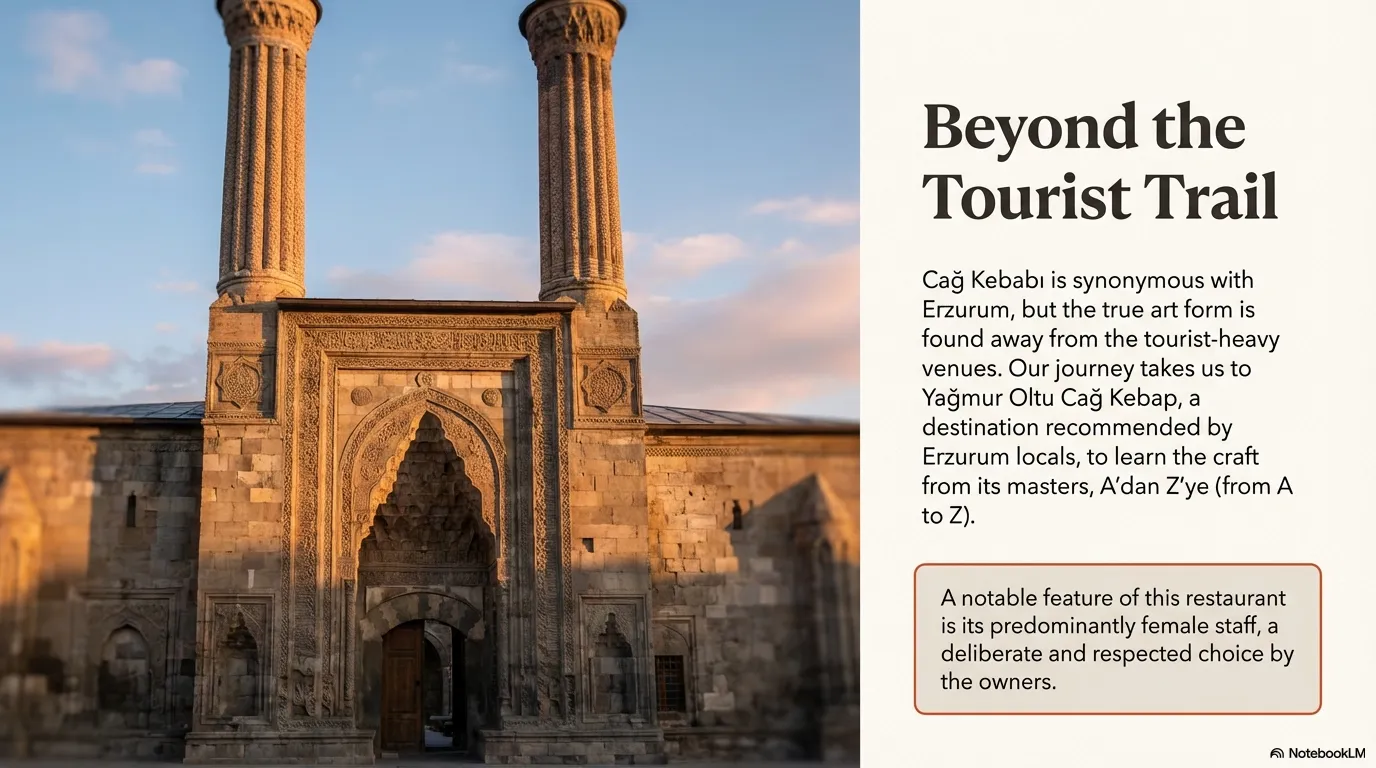
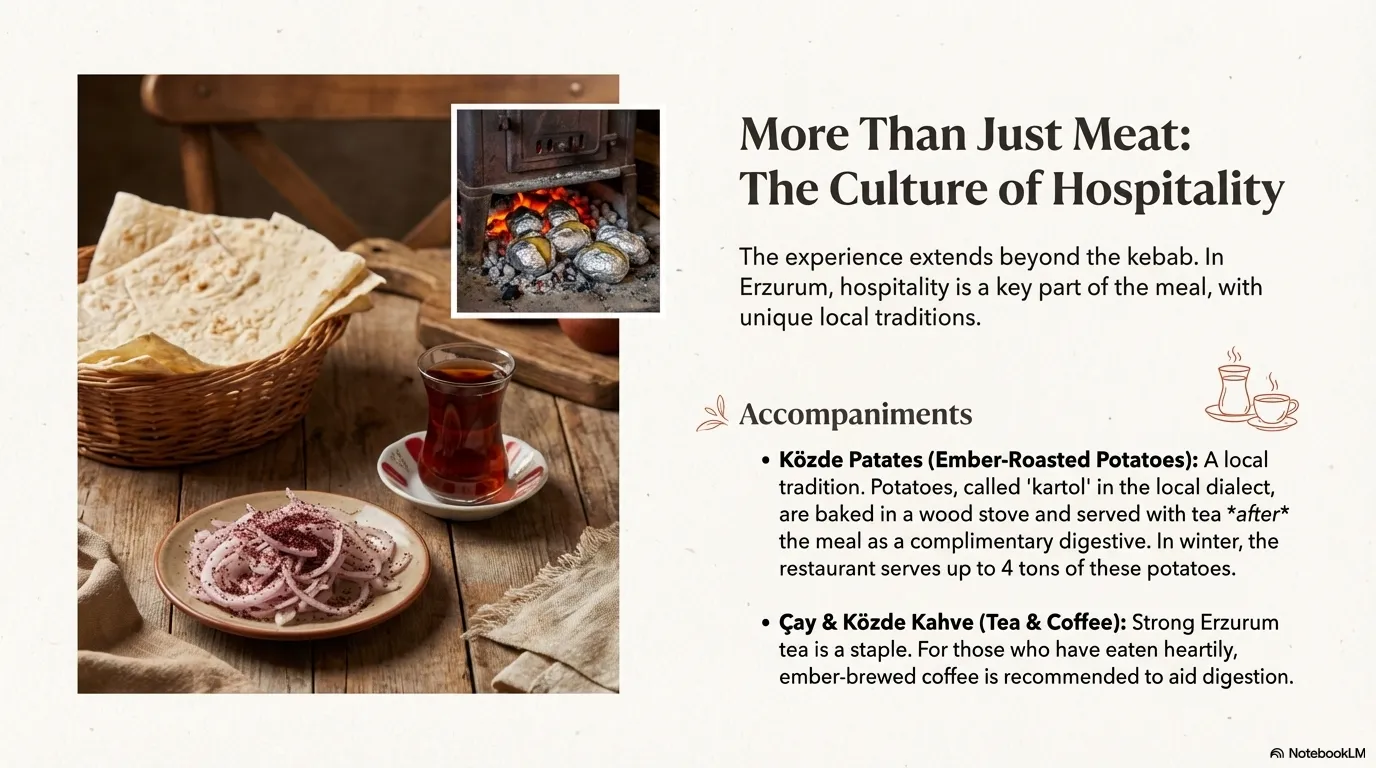
Beyond the Tourist Trail Cag Kebabi is synonymous with Erzurum, but the true art form is found away from the tourist-heavy venues. Our journey takes us to Yagmur Oltu Cag Kebap, a destination recommended by Erzurum locals, to learn the craft from its masters, A'dan Z'ye (from A to Z). A notable feature of this restaurant is its predominantly female staff, a deliberate and respected choice by the owners.
You can prepare parts of Cag Kebabi ahead of time, then finish cooking and serving closer to the meal for the best texture. The current prep window is about 4h.
Pillar 3: The Sacred Marinade The marinade uses just three core flavorings, each of the highest quality, to enhance—not mask—the unique flavor of the Mor Karaman lamb. **Onion**: Hand-chopped into half-moons (never grated). It is first massaged with salt and pepper to release its juice and remove its harshness. **Black Pepper**: High-quality, full-bodied peppercorns, ground fresh daily for maximum potency and aroma. **Basil (Reyhan)**: Sourced directly from the owner's village, used sparingly ("bir cimdik" - a pinch) to add a subtle aromatic note without overpowering the meat. **Salt**: Coarse rock salt (kaya tuzu).
Yes, but use high heat and aim for browning, not gentle baking. A broiler, hot tray, or cast iron pan helps create the edge color that a kebab needs to taste finished.
Marinate long enough for seasoning to cling and penetrate, but do not let acidic or tenderizing ingredients destroy the texture. Thin pieces need less time than thick cubes or larger cuts.
Dryness usually comes from lean meat, pieces cut too small, low heat that cooks too slowly, or overcooking after the surface has already browned. Use the right cut and pull the kebab before it tightens completely.
Use the main guide to compare meat, heat, bread, and serving logic before cooking Cag Kebabi.
Choose the bread that matches the moisture, fat level, and service style of this recipe.
Compare related Turkish kebab formats, breads, and serving styles.
Choose the best meat for kebab, kabob, and kabab based on fat ratio, cut, grind, and cooking style for skewers, wraps, and plates.
Learn how to keep kebab on the skewer with the right fat level, onion handling, kneading, skewer shape, and grill timing.
Choose the best bread for kebab wraps, gyros, shawarma, doner, and plate service with lavash, pita, somun, pide, and durum explained clearly.
Compare gyros, shawarma, and donair by meat style, bread, sauce, garnish, and wrap structure so you know which page to cook next.
Learn which bread to use for kebab wraps, gyros, shawarma, doner, and grilled meat plates, including lavash, pita, pide, somun, lepinja, and durum.
A focused collection for Turkish kebab styles including Adana, Urfa, Cag, Iskender, and supporting bread pages.
The spicy gold standard of Turkish BBQ. Hand-minced lamb with tail fat. This version focuses on the Adana, Turkey style, with practical home-cooking guidance for texture, seasoning, and serving. Key ingredients include Lamb Meat (Leg/But and Flank/Bosluk - preferably Kivircik breed), Tail Fat (Kuyruk Yagi) - approx 1/3 of meat quantity, Red Peppers (Al Biber) - finely chopped, supported by the technique notes on the page. The method starts with hand-mince the Lamb (Leg & Flank) using a Zirh (curved blade) or sharp chef's knife. Do NOT use a grinder.
Adana's non-spicy sibling. Deep flavor from poppy seeds and purple sumac. This version focuses on the Sanliurfa, Turkey style, with practical home-cooking guidance for texture, seasoning, and serving. Key ingredients include 800g Lamb Mince (High fat content recommended), Tail Fat (Kuyruk Yagi) - frozen and finely chopped, 2 Capia Peppers (Red sweet peppers) - finely chopped, supported by the technique notes on the page. The method starts with pREP: Chop frozen tail fat into tiny pieces. Finely chop capia peppers and parsley.
Slow roasted Central Anatolian lamb with tandir-style tenderness, warm bread, and meat juices. This version focuses on the Corum, Turkey style, with practical home-cooking guidance for texture, seasoning, and serving. Key ingredients include 1.5kg lamb shoulder or lamb shanks, 2 onions, sliced, 4 garlic cloves, crushed, supported by the technique notes on the page. The method starts with sEASON: Rub the lamb with salt, black pepper, yogurt, tomato paste, olive oil, onion, and garlic.
Garlic kebab wrapped in lavash vinegar, sliced, and baked. This version focuses on the Istanbul, Turkey style, with practical home-cooking guidance for texture, seasoning, and serving. Key ingredients include 400g Minced Meat (Lamb/Beef mix), 1 Whole Onion & 3 Garlic Cloves (Finely chopped), 2 Red Peppers & 1 Bunch Parsley (Finely chopped), supported by the technique notes on the page. The method starts with pREP: Finely chop onion, peppers, and parsley. KNIFE-CHOP the garlic (don't crush) to keep texture.