Bread is the structural decision of a kebab, not the afterthought. The same skewer of adana can end up as a tight rolled durum, a folded Greek handheld, a Balkan sandwich soaking up drippings, or a plated dish where cubes of pide drink tomato butter — and each of those is a different bread doing a different mechanical job. Choose by what the bread has to do, not by what happens to be on the shelf.
Bread guide
Best Bread For Kebab Wraps
By Ali Ocak
Updated 2026-09-09
Quick answer
What wraps do kebab shops use?
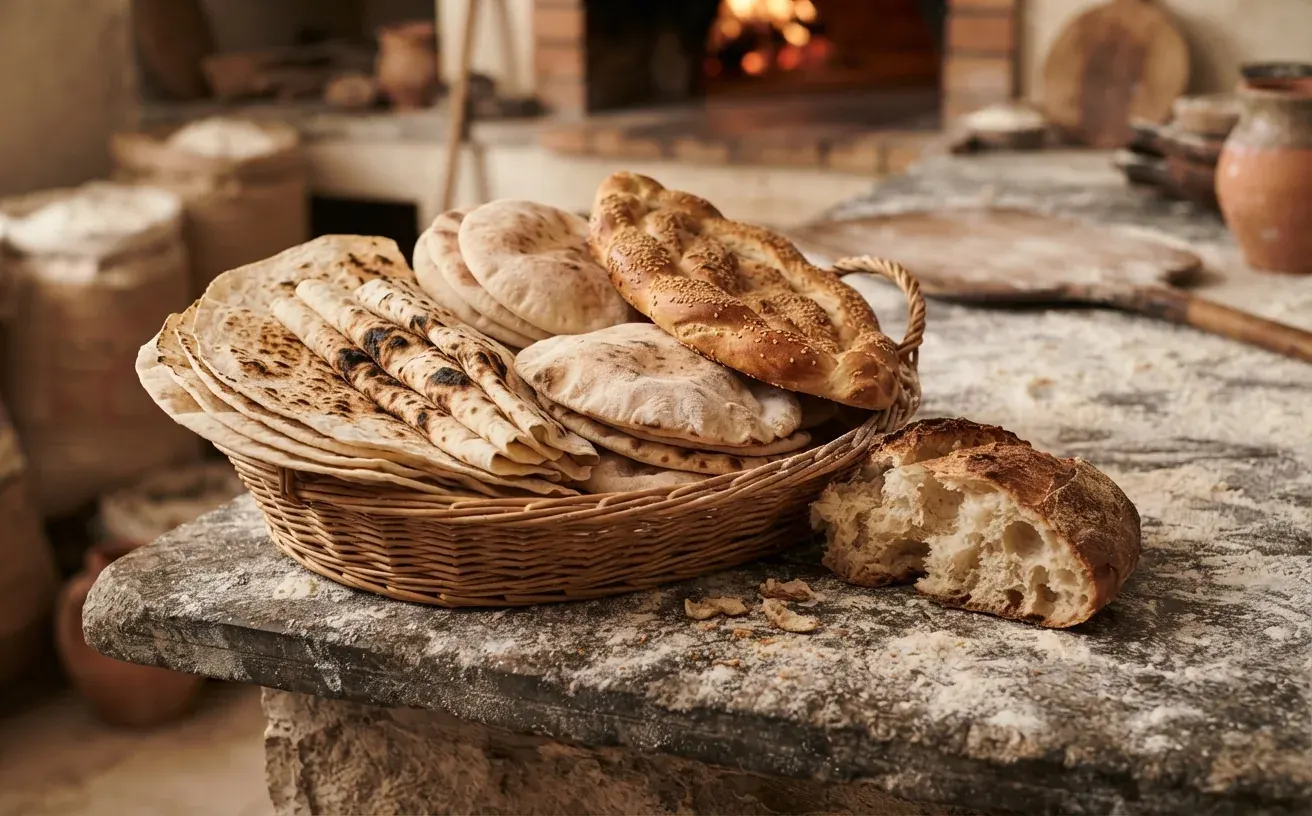
Doner and shawarma wraps are rolled in lavash, yufka or durum: thin sheets about 1 to 2 millimetres thick, ideally 35 to 40 centimetres across. Greek gyros fold into thicker pita, and flour tortillas are the common supermarket substitute.
Key takeaways
- Start from the filling, because the filling sets the load.
- These are the wrap breads of the shawarma and doner world.
- Greek souvlaki pita is a different machine.
- Arabic and Levantine pita is the third distinct architecture: a thinner, leavened round baked at very high heat — 250°C and up — so that internal steam inflates it into two layers with a hollow pocket.
- The Balkan breads are absorbency machines.
- Plated kebabs invert the relationship: the bread goes under the meat and the meat's output — rendered fat, tomato butter, grilling juices — flows down into it.
The job splits three ways. A wrap bread has to bend around a cylinder of hot filling without cracking, which means thin, flexible, and low in crumb: roughly 1 to 2 millimetres for lavash and yufka. A folding bread has to cushion a broad, wet filling, which means 5 to 8 millimetres of soft crumb with no pocket, like Greek souvlaki pita. A plate bread has to absorb, which means an open, airy crumb from a wet dough — somun and lepinja run around 70 to 80 percent hydration, and that sponginess is exactly the point.
This guide walks through each family, gives you the decision logic for matching bread to filling, and finishes with the failures — because most kebab-bread disasters are predictable mechanics: cold starch cracking, steam turning a wrap to paste, or a filling heavier than the bread's tensile strength.
What the bread actually has to do
Start from the filling, because the filling sets the load. A doner or shawarma wrap carries thin-sliced meat, sauce, and wet vegetables — a high-moisture, high-weight payload that needs a bread with tensile strength and minimal thickness so the roll stays compact. A gyros carries the same kind of payload but is folded, not rolled, so the bread can be thicker and softer. Cevapi are dry-surfaced grilled sausages of minced meat that release fat rather than sauce, so their bread needs absorbency more than flexibility. Plated kebabs like adana or koobideh release rendered fat and juices onto the plate, and the bread's whole job is to catch them.
The decision logic is simple once you frame it that way. If the meat is sliced off a vertical spit and dressed with sauce, go thin and roll it: lavash, yufka, durum. If the filling is chunky, saucy, and eaten by hand, go thick and fold it: Greek pita. If the meat is grilled and juicy but not sauced, go absorbent and stuff it: somun or lepinja. If the kebab is served on a plate, the bread goes under or beside it: pide, taftoon, or lavash laid flat.
One more variable matters everywhere: temperature. Every flatbread in this guide is at its best within a few minutes of being warmed and degrades fast as it cools. Starch begins re-crystallising as bread sits — the same process that stales a loaf — and in a 1.5-millimetre lavash that happens quickly enough to turn a supple wrap into one that cracks along every fold. Whatever bread you choose, plan to warm it and serve immediately.
Lavash, yufka, and durum: the tight roll
These are the wrap breads of the shawarma and doner world. Lavash and Turkish yufka are rolled to 1 to 2 millimetres and baked hot and fast — on a saj, tandoor wall, or steel plate in the region of 300°C, for well under a minute — so the sheet cooks through before it dries out. A proper durum wrap wants a sheet 35 to 40 centimetres across, because the roll needs at least one and a half full revolutions around the filling to hold; a 25-centimetre round physically cannot close around a full portion.
The dough itself is minimal: flour, water, salt, sometimes a small amount of oil, hydration around 55 to 60 percent, and little or no yeast. That leanness is why the bread is so flexible when warm and so brittle when cold. Ten to fifteen seconds per side in a dry pan, or a short pass over steam, restores pliability completely. Skip that step and the first fold cracks.
Rolling technique carries half the result. Lay the filling in a bar across the lower third, leave a 3 to 4 centimetre margin at each end, fold the ends in, then roll firmly enough that there is no air gap — a loose roll lets sauce migrate and the base drops out. Finish the rolled durum seam-down on a dry hot pan or under a press for 30 to 60 seconds: the seam sets, the exterior crisps slightly, and the wrap holds its shape in the hand.
Choose this family for shawarma, doner, and any filling of thin-sliced meat with sauce. It also suits a rolled adana durum — slide the kebab off the flat skewer straight onto the bread so the lavash catches the rendered fat, then roll with onion and sumac.
Greek pita: the fold, not the roll
Greek souvlaki pita is a different machine. It is 5 to 8 millimetres thick, has no pocket, and is cooked on an oiled griddle rather than baked empty at high heat — the light surface frying is what gives it that soft, slightly rich chew. It does not roll; it folds once around the filling, staying open at the top like a taco.
That geometry is why it suits gyros and souvlaki. Those builds carry chunky payloads — cubes or thick slices of meat, tomato wedges, raw onion, fried potatoes, a heavy spoonful of tzatziki — that would burst a 2-millimetre lavash roll immediately. The thick crumb cushions the load and absorbs sauce at the interface without saturating through, because there is simply more bread between the wet filling and your hand.
If you are choosing between pita and lavash, the test is the filling's geometry: uniform and sliceable rolls, chunky and saucy folds. A gyros in lavash falls apart; shawarma in thick Greek pita eats like a bread course with meat garnish. Match the bread to the build the dish evolved with.
Pocket pita: the shawarma sandwich route
Arabic and Levantine pita is the third distinct architecture: a thinner, leavened round baked at very high heat — 250°C and up — so that internal steam inflates it into two layers with a hollow pocket. The puff is a steam event: a fully preheated oven or stone and a wet enough dough, around 60 to 65 percent hydration, are what make the layers separate cleanly.
The pocket turns the bread into a container. Split it, and shawarma, falafel, or grilled kofta go inside with pickles and tahini; nothing needs to be rolled or folded, and the sealed bottom holds sauce better than any wrap. This is the right call when the filling is very wet or when you are serving people who will not eat a wrap cleanly — children, a crowd, a buffet.
Its limit is capacity. A pocket takes roughly half the filling of a rolled durum before the seams split, and the thin walls saturate faster than Greek pita. Load it with drained, well-managed fillings and it is the tidiest kebab format there is; overload it and it fails faster than anything else on this page.
Somun and lepinja: built to drink drippings
The Balkan breads are absorbency machines. Somun and lepinja are made from slack doughs — 70 to 80 percent hydration — baked hot so they puff and set with a big, open, cottony crumb under a thin crust. They are not wrap breads at all; a lepinja is 2 to 3 centimetres thick and would crack before it bent around anything.
The classic use is cevapi: the bread is split horizontally, the cut face is pressed briefly onto the grill or into the pan drippings so it toasts and drinks the rendered fat, then it is stuffed with the sausages, raw chopped onion, and kajmak. The fat-soaked interior face is not a garnish choice — it is the dish. A dry, untoasted somun serving cevapi is missing a third of the flavour.
Use this family whenever the meat gives up fat and juice but no sauce: cevapi first, but also pljeskavica and any plain grilled minced kebab. If you cannot find somun, a soft ciabatta-style roll with an open crumb is a closer substitute than any flatbread, precisely because absorbency is the property that matters here.
Pide and plate service: bread as the base layer
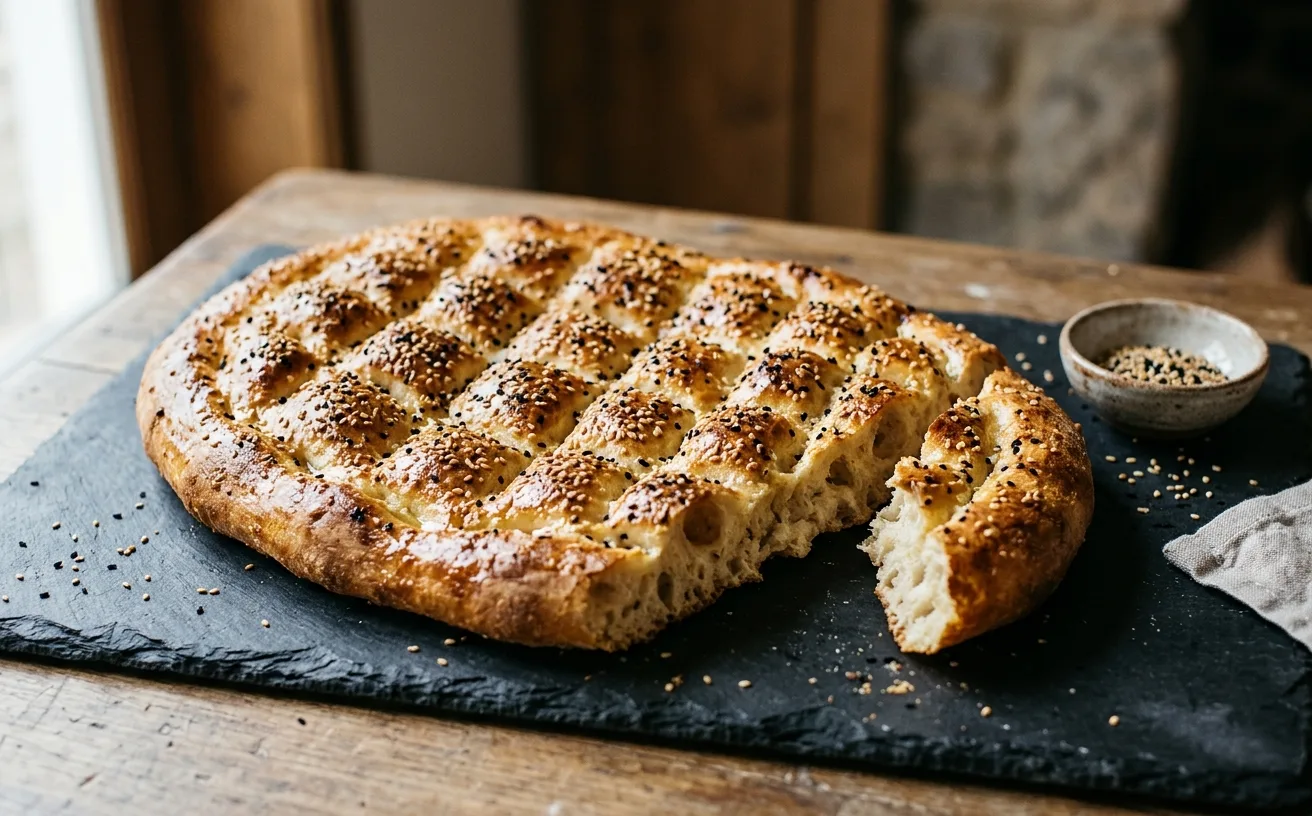
Plated kebabs invert the relationship: the bread goes under the meat and the meat's output — rendered fat, tomato butter, grilling juices — flows down into it. Turkish pide ekmek, the soft ridged loaf, is the standard base. Iskender kebab is the extreme case: cubes of pide are laid down first, doused with tomato sauce and foaming melted butter, then covered with sliced doner — the bread is doing more flavour work than the meat's seasoning.
For adana served open, a sheet of lavash or thin pide goes under the skewer's worth of meat the moment it comes off the fire, so the bread catches the fat as it renders out; adana mixtures run around 25 to 30 percent fat by weight, and a meaningful share of that ends up in the bread. Persian koobideh follows the same logic with taftoon or lavash alongside — or skips bread entirely for buttered rice, which is doing the identical absorbent job.
The rule for plate service: the bread should be at the meat's landing point, warm, and slightly under-crisped, because it is going to be re-moistened immediately. Crisp toast repels juice; soft warm crumb accepts it.
Buying, substituting, and when to make your own
Real talk about the supermarket: flour tortillas are the most common durum substitute, and they work, with caveats. A tortilla contains fat in the dough, so it stays flexible when cool — an advantage — but it is usually 25 centimetres at most, which under-sizes the roll, and it tastes of the fat rather than of char. If you use one, buy the largest available, warm it anyway, and toast the finished seam. Cold wraps straight from the packet are where supermarket durum gets its bad reputation.
Ranked by how much homemade improves the result: Greek pita and lepinja gain the most, because the fresh soft crumb is the entire product and both are simple doughs a home oven handles well. Lavash and yufka gain less in flavour but a lot in size — home rolling gets you the 35-centimetre sheet shops rarely sell. Pocket pita is the trickiest at home, because the puff needs an oven and stone fully preheated at maximum for at least 30 minutes; underheat it and you get flat rounds with no pocket.
If you make one bread for a kebab night, make it match the headline dish: lepinja for cevapi, Greek pita for souvlaki, lavash for adana or shawarma. One bread done right beats three done adequately.
The errors that actually ruin kebab bread
Cold bread, first and always. A room-temperature lavash or tortilla has re-crystallised starch and will crack at every fold; ten to fifteen seconds per side on a dry hot pan reverses it. The failure mechanism is mechanical, not staleness in the flavour sense — the bread may taste fine and still shatter.
Steam mismanagement kills wraps from the inside. Meat straight off the fire at 70°C-plus, sealed inside a tight roll, releases steam that condenses into the bread and turns the interior layer to paste within minutes. Let sliced meat rest a minute before rolling, drain wet toppings — tomato and cucumber are mostly water and will do the same thing — and never wrap a hot durum airtight in foil for the trip to the table. The same mechanism ruins microwave reheating: 20 seconds softens a flatbread, 60 seconds steams it soft then sets it leather-hard as it cools.
Overloading is a physics problem. A 1.5-millimetre lavash has a fixed tensile strength, and a double portion of saucy doner exceeds it; the wrap does not fail at the top where you see it, it fails at the saturated base where sauce pooled. Keep filling to roughly a third of the wrap's area, put dry ingredients — bread-side sliced onion, herbs — against the bread and wet ones in the centre, and toast the seam so the closure is set rather than merely tucked.
Finally, wrong-bread-for-the-job errors: rolling Greek pita (it cracks — it was engineered to fold), serving cevapi in lavash (nothing absorbs the drippings, so they end up on your hands), and plating adana over crisp toasted bread (the fat beads off instead of soaking in). Each of these is a good bread failing at a job it was never designed for.
Source-backed support
Sources Worth Watching
Reference material this guide draws on — each link opens with its original publisher.
Source video
Greek Pita Bread - Spitiki Pita Gia Souvlaki
A direct visual reference for Greek-style pita handling, puff, and softness in wrap-focused bread discussions.
Source: YouTube source
Embedded from the original YouTube source. Not hosted locally.
Watch On SourceBread comparison reference
CyBread - What Type Of Bread For Shawarma
https://cybread.com/article/what-type-of-bread-for-shawarma
Bread difference reference
Breadmasters - Pita vs Lavash
https://www.breadmasters.com/pita-vs-lavash/
Greek pita reference
Greek Cooking Made Easy - Homemade Greek Pita Bread
https://www.greekcookingmadeeasy.com/allrecipes/homemade-greek-pita-bread
Sources and further reading
- Lavash, the preparation, meaning and appearance of traditional bread as an expression of culture in Armenia — UNESCO Intangible Cultural Heritage
- Pita — Encyclopaedia Britannica
- Golden Pita Bread Recipe — King Arthur Baking
Cook These Next
 AI illustration
Breads / 1h 20m
Balloon Lavas
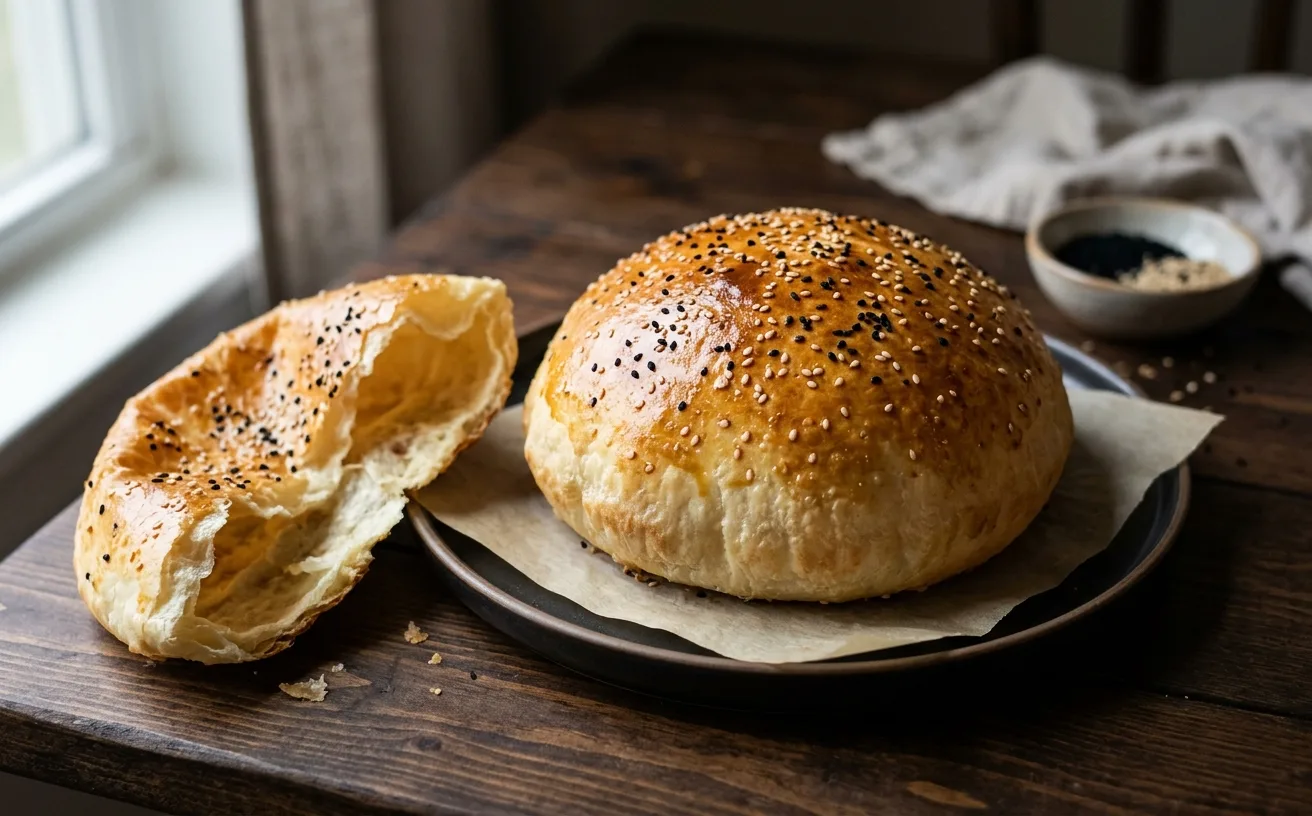
Thin, hollow flatbread that puffs up like a balloon in the oven. Spectacular presentation.
 AI illustration
Lamb / 45m
Durum (Turkish Kebab Wrap)
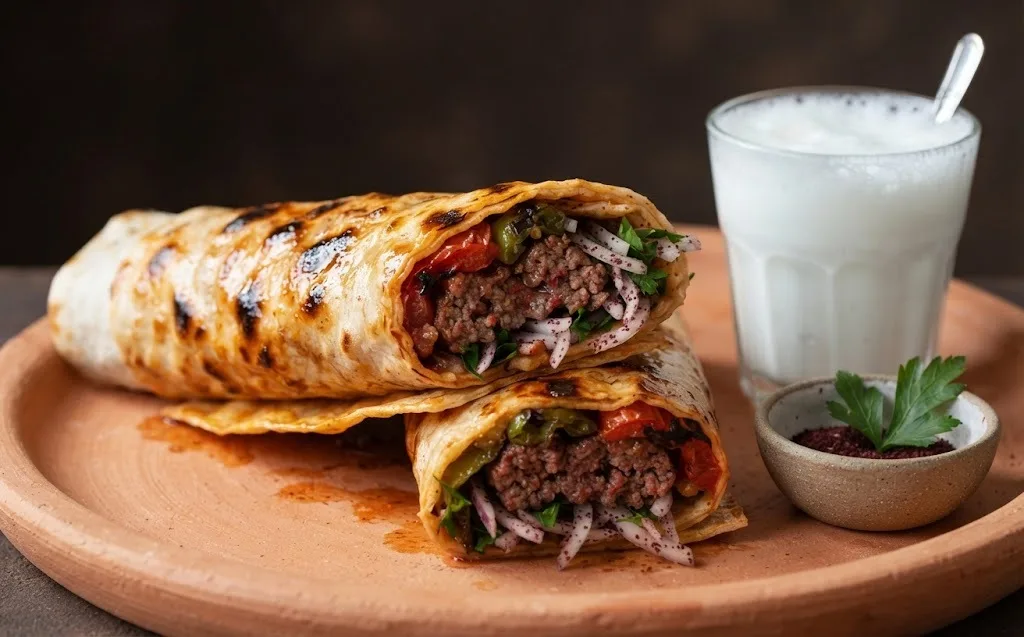
The Turkish street wrap: a hot Adana kebab rolled tight in fat-soaked lavash.
 AI illustration
Breads / 3h 5m
Somun (Lepinja)
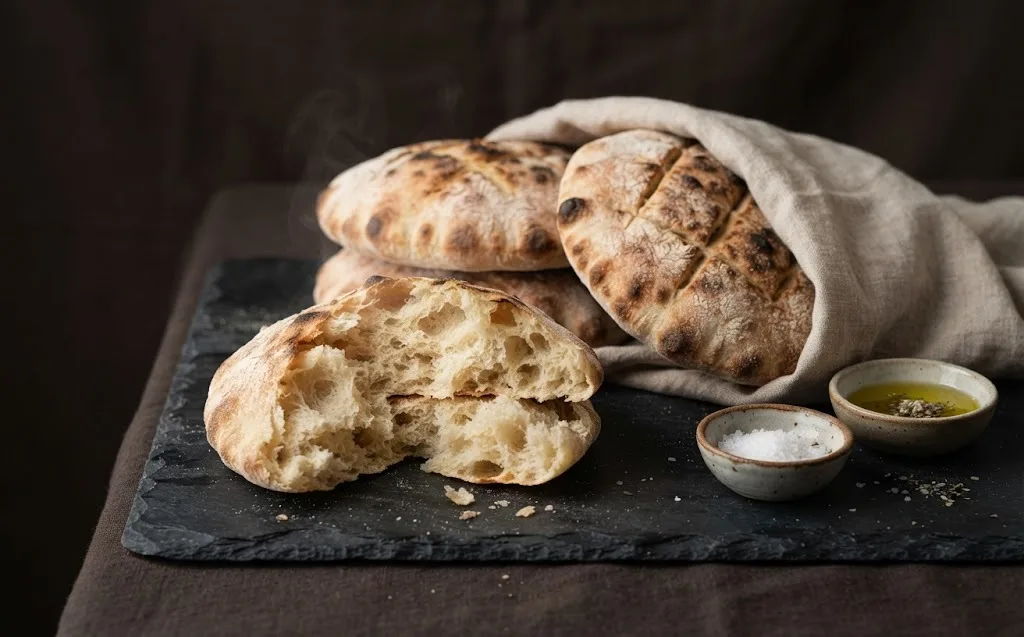
Spongy Balkan flatbread. The only authentic vessel for Cevapi.
 AI illustration
Breads / 2h 25m
Tirnakli Pide
Turkish "Fingernail" Bread. Chewy, dimpled flatbread essential for Adana Kebab.
Related Collections
Best Bread for Kebab, Shawarma, and Gyros
Learn which bread to use for kebab wraps, gyros, shawarma, doner, and grilled meat plates, including lavash, pita, pide, somun, lepinja, and durum.
Gyros, Shawarma, and Donair Guide
Compare gyros, shawarma, donair, souvlaki, and tawook with bread pairings, sauce choices, wrap assembly, and serving ideas.
Balkan Kebab Recipes: Cevapi, Somun, Lepinja, Raznjici
Compare Balkan kebab recipes, breads, and serving traditions including cevapi, somun, lepinja, raznjici, onion garnish, ajvar, and kajmak.
More Guides
Comparison
Gyros Vs Shawarma Vs Donair
Compare gyros, shawarma, and donair by meat style, bread, sauce, garnish, and wrap structure so you know which page to cook next.
Bread comparison
Lavash Vs Pita Vs Durum
Compare lavash, pita, and durum for kebab wraps so you know which bread to use for gyros, shawarma, Adana wraps, and sliced-meat rolls.
Oven guide
How to Cook Kebab in the Oven
Oven kebabs brown when the broiler is hot, the skewers sit on a rack over a tray and the meat is not crowded. Pan setup, timing and doneness for minced and chunked kebabs.
Equipment guide
Metal Vs Wooden Skewers For Kebab
Understand when to use metal or wooden skewers for kebab, plus why flat skewers matter for minced kebab and how oven use changes the choice.
Sauce guide
Best Sauce For Kebab
Find the best sauce for kebab, gyros, shawarma, and cevapi with a practical guide to yogurt sauces, garlic sauces, tahini, and chili styles.
Comparison
Adana Vs Urfa Kebab
Compare Adana and Urfa kebab by heat level, fat feel, pepper use, texture, and serving style so you know which one to cook.
Keep cooking
New to kebab? Start with the basic kebab method, then read about chopan kebab, halal snack pack or barg kebab.
How People Search for This
Readers find this page on Google with these searches:
what bread for kebab
Comments
Cooked it, changed something, or spotted a mistake? Say so here. Every comment is read before it is published.