This is one of the highest-value support topics for any kebab site because it solves a real failure point. A kebab that slides off the skewer wastes the meat, destroys confidence, and usually sends the cook back to search for a fix.
Technique guide
How To Keep Kebab On The Skewer
Learn how to keep kebab on the skewer with the right fat level, onion handling, kneading, skewer shape, and grill timing.
Updated 2026-04-25
Support guide
Search demand layer
The good news is that kebab collapse is usually mechanical, not mysterious. The mixture is often too wet, too lean, too warm, not kneaded enough, or shaped on the wrong skewer.
The fat and moisture balance
If the mixture is too lean, it dries and crumbles. If it is too wet, it turns soft and unstable. The common home mistake is grated onion that was never squeezed, or a marinade-style mindset applied to a minced kebab that should behave more like a structured meat paste.
For Adana-style and koobideh-style mixtures, squeeze onion liquid before mixing and keep the fat visible. The finished mixture should feel sticky and cohesive, not loose and soupy.
Why kneading matters
Minced kebabs need a tacky protein network. That comes from working the meat until it binds to itself and grips the flat skewer. Underworked meat may taste fine but still detach once the heat starts rendering the fat.
Cold hands, cold meat, and a short chill after shaping all help. Home cooks often skip the rest stage, then blame the grill when the real problem started in the bowl.
Use the right skewer and the right fire
Flat metal skewers give minced kebab more contact surface than thin round skewers. That makes a real difference. The meat has more edge to hold onto, and the first set happens faster once it hits the heat.
The fire also has to be strong but controlled. Let the kebab set before aggressive turning. If you shake it too early, or if fat flare-ups scorch the exterior before the inside firms, the kebab can tear away from the skewer.
Cook These Next

Lamb / 45m
Adana Kebab
The spicy gold standard of Turkish BBQ. Hand-minced lamb with tail fat. This version focuses on the Adana, Turkey style, with practical home-cooking guidance for texture, seasoning, and serving. Key ingredients include Lamb Meat (Leg/But and Flank/Bosluk - preferably Kivircik breed), Tail Fat (Kuyruk Yagi) - approx 1/3 of meat quantity, Red Peppers (Al Biber) - finely chopped, supported by the technique notes on the page. The method starts with hand-mince the Lamb (Leg & Flank) using a Zirh (curved blade) or sharp chef's knife. Do NOT use a grinder.
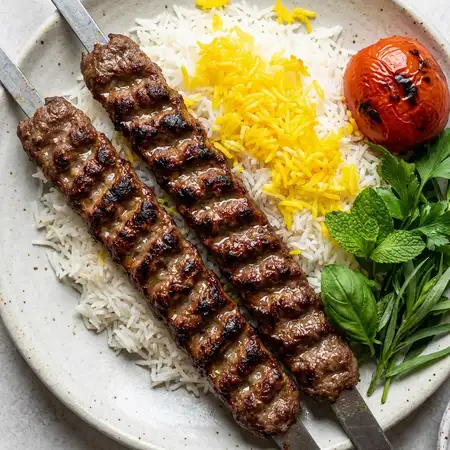
Beef / 2h 30m
Kabab Koobideh
The national dish of Iran. Ground meat with onion, grilled on wide skewers. This version focuses on the Iran style, with practical home-cooking guidance for texture, seasoning, and serving. Key ingredients include 1kg Ground Lamb/Beef (70% meat, 30% fat), 2 Large Onions (Grated & Squeezed Dry), 1 tsp Turmeric, supported by the technique notes on the page. The method starts with pREP ONIONS: Grate onions and squeeze them in a cloth until bone dry. Discard the juice (or save for other marinades).
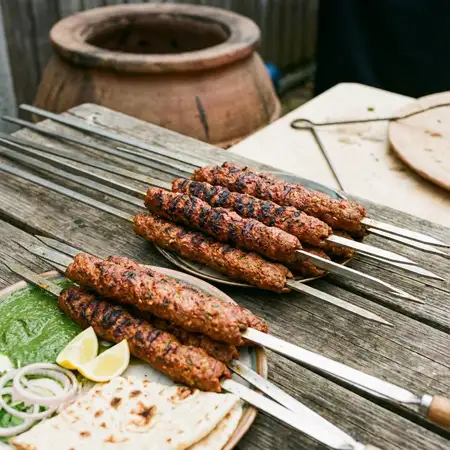
Beef / 1h
Seekh Kebab
Spiced minced meat cylinders cooked in a Tandoor. This version focuses on the New Delhi / Lahore style, with practical home-cooking guidance for texture, seasoning, and serving. Key ingredients include 500g Minced Beef/Lamb (20% Fat), 1 Onion (Chopped & Squeezed Dry), 1 tbsp Ginger-Garlic Paste, supported by the technique notes on the page. The method starts with pREP: Squeeze onions bone dry. This is critical.
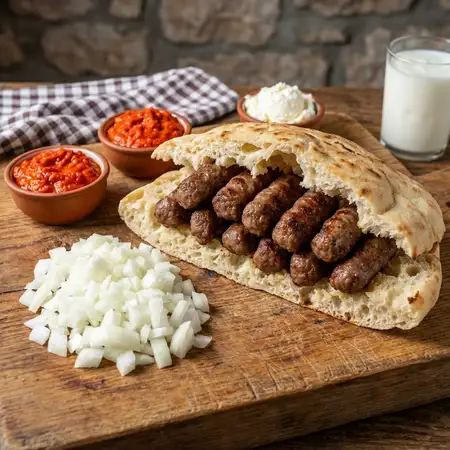
Beef / 24h
Cevapi (Cevapcici)
Small skinless grilled thick sauasages. The soul food of the Balkans. This version focuses on the Sarajevo, Bosnia style, with practical home-cooking guidance for texture, seasoning, and serving. Key ingredients include 1kg Beef Chuck (80/20 fat, Minced twice), 1/2 cup Garlic Water (Boiled water infused with 5 garlic cloves, strained), 2 tsp Salt, supported by the technique notes on the page. The method starts with pREP: Mince the beef twice for a fine grain. Cool the garlic water completely.
Related Collections
Turkish Kebab Guides
A focused collection for Turkish kebab styles including Adana, Urfa, Cag, Iskender, and supporting bread pages.
Persian Kebab Recipes
A collection of Persian grilling styles, from koobideh and barg to joojeh and other skewer traditions.
Indian Kebab Recipes
A collection of Indian kebab styles, from seekh and galouti to boti, reshmi, and green-marinated skewers.
More Guides
Meat guide
Best Meat For Kebab
Choose the best meat for kebab, kabob, and kabab based on fat ratio, cut, grind, and cooking style for skewers, wraps, and plates.
Bread guide
Best Bread For Kebab Wraps
Choose the best bread for kebab wraps, gyros, shawarma, doner, and plate service with lavash, pita, somun, pide, and durum explained clearly.
Comparison
Gyros Vs Shawarma Vs Donair
Compare gyros, shawarma, and donair by meat style, bread, sauce, garnish, and wrap structure so you know which page to cook next.
Bread comparison
Lavash Vs Pita Vs Durum
Compare lavash, pita, and durum for kebab wraps so you know which bread to use for gyros, shawarma, Adana wraps, and sliced-meat rolls.
Oven guide
How To Cook Kebab In The Oven
Learn how to cook kebab in the oven with better browning, broiler timing, pan setup, and moisture control for minced and chunked kebabs.
Equipment guide
Metal Vs Wooden Skewers For Kebab
Understand when to use metal or wooden skewers for kebab, plus why flat skewers matter for minced kebab and how oven use changes the choice.