Complete guide

How To Make A Kebab

A complete home-cooking guide for juicy grilled kebabs, flatbread, sauces, and serving.

By How To Make A Kebab Editorial Team Updated 2026-04-22 4 servings About 1 hour 7 step method Meat, bread, sauce, fire
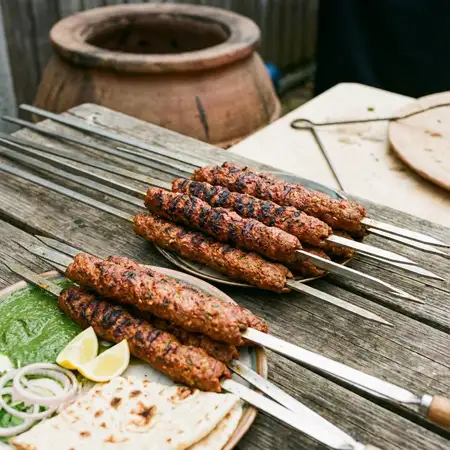
Grilled Adana-style kebab served with bread and vegetables
Guide Navigation

Kebab Recipe Card

Use this as the base formula, then choose a regional recipe below for exact seasoning and serving style.

Ingredients

  • 800 g lamb, beef, chicken, or mixed minced meat
  • 150 g lamb tail fat, beef fat, or chicken thigh fat when needed
  • 1 medium onion, grated and squeezed dry
  • 2 garlic cloves, crushed into a paste
  • 2 teaspoons fine salt
  • 1 teaspoon black pepper
  • 1 teaspoon paprika or mild red pepper flakes
  • 1 teaspoon cumin or regional kebab spice blend
  • Fresh parsley, chopped, optional
  • Flatbread, lavash, pita, or durum bread for serving
  • Grilled tomato, grilled pepper, onion salad, yogurt sauce, or chili sauce for serving

Step By Step Method

  1. 1

    Choose the right meat and fat

    Use meat with enough fat to stay juicy. Lamb shoulder, beef rib, chicken thigh, or a mixed mince works better than very lean meat. For skewer kebabs, a visible fat ratio helps the meat grip and keeps the center tender.

  2. 2

    Season without making the mixture watery

    Add salt, spices, garlic, and squeezed onion. If onion releases too much liquid, squeeze it before mixing so the kebab does not become loose or pasty.

  3. 3

    Knead until the meat turns sticky

    Work the mixture for 5 to 10 minutes until it becomes tacky and cohesive. This protein development is what helps kebabs hold together on skewers or in patties.

  4. 4

    Rest the mixture before shaping

    Cover and refrigerate the mixture for at least 30 minutes. Resting lets salt penetrate, firms the fat, and makes the kebab easier to shape.

  5. 5

    Shape evenly

    For skewers, press the meat firmly around wide flat skewers and keep an even thickness. For patties or kofta, shape compact logs so they cook at the same speed.

  6. 6

    Cook over hot, controlled heat

    Use hot charcoal, a grill pan, broiler, or cast iron pan. The goal is fast browning outside and juicy meat inside, not flames that scorch the surface before the center cooks.

  7. 7

    Rest briefly and serve immediately

    Let the kebab rest for a minute or two, then serve with warm bread, grilled vegetables, onion salad, and sauce. Warm bread catches juices and makes the plate feel complete.

What Makes A Good Kebab

A good kebab is not only meat on a stick. It is a balance of fat, seasoning, texture, heat, bread, and garnish.

The best home version starts with choosing the right style: minced skewer kebab, chopped meat kebab, sliced doner-style meat, chicken kebab, or a vegetarian wrap.

Once the style is clear, every decision gets easier: leaner meats need more care, minced kebabs need kneading, and bread-based kebabs need sauce and structure.

Meat, Fat, And Texture

Lean meat often gives dry kebabs. Lamb shoulder, beef rib, chicken thigh, and fatty mince are more forgiving because they stay juicy under high heat.

For Adana-style or koobideh-style skewers, fat is part of the structure. It keeps the kebab moist and helps the meat cling to the skewer.

If using chicken, choose thigh rather than breast for most kebabs. Breast can work, but it needs a gentler marinade and shorter cooking time.

Seasoning And Marinade

Minced kebabs usually need salt, pepper, onion, garlic, and warm spices. Whole pieces often benefit from yogurt, lemon, oil, garlic, and spices.

Do not drown minced kebab mixture in liquid marinade. Excess moisture makes the mixture soft and increases the chance of falling apart.

For regional flavor, use paprika and red pepper for Turkish styles, cumin and herbs for kofta, saffron and onion for Persian styles, or yogurt and spice paste for chicken kebabs.

Grilling Without Drying Out

High heat is useful, but uncontrolled flames are not. Flames leave soot and burn spices before the center cooks.

Turn skewers only when the surface has set. Moving too early can tear the meat or make it slide.

If cooking indoors, cast iron gives a stronger crust than a thin nonstick pan. Preheat it properly, then cook in batches so the kebabs sear instead of steam.

Bread, Sauce, And Serving

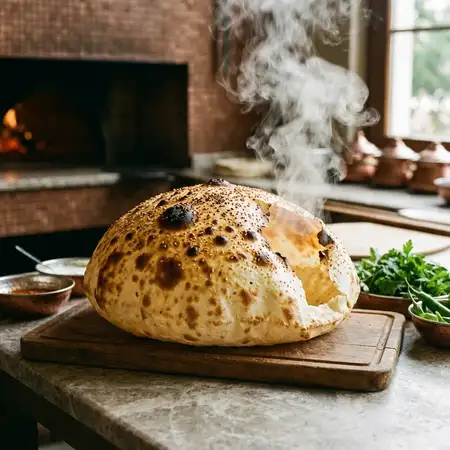
Bread is part of the kebab, not an afterthought. Lavash, pita, durum bread, or soft flatbread catches juices and makes the meal feel complete.

A simple onion salad with sumac, parsley, and lemon cuts through rich meat. Grilled tomatoes and peppers add sweetness and smoke.

Use sauce with restraint. Yogurt sauce, chili sauce, garlic sauce, or tahini can help, but the kebab should still taste like the meat and fire.

Common Mistakes

  • Using meat that is too lean.
  • Adding wet onion without squeezing it.
  • Skipping the kneading stage for minced kebabs.
  • Shaping uneven skewers that cook at different speeds.
  • Cooking over aggressive flames instead of steady heat.
  • Serving on cold bread that cannot absorb juices.

Kebab FAQ

What is the best meat for homemade kebab?

Lamb shoulder, beef rib mince, chicken thigh, or a mixed mince are strong choices because they have enough fat and flavor. Very lean meat is more likely to dry out.

Why do kebabs fall off skewers?

The most common reasons are too much liquid, not enough fat, not enough kneading, or using thin round skewers. The meat should be sticky and shaped tightly around wide flat skewers.

Can I make kebab without a charcoal grill?

Yes. A hot cast iron pan, grill pan, oven broiler, or outdoor gas grill can work. Charcoal gives the strongest smoke, but the key is controlled high heat.

How long should kebab meat rest before cooking?

At least 30 minutes helps. For minced kebabs, a longer chill makes shaping easier and lets salt and spices season the meat more evenly.

What should I serve with kebab?

Warm flatbread, grilled tomato, grilled pepper, onion salad, yogurt sauce, chili sauce, rice, or fresh herbs all work well depending on the regional style.

Explore The Kebab System

Use the main guide as the starting point, then move into regional recipes, breads, wraps, and vegetarian options.

Choose A Regional Kebab Next

The guide gives the foundation. These pages go deeper into specific regional techniques, breads, and serving formats.

Adana Kebab
Lamb / 45m

Adana Kebab

The spicy gold standard of Turkish BBQ. Hand-minced lamb with tail fat. This version focuses on the Adana, Turkey style, with practical home-cooking guidance for texture, seasoning, and serving. Key ingredients include Lamb Meat (Leg/But and Flank/Bosluk - preferably Kivircik breed), Tail Fat (Kuyruk Yagi) - approx 1/3 of meat quantity, Red Peppers (Al Biber) - finely chopped, supported by the technique notes on the page. The method starts with hand-mince the Lamb (Leg & Flank) using a Zirh (curved blade) or sharp chef's knife. Do NOT use a grinder.

Cevapi (Cevapcici)
Beef / 24h

Cevapi (Cevapcici)

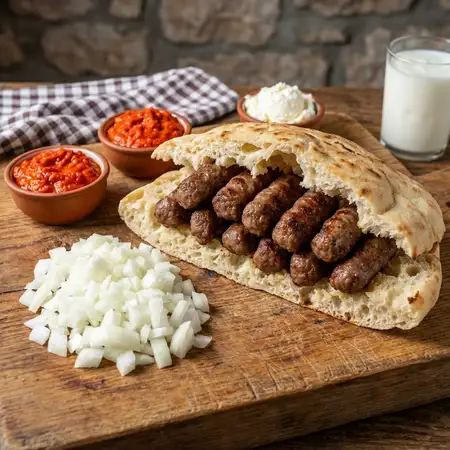
Small skinless grilled thick sauasages. The soul food of the Balkans. This version focuses on the Sarajevo, Bosnia style, with practical home-cooking guidance for texture, seasoning, and serving. Key ingredients include 1kg Beef Chuck (80/20 fat, Minced twice), 1/2 cup Garlic Water (Boiled water infused with 5 garlic cloves, strained), 2 tsp Salt, supported by the technique notes on the page. The method starts with pREP: Mince the beef twice for a fine grain. Cool the garlic water completely.

Kabab Koobideh
Beef / 2h 30m

Kabab Koobideh

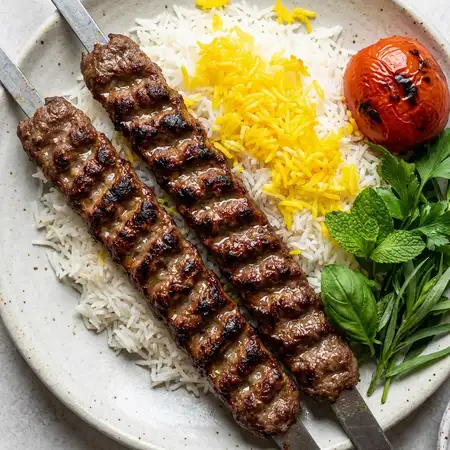
The national dish of Iran. Ground meat with onion, grilled on wide skewers. This version focuses on the Iran style, with practical home-cooking guidance for texture, seasoning, and serving. Key ingredients include 1kg Ground Lamb/Beef (70% meat, 30% fat), 2 Large Onions (Grated & Squeezed Dry), 1 tsp Turmeric, supported by the technique notes on the page. The method starts with pREP ONIONS: Grate onions and squeeze them in a cloth until bone dry. Discard the juice (or save for other marinades).

Durum Bread (Turkish Lavash)
Lamb / 45m

Durum Bread (Turkish Lavash)

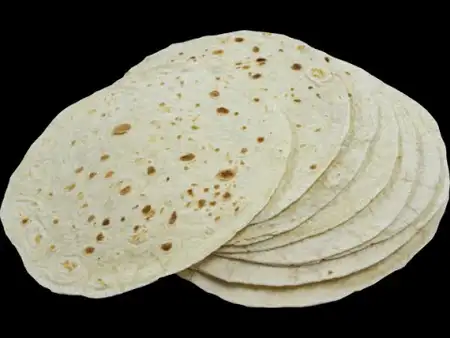
The ancient flatbread of Anatolia. Necessary for any authentic Kebab experience. This version focuses on the Adana, Turkey style, with practical home-cooking guidance for texture, seasoning, and serving. Key ingredients include 1 Adana Kebab Skewer (Cooked), 1 Sheet Fresh Lavas Bread, Sumac Onions (Red onion + Parsley + Sumac), supported by the technique notes on the page. The method starts with wARM: Press the Lavas bread onto the grilling kebab to absorb the flavorful fat.