Breads / Kebab

Tirnakli Pide

By How To Make A Kebab Editorial Team Updated April 25, 2026

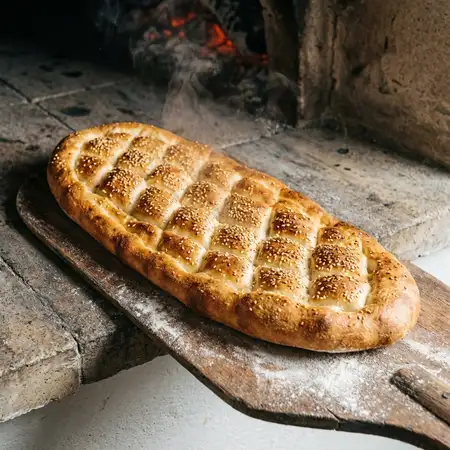
Turkish "Fingernail" Bread. Chewy, dimpled flatbread essential for Adana Kebab. This version focuses on the Turkey style, with practical home-cooking guidance for texture, seasoning, and serving. Key ingredients include 1kg Bread Flour, 750ml Warm Water (High Hydration), 10g Instant Yeast, supported by the technique notes on the page. The method starts with dOUGH: Mix flour, water, yeast, and salt. It will be very sticky. Glue-like consistency is correct. Origin: Turkey. Region: Turkey. Find the ingredients, method, and serving notes for a more authentic homemade version.

Prep Time
2h
Difficulty
Medium
Method
Kebab
Origin
Turkey
Fingerprint Bread Tirnak Pidesi
Tirnakli Pide
On This Recipe

Recipe At A Glance

Origin

Turkey

Style

Bread and wrap support

Prep time

2h

Best with

Warm bread, onion, and one focused sauce

About This Recipe

Tirnakli Pide is a classic Turkey dish that rewards attention to texture, heat, and serving balance.

Use this guide to follow the ingredients, method, and serving pattern that suit Tirnakli Pide best at home.

Ingredients You'll Need

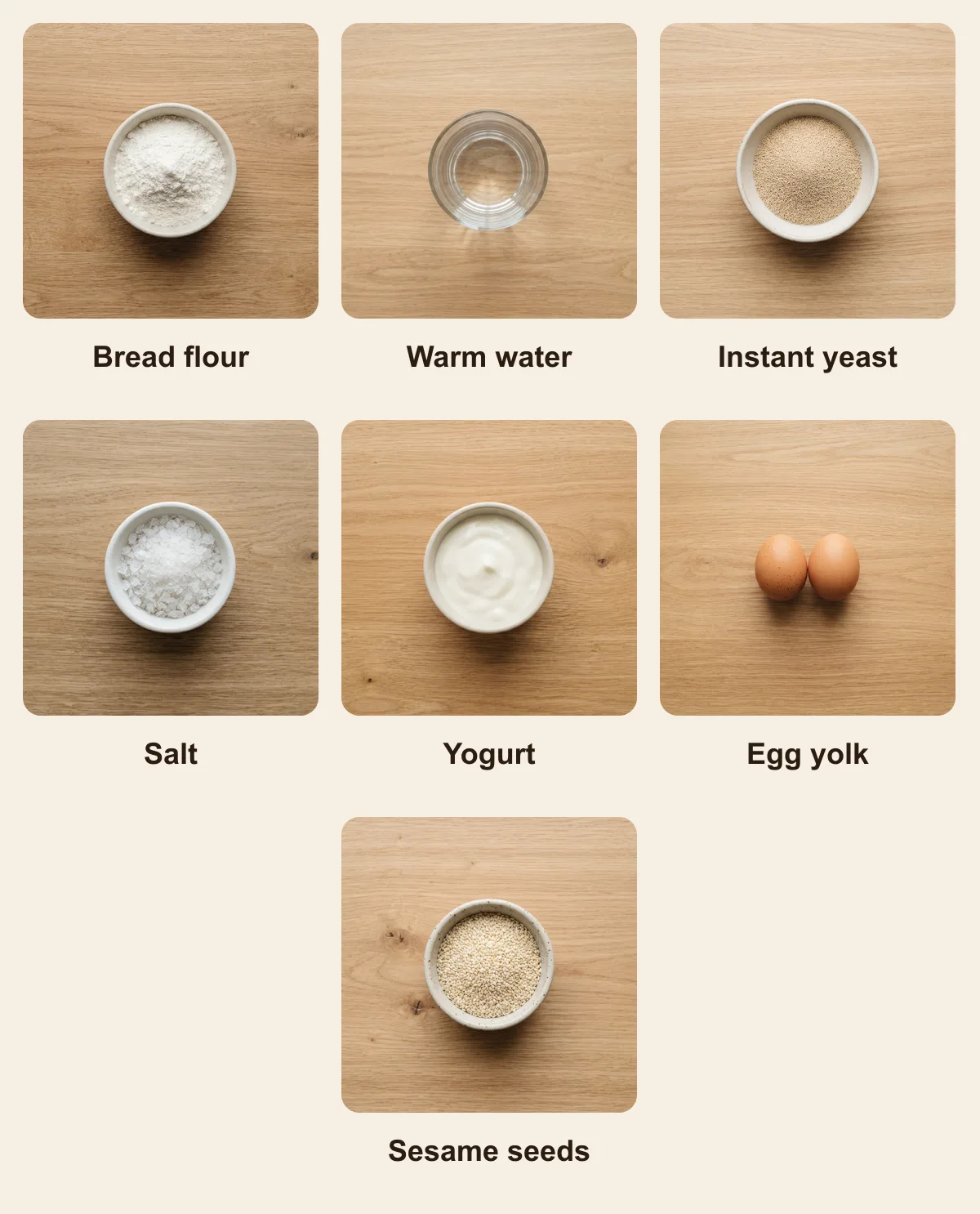
  • 1kg Bread Flour
  • 750ml Warm Water (High Hydration)
  • 10g Instant Yeast
  • 20g Salt
  • Topping: Yogurt & Egg Yolk Wash (Bulamac)
  • Sesame Seeds

Why This Recipe Works

  • Tirnakli Pide works best when the core ingredients stay clear and balanced: 1kg Bread Flour, 750ml Warm Water (High Hydration), 10g Instant Yeast.
  • Its character depends on respecting the texture, shaping, and heat that this style expects.
  • The final result improves when the cooking and the serving style are treated as one complete dish rather than separate steps.

How To Make Tirnakli Pide

  1. 1

    DOUGH: Mix flour, water, yeast, and salt. It will be very sticky. Glue-like consistency is correct.

    View dia 1
    Tirnakli Pide step 1 visual guide
    Step visual

    Visual cue for method step 1

  2. 2

    PROOF: Let it rise for 1 hour until doubled.

    View dia 2
    Tirnakli Pide step 2 visual guide
    Step visual

    Visual cue for method step 2

  3. 3

    SHAPE: Divide into 300g balls. Rest on well-floured surface.

    View dia 3
    Tirnakli Pide step 3 visual guide
    Step visual

    Visual cue for method step 3

  4. 4

    PRESS: Flatten ball into an oval. Mix yogurt and egg yolk. Dip fingers in wash.

    View dia 4
    Tirnakli Pide step 4 visual guide
    Step visual

    Visual cue for method step 4

  5. 5

    MARK: Use fingertips to press DEEP indentations in a grid pattern. Press hard, almost to the bottom.

    View dia 5
    Tirnakli Pide step 5 visual guide
    Step visual

    Visual cue for method step 5

  6. 6

    BAKE: Slide onto a hot stone at MAX temp (250°C-300°C) for 8-10 mins until golden.

    View dia 6
    Tirnakli Pide step 6 visual guide
    Step visual

    Visual cue for method step 6

Expert Tips From Our Kitchen

Chef note

If you don't press deep enough, it will puff up like a pita. You want the dimples to stay flats.

Common Mistakes

  • Rushing the preparation before Tirnakli Pide has the texture and structure it needs.
  • Using the wrong heat level and losing the balance between browning outside and tenderness inside.
  • Serving it without the bread, garnish, or plating details that make the recipe feel complete.

Serving, Storage, And Reheating

Serving Notes

Serve Tirnakli Pide with the breads, garnishes, or grilled sides that match its regional style.

Keep the plate simple enough for Tirnakli Pide to stay central, then add breads, vegetables, or sauces that support the main flavors.

If you are building a fuller meal, pair it with one bread or side from the same regional family instead of mixing too many competing elements.

Recipe Notes

History and Origins of Tirnakli Pide

Tirnakli Pide belongs to the practical bread culture of Turkey, where bread is not a side note but part of the meal structure. In kebab cooking, the bread decides whether the dish becomes a wrap, a sandwich, a tear-and-share table plate, or a base that catches meat juices. That is why a bread recipe deserves the same respect as the skewer that sits beside it.

Historically, breads like this were shaped around heat: hot stones, domed griddles, clay ovens, tandoors, saj plates, or fierce deck ovens. The exact tool changes from region to region, but the goal stays familiar: a bread that cooks fast, stays flexible, and carries grilled meat, sauces, onions, herbs, or roasted vegetables without falling apart.

A strong home version of Tirnakli Pide should taste like it belongs at the kebab table. It needs enough structure to hold fillings, enough tenderness to fold or tear, and enough surface character to absorb fat, yogurt, tahini, tomato sauce, or garlic sauce. When the bread is right, the whole plate feels intentional instead of assembled from separate parts.

The Why Behind the Ingredients

The ingredient list for Tirnakli Pide looks humble, but bread is always about ratios. Flour gives structure, water controls softness and extensibility, salt tightens flavor, and yeast or starter decides how much aroma and lift the finished bread carries. Small changes in hydration can turn the same dough from foldable to brittle.

Fat, yogurt, milk, sugar, seeds, or glaze are not random extras when they appear in this recipe. They change browning, tenderness, surface shine, and how the bread behaves around hot fillings. A kebab bread must be flexible while warm and still pleasant after it cools slightly, because real service rarely happens in a perfect thirty-second window.

The key ingredients here are 1kg Bread Flour, 750ml Warm Water (High Hydration), 10g Instant Yeast, 20g Salt, and Topping: Yogurt & Egg Yolk Wash (Bulamac). Treat them as a system. If the dough is too dry, the bread cracks; if it is too wet, it becomes hard to shape; if it is under-salted, it tastes like plain flour beside a strongly seasoned kebab. Balance matters more than adding more ingredients.

Mastering the Technique

For Tirnakli Pide, dough feel matters more than the clock. Knead until the surface becomes smoother and elastic, then rest long enough for the dough to relax. A tense dough fights the rolling pin and shrinks back; a relaxed dough opens easily and bakes more evenly.

Shape with a light hand. Heavy pressing knocks out useful gas and can make the finished bread dense. Dust only as much flour as you need, because excess flour burns on the cooking surface and leaves a dry taste. The best kebab breads are handled confidently but not punished.

Heat must be ready before the bread touches it. Whether you use a skillet, stone, oven, saj, or steel, the surface should be hot enough to set the bread quickly. Low heat dries bread out slowly; strong heat creates puff, color, and flexibility. Stack finished breads under a towel so steam keeps them soft.

How to Serve It Like a Kebab Shop

Tirnakli Pide should reach the table warm, flexible, and ready to work. If it is used for wraps, warm it just before filling so it bends without cracking. If it is used under grilled meat, let it catch a little fat or sauce so the bread becomes part of the flavor instead of sitting dry on the plate.

For a kebab-shop style meal, match the bread to the filling. Juicy minced skewers need bread that can absorb fat; sliced doner or gyros needs bread that can fold tightly; slow-cooked meat needs bread strong enough to carry sauce. Tirnakli Pide should be chosen because it solves that serving problem.

Do not serve this bread cold from the counter if the rest of the plate is hot. Even a well-made bread feels tired when it is cold. Wrap finished pieces in a towel, reheat gently, and keep them covered until the meat, vegetables, or sauce are ready.

Regional Context and What Makes It Different

Tirnakli Pide should be understood through the food habits of Turkey. The local bread, preferred fat, fuel, spices, serving temperature, and garnish all shape the dish. When a recipe is copied without that context, it usually becomes a plain version of itself: edible, but no longer specific.

This is why the details matter. A Turkish minced skewer, a Balkan cevap, a Persian kabab, a Greek wrap, a Levantine shawarma, an Indian tandoor kebab, or a kebab bread may all share fire and bread, but they do not share the same goal. Each one asks for a different texture, different restraint with spices, and a different finish at the table.

For Tirnakli Pide, the strongest home version keeps the origin in mind without pretending that a home kitchen is a restaurant pit. Use the tools you have, but keep the priorities intact: the correct texture, the correct heat, and a serving style that makes sense for the dish.

That approach is also what separates useful recipe writing from a thin ingredient list. The recipe is not only what goes into the bowl. It is the reason those ingredients are there, the way the cook judges doneness, and the way the finished food is eaten while still hot.

Step by Step Cooking Logic

The first step is preparation, not cooking. For this recipe, the opening move is: DOUGH: Mix flour, water, yeast, and salt. It will be very sticky. Glue-like consistency is correct. Read that as a texture instruction as much as a task. A kebab, bread, sauce, or wrap can fail before heat appears if the pieces are cut poorly, the dough is too tight, the mixture is too wet, or the marinade is unbalanced.

The middle stage is where patience matters. Give the mixture, dough, meat, sauce, or filling enough time to become coherent. Resting is not empty waiting; it lets flour hydrate, salt season, fat firm up, acid mellow, spices bloom, or proteins bind. Skipping that stage is one of the fastest ways to make food that looks right but tastes shallow.

Heat should be chosen for the result you want. Tirnakli Pide works best when a hot stone, skillet, saj, tandoor, steel, or oven surface is used with control. Low heat is rarely the friend of kebab-style food unless the recipe is intentionally slow-cooked. Most of these dishes need decisive heat at the right moment so the outside sets before the inside dries out.

The final step is service: BAKE: Slide onto a hot stone at MAX temp (250°C-300°C) for 8-10 mins until golden. A kebab recipe is incomplete if it stops at cooked meat or baked bread. The last minute with bread, onions, herbs, yogurt, tahini, tomato, pickles, rice, butter, or sauce often decides whether the dish feels authentic or unfinished.

Texture and Doneness Cues

The finished texture for Tirnakli Pide should be flexible, warm, and strong enough to hold fillings without cracking. Do not judge only by time, because thickness, heat strength, pan material, dough hydration, meat cut, and room temperature can all change the clock. Learn the visual and tactile cues instead.

Browning should look appetizing, not accidental. Golden bread, charred pepper edges, browned meat ridges, blistered paneer, crisp falafel crust, or lightly caramelized sauce-covered pieces are all good signs when they match the recipe. Flat gray meat or pale bread usually means too much moisture or not enough heat.

Juiciness has to be protected. Meat recipes need enough fat, correct resting, and the discipline to stop cooking before the center tightens. Bread recipes need steam and coverage after cooking. Sauces need enough body to cling. Vegetarian recipes need contrast so the inside does not feel pasty.

If you are unsure, test a small portion before committing the whole batch. A tiny pan test can reveal salt level, binding, wetness, heat response, and texture problems. Pitmasters and bakers do this instinctively; home cooks should use the same habit.

Flavor Balance and Seasoning Adjustments

The main flavor structure of Tirnakli Pide comes from 1kg Bread Flour, 750ml Warm Water (High Hydration), 10g Instant Yeast, 20g Salt, and Topping: Yogurt & Egg Yolk Wash (Bulamac). Those ingredients should be easy to taste in the final dish. If the seasoning hides the main ingredient completely, the recipe has lost its center. If the main ingredient tastes plain, the seasoning has not done enough work.

Salt is the quiet foundation. It controls flavor, but it also affects texture in meats, doughs, and some vegetable mixtures. Add it with intention and taste when possible. Under-salted kebab food tastes dull even when the grill marks look perfect; over-salted food makes every garnish feel desperate.

Acid, heat, sweetness, herbs, smoke, and fat should pull against each other. Lemon, vinegar, yogurt, tomato paste, pomegranate molasses, onion, garlic, pepper, mint, parsley, sumac, saffron, butter, olive oil, or tail fat each changes the balance. Do not add more of everything. Adjust the element that is missing.

At serving time, use garnishes as seasoning tools. Raw onion sharpens richness, herbs lift fat, yogurt cools spice, pickles cut heaviness, warm bread absorbs juices, and grilled vegetables add sweetness. The garnish is not decoration; it is the final seasoning layer.

Make Ahead, Storage, and Reheating Strategy

Tirnakli Pide can usually be prepared in stages, but the best stage to pause depends on the style. Dough can often rest cold, meat mixtures can be chilled before shaping, marinades can work ahead of time, and sauces often improve after resting. Finished kebabs, however, are almost always best right after cooking.

Store components separately when possible. Keep bread wrapped, sauce covered, raw mixtures chilled, and cooked meat away from watery garnishes. If everything is packed together too early, bread gets soggy, herbs wilt, browned edges soften, and the careful texture you built disappears.

Reheating should be gentle but purposeful. Bread needs steam or a covered pan, meat needs moderate heat so fat softens without drying, sauces need stirring, and fried or roasted vegetarian pieces may need a hot pan or oven to bring back the edge. Microwaving everything together is the fastest way to lose contrast.

For food safety, keep raw meat, raw poultry, dairy sauces, and cooked food in separate containers and chill them promptly. Recipe tradition is important, but it never replaces clean handling, safe storage, and proper reheating in a home kitchen.

Common Mistakes and How to Fix Them

The first mistake is treating Tirnakli Pide like a generic template. If you ignore the origin, bread, garnish, fat level, or heat style, the dish may still be edible, but it will not feel like itself. The fix is to choose one clear regional direction and support it all the way through the plate.

The second mistake is confusing more ingredients with more authority. Many classic kebab dishes are powerful because they are focused. Additions should solve a problem: tenderness, moisture, acidity, aroma, color, or structure. If an ingredient does not have a job, leave it out.

The third mistake is weak heat management. Most kebab food needs decisive heat at some stage, even if part of the recipe is slow or gentle. Without browning, blistering, roasting, puffing, or charring, the final flavor stays flat. Control heat instead of fearing it.

The fourth mistake is serving too late. Bread cools, fat tightens, sauce thickens, herbs wilt, and grilled edges soften. Set the table before the final cooking stage so Tirnakli Pide can be eaten when it has the most aroma, texture, and confidence.

Home Kitchen Testing Notes

A serious home recipe should be repeatable, not lucky. The first time you cook Tirnakli Pide, write down the thickness, resting time, heat source, cooking time, and any changes you made to the ingredients. Those details help you understand the recipe as a method instead of treating it like a fixed list that either works or fails.

If your kitchen does not have the exact traditional tool, replace the function of the tool rather than only its shape. A charcoal mangal gives dry, direct heat and smoke; a broiler gives top heat; cast iron gives contact browning; a baking steel or stone gives bottom heat for bread. Choose the substitute that recreates the job the original tool was doing.

Batch size also changes results. A small batch of Tirnakli Pide warms quickly, loses moisture quickly, and is easier to season evenly. A large batch needs colder handling, more space, and more disciplined timing. When scaling up, mix and cook in portions so the food keeps the same texture from the first piece to the last.

Use smell as a real cooking signal. Raw onion, garlic, flour, yogurt, spices, lamb fat, chickpeas, herbs, and pepper all smell different when they are raw, cooked, toasted, or burned. When the aroma turns sweet, nutty, grilled, or pleasantly sharp, you are usually close. When it turns bitter or dusty, the heat or timing needs correction.

The best test is the first bite without too many extras. Taste Tirnakli Pide plain before adding a full plate of bread, salad, pickles, yogurt, hot sauce, or rice. If it tastes balanced on its own, the accompaniments will make it better. If it needs the garnish to hide dryness, blandness, bitterness, or poor texture, fix the base recipe before the next batch.

One useful habit is to separate the first serving from the main batch. Cook one small test piece, taste it, and decide whether the mixture needs more salt, more rest, more acid, more heat, or a colder handling stage. This small test protects the whole recipe and makes the final serving calmer.

Think about moisture at every stage. Raw mixtures can look correct but still release liquid after resting; breads can dry while waiting to cook; sauces can thicken after chilling; grilled pieces can lose juice if sliced or served too late. Managing moisture is often the difference between a recipe that tastes homemade and one that tastes carefully prepared.

These notes matter because they turn Tirnakli Pide into practical culinary guidance instead of a bare list. A reader should leave knowing not only the ingredient list, but why the dish behaves the way it does, how to diagnose problems, and how to make a more confident second attempt in a normal home kitchen.

Frequently Asked Questions

What matters most when making Tirnakli Pide?

Focus on the texture, cooking method, and serving balance first, because those details define whether Tirnakli Pide feels convincing.

Can I prepare Tirnakli Pide ahead of time?

You can prepare parts of Tirnakli Pide ahead of time, then finish cooking and serving closer to the meal for the best texture. The current prep window is about 2h.

What should I serve with Tirnakli Pide?

Serve Tirnakli Pide with the breads, garnishes, or grilled sides that match its regional style.

Why is my Tirnakli Pide tough instead of soft?

The usual causes are too little water, too much bench flour, under-rested dough, or low cooking heat. Tirnakli Pide needs enough hydration and enough rest for the dough to relax, then a hot surface so it cooks quickly without drying out.

Can I make Tirnakli Pide ahead of time?

Yes. Cook it, wrap it in a clean towel while warm, then store it airtight. Reheat gently in a covered pan or wrapped in foil so steam brings back flexibility instead of making the bread brittle.

Why did my Tirnakli Pide not puff or blister?

The heat was probably too low, the dough was rolled unevenly, or the dough dried out before cooking. Keep the surface hot, roll evenly, and cover the shaped dough while waiting so the outside stays supple.

Related Recipes

Balloon Lavas

Thin, hollow flatbread that puffs up like a balloon in the oven. Spectacular presentation. This version focuses on the Turkey style, with practical home-cooking guidance for texture, seasoning, and serving. Key ingredients include 500g All-Purpose Flour, 300ml Warm Water, 1 tsp Salt, supported by the technique notes on the page. The method starts with dOUGH: Knead flour, water, salt, sugar to a soft, pliable dough. Rest 30 mins.

Somun (Lepinja)

Spongy Balkan flatbread. The only authentic vessel for Cevapi. This version focuses on the Balkans style, with practical home-cooking guidance for texture, seasoning, and serving. Key ingredients include 1kg Flour, 700ml Water, 10g Dry Yeast, supported by the technique notes on the page. The method starts with dOUGH: Make a wet dough. Let rising 3 times (punch down in between).

Nan-e Sangak

Persian Pebble Bread. Large whole wheat flatbread baked on hot stones. This version focuses on the Iran style, with practical home-cooking guidance for texture, seasoning, and serving. Key ingredients include Whole Wheat Flour, Sourdough Starter (or Yeast), Water, supported by the technique notes on the page. The method starts with pREP: Clean and sanitize river pebbles. Heat them in the oven.

Tandoori Naan

Leavened Indian flatbread slapped onto the walls of a clay oven. This version focuses on the India / Pakistan style, with practical home-cooking guidance for texture, seasoning, and serving. Key ingredients include 500g White Flour (Maida), 1/2 cup Yogurt (for softness), 1 tsp Baking Powder & 1/4 tsp Baking Soda, supported by the technique notes on the page. The method starts with dOUGH: Mix dry ingredients. Knead with yogurt and warm milk. Rest 2-3 hours.