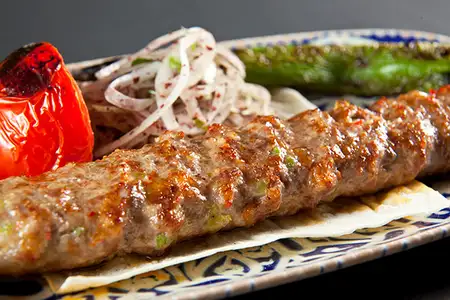
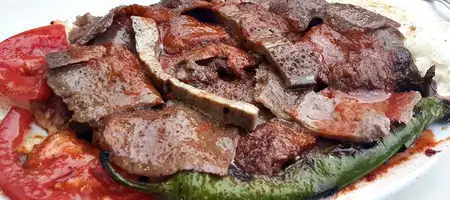
An old Ottoman 'bowl kebab' of beef or lamb cubes braised slowly with onions and tomato until spoon-tender, often served with rice or mashed potatoes. It shows how the word kebab originally covered pot-cooked meat, not just grilled.
Also known as: tas kebabı, tas kebab, bowl kebab, Ottoman tas kebabı
Visual recipe guide
The strip drifts on its own — hover any dia to pause and zoom.
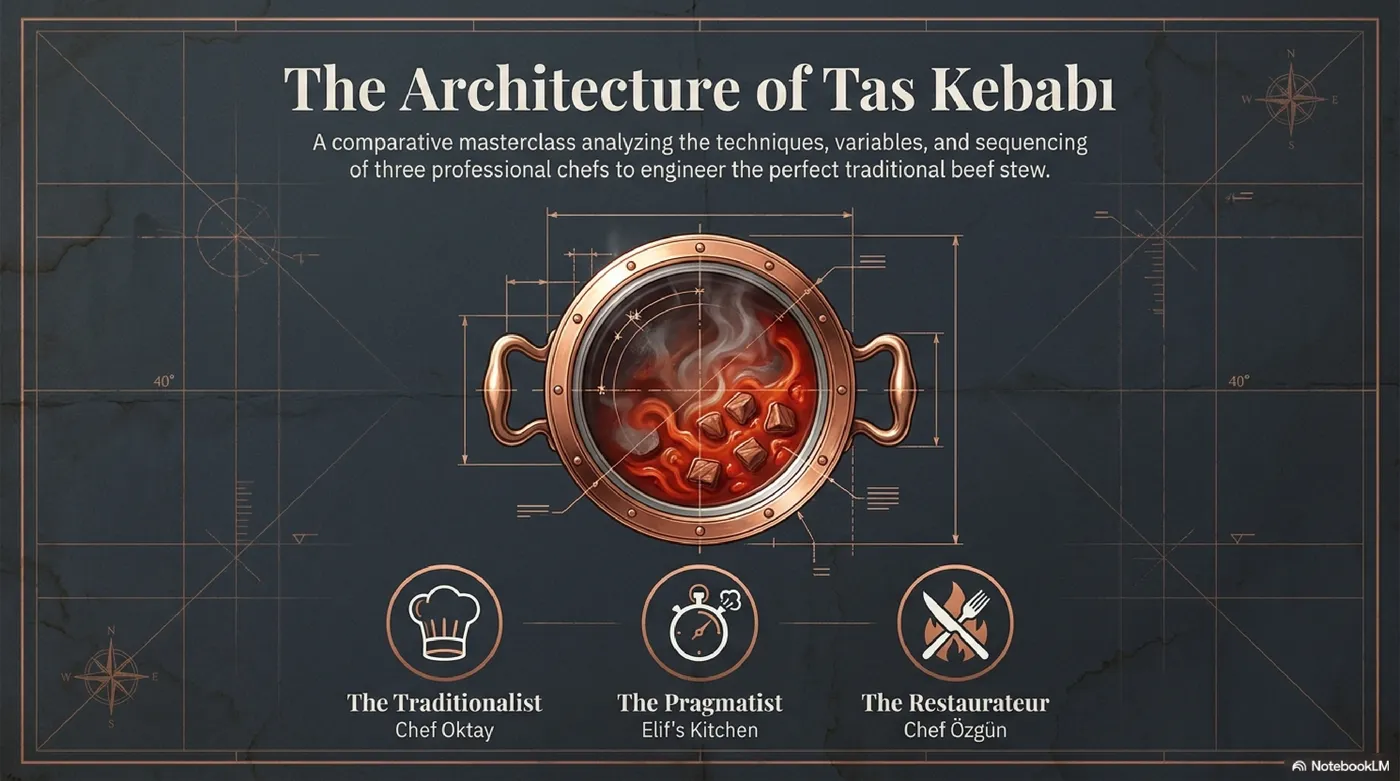
Watch it made
Ingredients
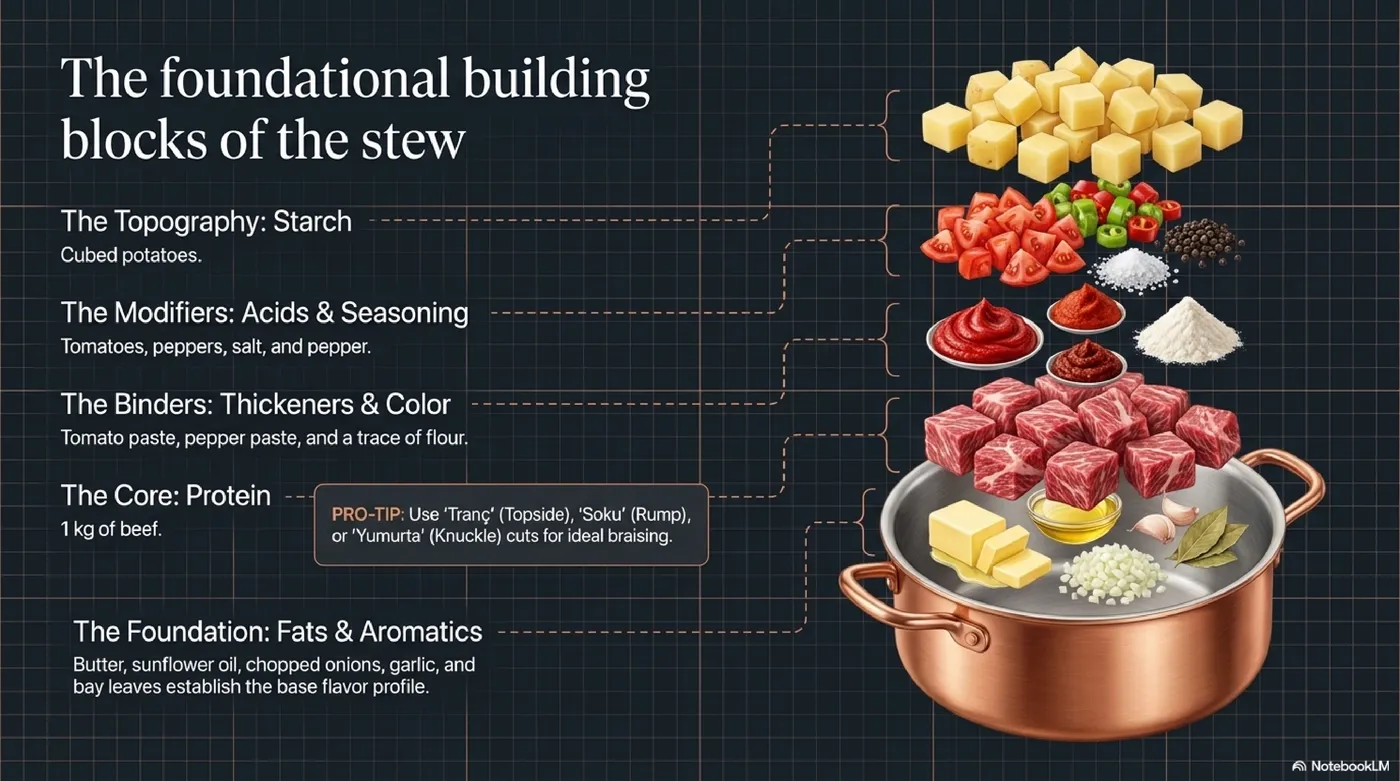
- 800 g beef chuck or lamb shoulder, in 3 cm cubes
- 30 g butter plus 30 ml sunflower oil
- 2 onions, chopped
- 30 g tomato paste
- 2 ripe tomatoes, grated
- 250 ml hot water or beef stock
- 2 bay leaves and 4 allspice berries
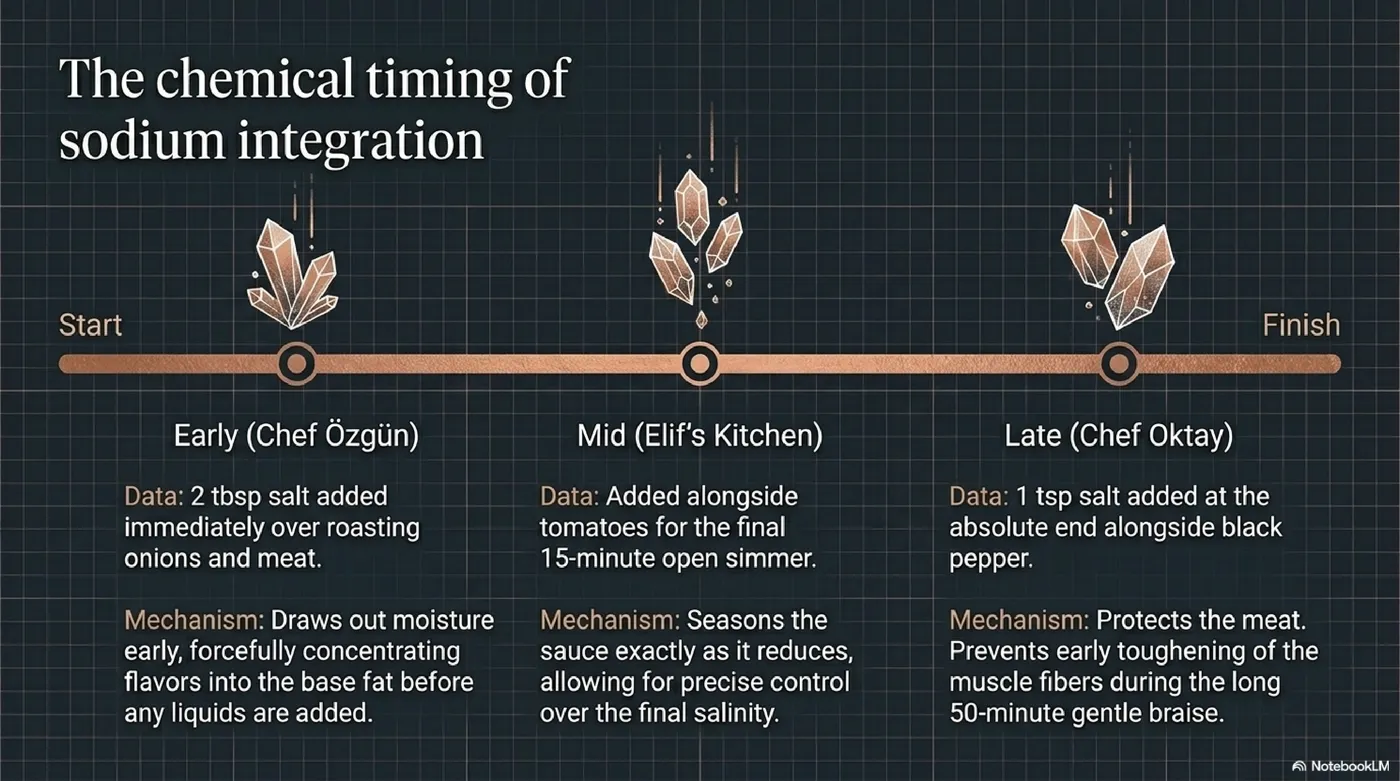
- 1 tsp salt, 0.5 tsp black pepper
- Rice pilaf or mashed potato, to serve
How to make it
- 1
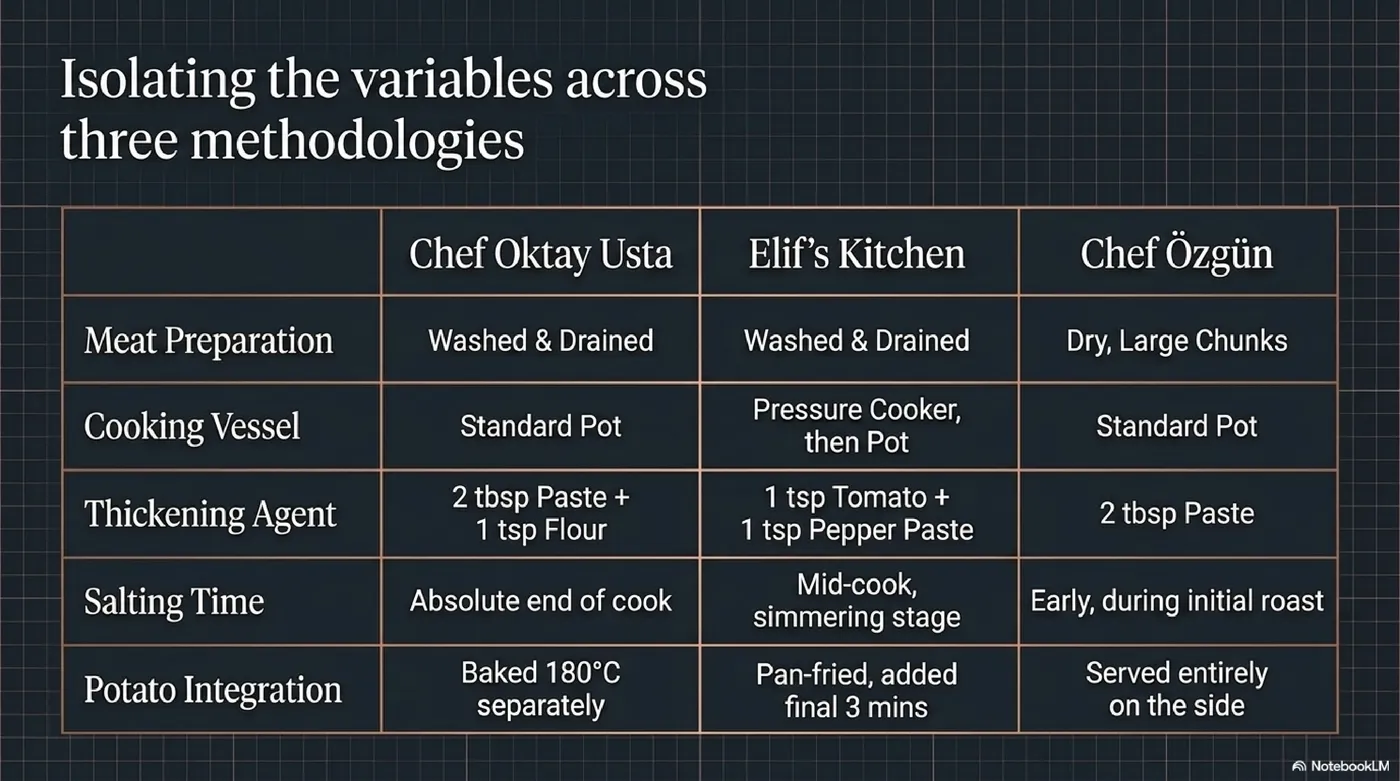
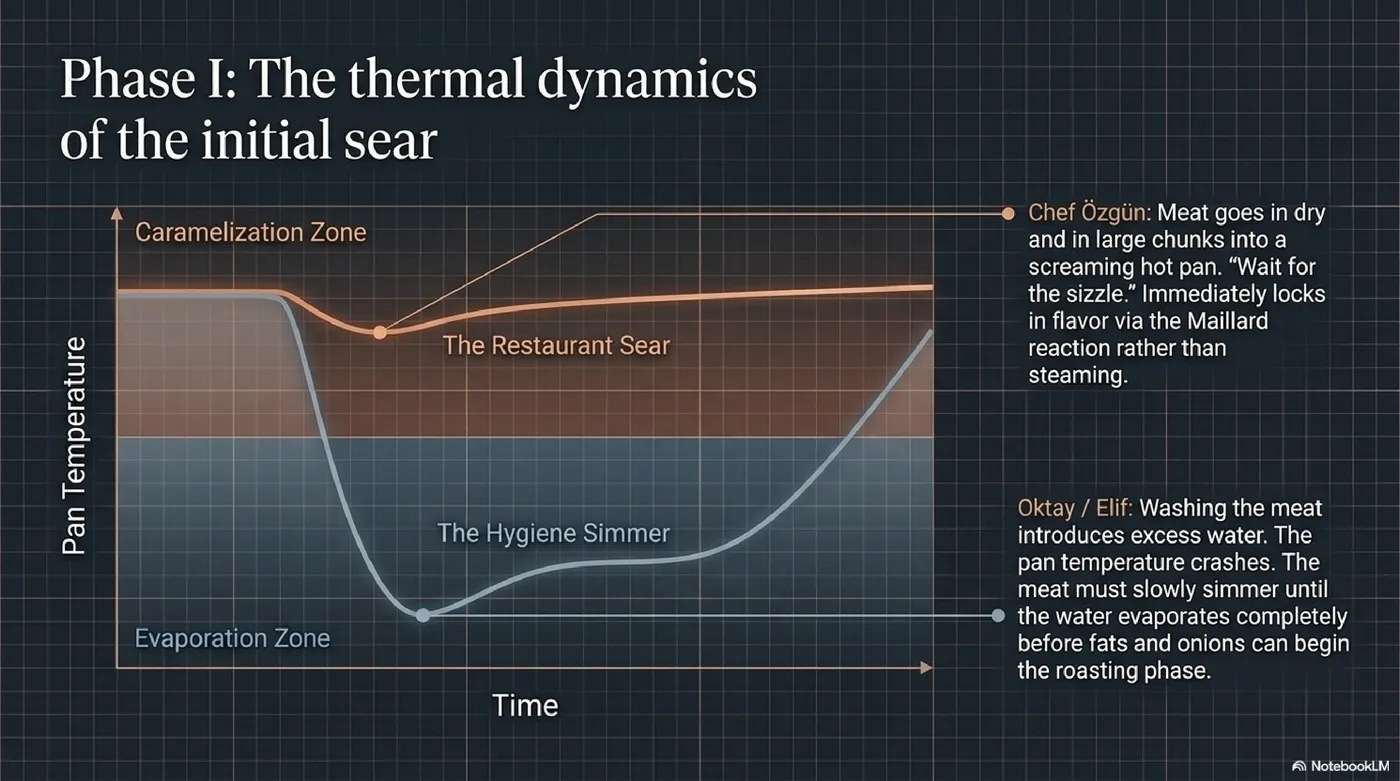
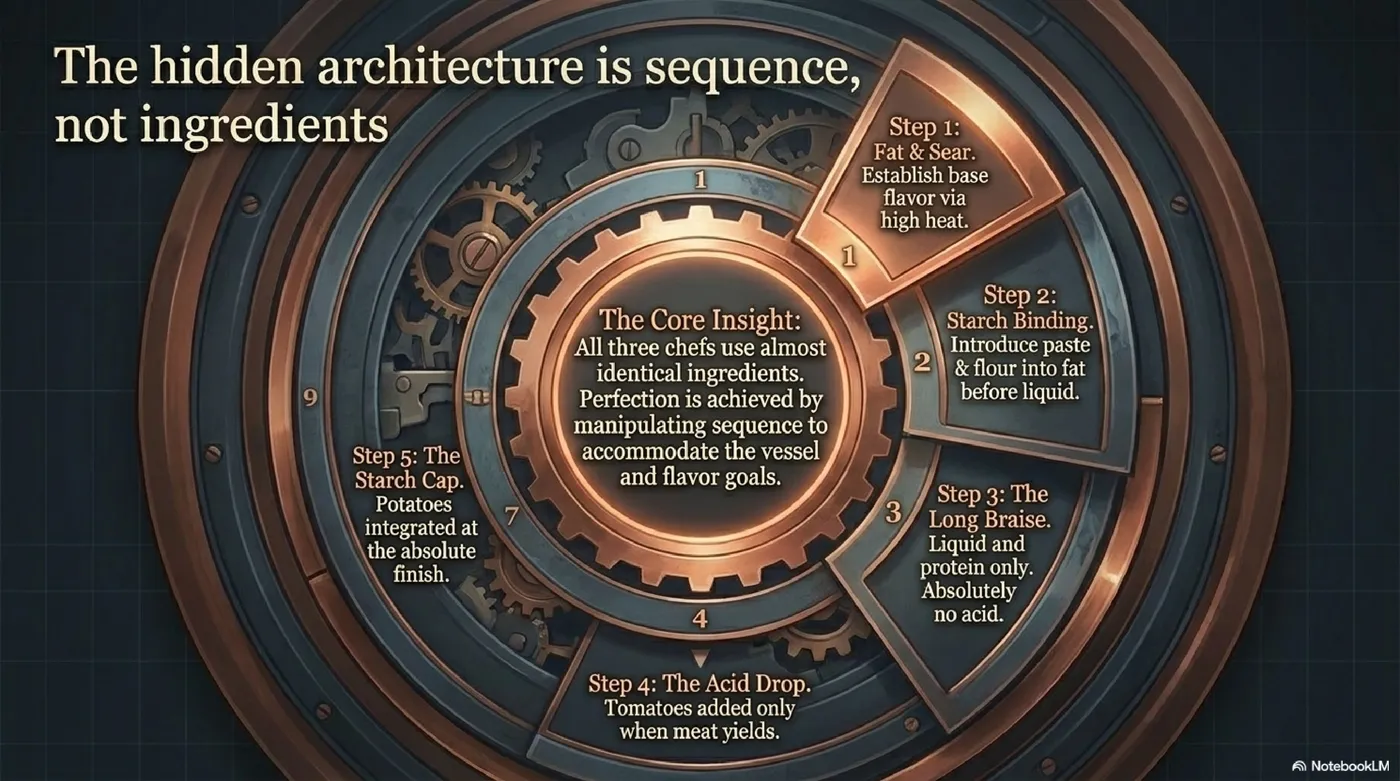
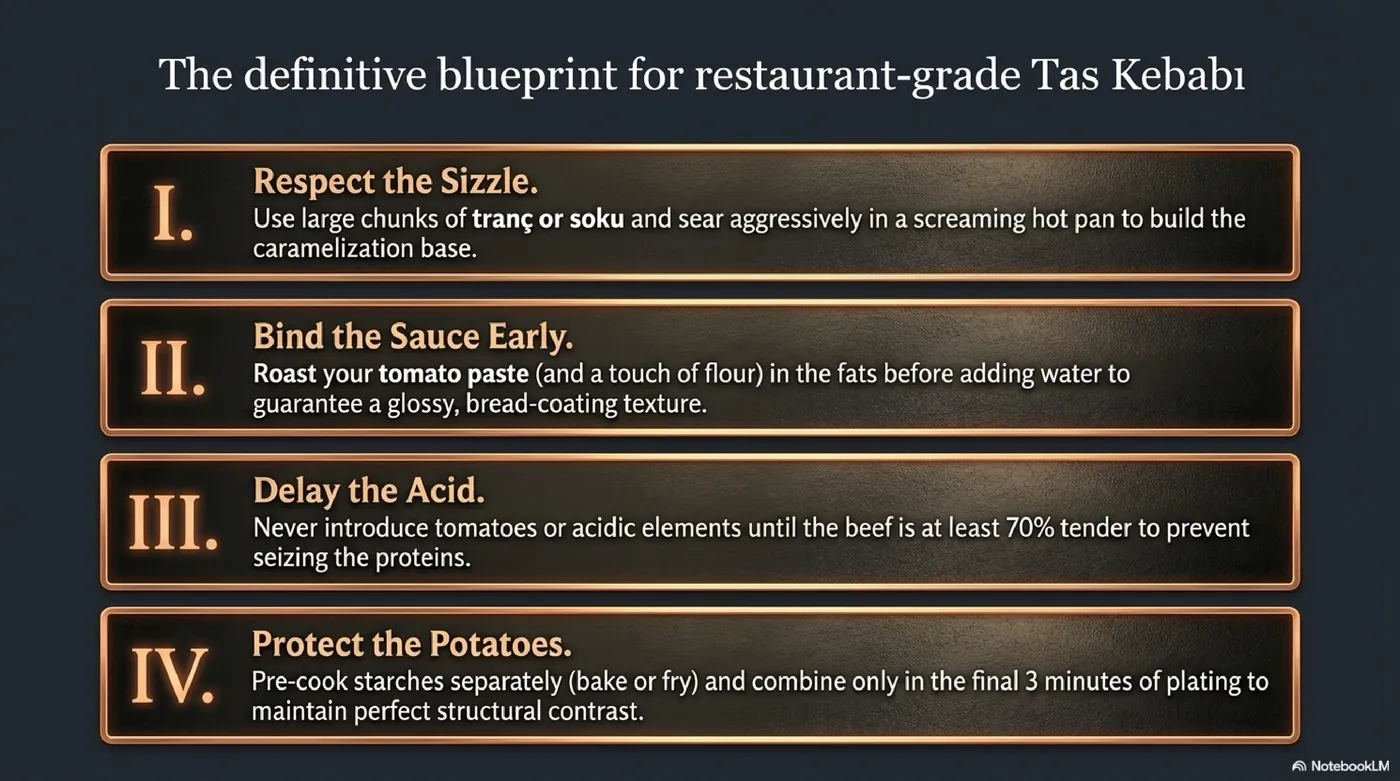
Brown the meat in butter and oil over high heat in a heavy pot, working in two batches so it crusts instead of stewing.
- 2
Lower the heat, stir in the onions and cook 8 minutes until translucent, then let the tomato paste sizzle for a minute.
- 3
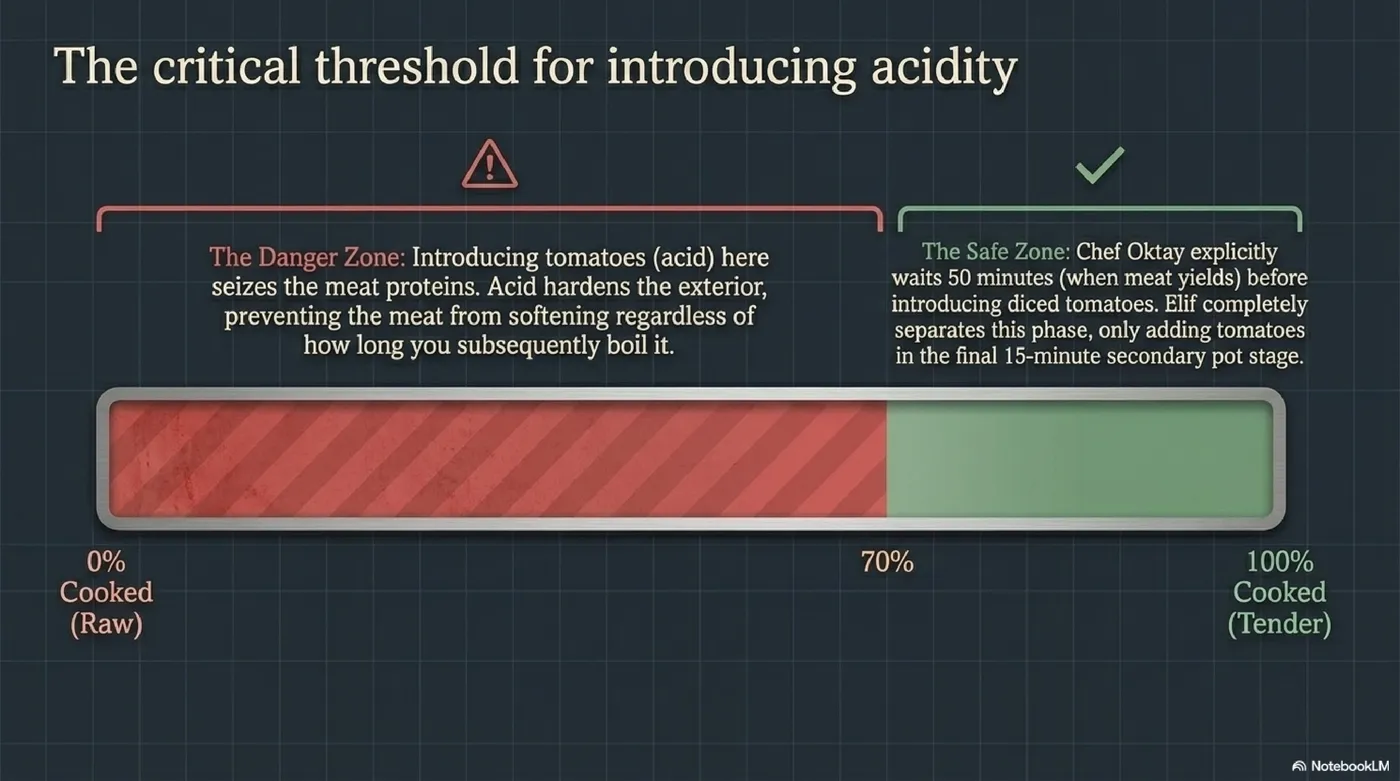
Add grated tomato, hot water, bay, allspice, salt and pepper; the liquid should barely reach the top of the meat.
- 4
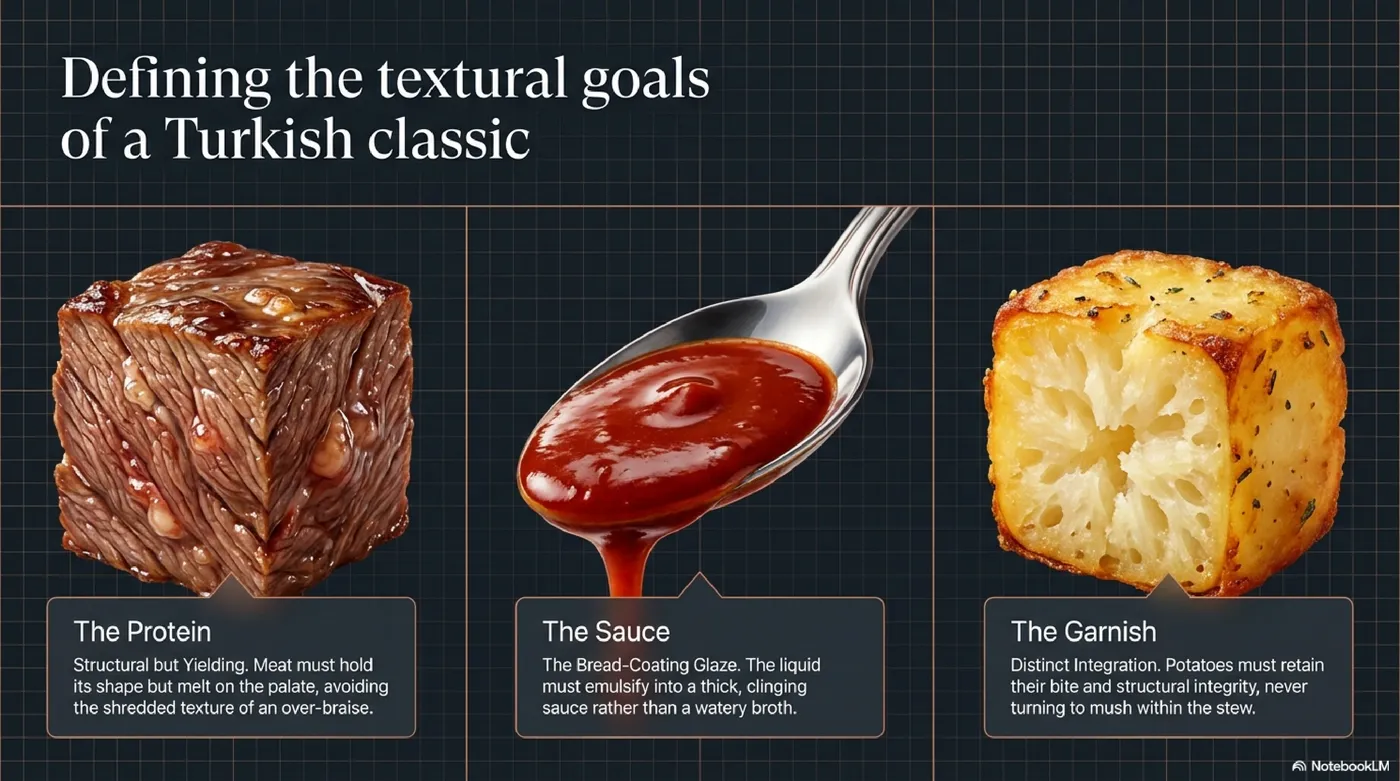
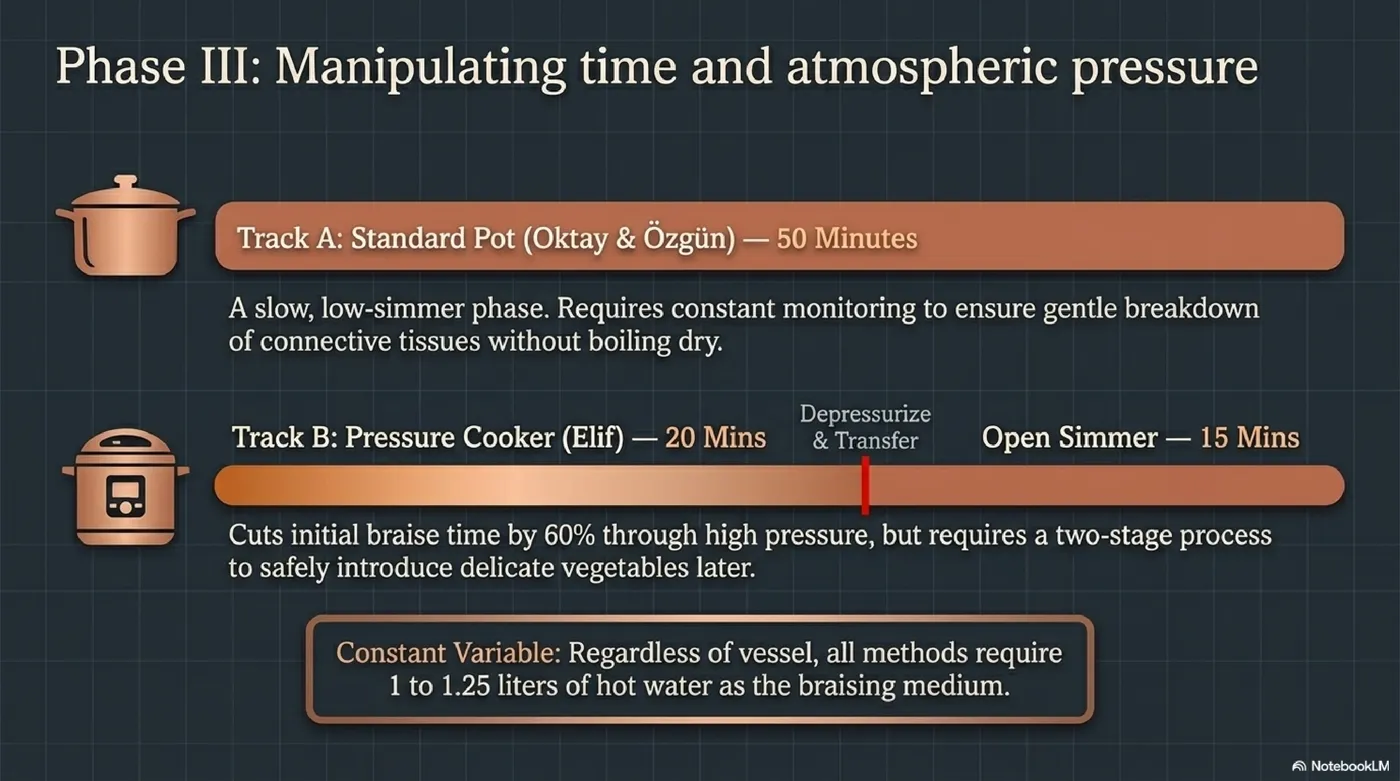
Cover and hold at the gentlest shudder for 1.5 to 2 hours, until a spoon cuts the beef with no resistance.
- 5
Serve ladled over pilaf or mash, sauce reduced to a glossy coat rather than a soup.
Pro tip: This Ottoman pot dish punishes impatience: a hard boil seizes the cubes and shreds them. If the surface does more than tremble, your heat is too high.
The story of Tas Kebab
Tas kebabı is a reminder that the word kebab did not originally mean grilled. Tas means bowl, and this is an Ottoman pot dish — cubed lamb or beef braised slowly with onion until it can be eaten with a spoon. It appears in nineteenth-century Ottoman cookbooks and travelled into Greek, Armenian and Balkan kitchens under closely related names.
It is domestic food rather than restaurant food, the kind of thing cooked on a weekday in quantity and reheated. Its survival into the modern Turkish repertoire is partly nostalgic: many Turks associate it specifically with a grandmother's kitchen and with the era before the mangal took over the meaning of the word kebab.
The technique that defines it
There is no browning ritual and no searing dogma here — several classic recipes deliberately start the meat and onions together over low heat, letting the onions collapse and release water in which the meat begins to cook. The result is gentler and sweeter than a browned stew, and it is the reason tas kebabı tastes different from a Western casserole.
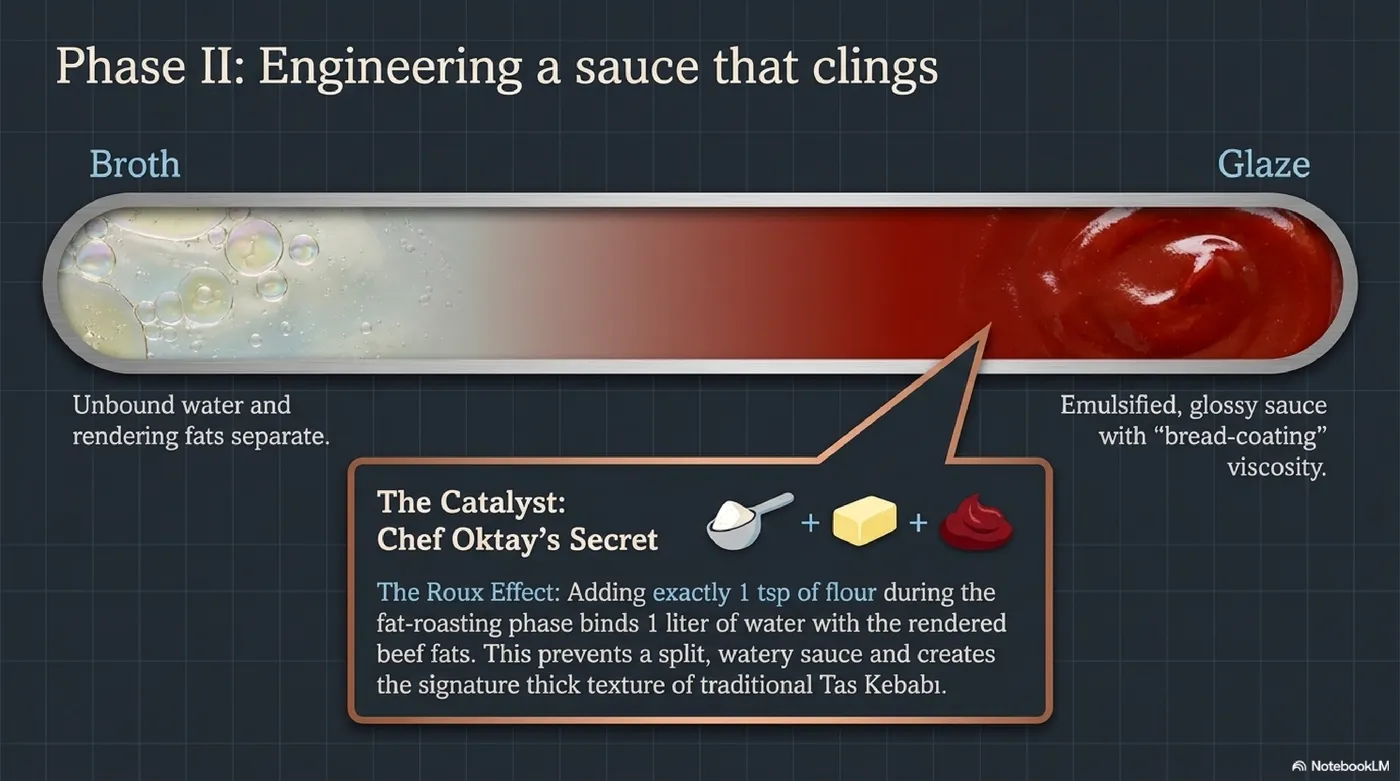
The liquid is minimal: onion juice, a spoon of tomato, sometimes a splash of water, and nothing more. Covered and left at a bare simmer for an hour and a half to two hours, the meat gives up its connective tissue and the sauce reduces to a thick, glossy coat rather than a broth. Any version swimming in liquid has been cooked too fast or too wet.
Choosing your ingredients
Lamb shoulder or beef chuck — cuts with collagen. Lean steak has nothing to convert into gelatine and stays stubbornly firm no matter how long it simmers. Onions should outnumber what feels reasonable: a kilo of meat wants three or four large onions, because they are the sauce.
Seasoning is restrained: salt, black pepper, sometimes a bay leaf or a little allspice. Tomato paste is common in modern versions but was not universal historically. The dish should taste of lamb and onion, in that order, with tomato as a background note if it is there at all.
Mistakes that ruin it
Adding stock or water at the start
The onions supply the liquid. Extra water dilutes the sauce and you will spend an hour boiling it back off.
Cooking it at a rolling simmer
Aggressive heat tightens the muscle fibres before the collagen has melted. It wants a bare tremble.
Lean cuts
Chuck and shoulder are correct. Leg or steak will be tough at ninety minutes and still tough at three hours.
Too few onions
This is as much an onion dish as a meat dish. Three or four large ones per kilo is not excessive.
How it is served
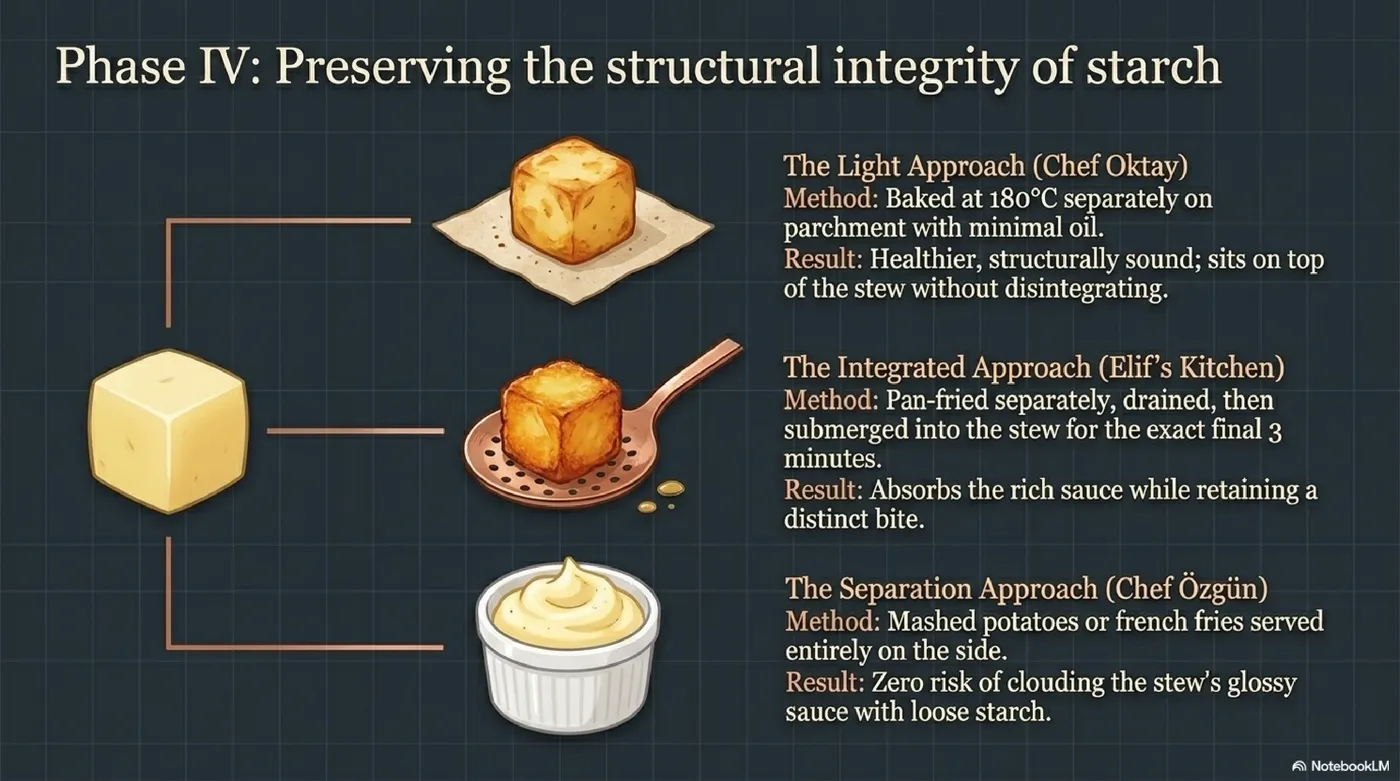
It is spooned over rice pilav or, in the Ottoman-nostalgic version, over mashed potato, with the sauce allowed to soak in. Pickles cut the richness and a simple green salad is usual. It reheats better than almost anything else in the kebab family, which is precisely why households make it in quantity.
Questions about Tas Kebab
Why is a stew called a kebab?
Because kebab originally meant cooked meat in a general sense, including pot-cooked. Tas kebabı — bowl kebab — preserves that older, broader use of the word.
What cut of meat is best for tas kebab?
Lamb shoulder or beef chuck. You need collagen-rich meat that becomes tender over a long, slow braise.
Do I need to brown the meat first?
Traditionally, no. Many classic versions start the meat and onions together over low heat, which gives the dish its characteristic sweetness.
What is tas kebab served with?
Rice pilav most commonly, or mashed potato in the older Istanbul style, with pickles alongside.