
Adana Kebab
Turkey
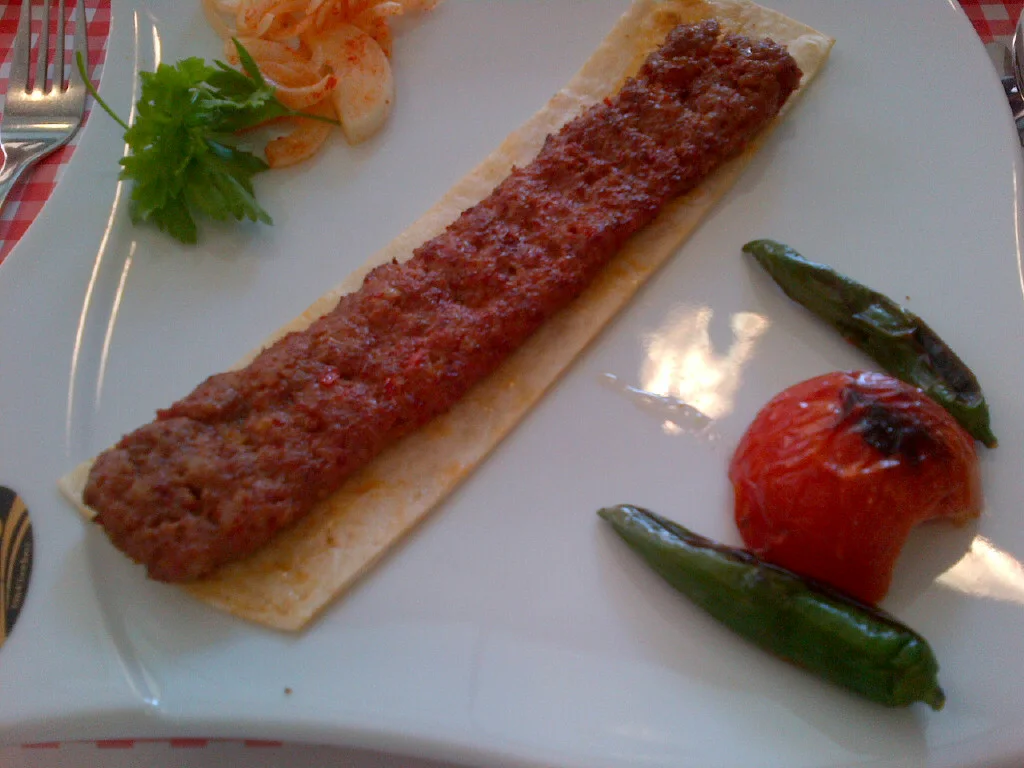
Urfa Kebab
Turkey
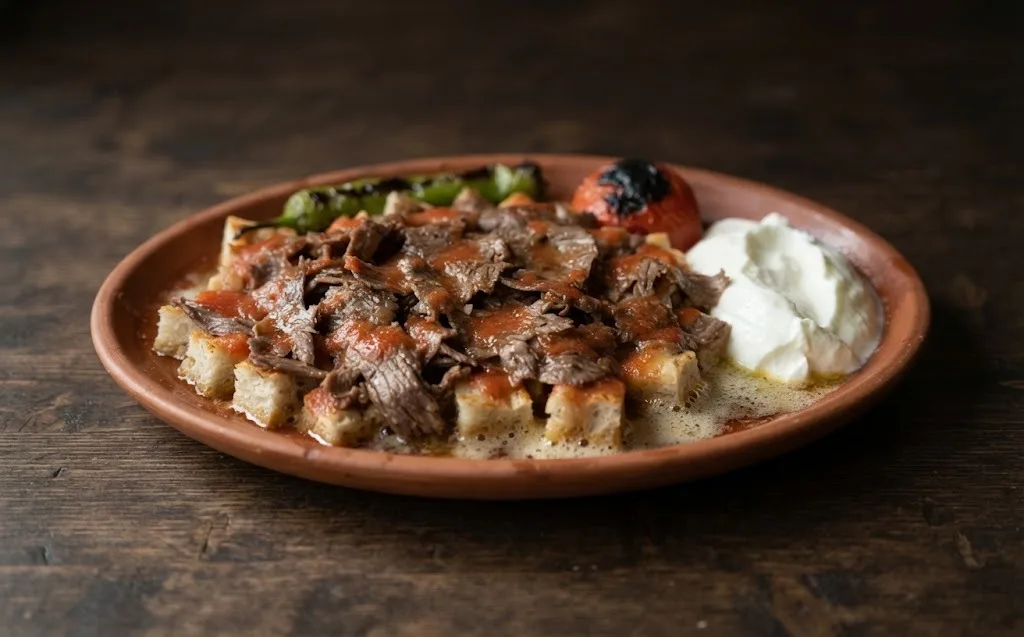 AI illustration
Iskender Kebab
Turkey
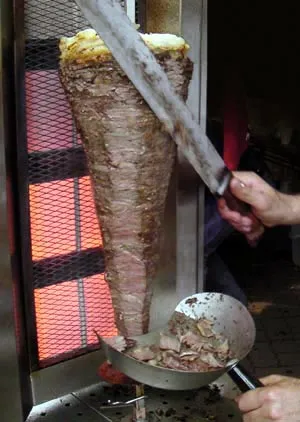
Doner Kebab
Turkey
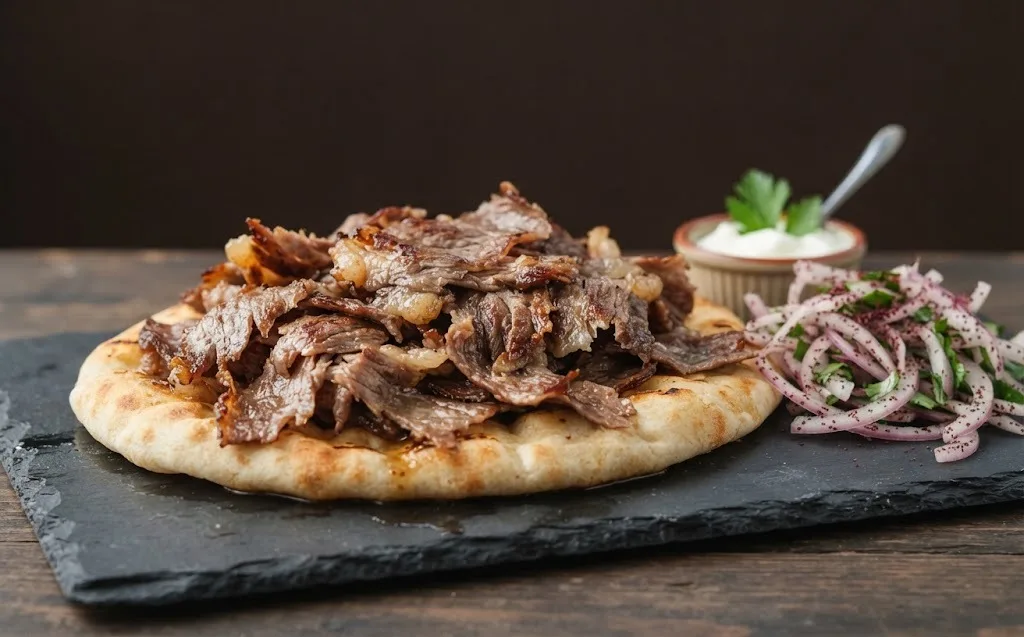 AI illustration
Yaprak Doner
Turkey
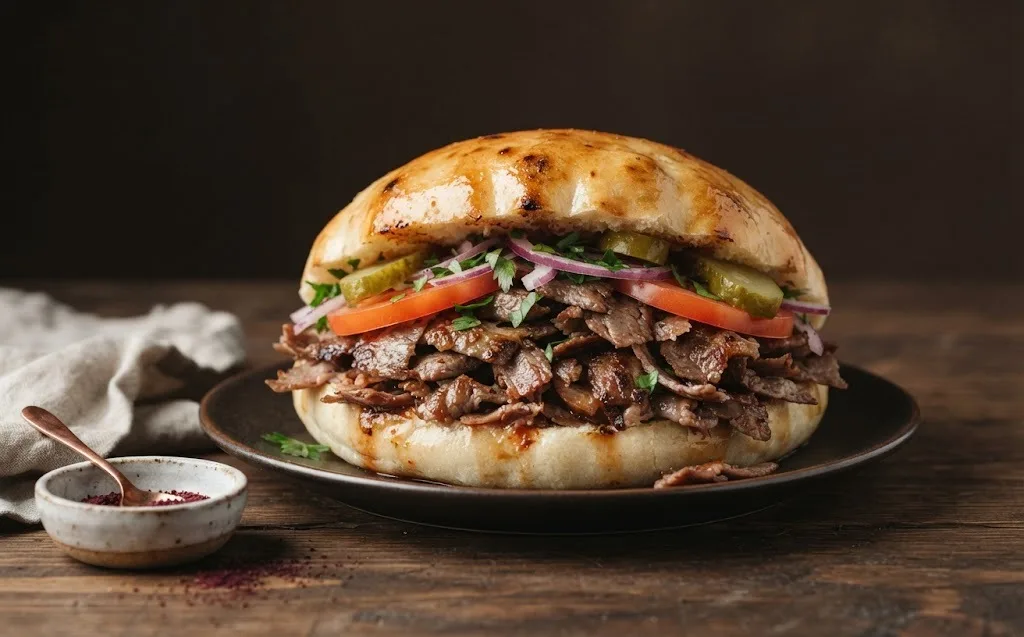 AI illustration
Tombik Doner
Turkey
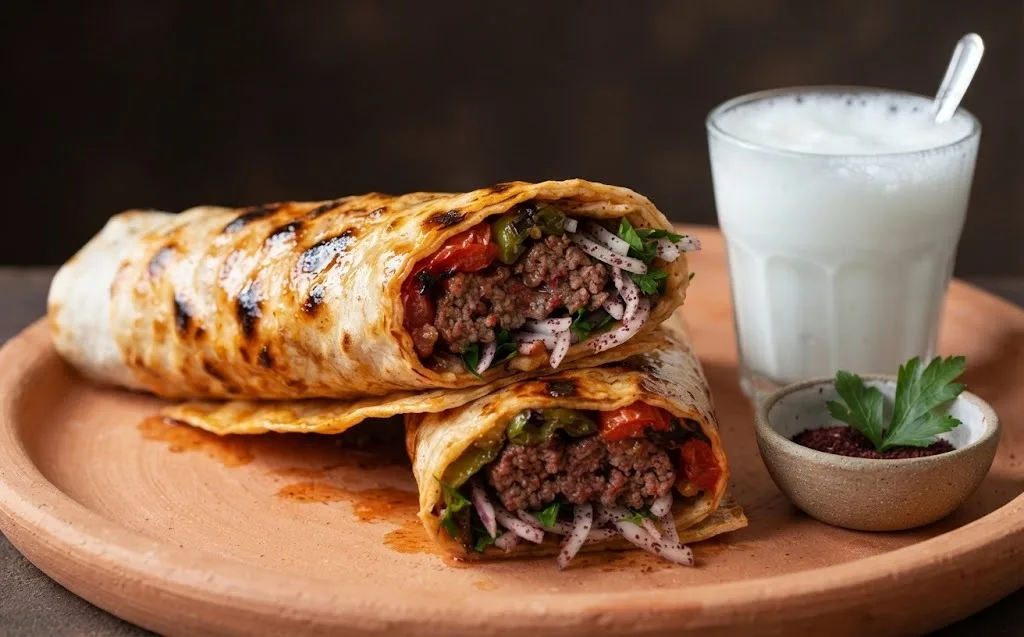 AI illustration
Durum
Turkey
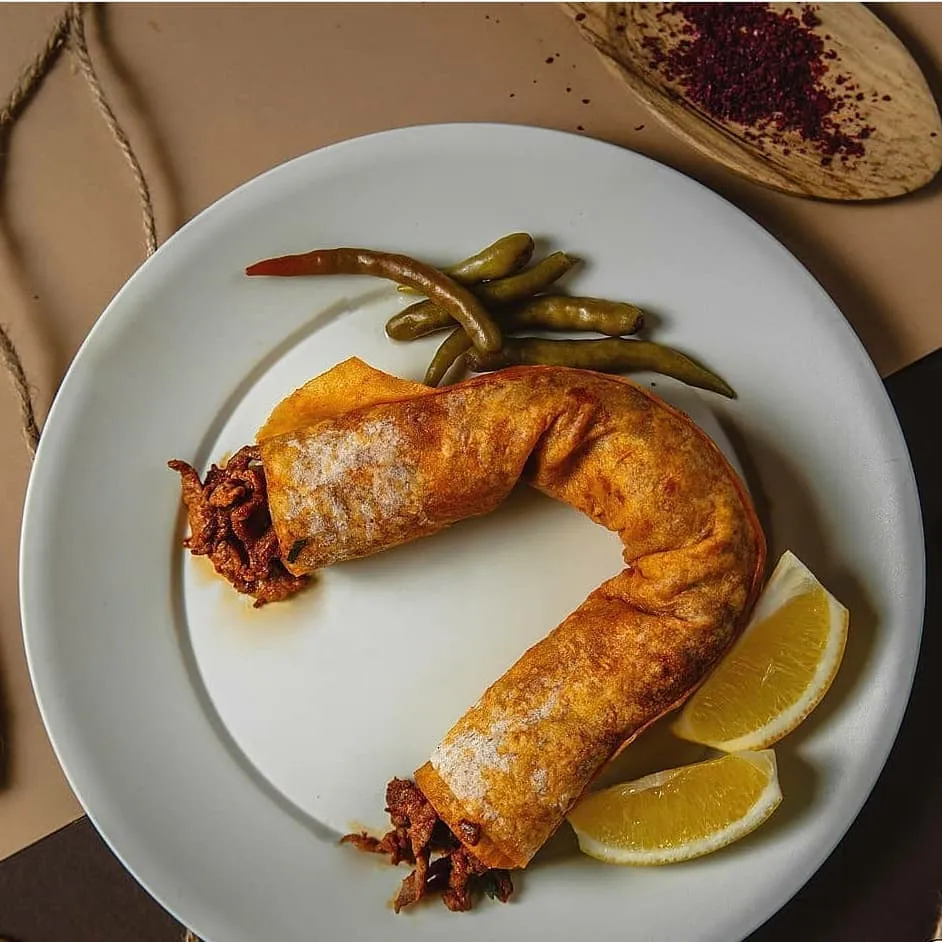
Tantuni
Turkey · ▶
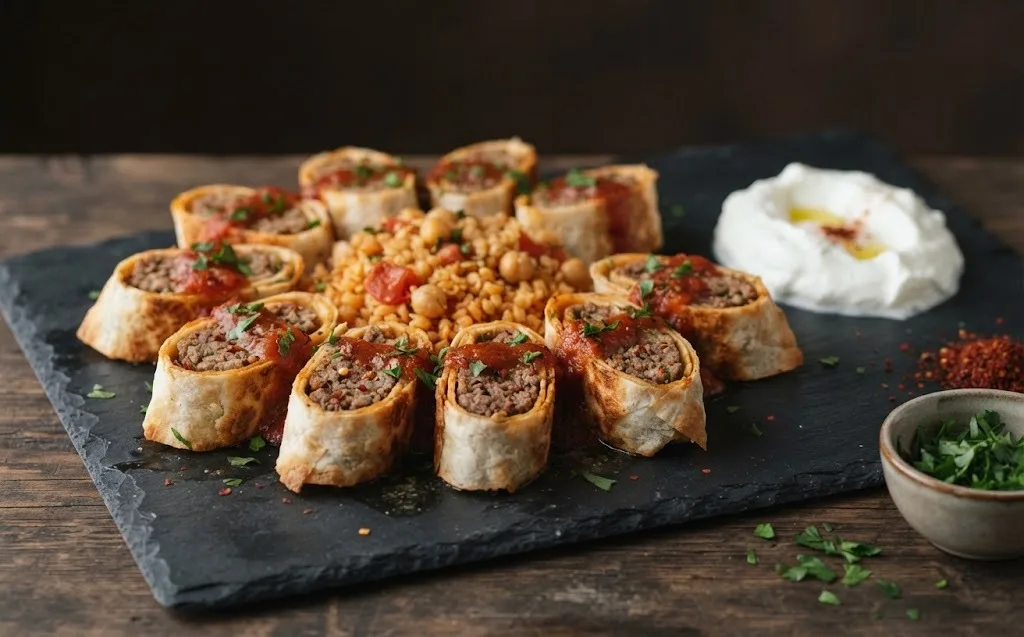 AI illustration
Beyti Kebab
Turkey

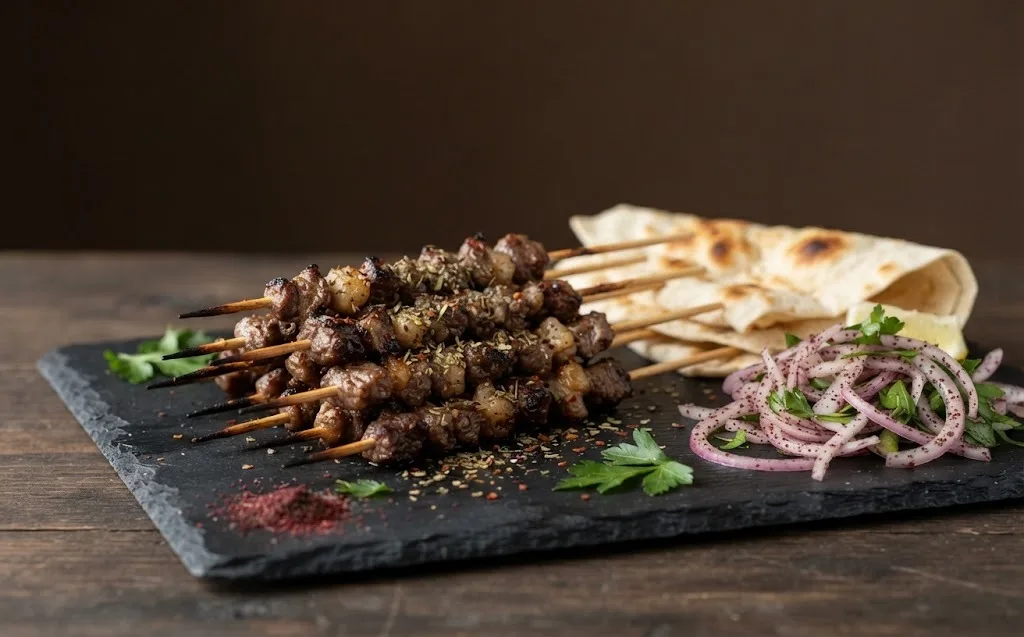
Shish Kebab
Turkey · ▶
 AI illustration
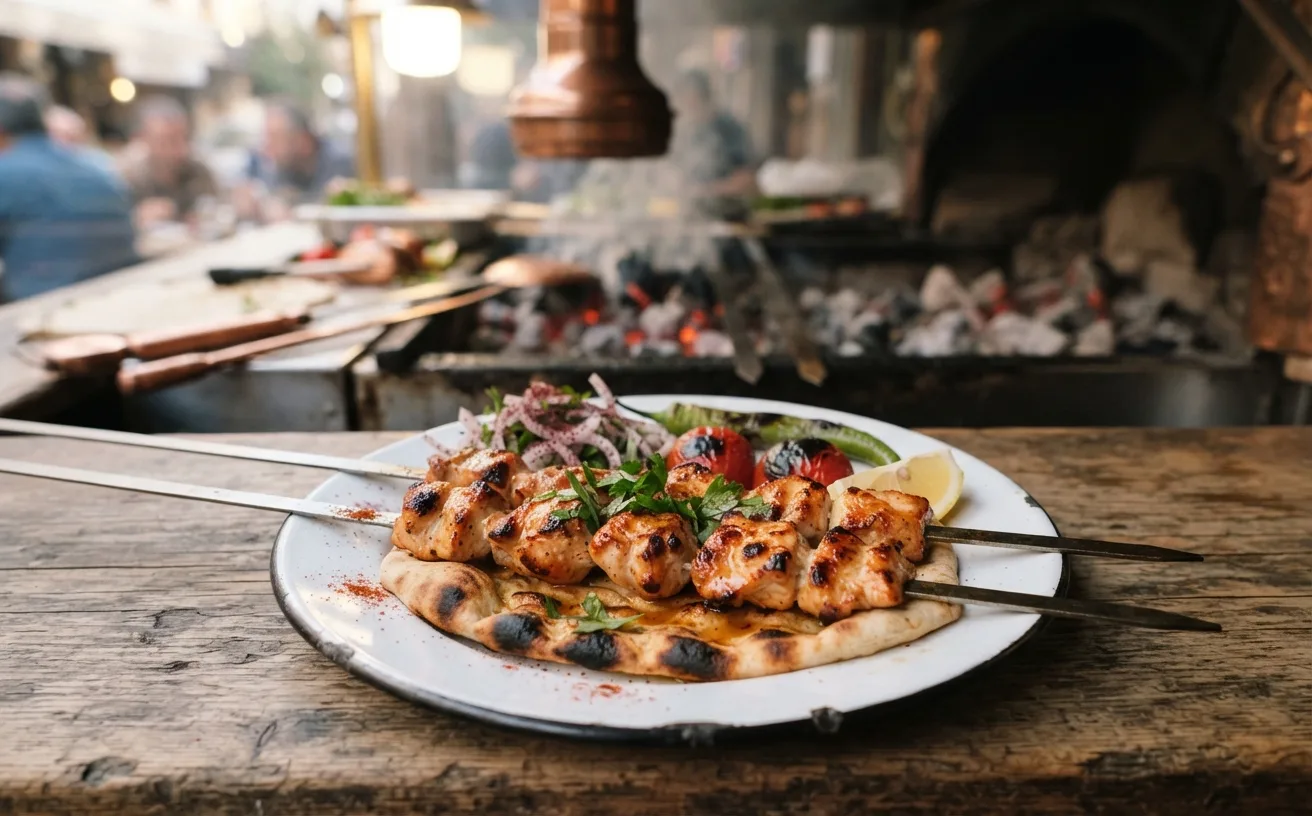
Cop Shish
Turkey · ▶
 AI illustration
Chicken Shish (Tavuk Shish)
Turkey · 🎞
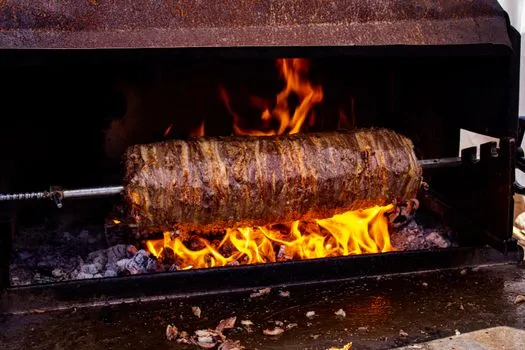
Cag Kebab
Turkey
 AI illustration
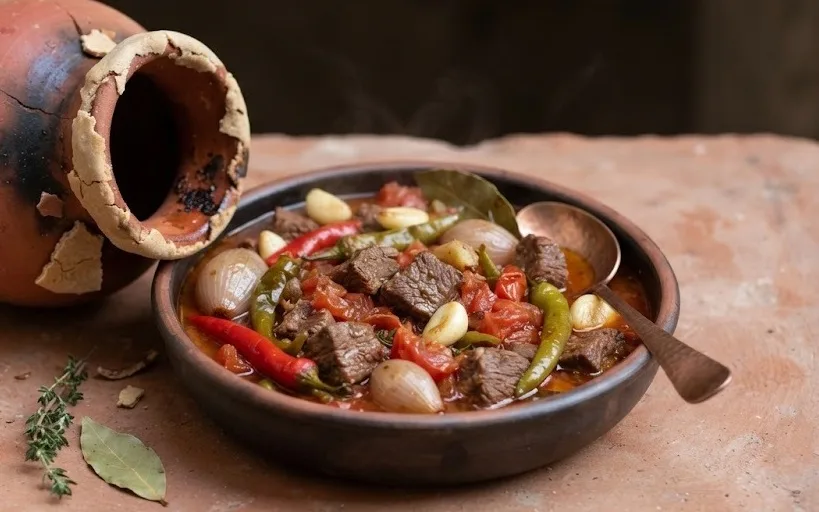
Testi Kebab
Turkey
 AI illustration
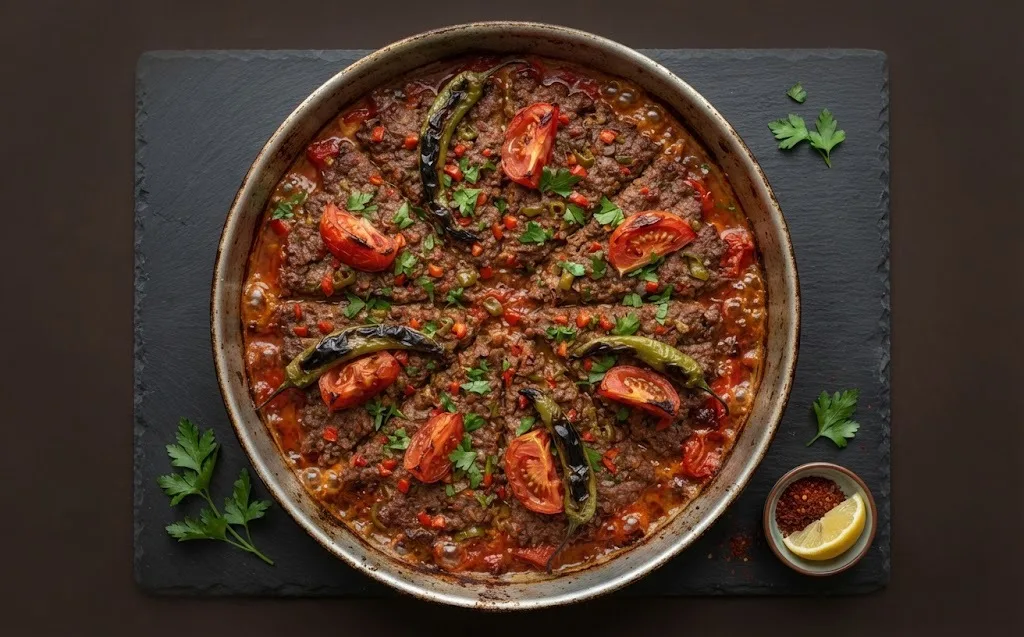
Tepsi Kebab
Turkey
 AI illustration
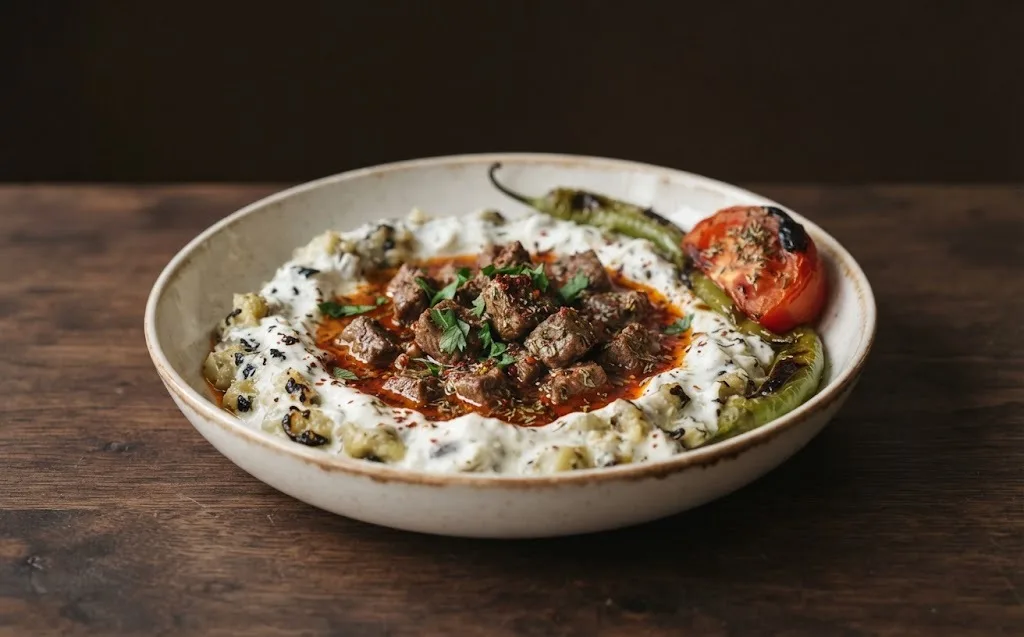
Ali Nazik Kebab
Turkey
 AI illustration
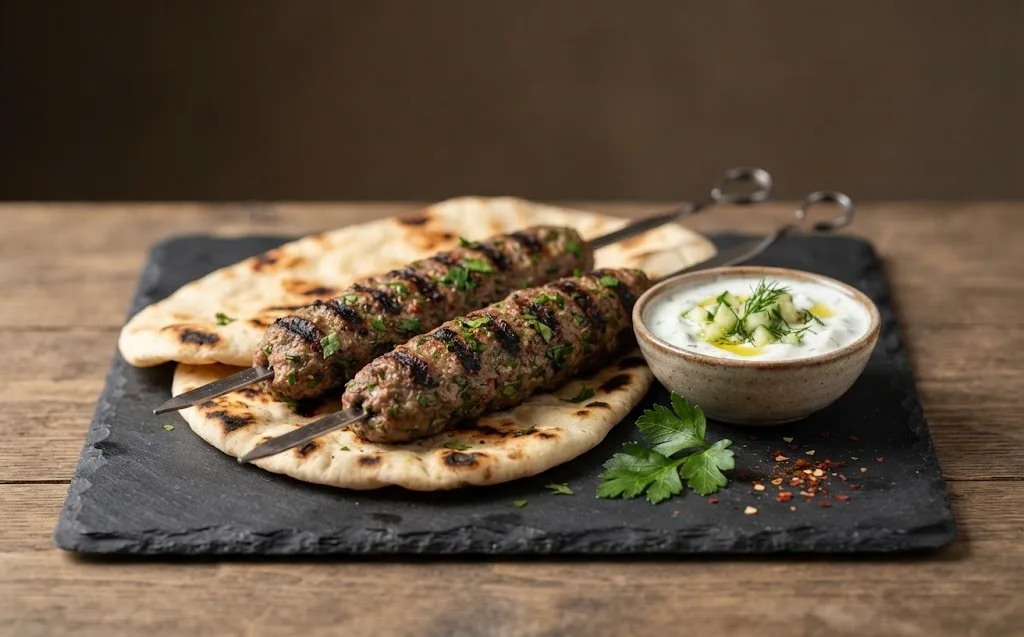
Classic Kofta Kebab
Middle East
 AI illustration
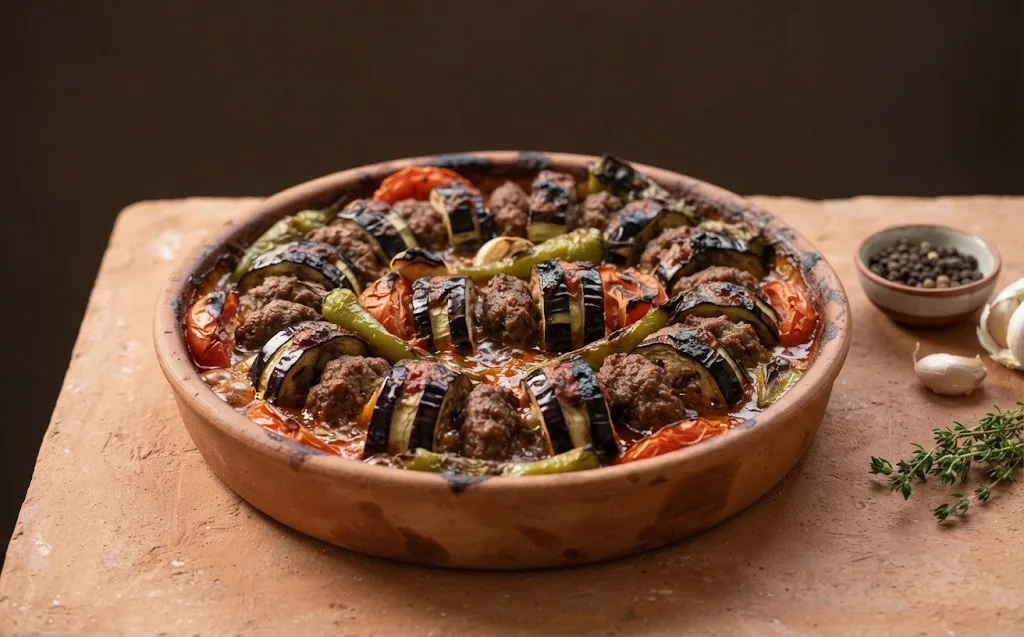
Orman Kebab
Turkey
 AI illustration
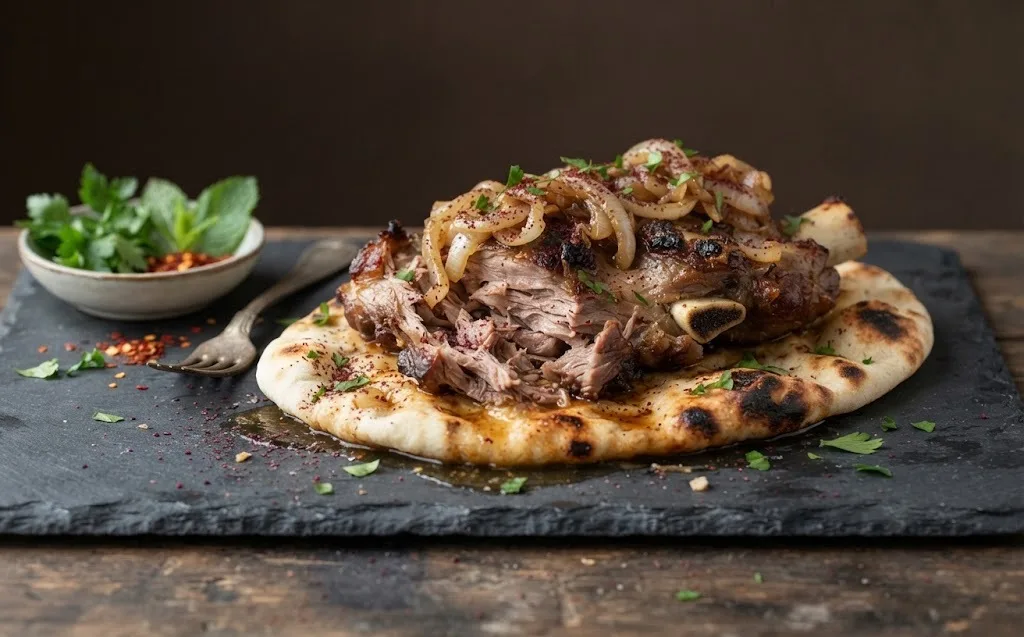
Patlican Kebab
Turkey
 AI illustration
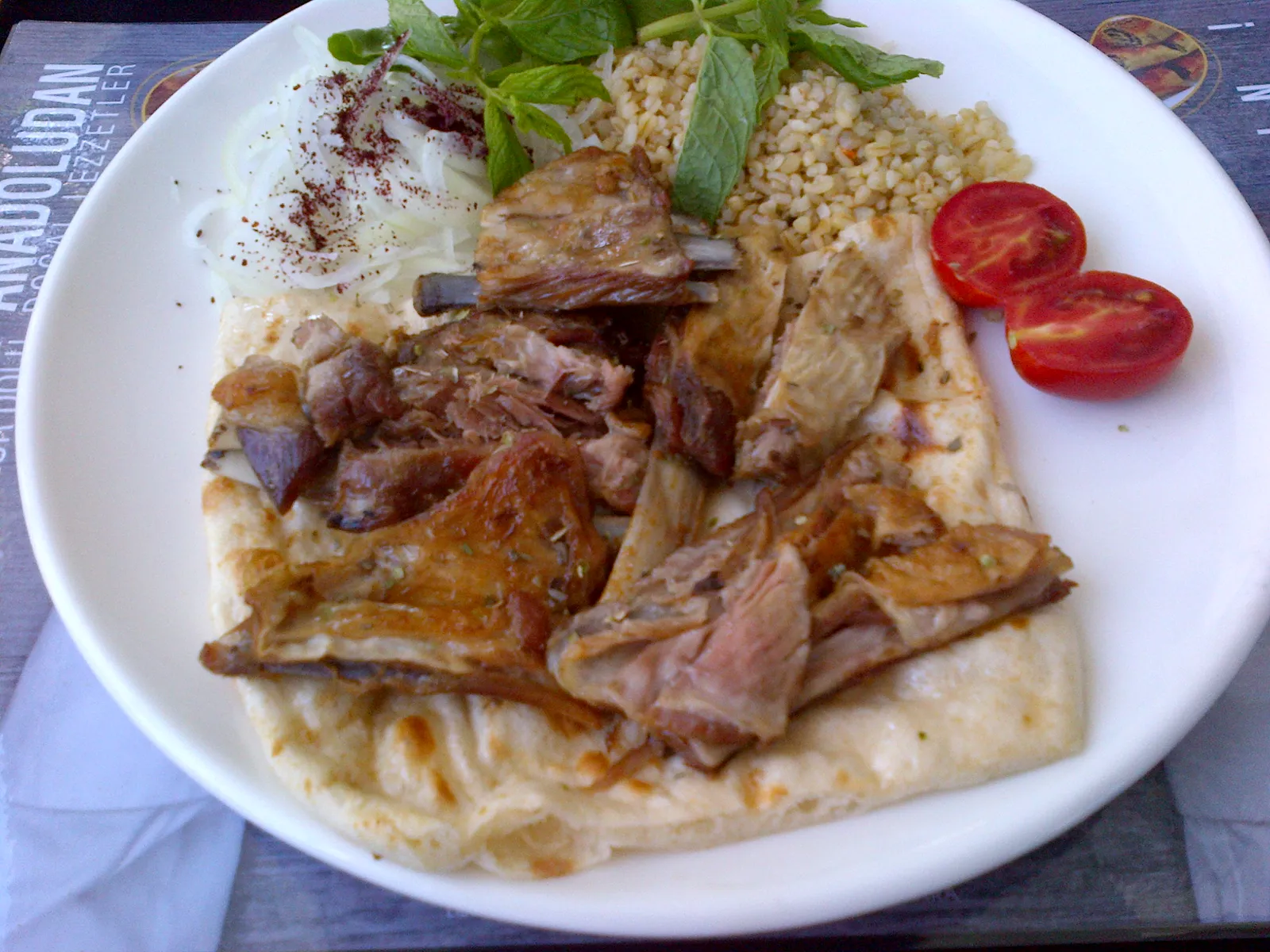
Corum Tandir Kebab
Turkey
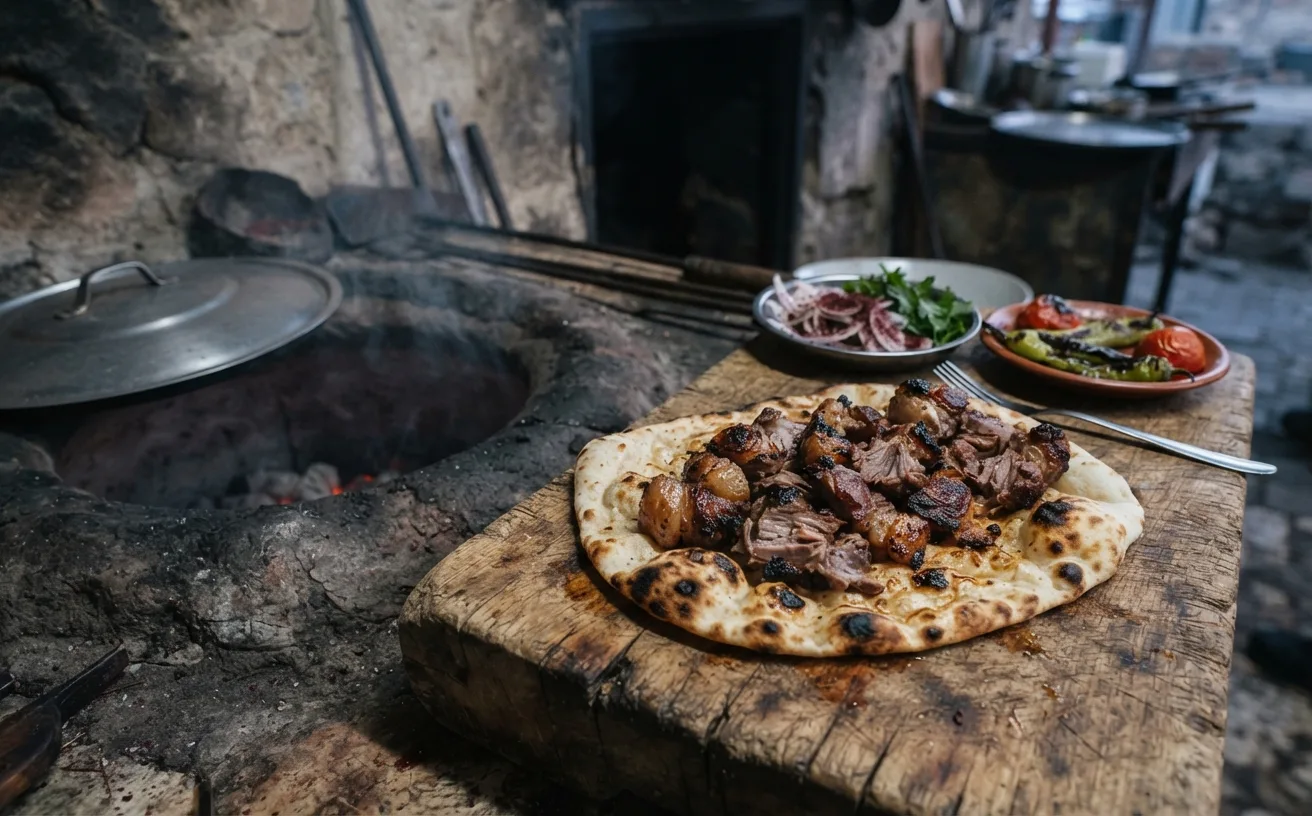
Kuyu Kebab
Turkey
 AI illustration
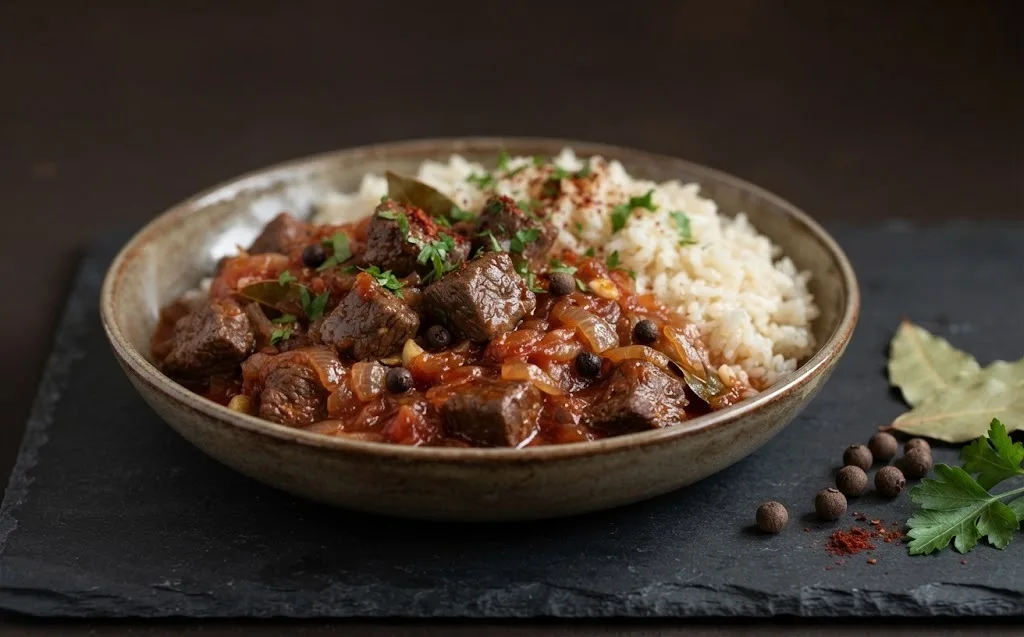
Buryan Kebab
Turkey
 AI illustration
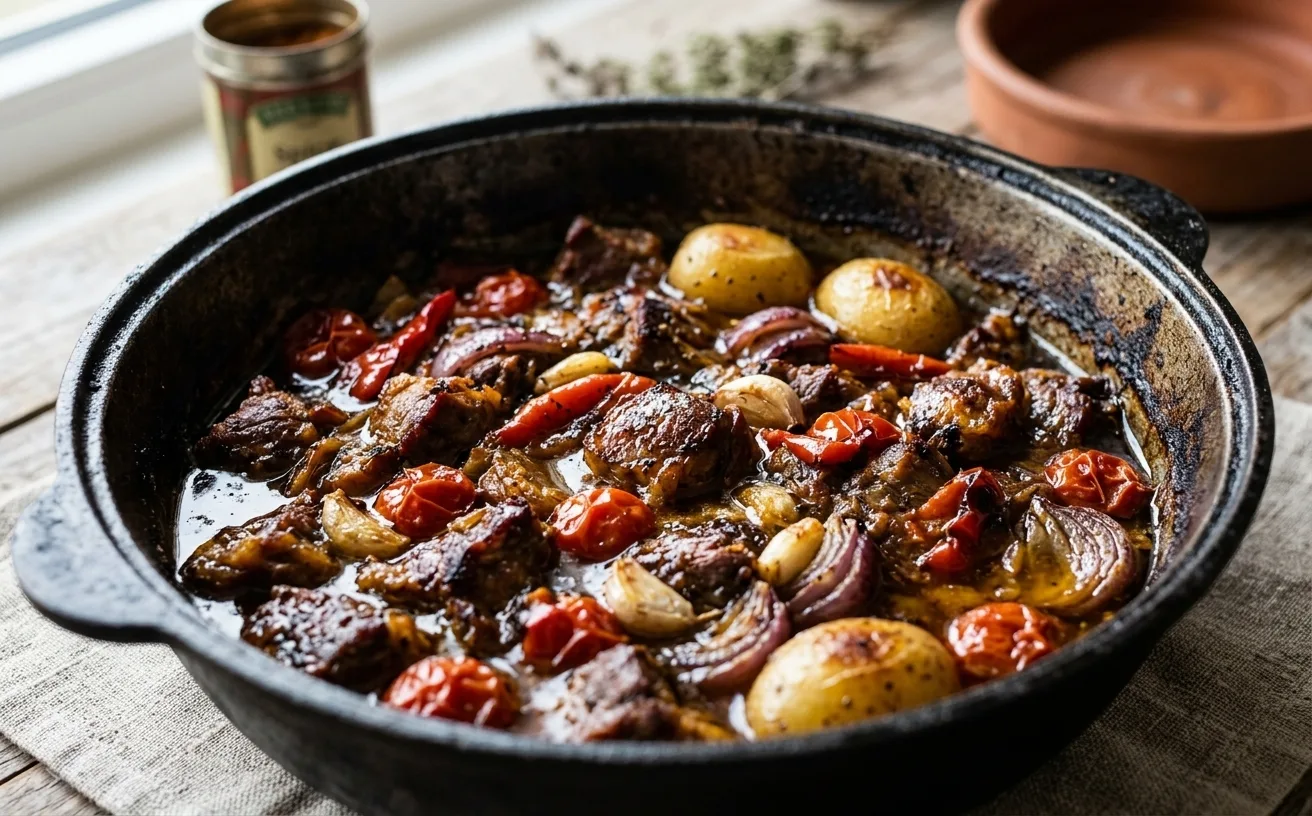
Tas Kebab
Turkey · ▶ 🎞
 AI illustration
Kazan Kebab
Turkey · ▶

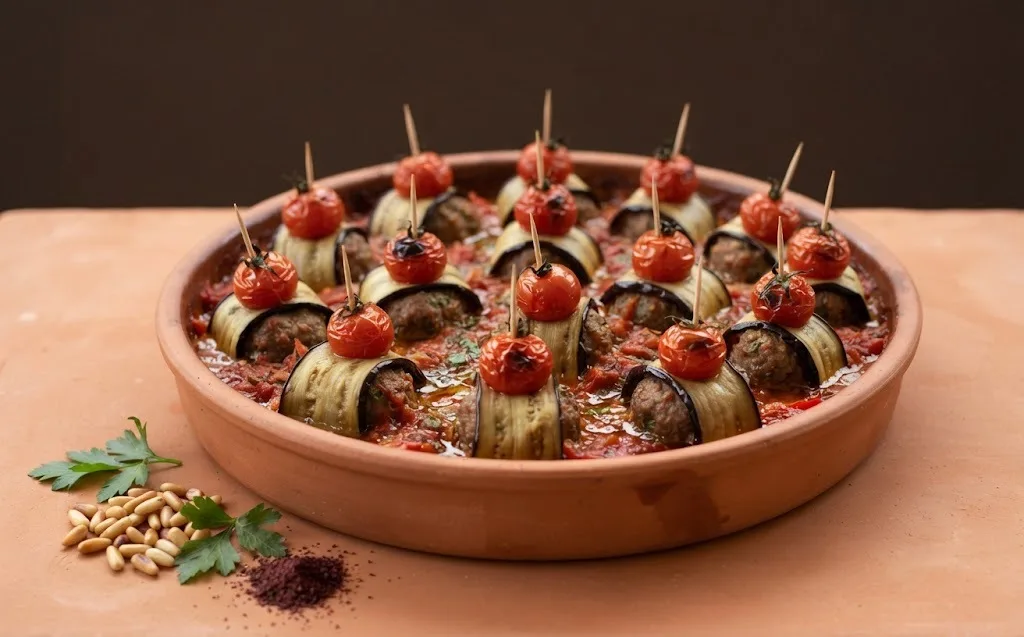
Kagit Kebab
Turkey · ▶ 🎞
 AI illustration
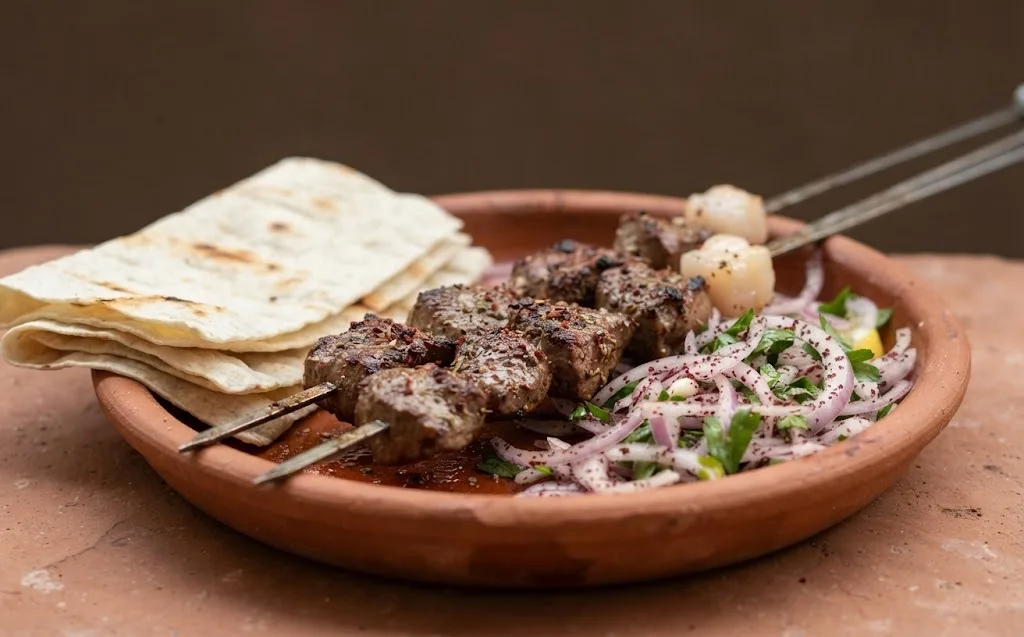
Islim Kebab
Turkey · ▶ 🎞
 AI illustration
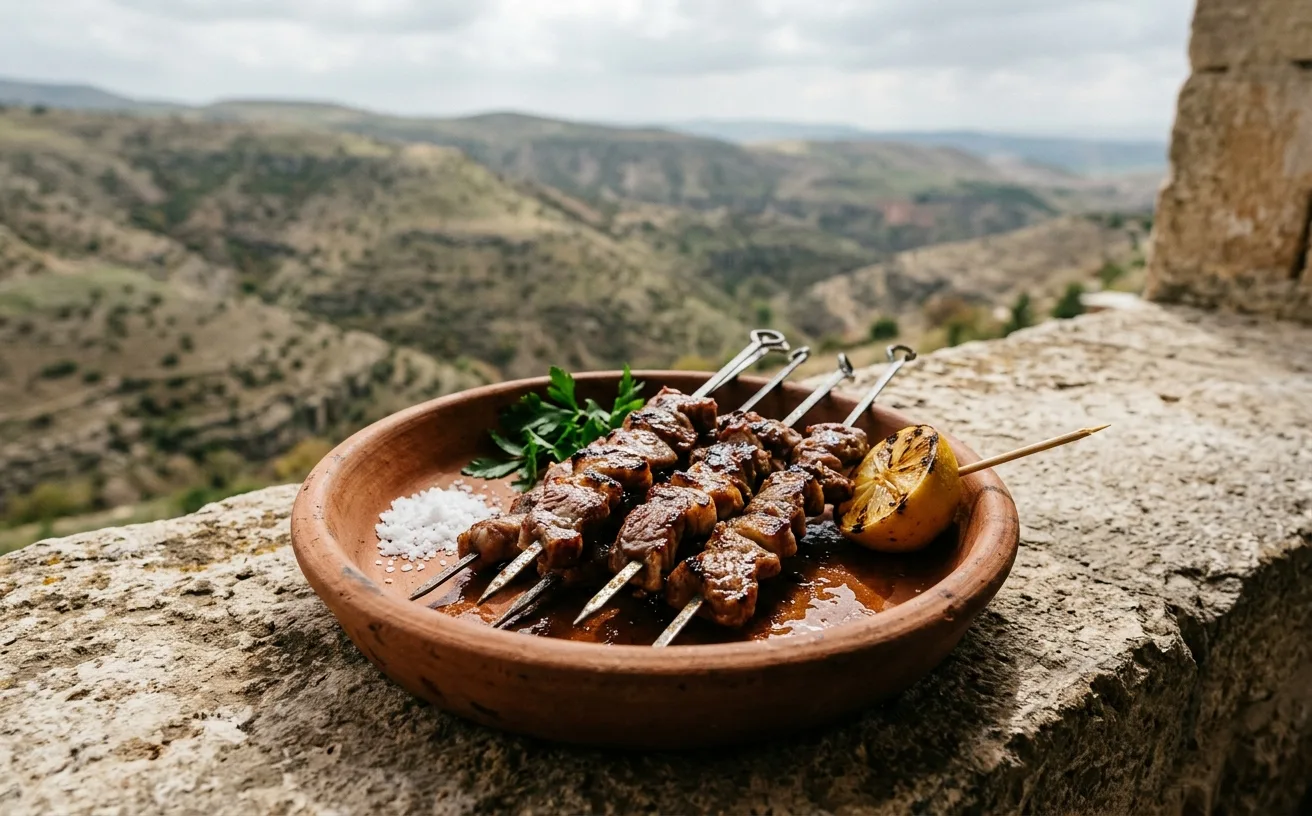
Ciger Kebab (Liver Kebab)
Turkey · ▶
 AI illustration
Kusleme
Turkey · ▶
 AI illustration
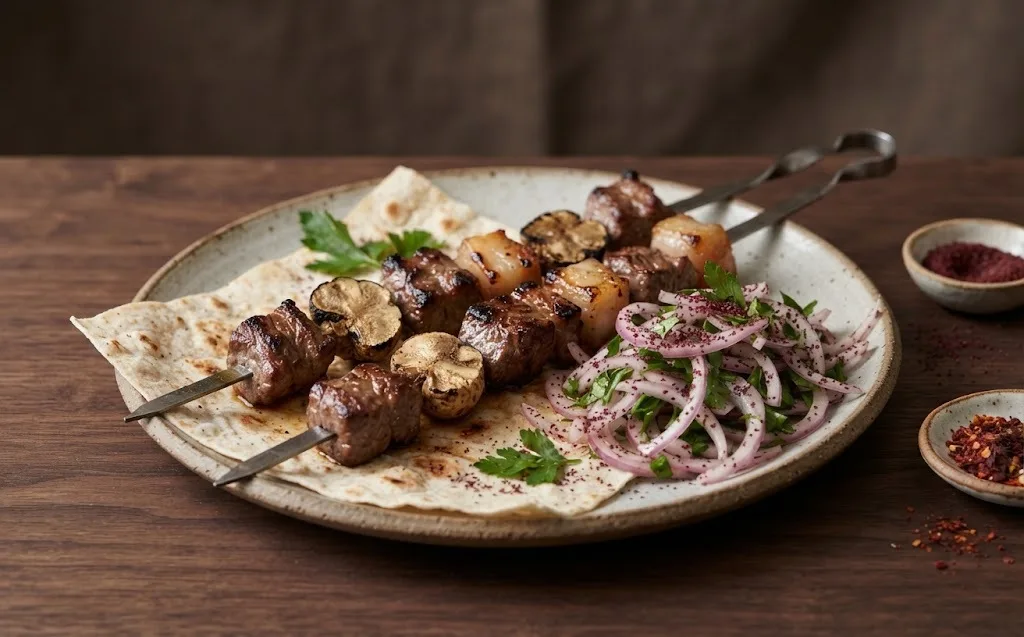
Keme Kebab (Truffle Kebab)
Turkey
 AI illustration
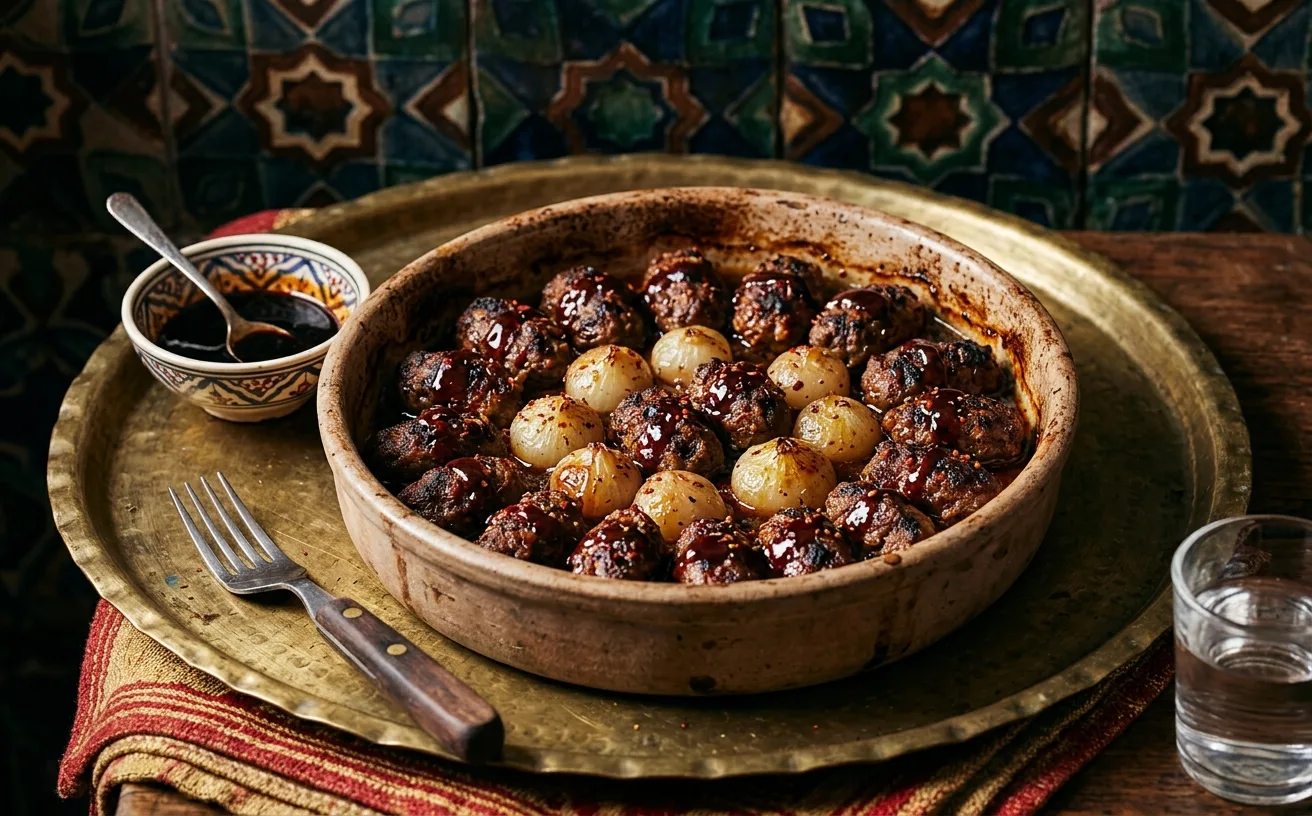
Sogan Kebab (Onion Kebab)
Turkey · ▶ 🎞
 AI illustration
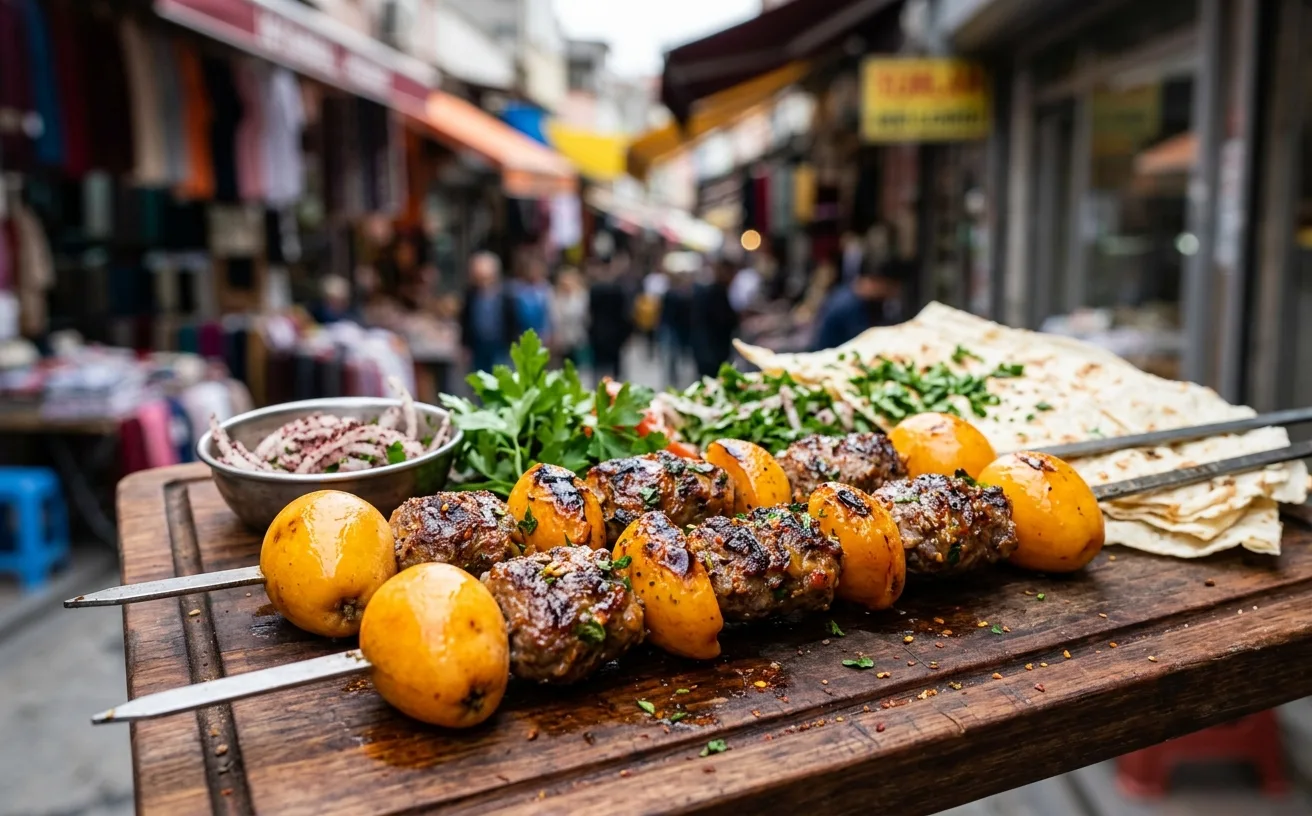
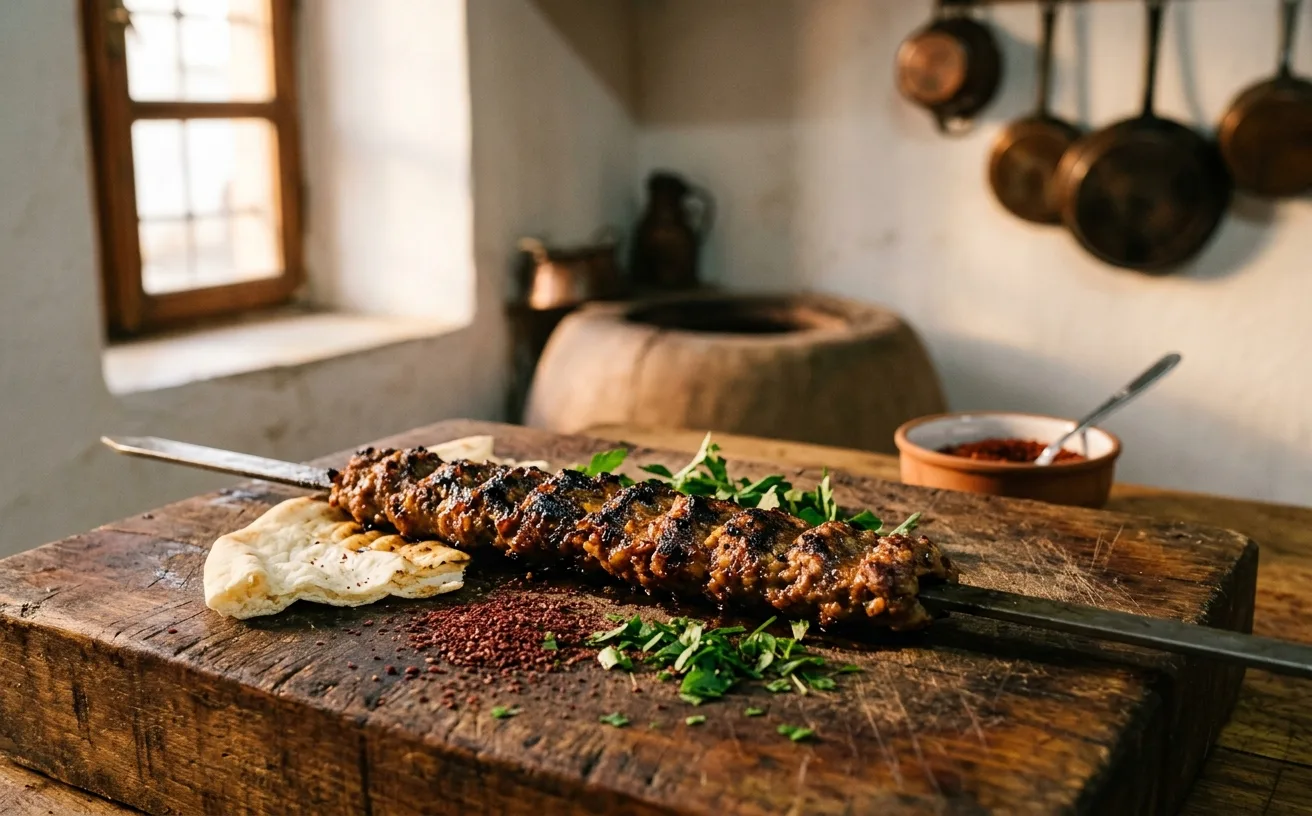
Yeni Dunya Kebab (Loquat Kebab)
Turkey
 AI illustration
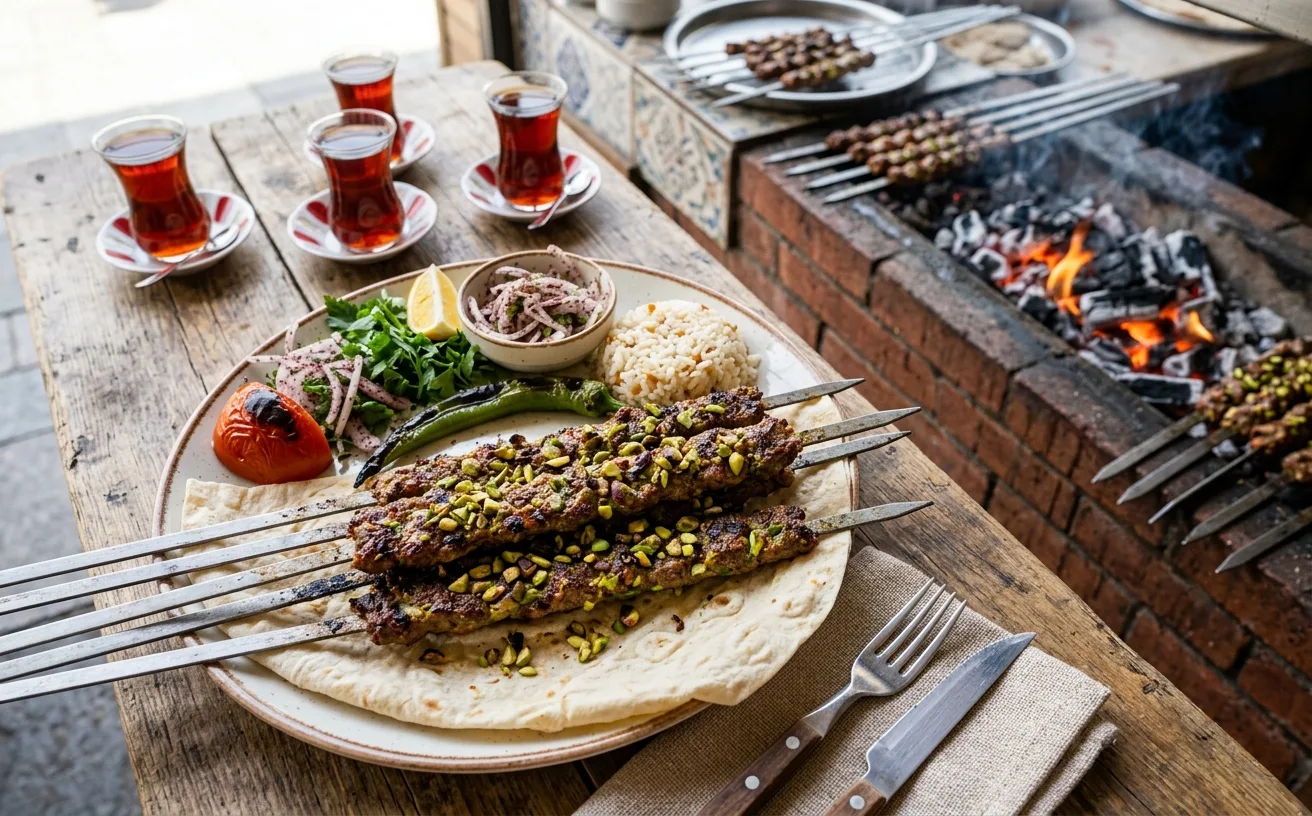
Simit Kebab
Turkey
 AI illustration
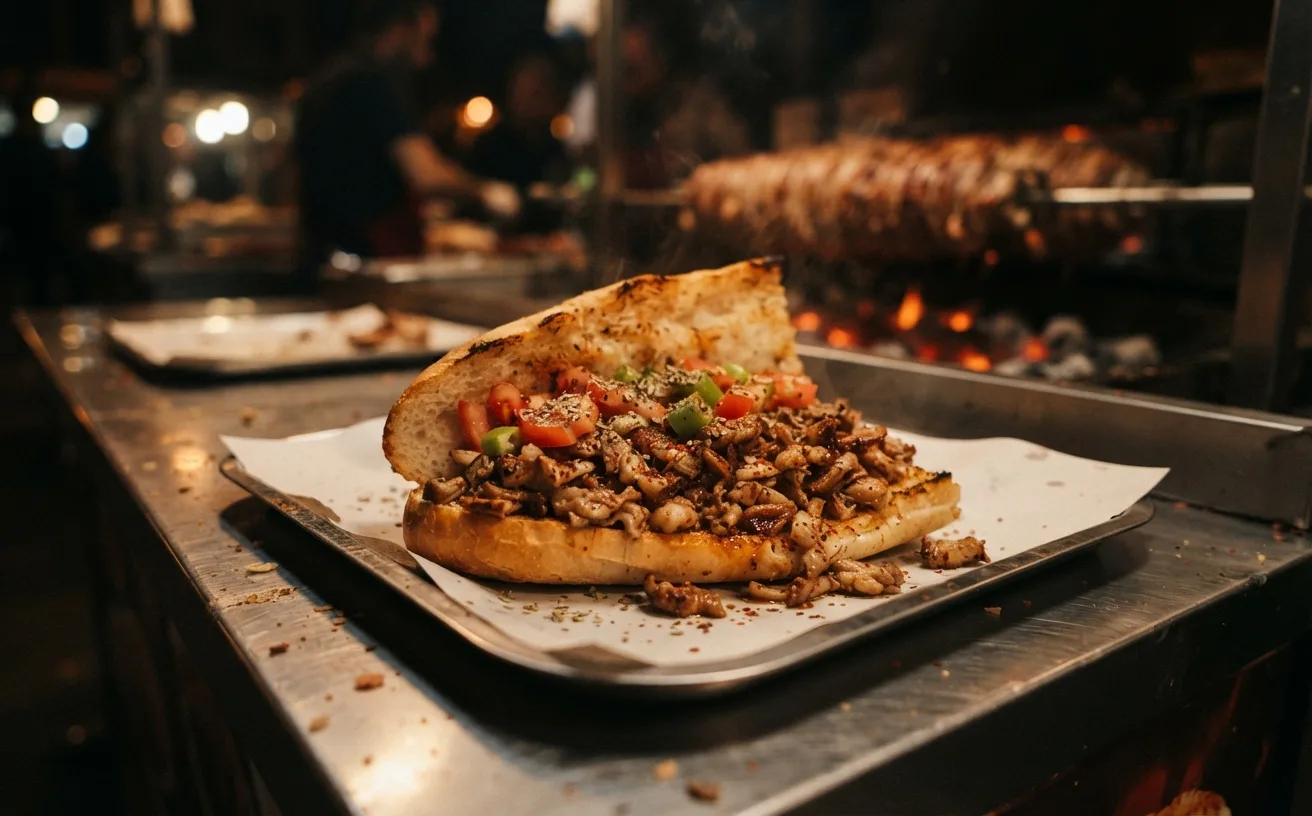
Fistikli Kebab (Pistachio Kebab)
Turkey
 AI illustration
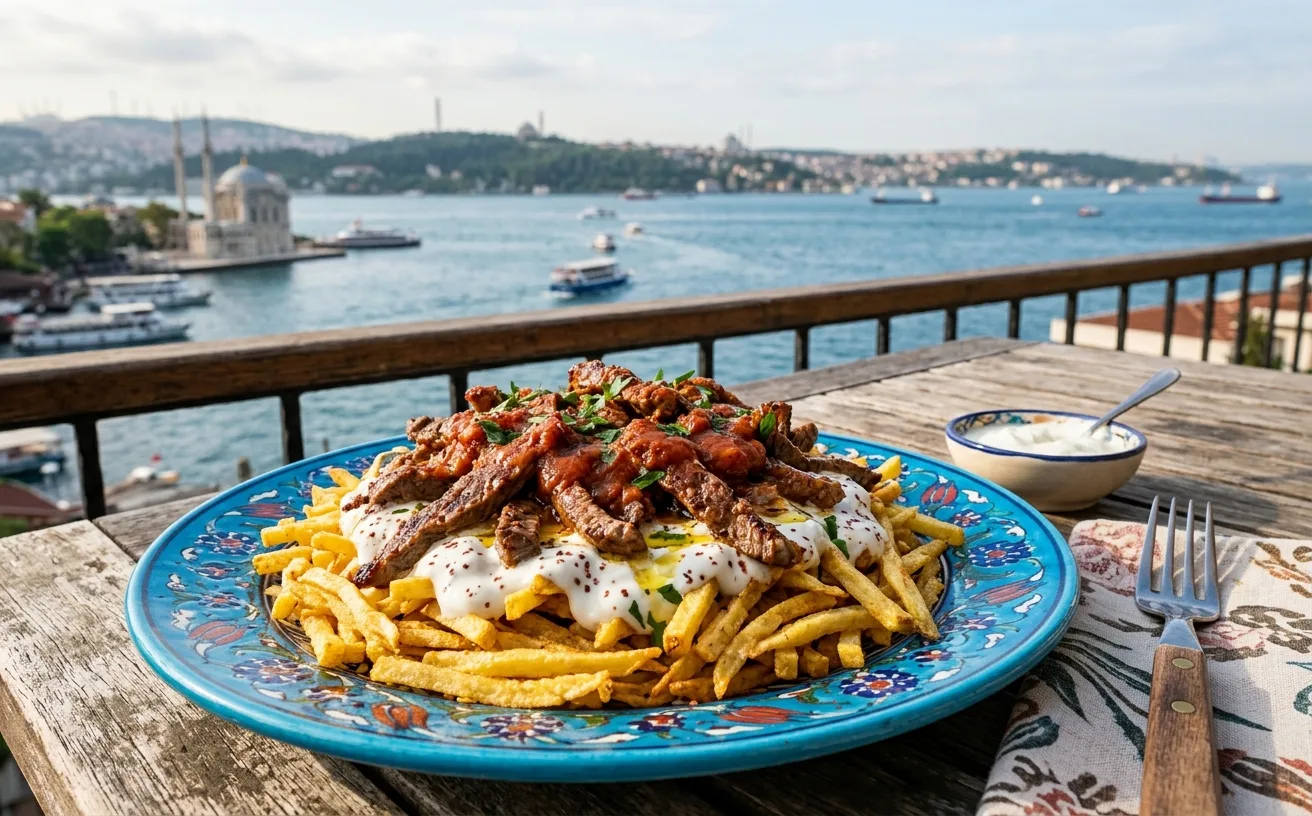
Kokorec
Turkey · ▶ 🎞
 AI illustration
Cokertme Kebab
Turkey · ▶ 🎞
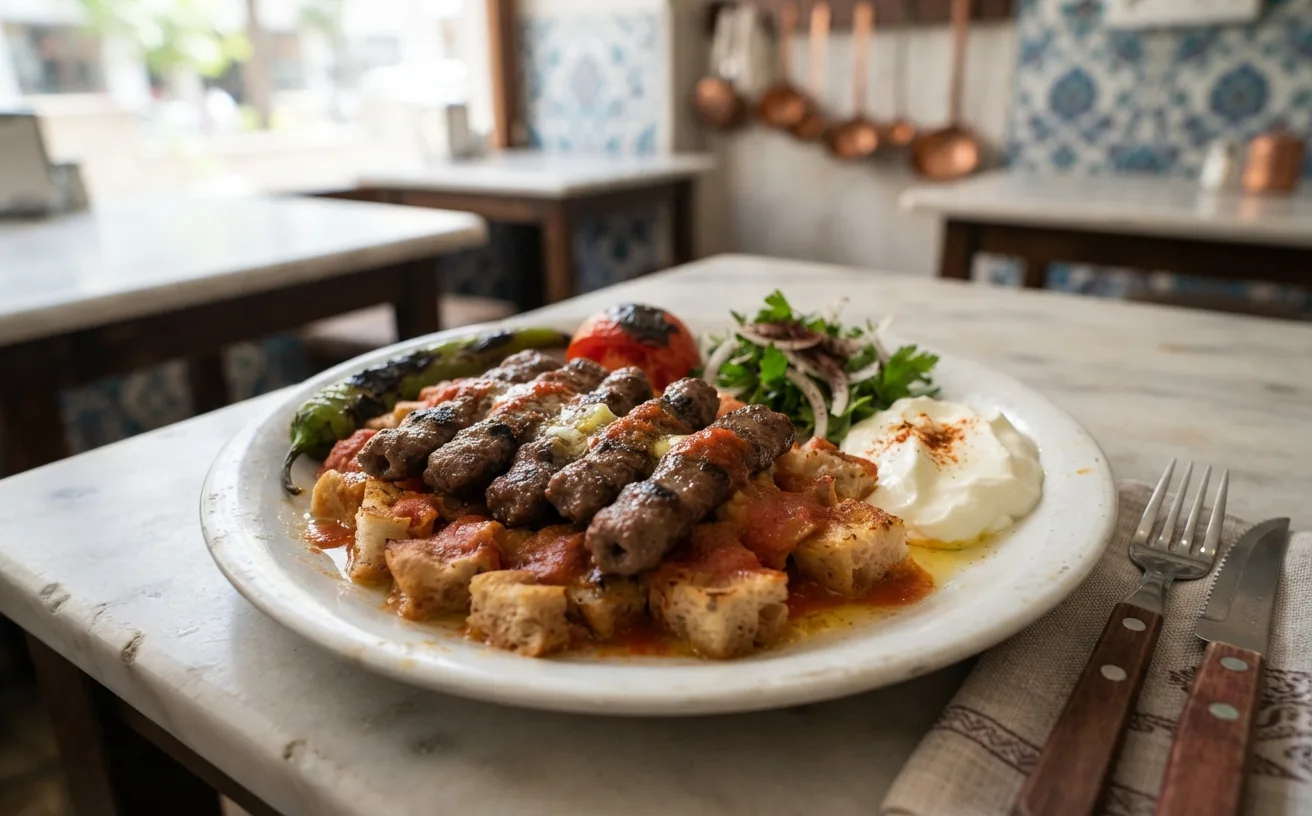 AI illustration
Manisa Kebab
Turkey · ▶
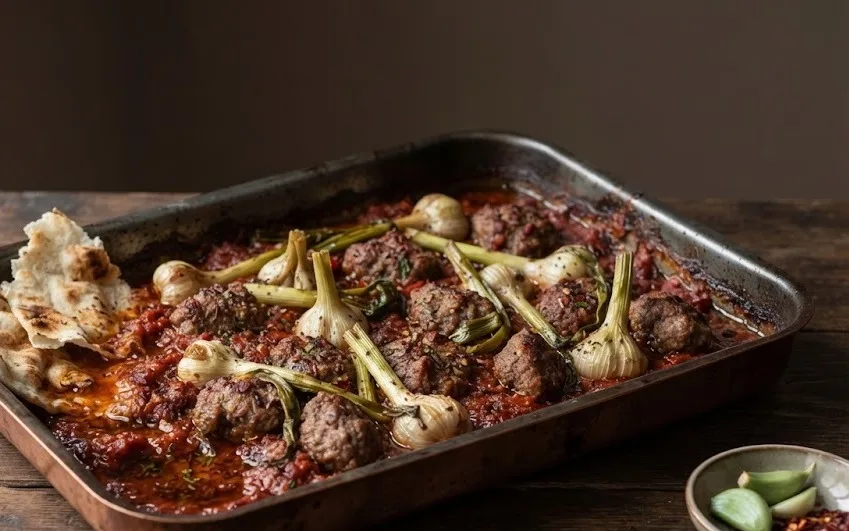 AI illustration
Sarimsak Kebab (Garlic Kebab)
Turkey
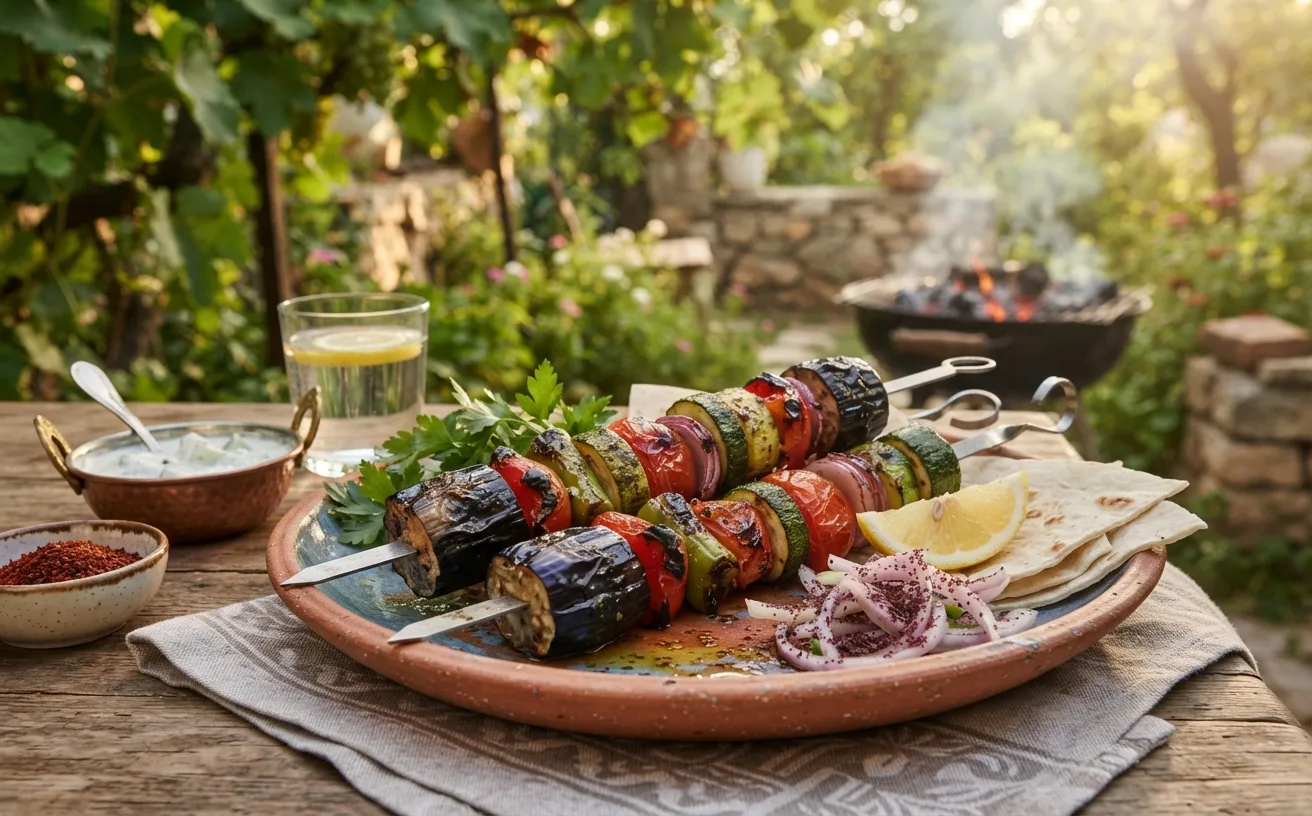 AI illustration
Sebze Kebab (Vegetable Kebab)
Turkey
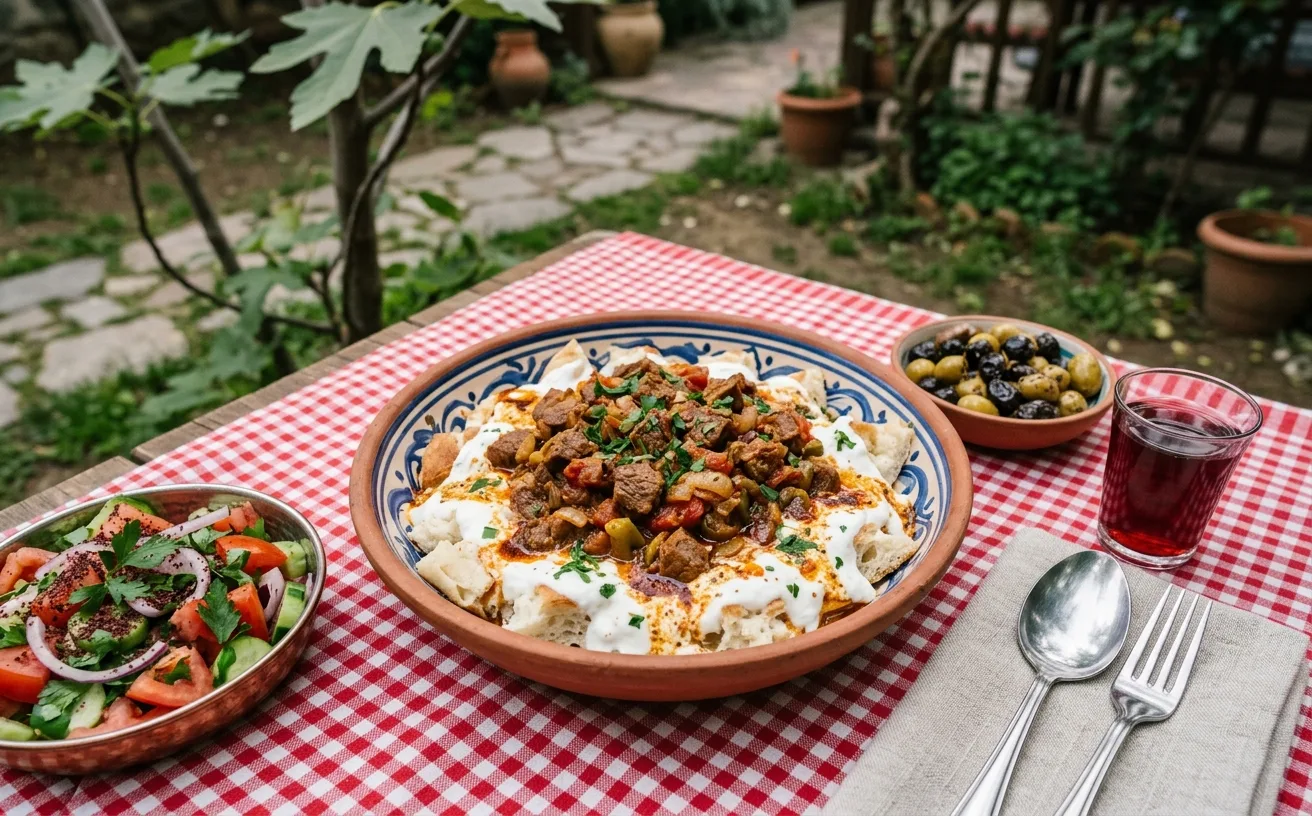 AI illustration
Ramazan Kebab
Turkey · ▶ 🎞
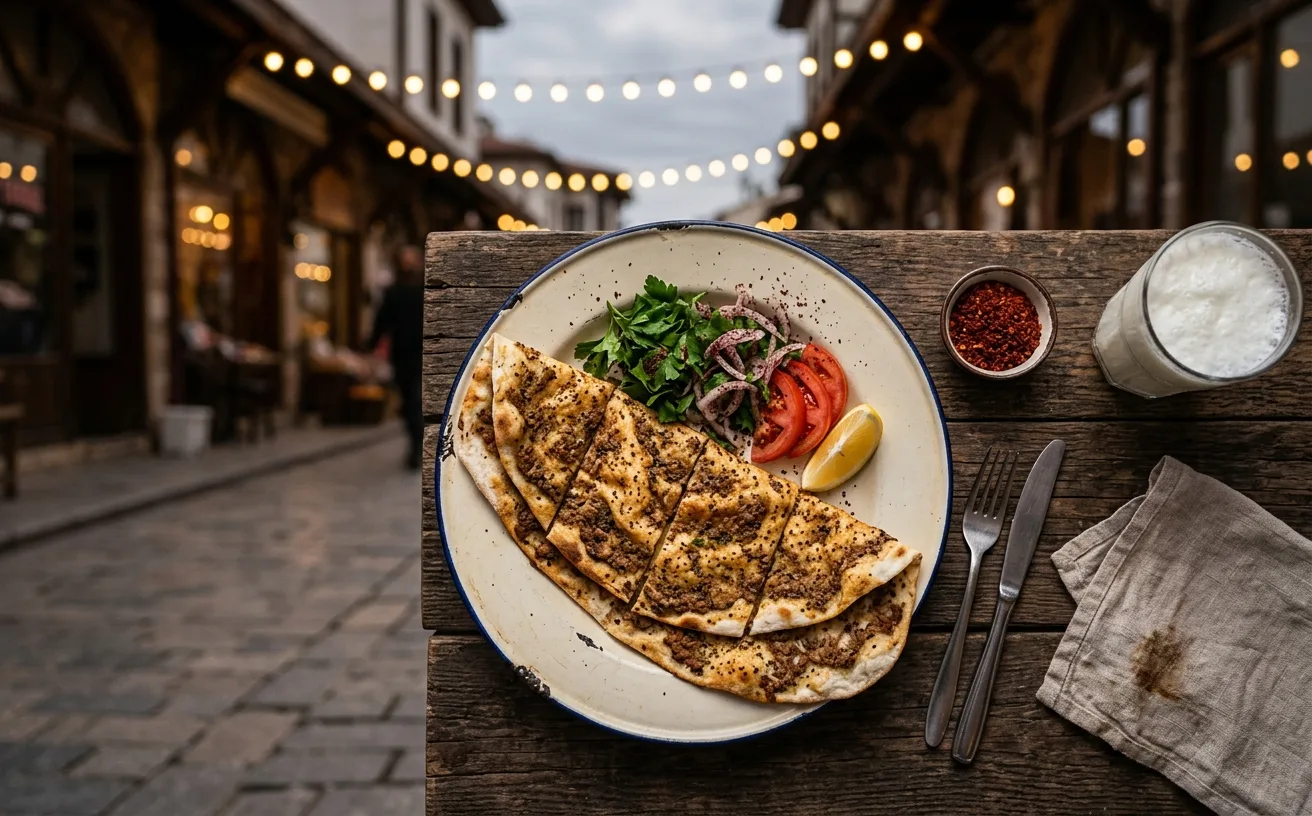 AI illustration
Hashas Kebab (Poppy Kebab)
Turkey · ▶
Quick index
- Adana Kebab — Hand-minced lamb and tail fat seasoned with hot red pepper, pressed by hand along a wide flat skewer and grilled over coals.
- Urfa Kebab — The milder southeastern sibling of the Adana: the same hand-minced lamb on a flat skewer, but seasoned with smoky, non-hot isot (Urfa) pepper and a touch more garlic.
- Iskender Kebab — A Bursa invention from the 1860s: thin ribbons of doner laid over cubes of pide bread, doused with tomato sauce and sizzling melted butter, with thick yogurt on the side.
- Doner Kebab — Seasoned lamb, beef, or chicken stacked into an inverted cone on a vertical spit and shaved off in thin slices as the outside roasts.
- Yaprak Doner — The connoisseur's doner, built from whole marinated leaves of lamb or beef layered on the spit rather than minced paste.
- Tombik Doner — Istanbul's plump doner sandwich: shaved meat tucked into a round, hollow gobit bun that is toasted against the spit so it drinks up the fat.
- Durum — Any grilled kebab or doner rolled tightly in thin lavas or yufka flatbread with onions, parsley, and sumac.
- Tantuni — Mersin's street-food signature: finely chopped beef or lamb flash-fried on a domed sac griddle with cottonseed oil, then rolled in thin bread with tomato, parsley, and a squeeze of lemon.
- Beyti Kebab — Grilled minced lamb or beef rolled inside lavash, sliced into pinwheels, and finished with tomato sauce, butter, and yogurt.
- Shish Kebab — The archetype of the family: marinated cubes of lamb (or beef) threaded on a sword-like metal skewer and grilled over open coals.
- Cop Shish — Aegean 'trash skewer' from around Selcuk and Ephesus: tiny nuggets of lamb and fat — originally butcher's trimmings — packed on thin wooden skewers and grilled fast.
- Chicken Shish (Tavuk Shish) — Cubes of chicken thigh or breast marinated in yogurt, tomato or pepper paste, and garlic, then char-grilled on skewers.
- Cag Kebab — Erzurum's horizontal-spit ancestor of the doner: layers of marinated lamb roast sideways over a wood fire, and portions are speared off the crusty edge onto small skewers called cag.
- Testi Kebab — A Cappadocian showpiece in which meat, vegetables, and juices are sealed inside a clay jug and slow-cooked in embers, then the vessel is cracked open at the table.
- Tepsi Kebab — A Hatay/Antakya specialty where spiced minced lamb is kneaded with garlic and pepper paste, pressed flat into a round baking tray, topped with tomato and pepper rings, and baked.
- Ali Nazik Kebab — A Gaziantep classic pairing fire-roasted, smoky eggplant puree beaten with garlicky yogurt under a topping of buttery minced lamb saute or kebab.
- Classic Kofta Kebab — The Middle East's classic meatball skewer: minced lamb and beef mixed with grated onion, plenty of chopped parsley, baharat and cumin, shaped into cigars or balls, threaded onto metal skewers and char-grilled.
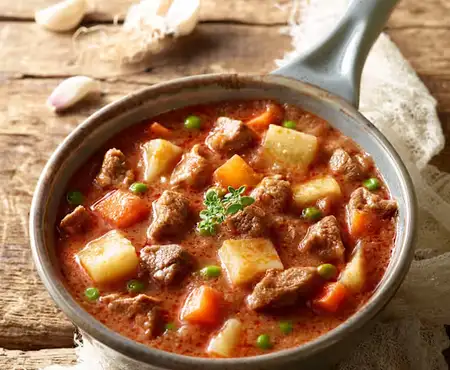
- Orman Kebab — The 'forest kebab', a homestyle oven stew of bone-in lamb chunks braised with carrots, potatoes, and peas.
- Patlican Kebab — A southeastern skewer alternating thick slices of eggplant with balls of spiced minced lamb, grilled so the eggplant collapses and soaks up the meat's fat.
- Corum Tandir Kebab — Whole cuts of lamb slow-roasted for hours in a sealed tandir pit or oven until the meat slips from the bone, a specialty associated with Corum in central Anatolia.
- Kuyu Kebab — Lamb suspended inside a deep, sealed 'well' oven dug into the ground and roasted by radiant heat, notably in Aydin and central Anatolia.
- Buryan Kebab — The pit-roasted lamb of Siirt and Bitlis: whole carcass halves hung in a covered well oven over embers, steaming and roasting at once until the fat crisps.
- Tas Kebab — An old Ottoman 'bowl kebab' of beef or lamb cubes braised slowly with onions and tomato until spoon-tender, often served with rice or mashed potatoes.
- Kazan Kebab — A Sanliurfa home dish that the city's own recipe archive files under vegetables, not meat: long eggplants are slit and packed with seasoned minced meat, set tight in a wide pan with a little tomato water, covered and cooked low until the liquid is gone.
- Kagit Kebab — Lamb and vegetables sealed in a parchment (originally greased paper) parcel and baked, so the meat steams in its own juices — a dish cooked across Turkey, distinct from the minced-beef kagit kebabi registered to Antakya.
- Islim Kebab — Meatballs or lamb chunks wrapped in ribbons of fried eggplant, pinned with toothpicks, and oven-braised in tomato sauce.
- Ciger Kebab (Liver Kebab) — Cubes of fresh lamb liver interleaved with tail fat on thin skewers and grilled hard and fast over coals, a dawn ritual in Sanliurfa and Diyarbakir.
- Kusleme — Gaziantep's most prized skewer: the small, tender loin strips along the lamb's spine, grilled with almost no seasoning so the meat speaks for itself.
- Keme Kebab (Truffle Kebab) — A springtime rarity of Sanliurfa in which earthy desert truffles (keme) are skewered alternately with lamb cubes and grilled.
- Sogan Kebab (Onion Kebab) — A winter dish from Gaziantep: small kofte roasted in a tray among whole baby onions, then dressed with a tart pomegranate-molasses sauce.
- Yeni Dunya Kebab (Loquat Kebab) — A fleeting spring specialty of Gaziantep and Hatay pairing halved loquats with minced-lamb kofte on the same skewer.
- Simit Kebab — A Gaziantep skewer in which fine bulgur (called simit locally, no relation to the bread ring) is kneaded into spiced minced lamb before grilling.
- Fistikli Kebab (Pistachio Kebab) — Gaziantep's showpiece: minced lamb kneaded with a generous measure of chopped Antep pistachios and grilled on flat skewers.
- Kokorec — Seasoned lamb intestines wound tightly around sweetbreads on a horizontal spit and roasted until crackling, then chopped fine with tomato and oregano into a half loaf of bread.
- Cokertme Kebab — A Bodrum-coast dish of thin strips of marinated veal laid over a bed of shoestring fried potatoes, garlicky yogurt, and tomato sauce.
- Manisa Kebab — The Aegean town of Manisa's take: slim, casing-free kofte grilled and served over cubed pide slicked with butter and tomato, with grilled peppers and yogurt.
- Sarimsak Kebab (Garlic Kebab) — A spring-only Gaziantep tray kebab in which whole heads of fresh green garlic braise among lamb kofte until mellow and sweet.
- Sebze Kebab (Vegetable Kebab) — Chunks of eggplant, pepper, zucchini, onion, and mushroom marinated in olive oil and Turkish spices, skewered and char-grilled.
- Ramazan Kebab — An Istanbul iftar dish of sauteed lamb and onions spooned over torn fresh pide and yogurt, finished with hot butter.
- Hashas Kebab (Poppy Kebab) — A geographical-indication-registered specialty of Birecik, Sanliurfa: zirh-minced Ivesi lamb, seasoned with nothing but salt in its official recipe, packed onto forged-iron skewers and grilled over charcoal.