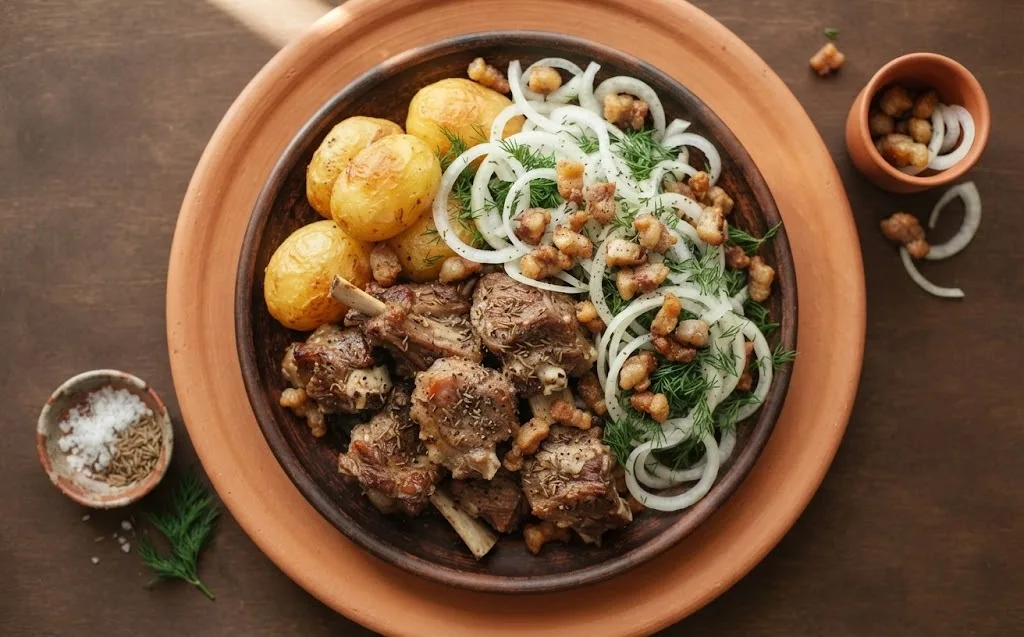
 AI illustration
Kazan Kabob
Uzbekistan
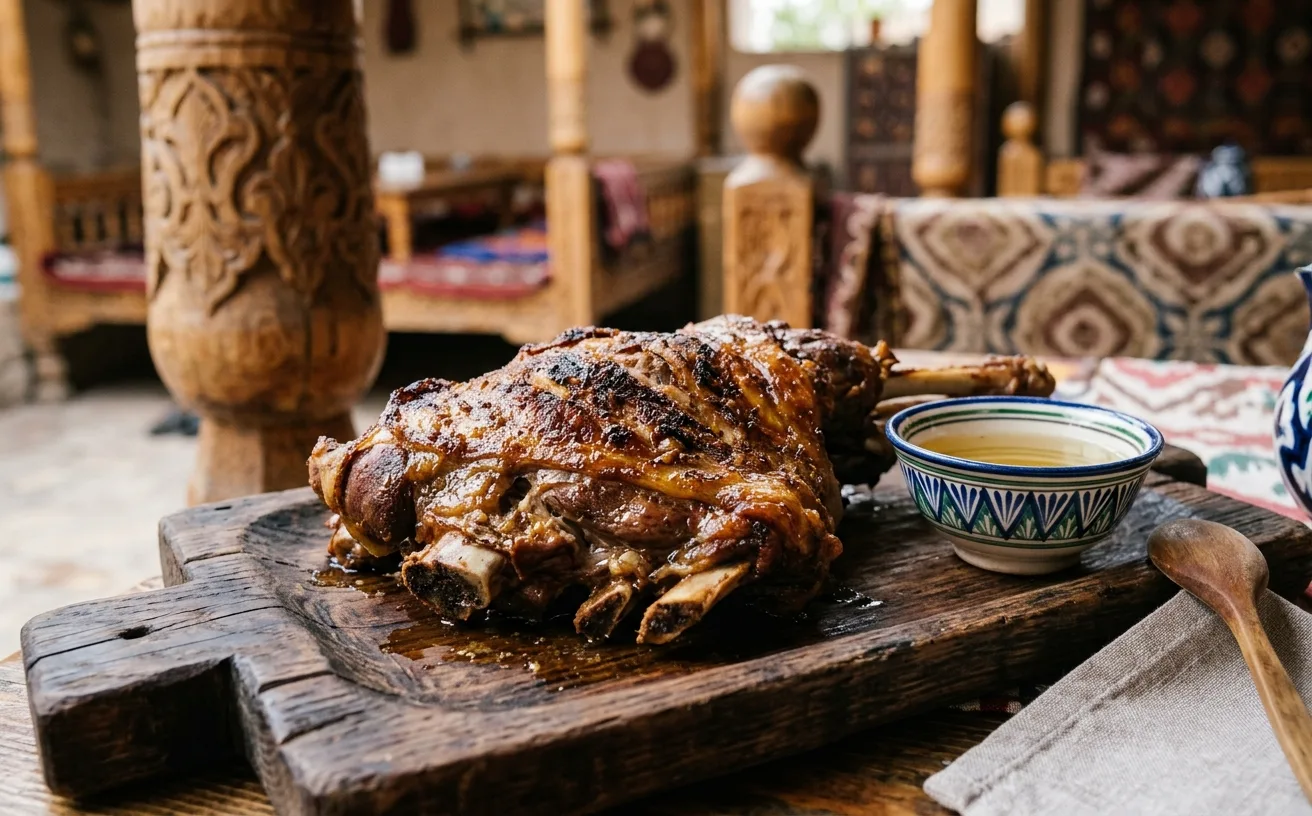 AI illustration
Tandir Kabob
Uzbekistan / Tajikistan · ▶
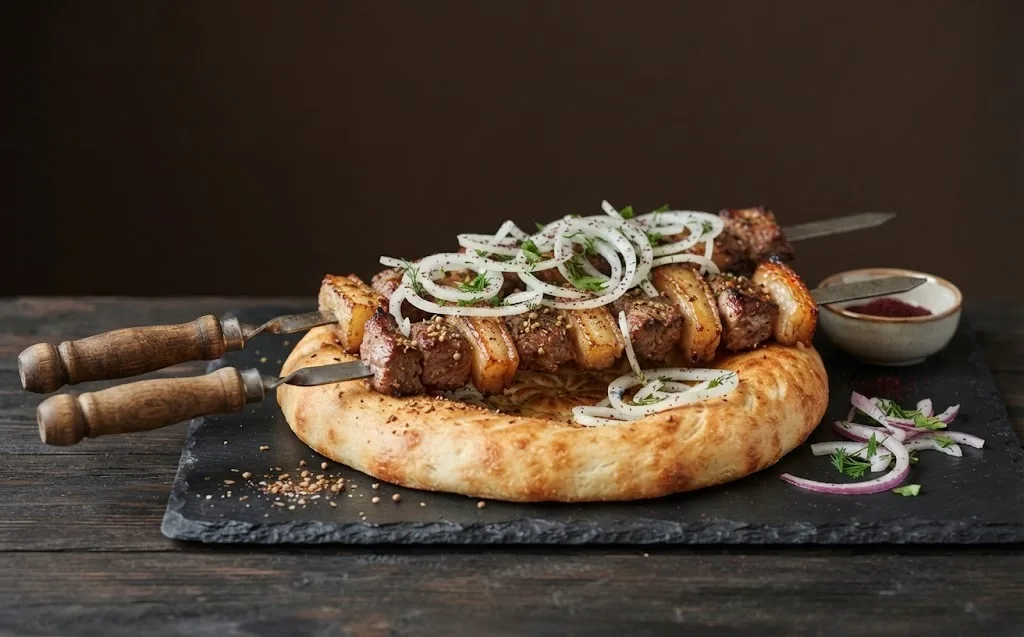 AI illustration
Uzbek Shashlik
Uzbekistan
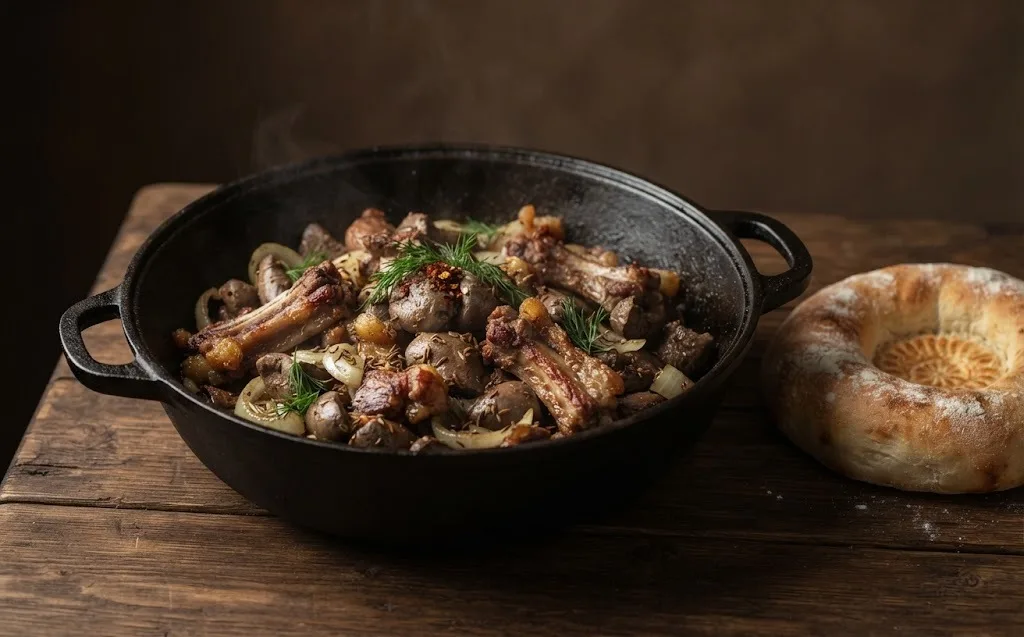 AI illustration
Jiz-Biz
Uzbekistan
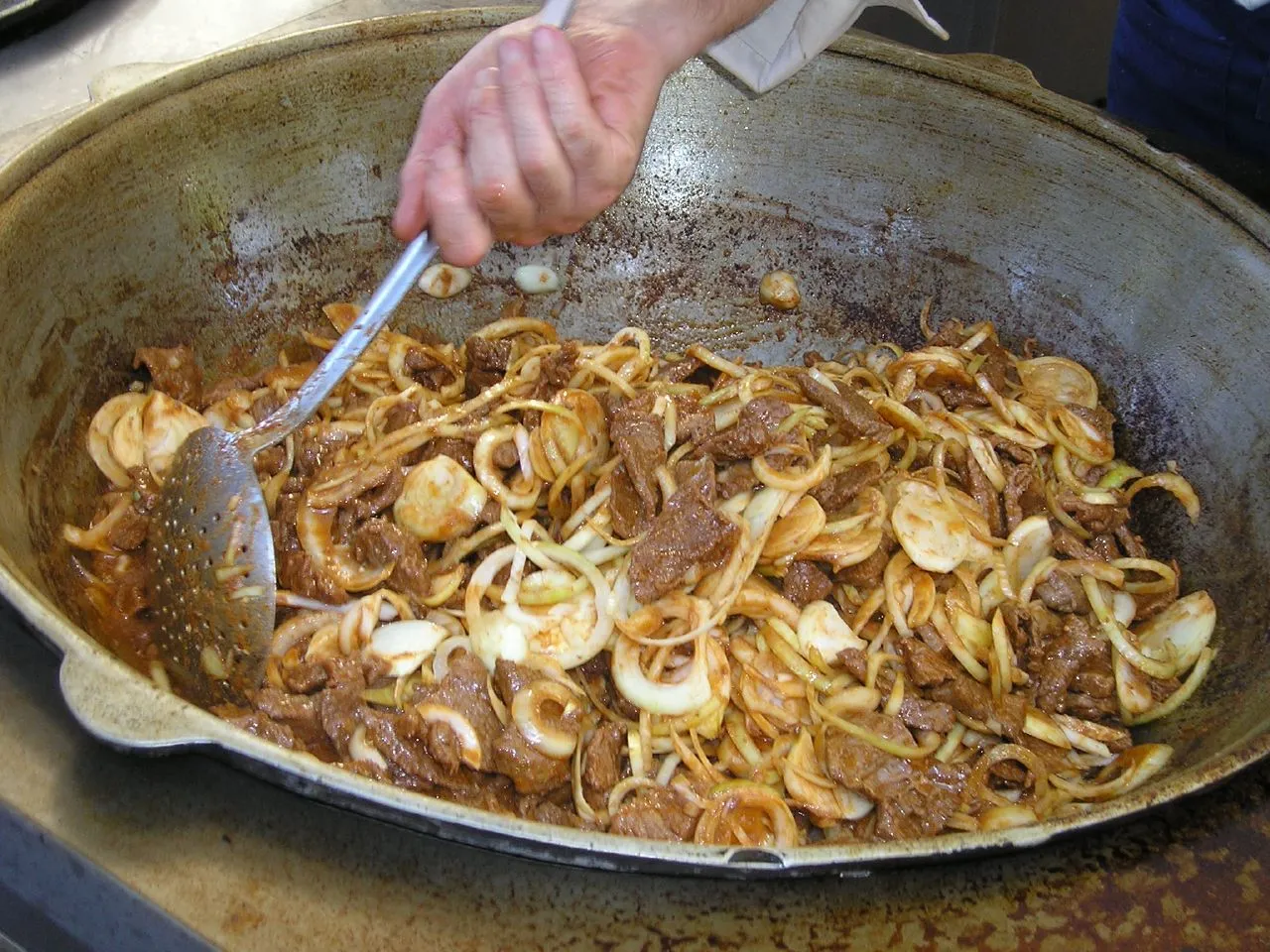
Kuurdak
Kyrgyzstan · ▶
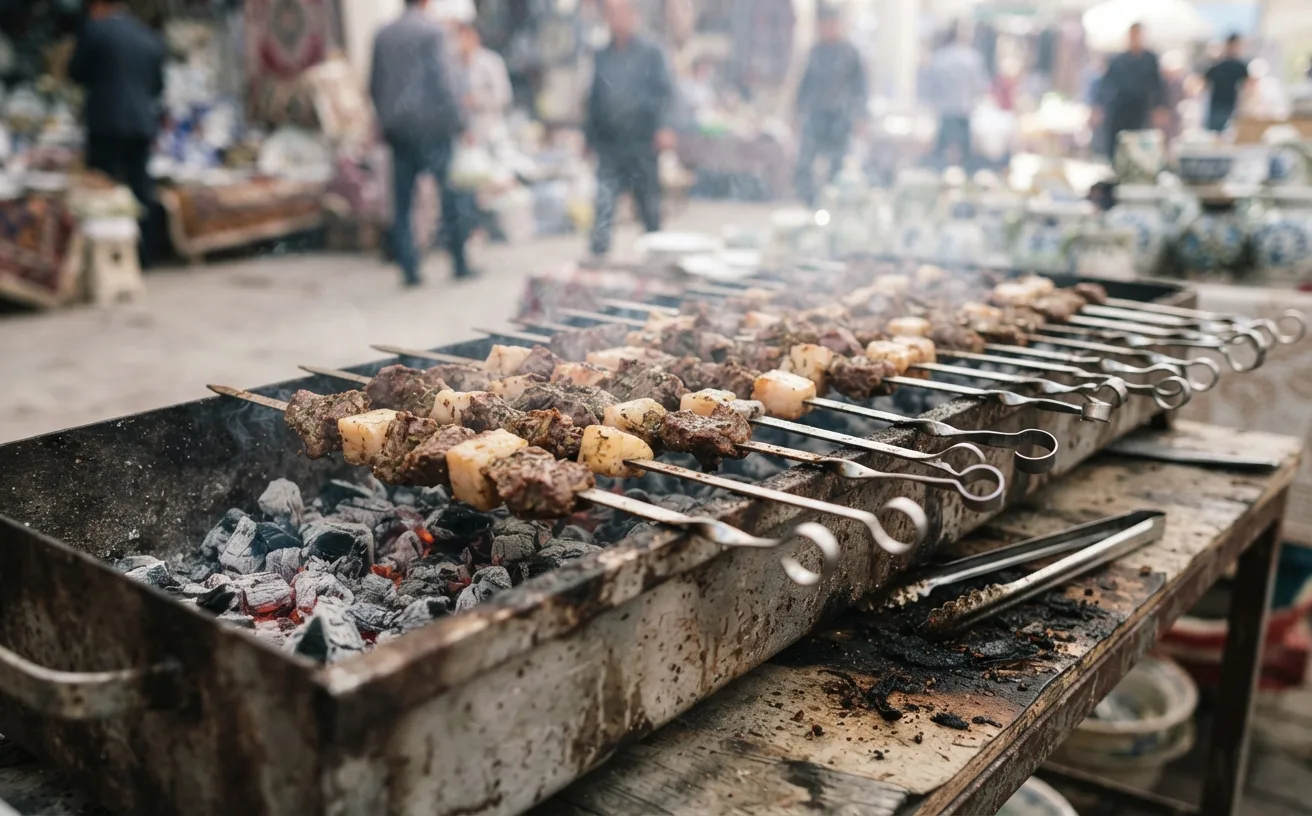 AI illustration
Sixkabob
Tajikistan · ▶
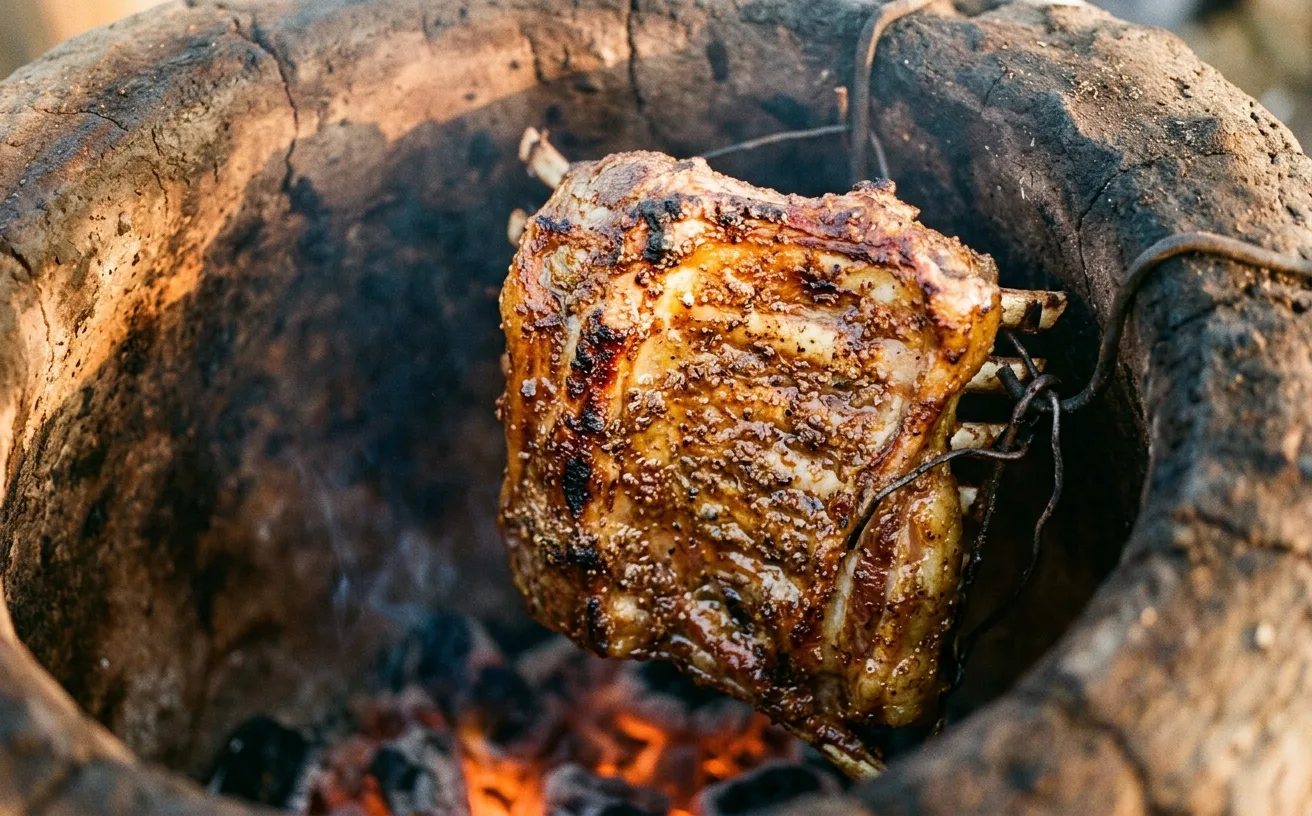 AI illustration
Tonur Kawap
China (Xinjiang) · ▶
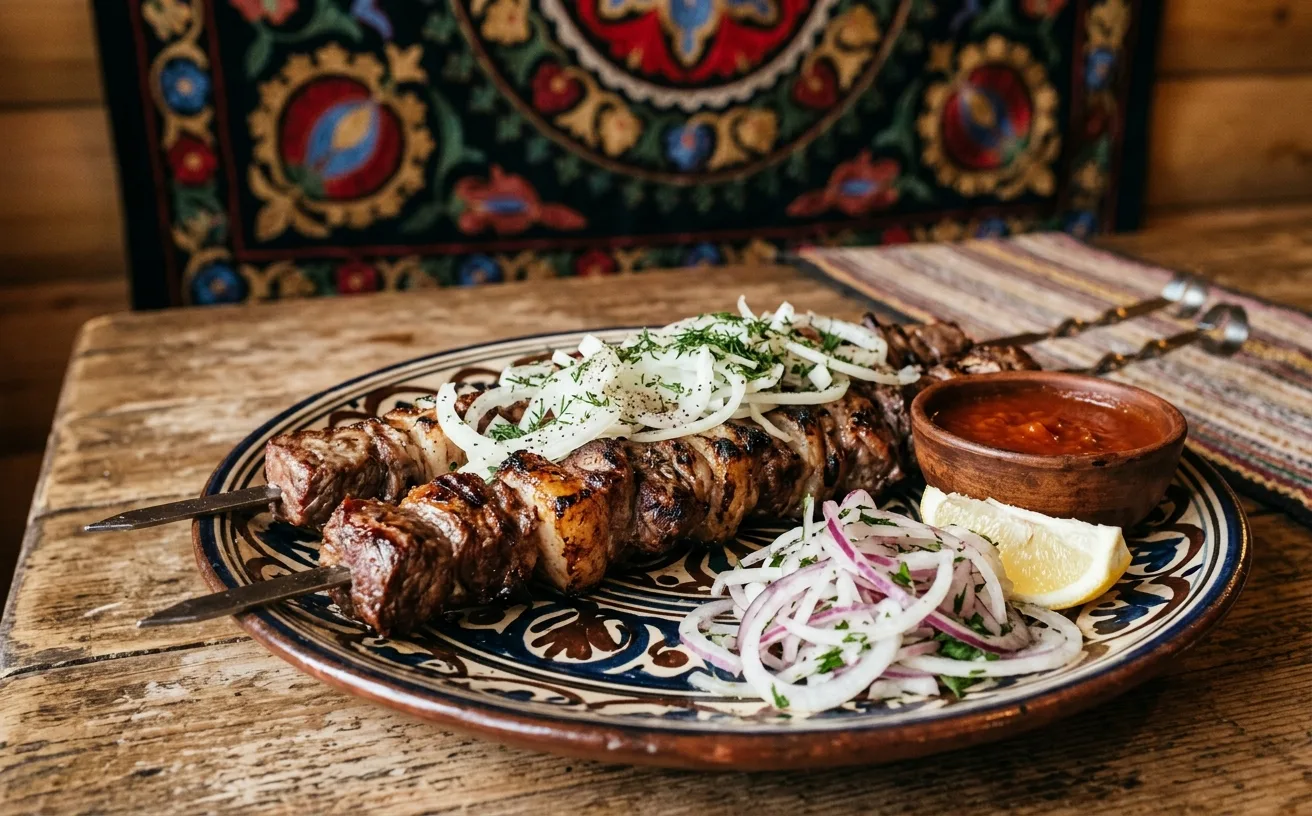 AI illustration
Kazakh Shashlyk
Kazakhstan
Quick index
- Kazan Kabob — An Uzbek 'kebab' with no skewer at all: lamb on the bone and potatoes fried in stages in deep fat, then finished together under the lid of a cast-iron kazan until the potatoes turn dense and savoury.
- Tandir Kabob — Whole sides of salt-rubbed lamb hung inside a sealed clay tandir over smoldering juniper or fruitwood branches, steam-roasting for hours until the meat pulls from the bone.
- Uzbek Shashlik — The Silk Road bazaar version of shashlik: small cubes of lamb alternated with slices of dumba (sheep tail fat), marinated with onion, vinegar, and generous cumin and coriander, then grilled fast over white-hot coals.
- Jiz-Biz — A sizzling Fergana Valley specialty of lamb liver, kidney, heart, and ribs flash-fried in tail fat in a kazan — its name imitates the hissing sound of the pan.
- Kuurdak — One of the oldest nomad meat dishes of Kyrgyzstan and Kazakhstan: chunks of mutton (fresh offal after a slaughter, by tradition) fried hard in tail fat with onions and later potatoes in a single pot.
- Sixkabob — Tajikistan's shashlik, whose name comes straight from 'six' (skewer): lamb marinated overnight in onion, vinegar, and cumin, often interleaved with tail fat or made in a two-meat version combining cubes and minced patties on the same skewer.
- Tonur Kawap — The Uyghur tandoor kebab: whole racks or legs of lamb rubbed with egg, flour, and spices, then roasted against the walls of a clay tonur oven until lacquered outside and juicy within.
- Kazakh Shashlyk — Kazakhstan's steppe rendition of the skewer, distinctive for its frequent use of horse meat or fatty mutton marinated in kefir or mineral water with onion and black pepper, traditionally grilled over the dense wood of the saxaul shrub, whose sale has been banned in Kazakhstan since 2017.