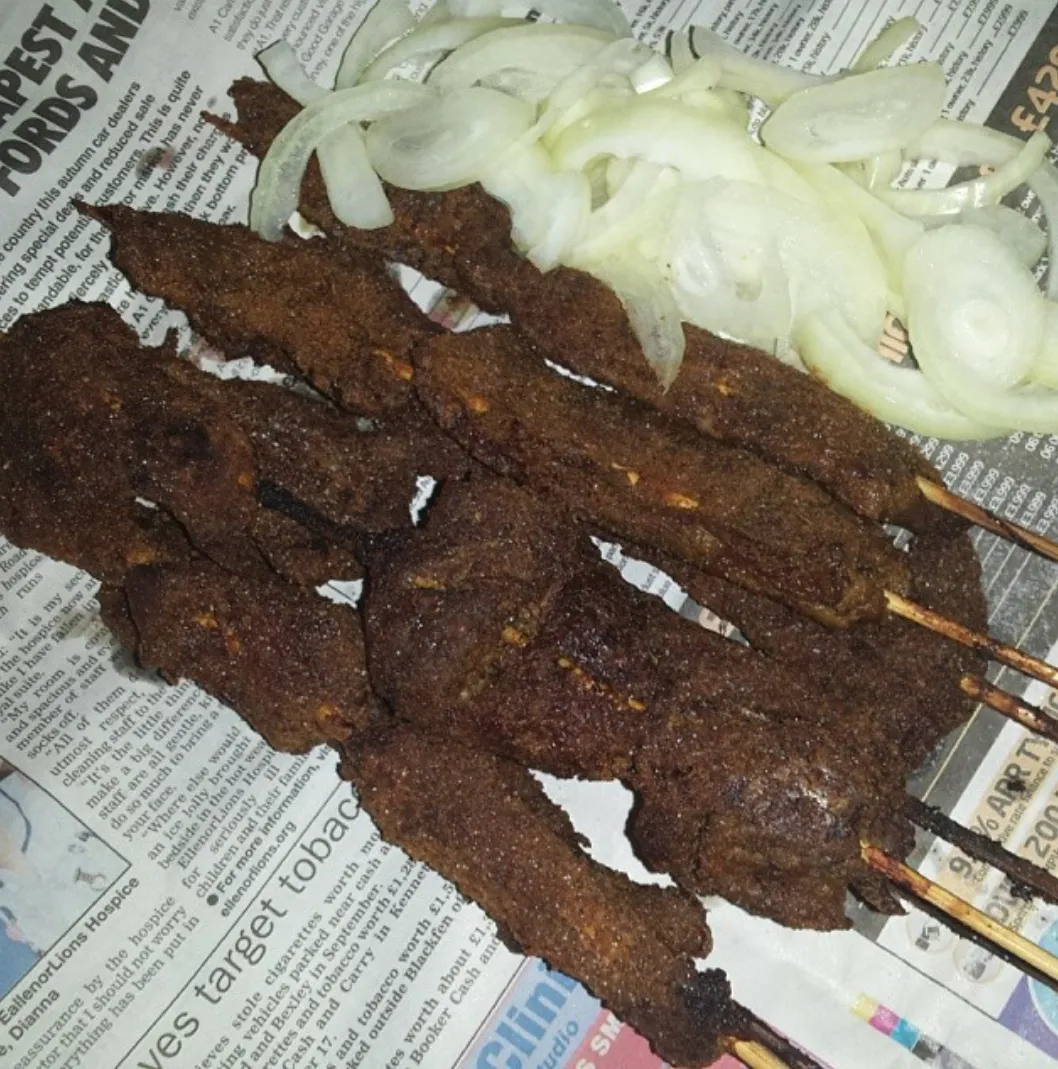
Suya
Nigeria · ▶
 AI illustration
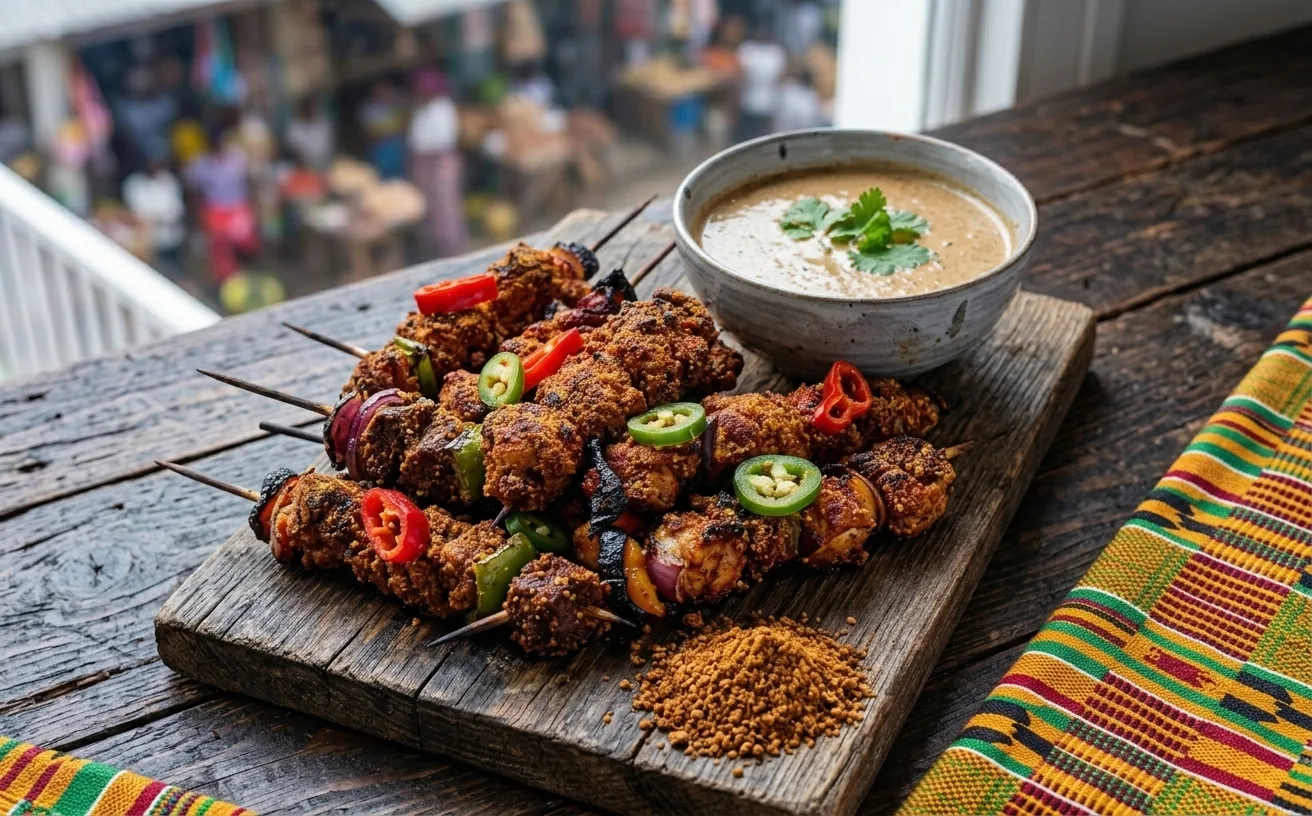
Kyinkyinga
Ghana · ▶
 AI illustration
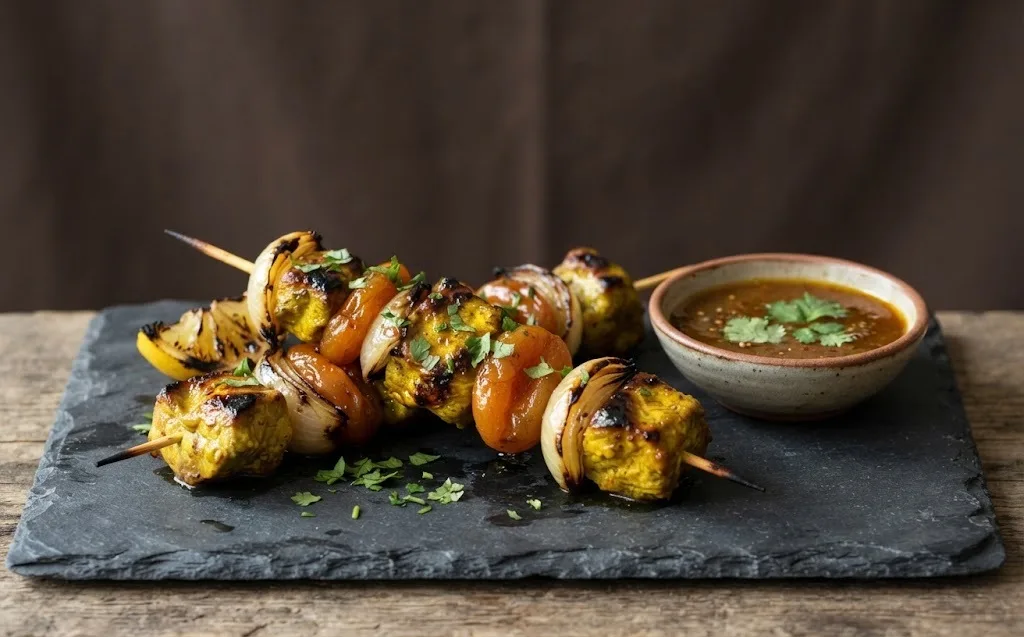
Sosatie
South Africa
 AI illustration
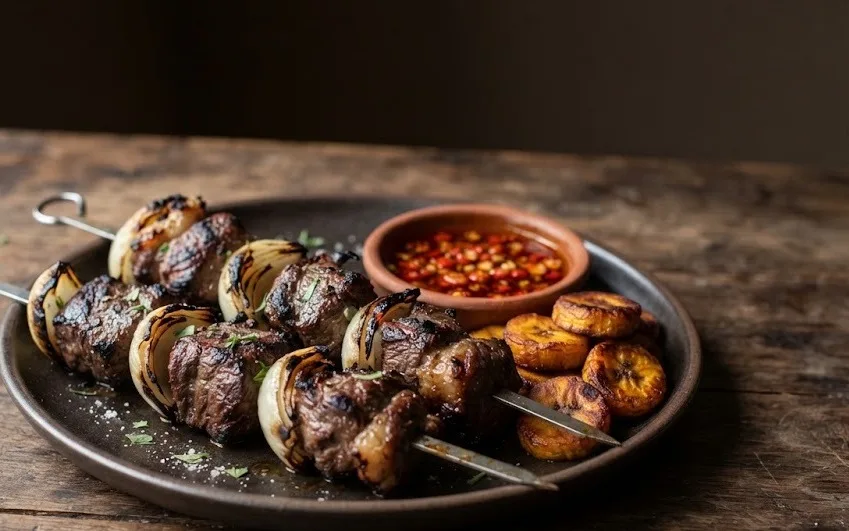
Brochettes (East African)
Rwanda / Burundi / DR Congo
 AI illustration
Moroccan Kefta Brochettes
Morocco · ▶
 AI illustration
Qotban (Moroccan Lamb Brochettes)
Morocco · ▶
Mechoui
Morocco
 AI illustration
Boulfaf (Liver Skewers)
Morocco · ▶
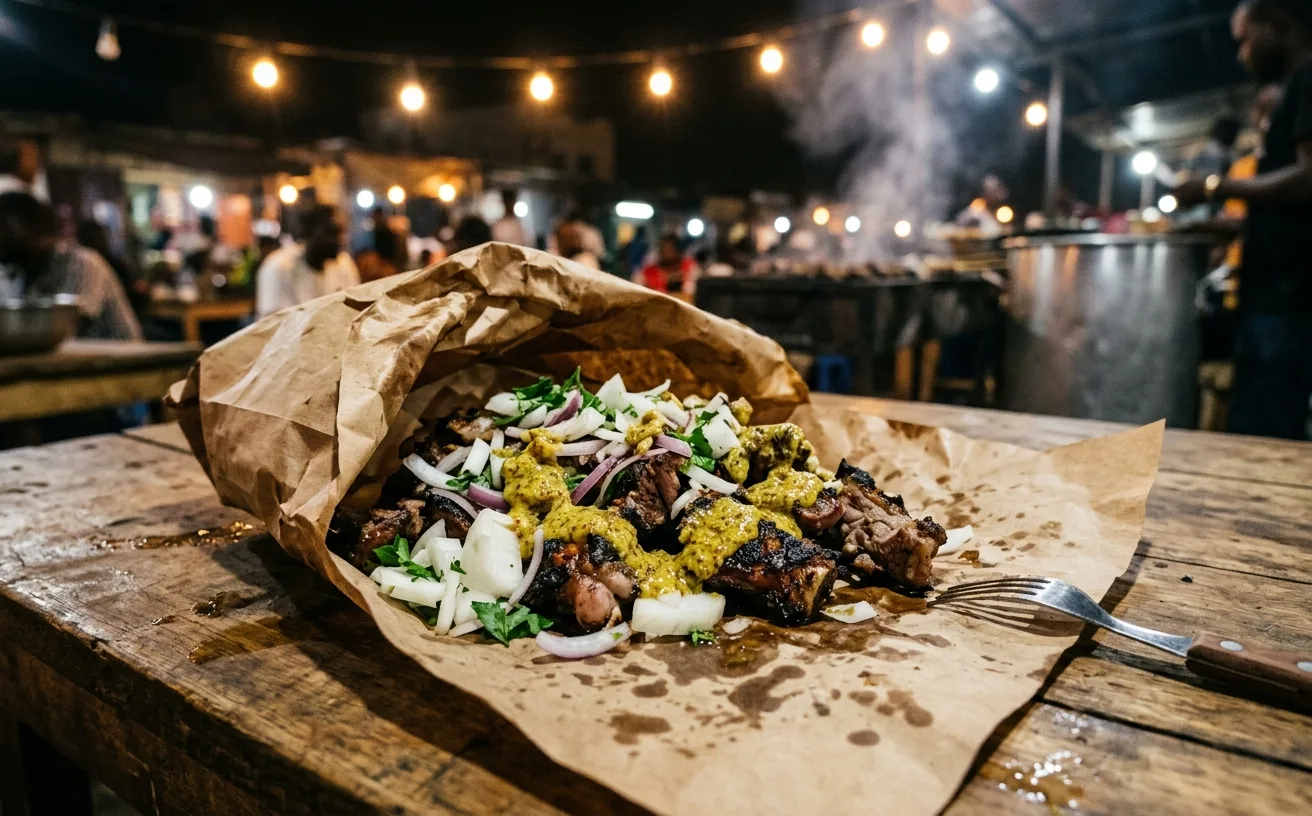 AI illustration
Dibi
Senegal · ▶
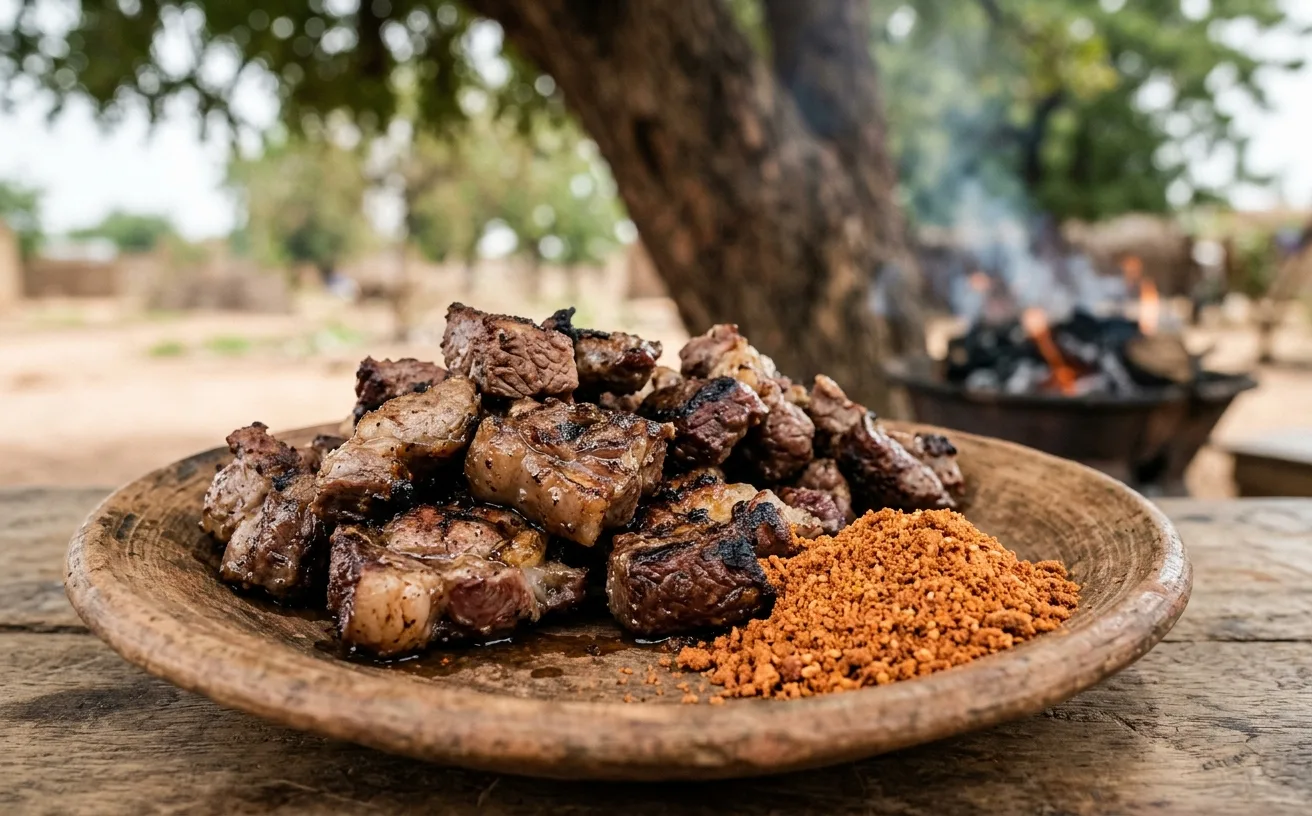 AI illustration
Balangu
Nigeria · ▶
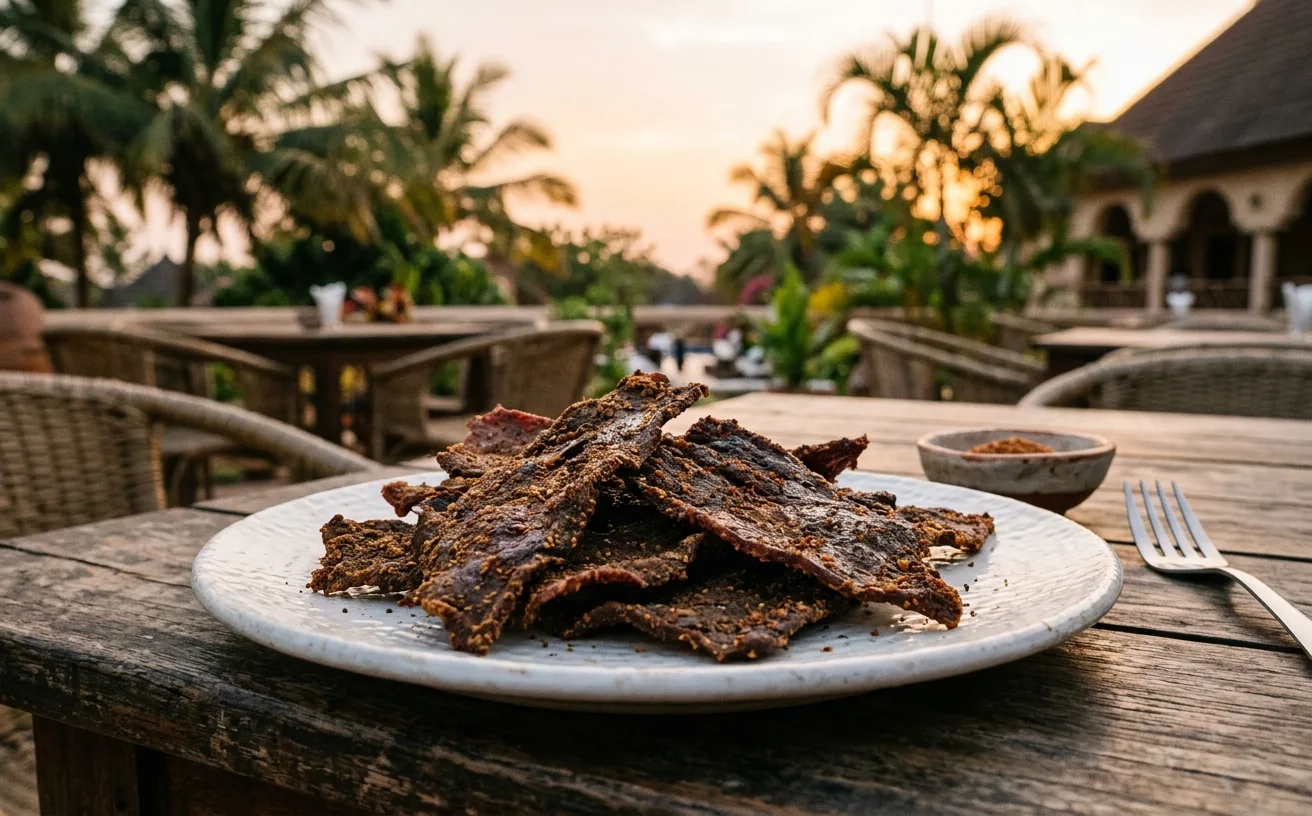 AI illustration
Kilishi
Nigeria · ▶
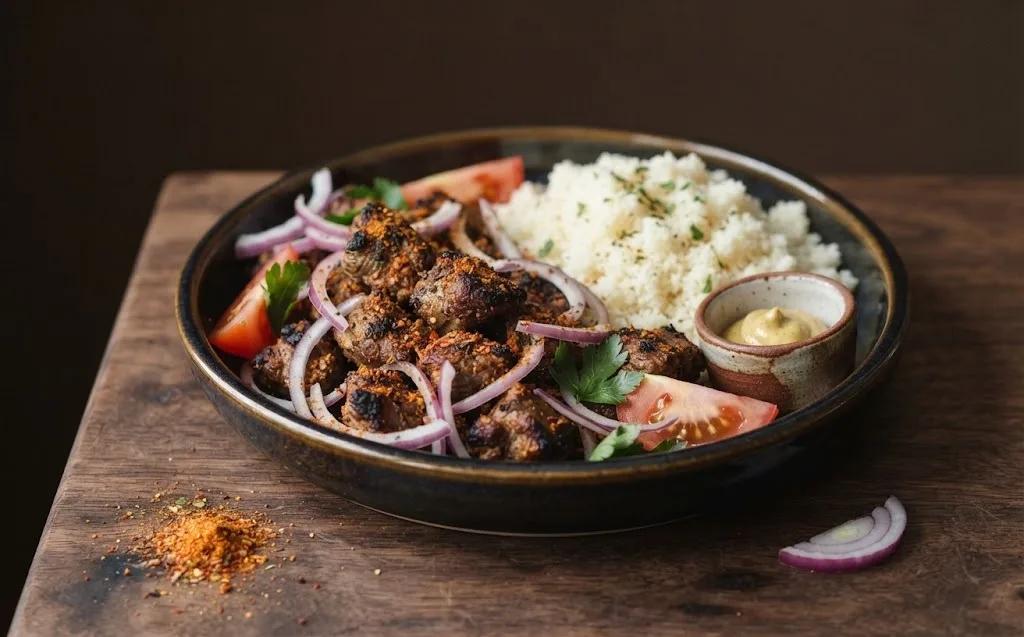 AI illustration
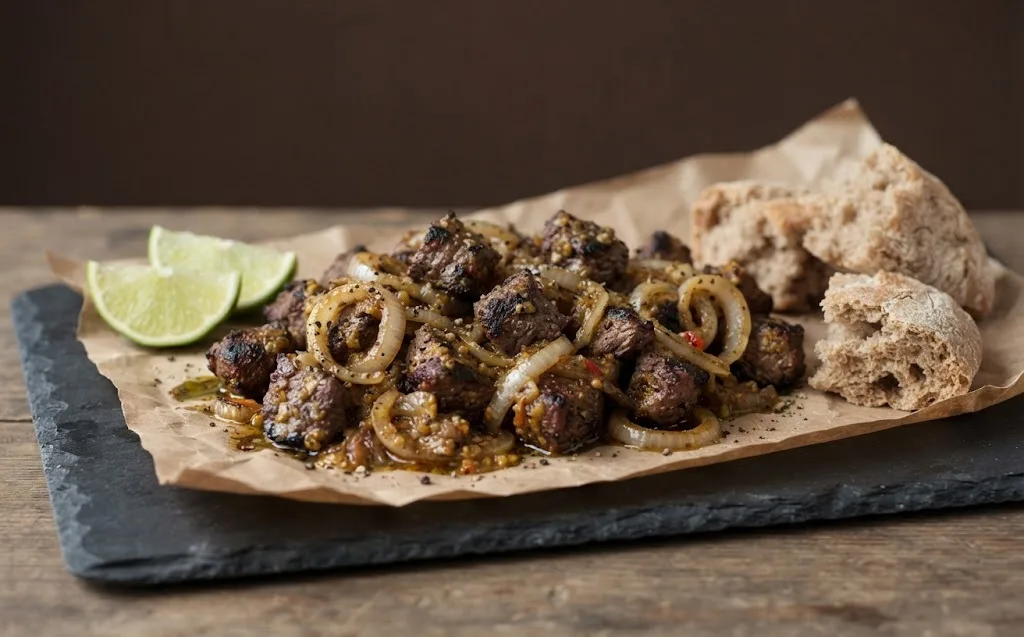
Choukouya
Ivory Coast
 AI illustration
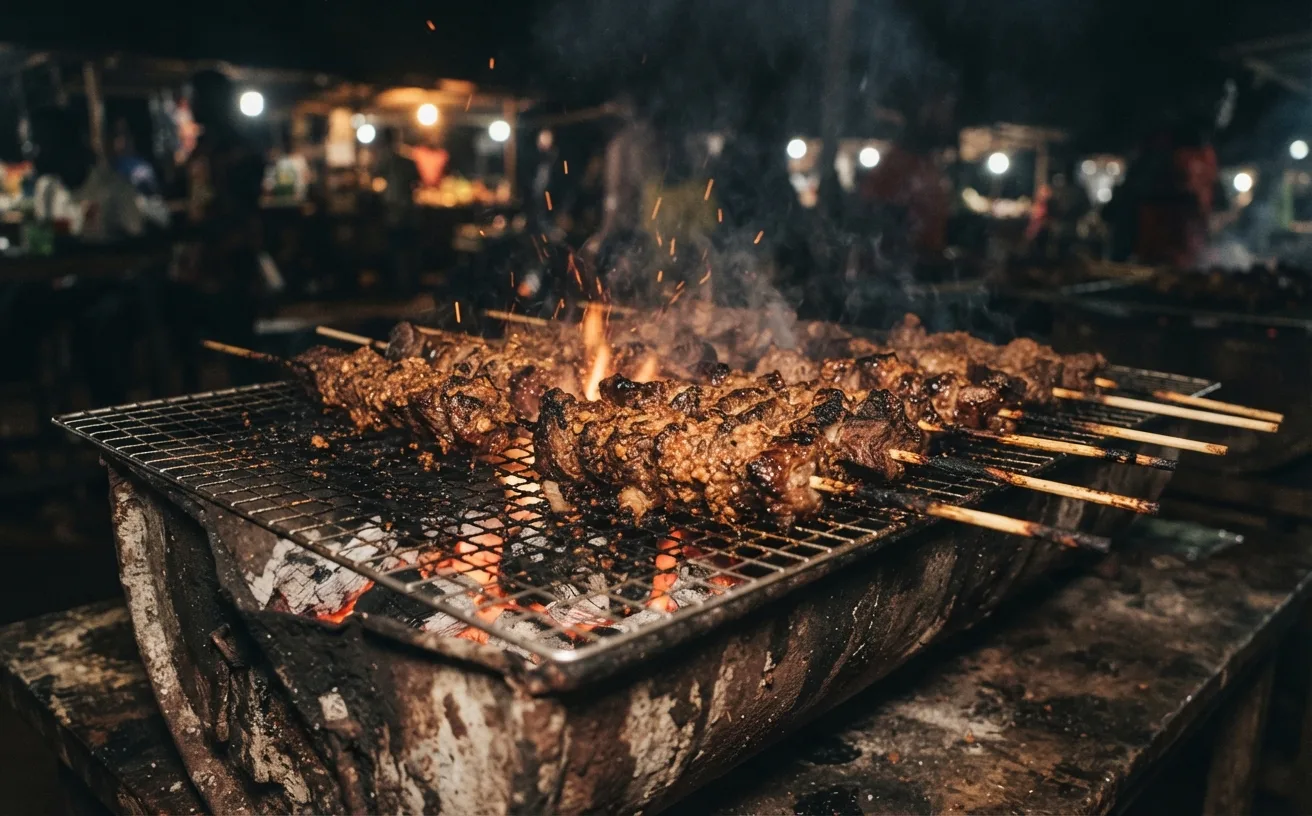
Afra
Gambia
 AI illustration
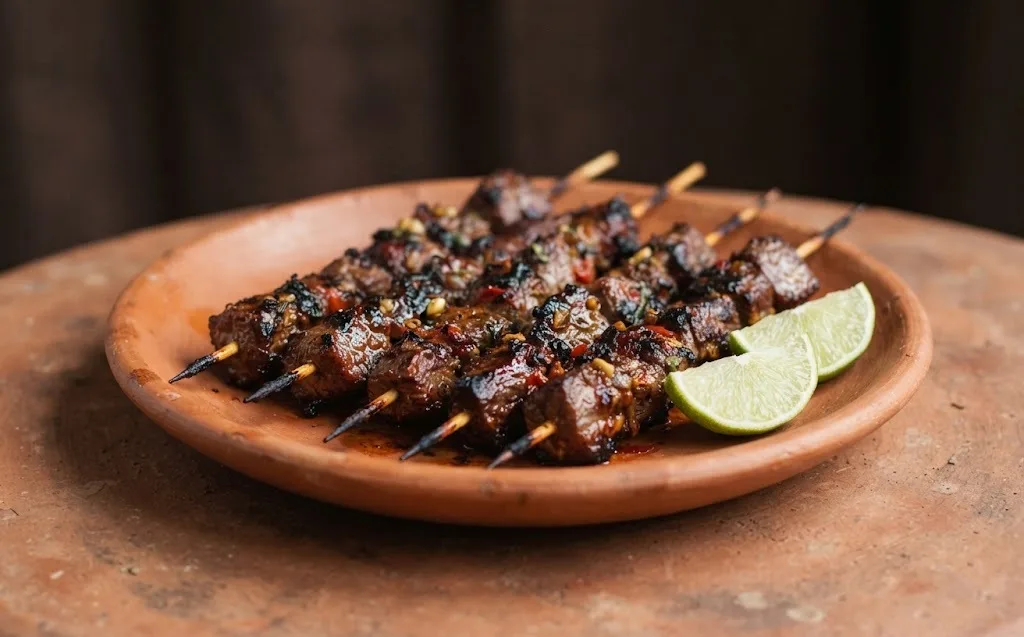
Soya (Cameroonian Suya)
Cameroon · ▶
 AI illustration
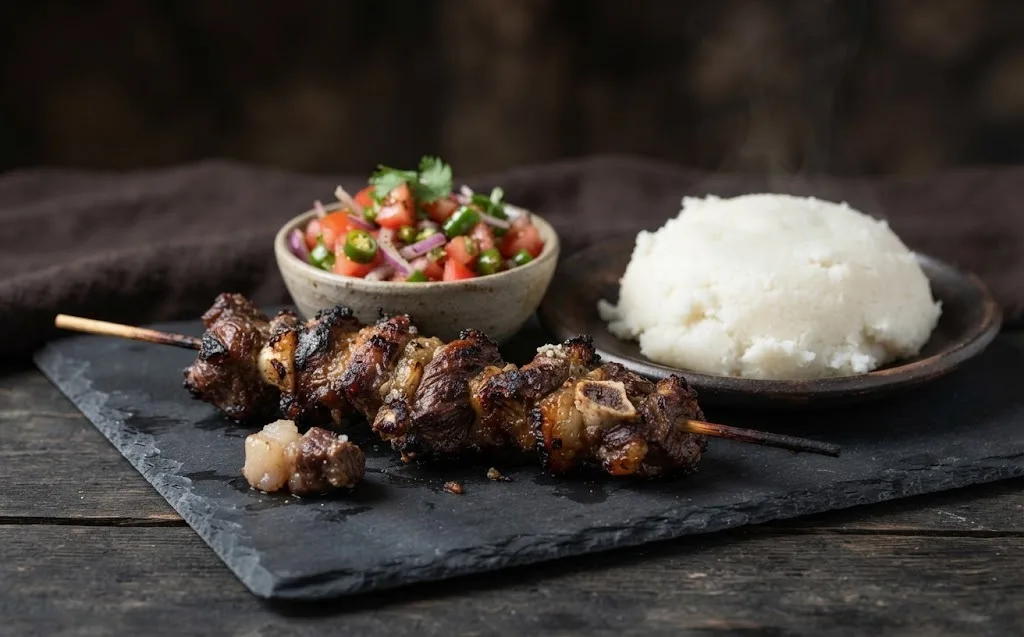
Mishkaki
Tanzania · ▶
 AI illustration
Nyama Choma Skewers
Kenya · ▶
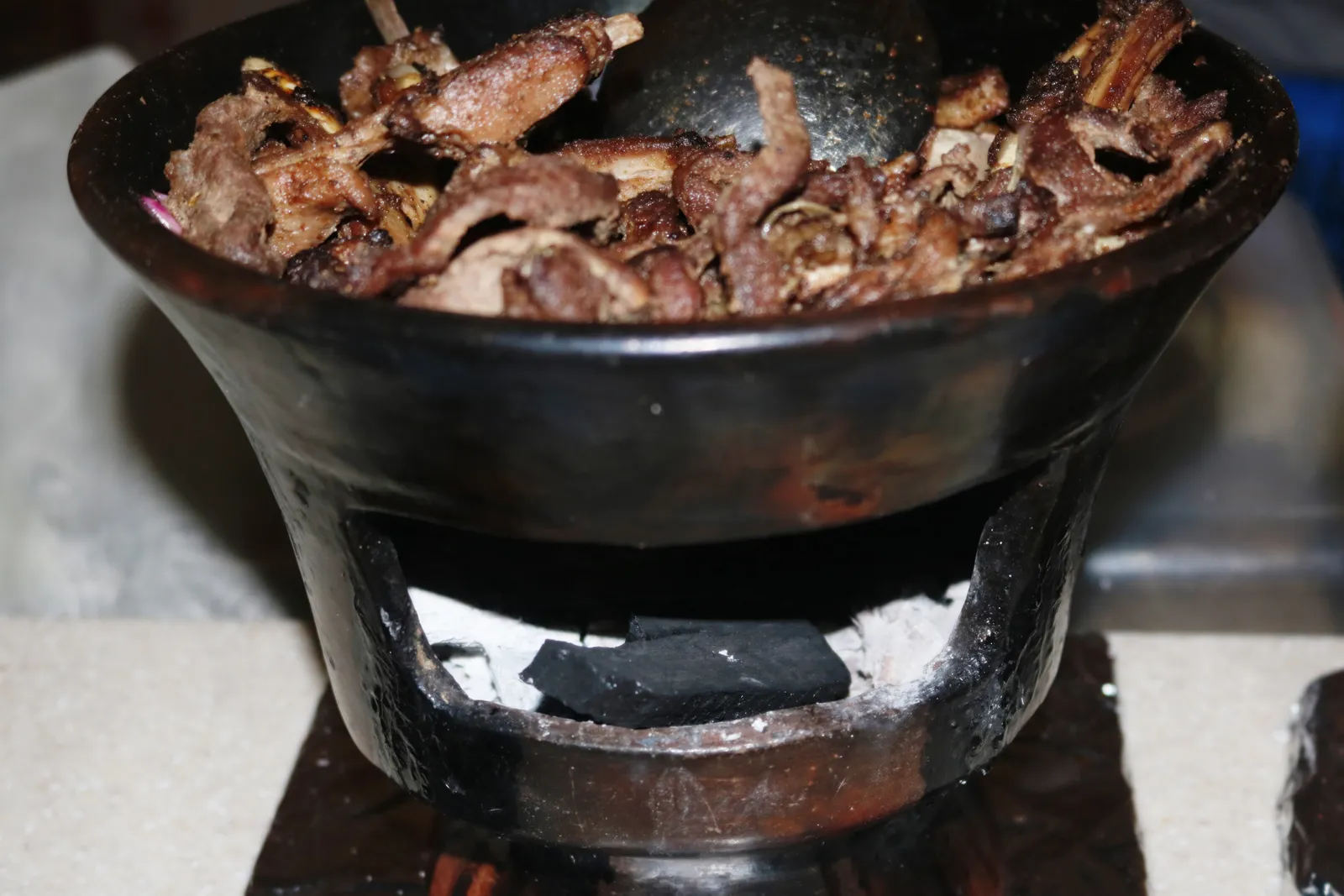
Shekla Tibs
Ethiopia · ▶
 AI illustration
Kebab Halla
Egypt · ▶
 AI illustration
Agashe
Sudan · ▶
 AI illustration
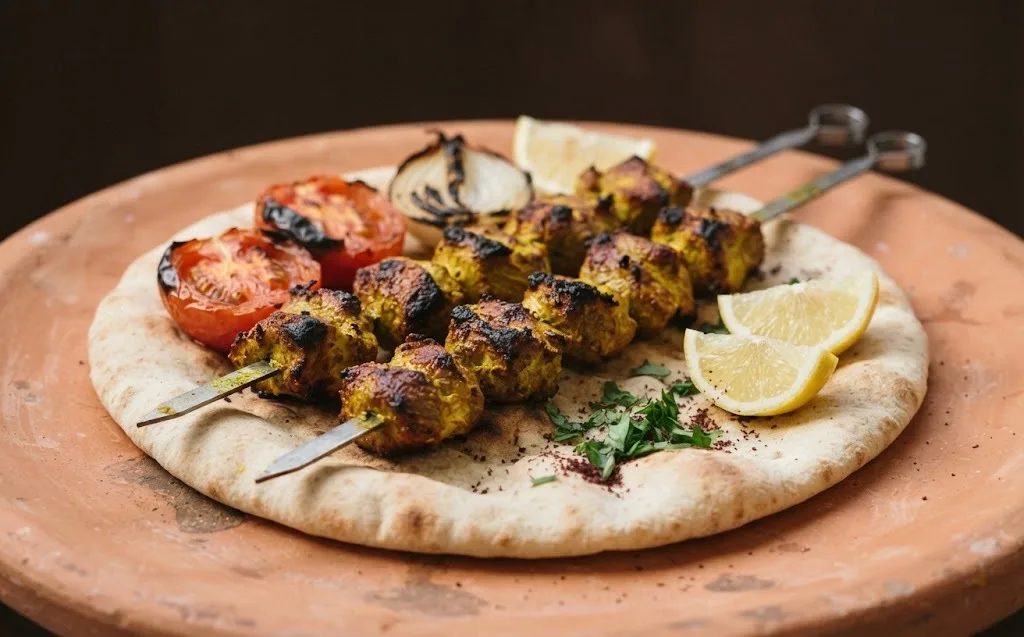
Masikita
Madagascar
 AI illustration
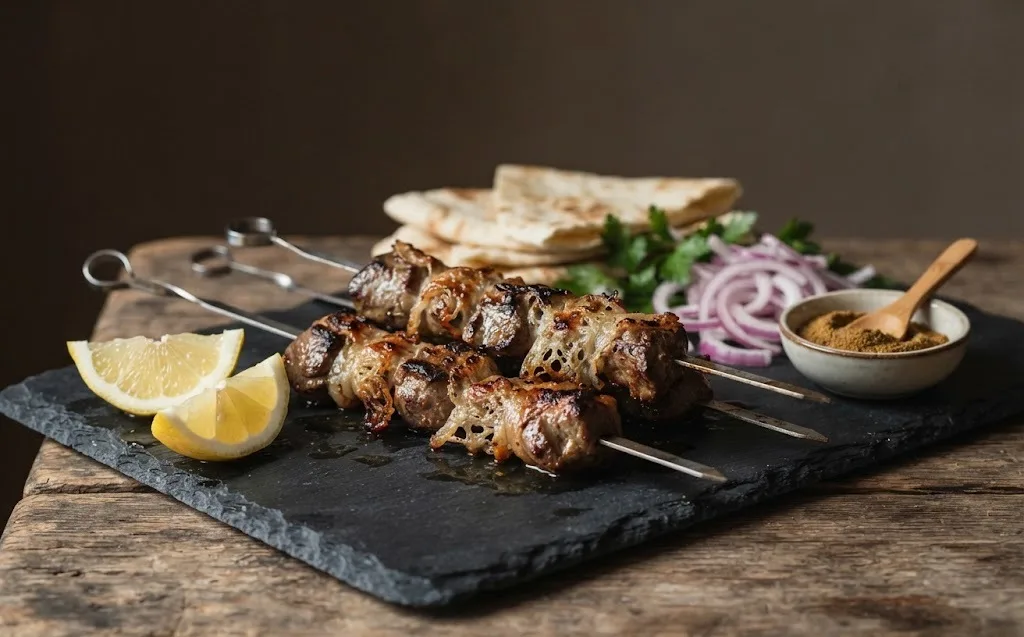
Kebab Libi
Libya
 AI illustration
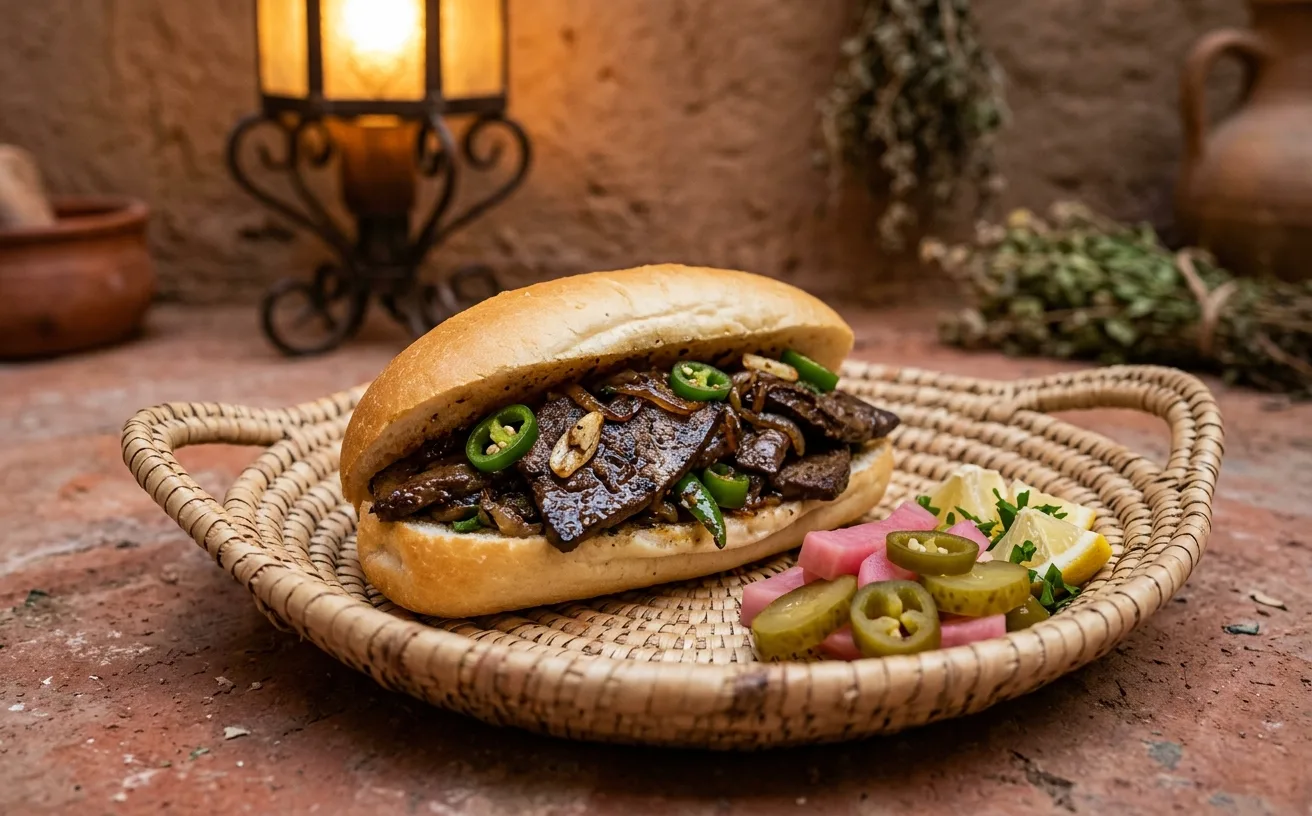
Melfouf
Algeria · ▶
 AI illustration
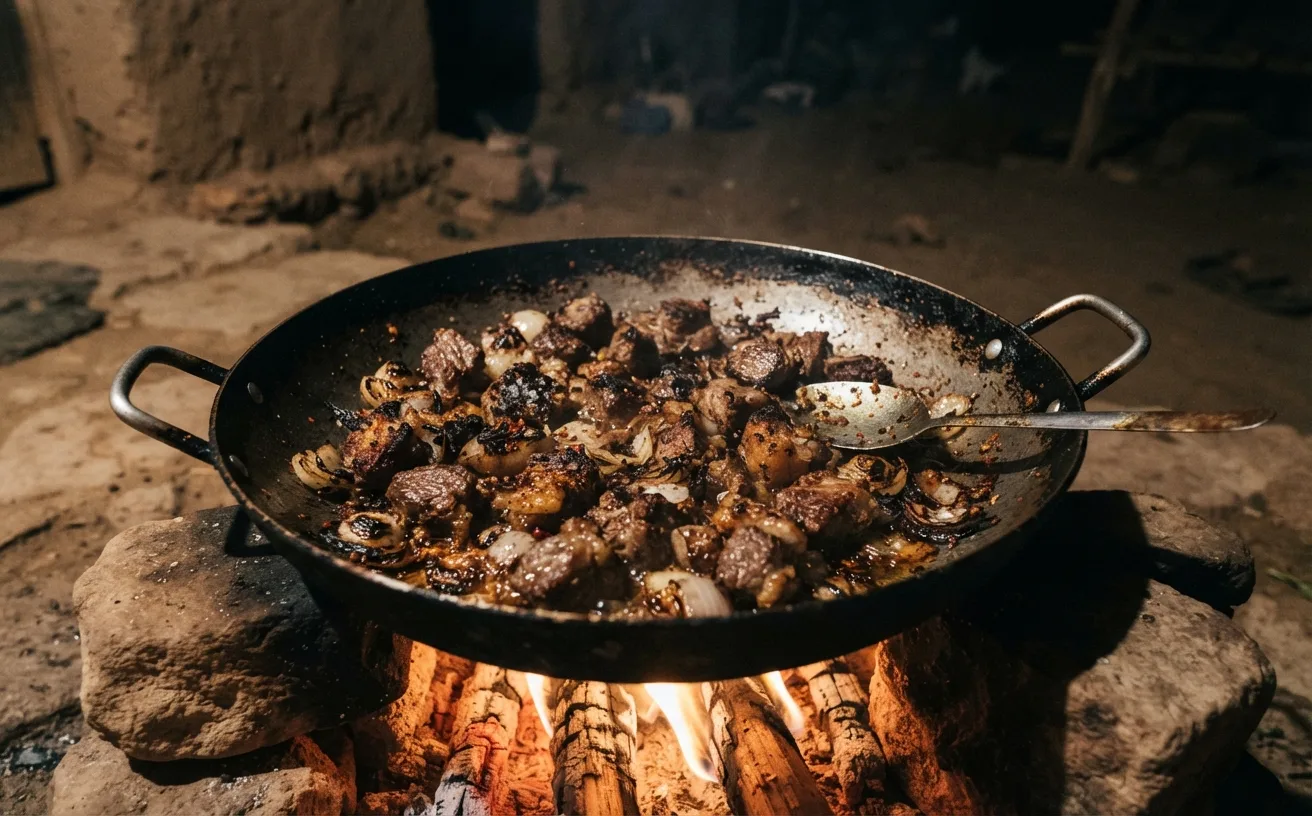
Kebda Eskandarani
Egypt · ▶
 AI illustration
Shaiyah
Sudan · ▶
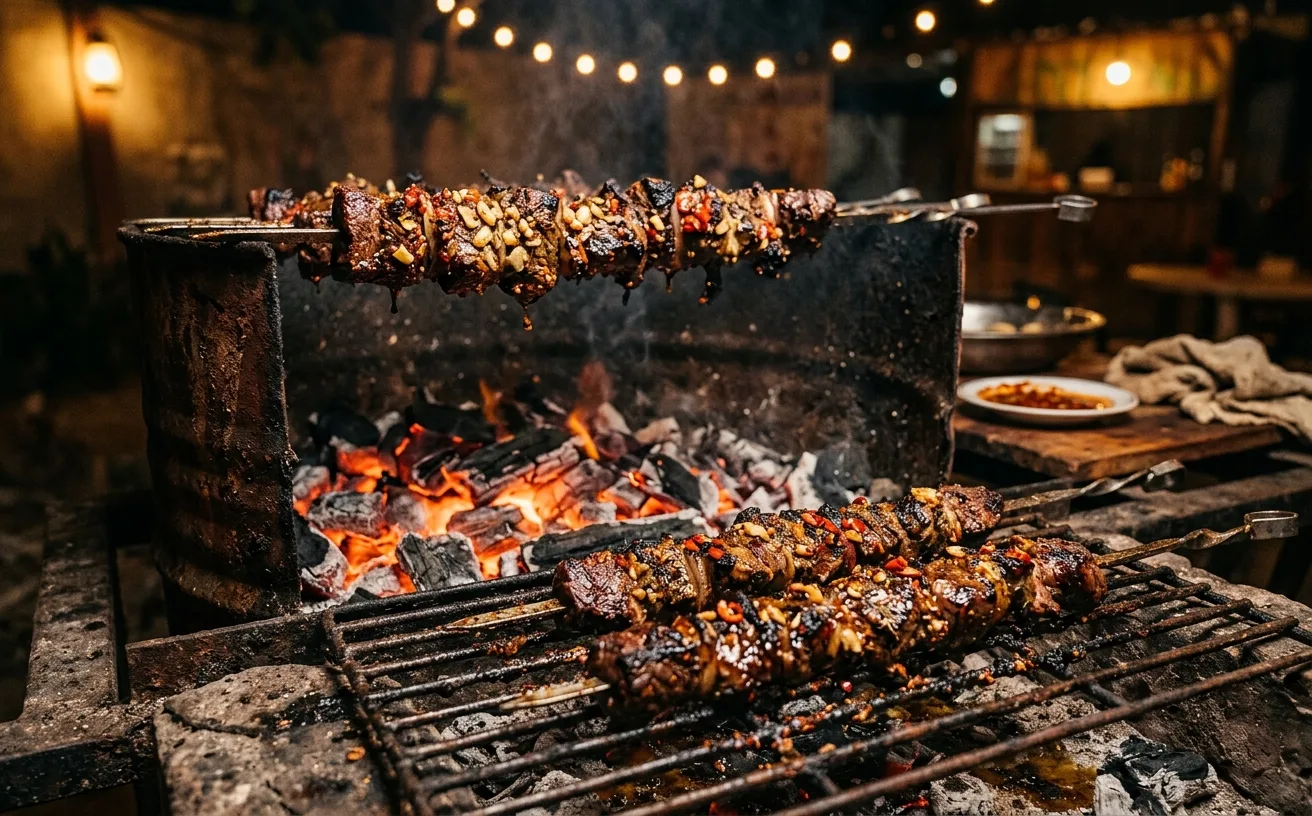
Mozambican espetada
Mozambique · ▶
 AI illustration
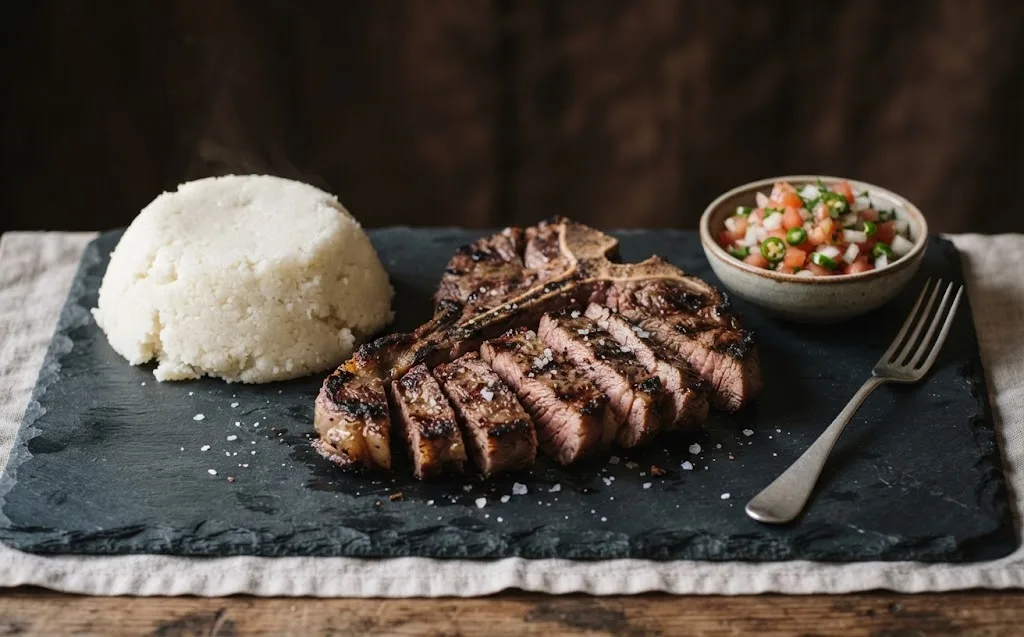
Angolan espetada
Angola · ▶
 AI illustration
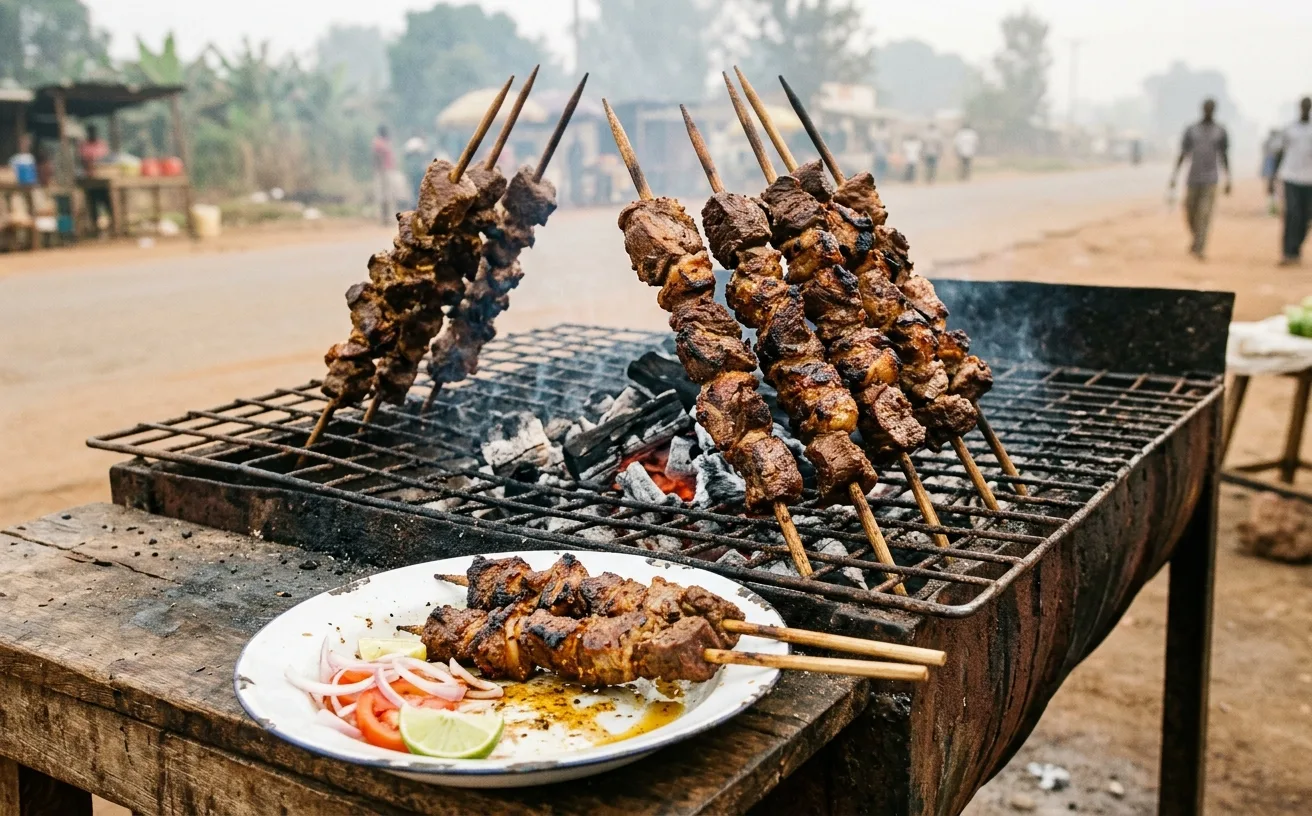
Gochi-gochi
Zimbabwe
 AI illustration
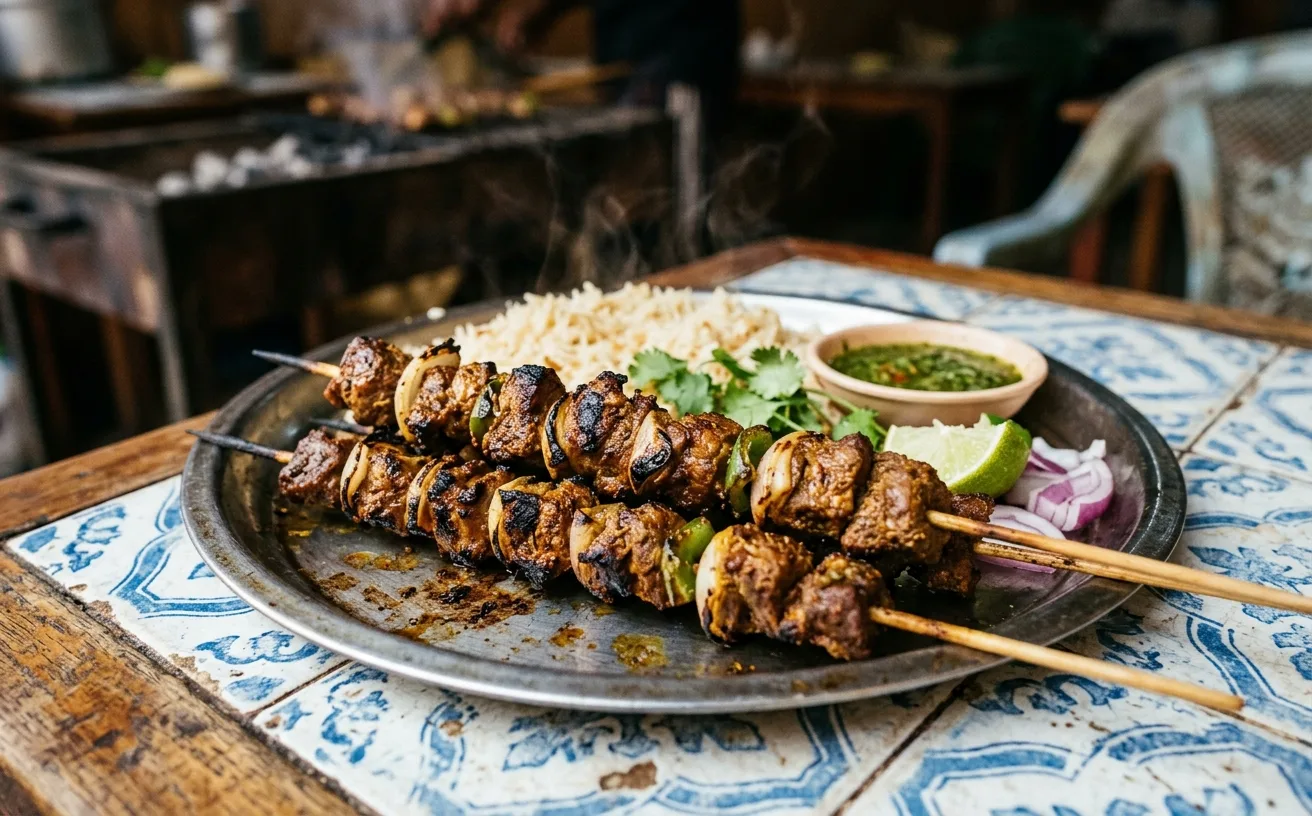
Muchomo
Uganda · ▶
 AI illustration
Somali suqaar skewers
Somalia
 AI illustration
Djiboutian brochettes
Djibouti
 AI illustration
Brochettes créoles
Réunion / Mauritius
 AI illustration
Seychellois fish brochettes
Seychelles
 AI illustration
South African espetada
South Africa · ▶
 AI illustration
Guinea fowl khebab
Ghana · ▶
 AI illustration
Tchachanga
Benin
 AI illustration
Tsire
Niger · ▶
Quick index
- Suya — West Africa's night-market kebab, created by Hausa butchers: thin-sliced beef coated in yaji — a rub of ground peanuts, ginger, and hot pepper — then fanned out on skewers over open flame.
- Kyinkyinga — Ghana's cousin of suya: cubes of beef or goat rolled in tankora powder (roasted peanut, ginger, and chile) both before and after grilling, giving a double crust of spice.
- Sosatie — South Africa's braai skewer with Cape Malay roots: lamb cubes marinated overnight in a curried apricot-jam, onion, and vinegar blend, often threaded with dried apricots between the meat.
- Brochettes (East African) — In the Great Lakes region the French word 'brochette' names a whole bar culture: goat meat (occasionally fish or beef) salted, skewered, and grilled over charcoal, served with grilled banana or fried potatoes and cold beer.
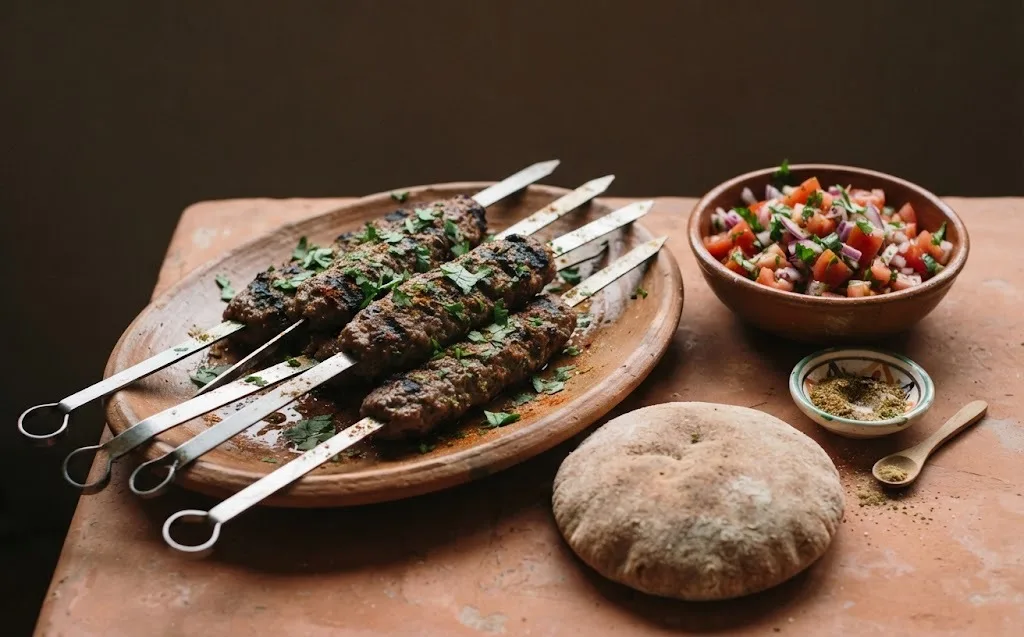
- Moroccan Kefta Brochettes — Morocco's souk kebab: ground beef or lamb kneaded with cumin, paprika, fresh coriander, and mint, pressed around flat skewers and grilled over coals, then eaten folded into khobz bread.
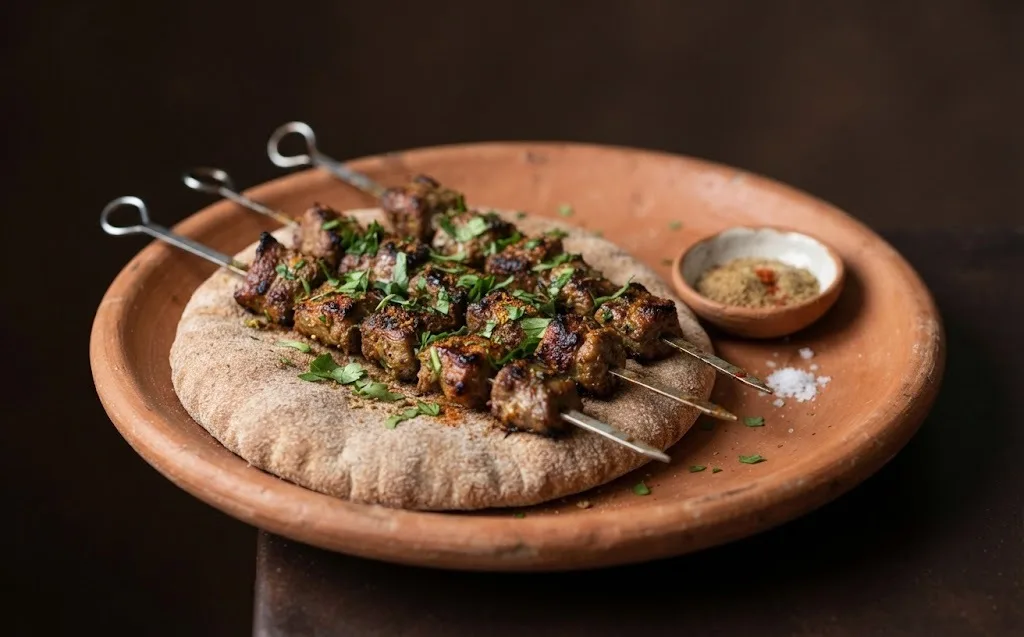
- Qotban (Moroccan Lamb Brochettes) — Small cubes of lamb marinated in cumin, sweet paprika, garlic, and olive oil, threaded tightly on thin skewers and flash-grilled at souk stalls.
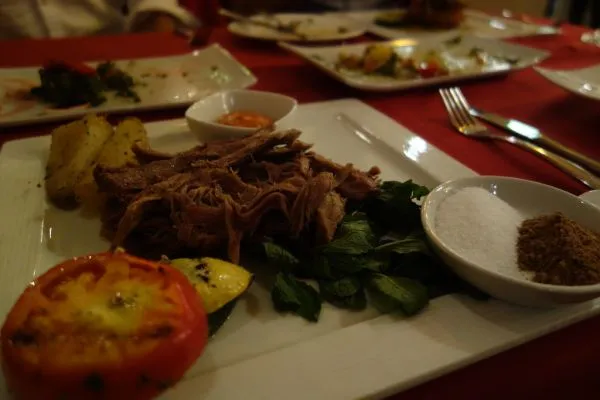
- Mechoui — A whole lamb rubbed with smen, cumin, and saffron, then slow-roasted on a spit or in a sealed pit oven until the meat pulls apart by hand.
- Boulfaf (Liver Skewers) — Cubes of lamb liver wrapped in caul fat, skewered, and grilled over embers, so the fat bastes the liver as it renders.
- Dibi — Chopped mutton or lamb grilled over wood fire at dedicated late-night shops called dibiteries, then hacked into pieces and served on butcher paper with raw onions, mustard-vinegar sauce, and kaani chili.
- Balangu — A Hausa grilled-meat specialty in the suya family, but where suya leans on its peanut-spice crust, balangu is lamb or beef grilled naked over fire so the flavor is pure meat, fat, and smoke.
- Kilishi — Sheets of beef sliced paper-thin, sun-dried, painted with a peanut-yaji spice slurry, then briefly grilled to finish, a shelf-stable cousin of suya from northern Nigeria.
- Choukouya — Ivorian grill-shack lamb or beef, slow-grilled then chopped and tossed with a dry chili-onion spice mix, served with raw onion, mustard, and attieke or bread.
- Afra — The Gambia's answer to Senegalese dibi: chopped lamb or beef seasoned simply, grilled in dedicated afra shops, and wrapped in paper with onions, black pepper, and mustard sauce.
- Soya (Cameroonian Suya) — Cameroon's roadside skewer, larger-cut than Nigerian suya and rubbed with a peanut-chili spice blend before grilling over open flame; beef, goat, and gizzard versions all thrive.
- Mishkaki — Swahili-coast skewers of beef or chicken marinated in ginger, garlic, lime, and chili, grilled slowly over coals and sold by the stick at night markets like Zanzibar's Forodhani Gardens.
- Nyama Choma Skewers — Kenya and Tanzania's 'roast meat' tradition: goat or beef grilled slowly over charcoal with little more than salt, carved at the table, and eaten by hand with kachumbari salsa and ugali.
- Shekla Tibs — Cubes or strips of beef or lamb seared with niter kibbeh spiced butter, rosemary, onion, and jalapeno, brought to the table still crackling on a shekla clay brazier over live coals.
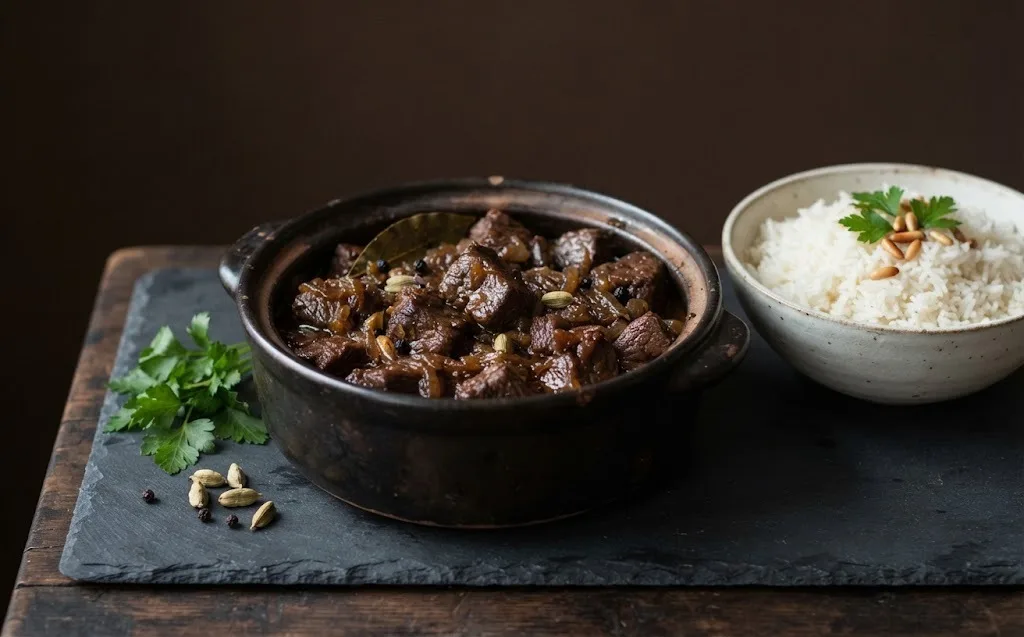
- Kebab Halla — A 'kebab' with no fire: beef chunks browned then slowly braised in a pot with masses of caramelized onion and warm spices until the gravy turns dark and glossy.
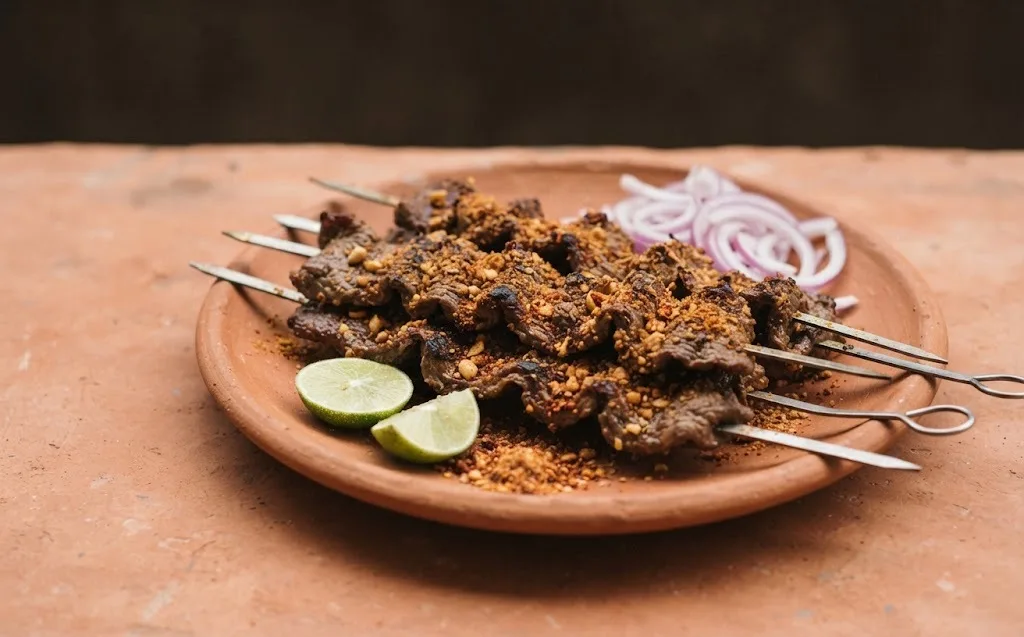
- Agashe — Sudanese street skewers of beef, lamb, or chicken rolled in a crust of ground peanuts, chili, and spices before and after grilling, a technique carried across the Sahel and closely related to suya.
- Masikita — Madagascar's street skewer of zebu beef, marinated in ginger, garlic, and sometimes a touch of sugar, grilled over charcoal and sold in bunches by evening vendors.
- Kebab Libi — Libya's take on shish: lamb cubes marinated in the national bzaar spice mix (turmeric-heavy, with grated onion and chili), skewered and charred over charcoal, served with khubza bread, harissa-spiked salad and often chips.
- Melfouf — The Eid al-Adha morning rite of eastern Algeria: cubes of fresh lamb liver wrapped ('melfouf' means wrapped) in lacy caul fat, skewered and grilled so the fat self-bastes the liver, eaten within hours of the sacrifice.
- Kebda Eskandarani — Alexandria's signature street meat: thin-sliced beef liver flash-seared on a flat steel griddle with garlic, green chili, cumin and cardamom, then shoveled into a small French-style roll with pickles and tahina.
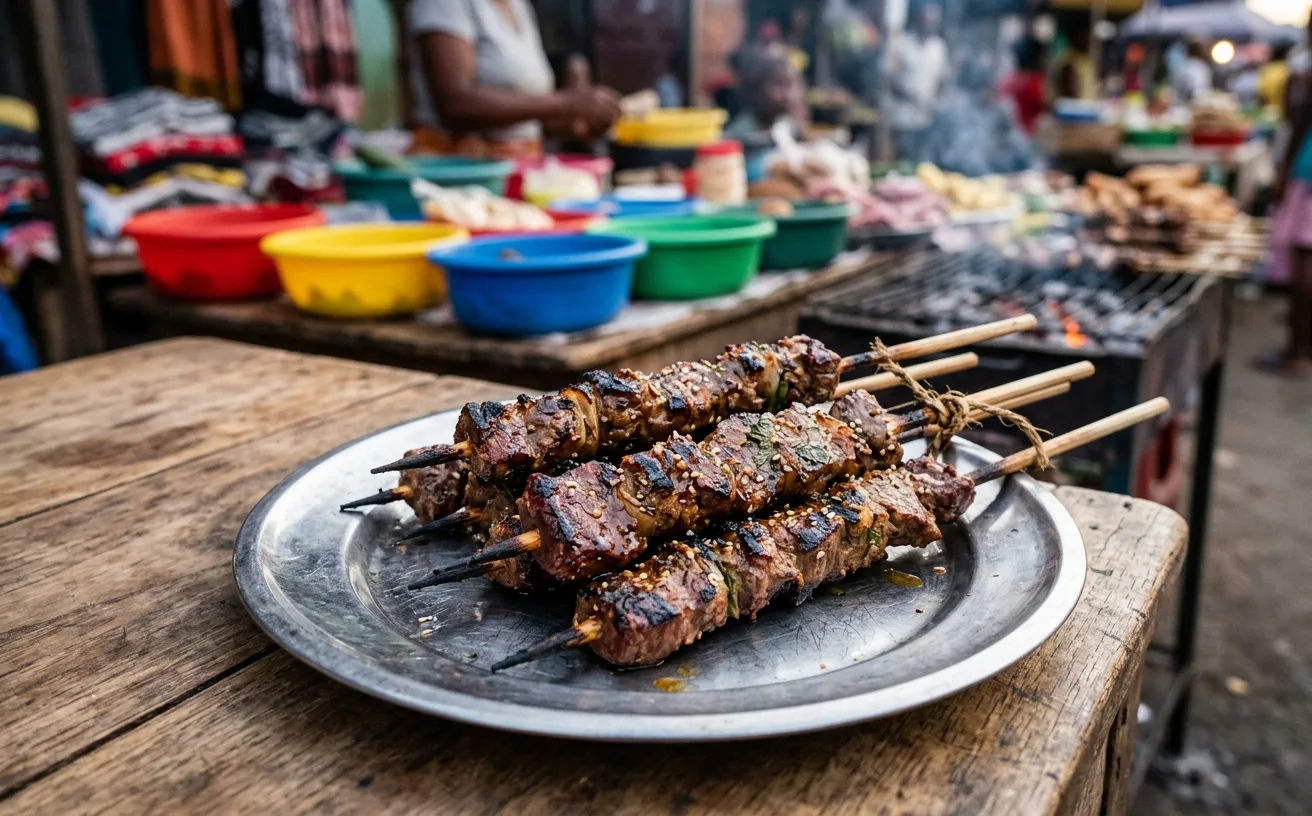
- Shaiyah — A gathering dish of Sudan and South Sudan, distinct from the peanut-crusted agashe: fatty lamb or mutton chunks dry-seared in a wide pan over open fire in their own rendered fat with onion, salt and chili, stirred until crusted.
- Mozambican espetada — Portuguese and Madeiran settlers left Mozambique a beachside espetada habit: cubes of beef or whole prawns skewered, basted with garlicky piri-piri butter and grilled over coals at Maputo and Tofo beach bars.
- Angolan espetada — Luanda's roadside grills and beach barracas thread beef or goat onto skewers and fire them over charcoal, seasoned with garlic and the local jindungo chili that stands in for piri-piri.
- Gochi-gochi — Gochi-gochi — from kugocha, the Shona word for roasting over fire — is Zimbabwe's pick-your-cut braai culture: at butchery-bars in Harare and Bulawayo you buy raw beef or goat by weight and the resident griller cooks it on the spot, sometimes spiking smaller pieces onto sticks.
- Muchomo — Uganda's signature stick meat: fist-sized chunks of goat, beef, pork or chicken impaled on long wooden skewers and roasted leaning around open charcoal fires, then hawked through bus windows at highway stops like Namawojjolo on the Kampala–Jinja road.
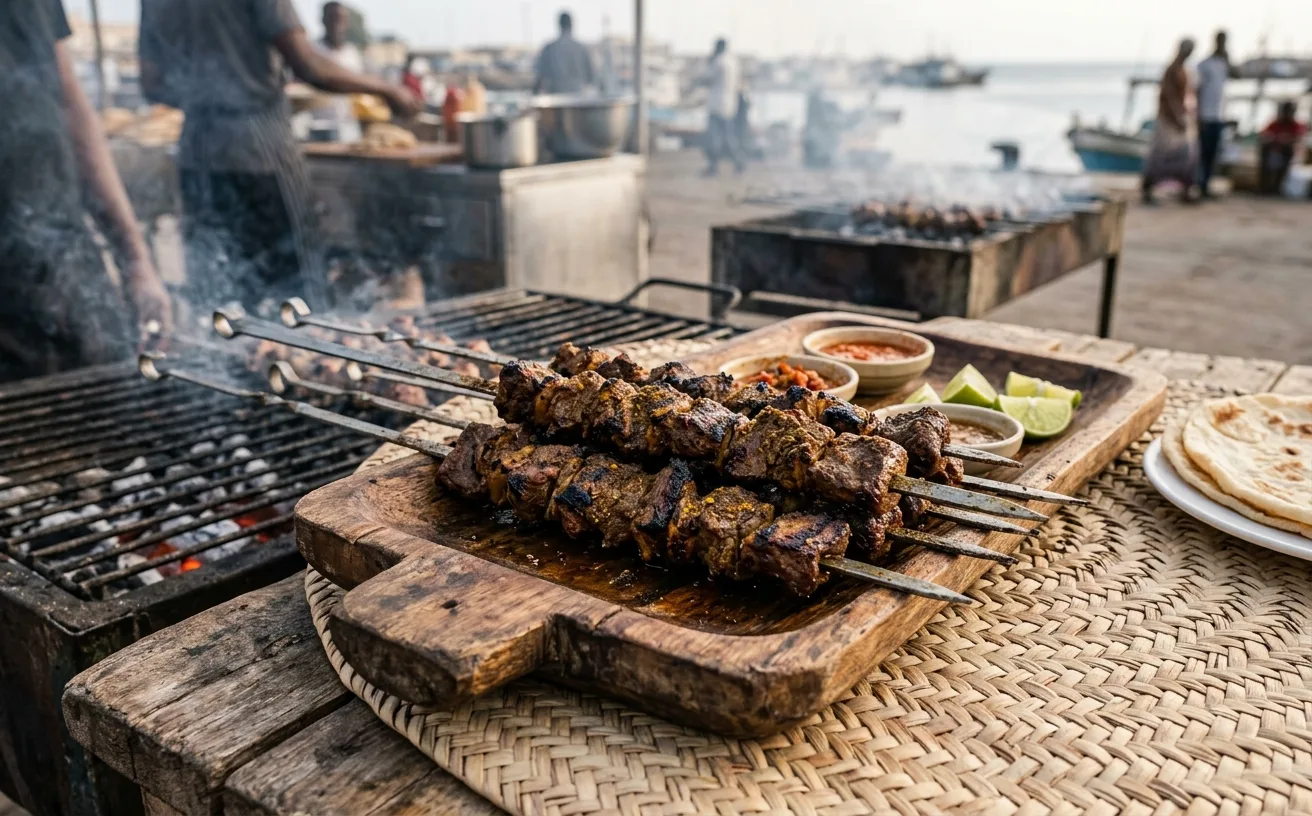
- Somali suqaar skewers — Somali grill houses take suqaar — the small-dice cut of meat usually flash-fried with xawaash spices — and thread it onto skewers over charcoal, with hilib ari (goat meat) the most prized version.
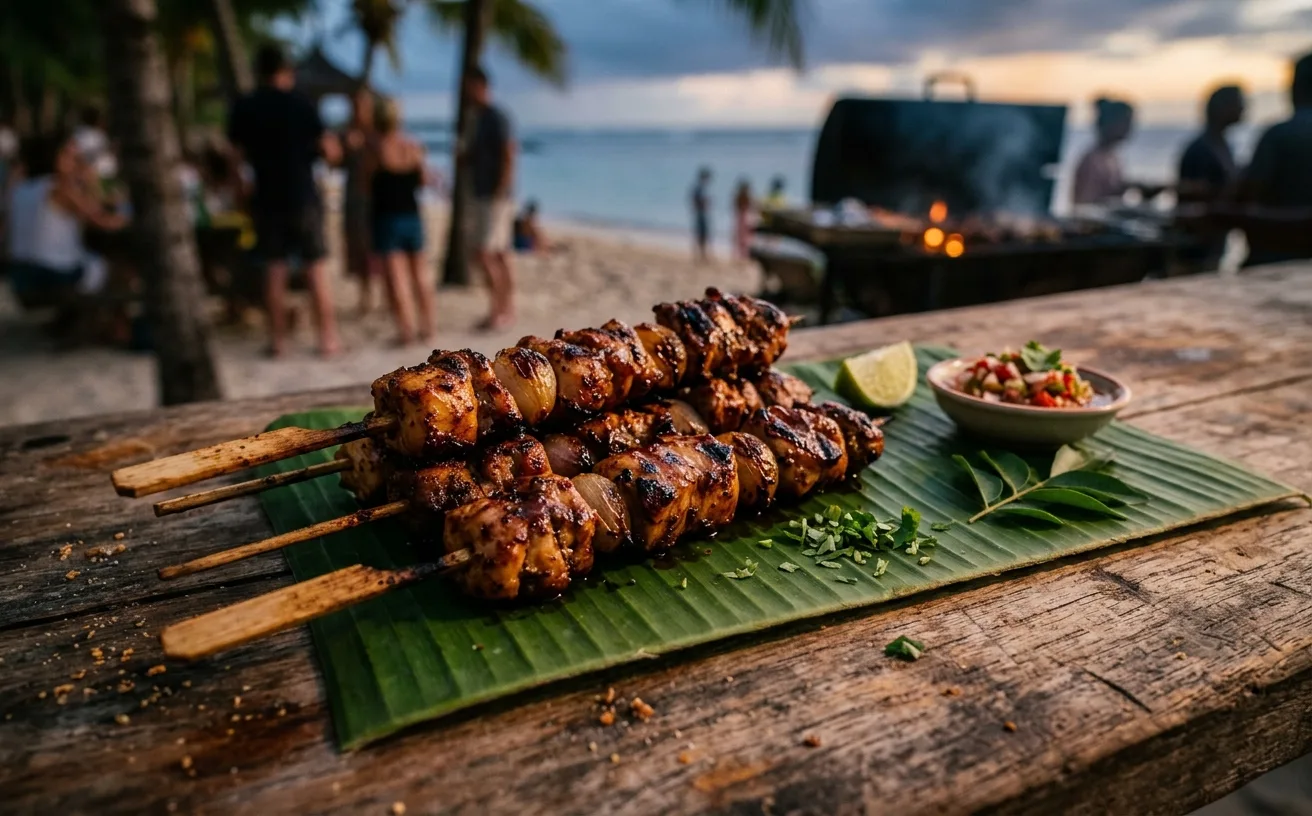
- Djiboutian brochettes — At Djibouti-ville's port-side grills, French brochette form meets Somali, Afar and Yemeni cooking: cubes of goat or young lamb are marinated with cumin-heavy xawaash-style spice and grilled over charcoal, served with laxoox flatbread or French fries in a legacy of the colonial garrison town.
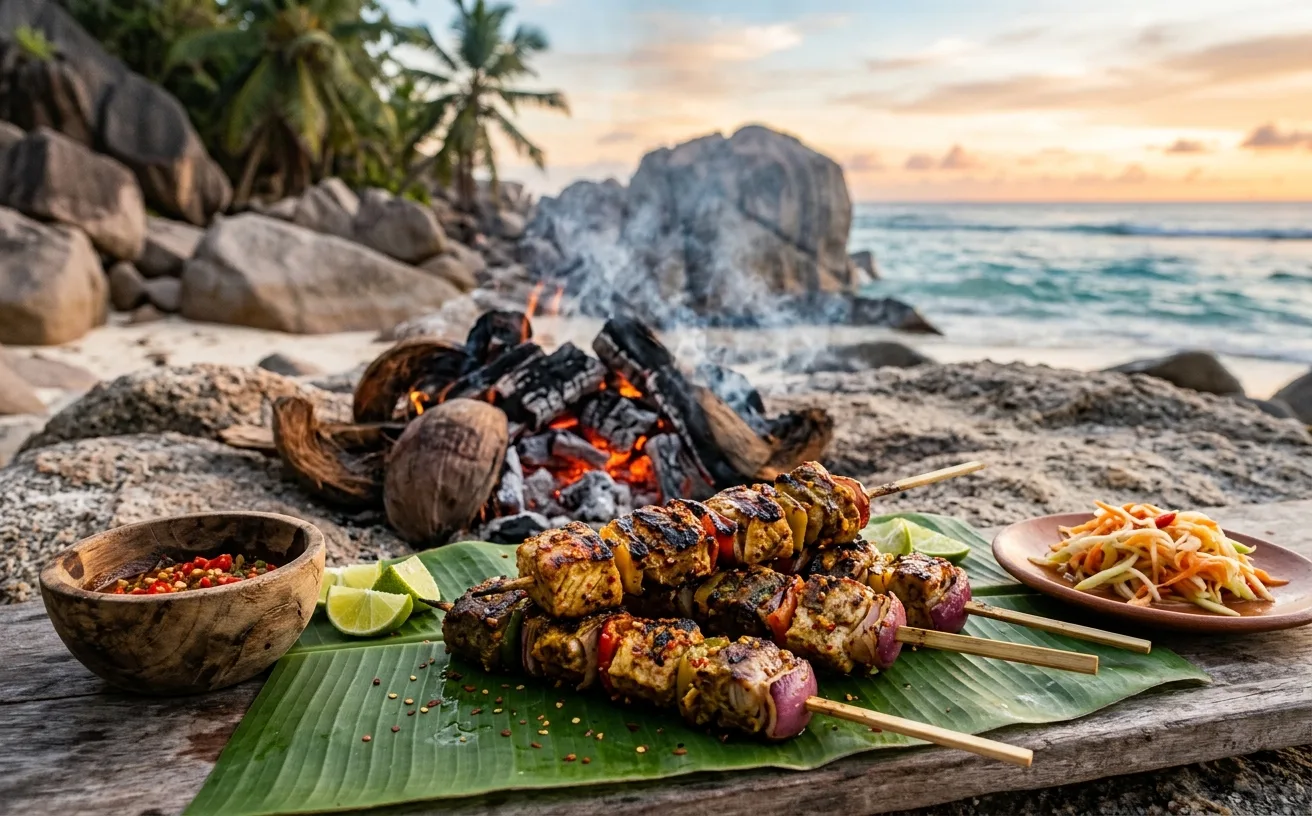
- Brochettes créoles — The Mascarene islands' picnic kebab: pork or chicken cubes marinated in siave (soy sauce), ginger, garlic and honey — a Sino-Creole signature — grilled at Reunion's beloved weekend pique-niques along the coast and at Mauritian family barbecues, where Indo-Mauritian massale versions run alongside.
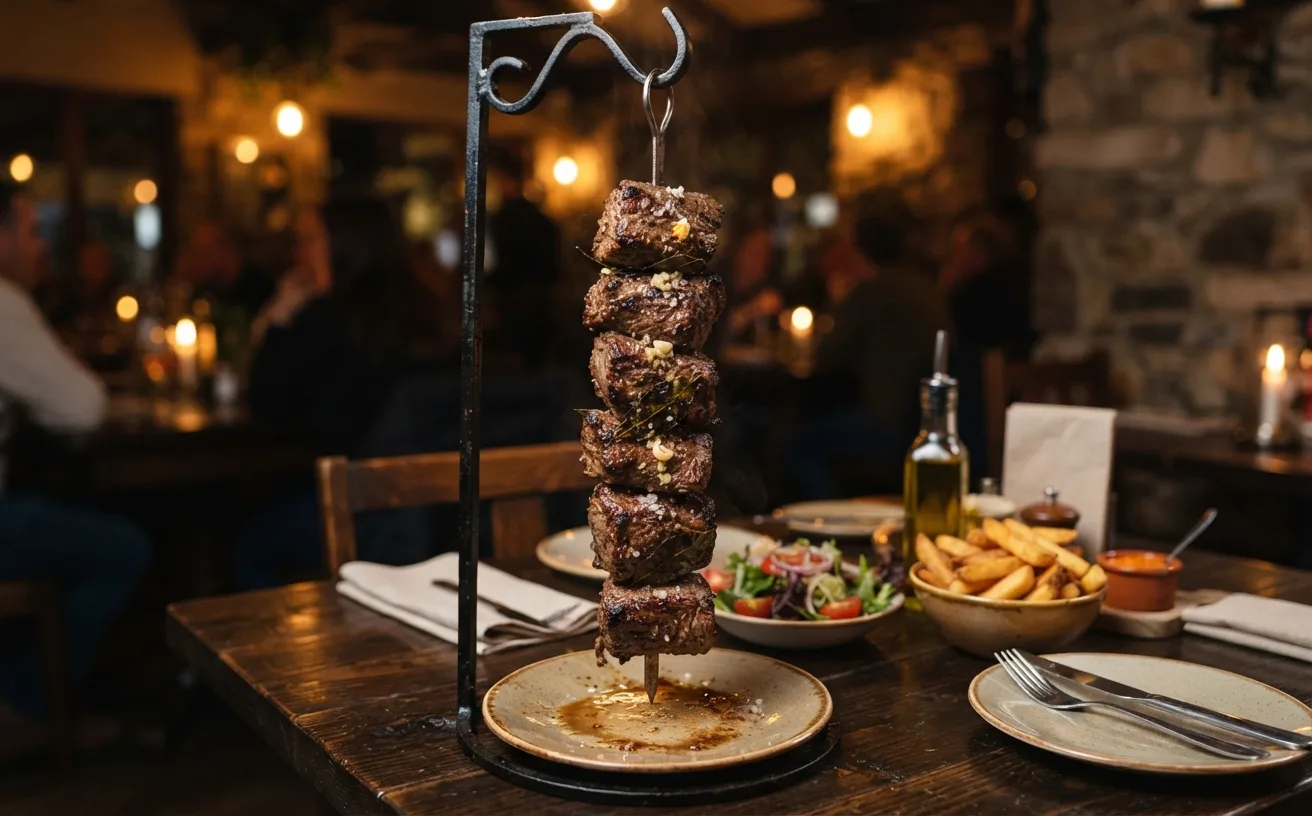
- Seychellois fish brochettes — Beach grills on Mahe and Praslin skewer chunks of job fish, snapper or tuna rubbed with the Seychellois crush of ginger, garlic and crushed chili, then grill them over coconut-husk coals and serve with a Creole tomato-onion sauce.
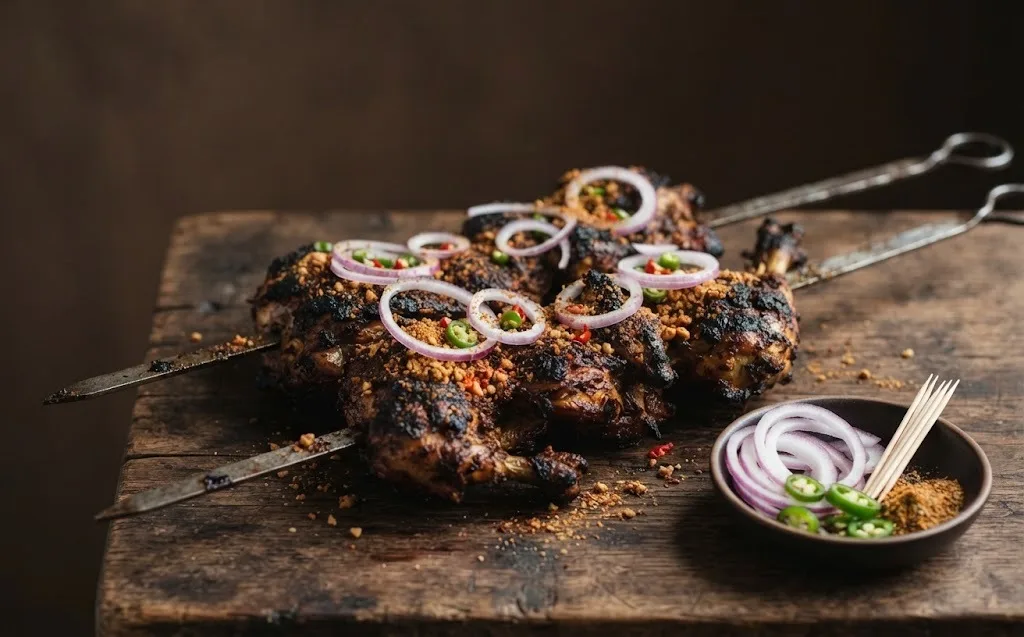
- South African espetada — South Africa's large Madeiran-Portuguese community made the espetada a restaurant institution in Johannesburg and Durban: massive cubes of rump rubbed with coarse salt, garlic and bay leaf, grilled on a long skewer that arrives hung vertically at the table so the juices baste the meat as it is carved off.
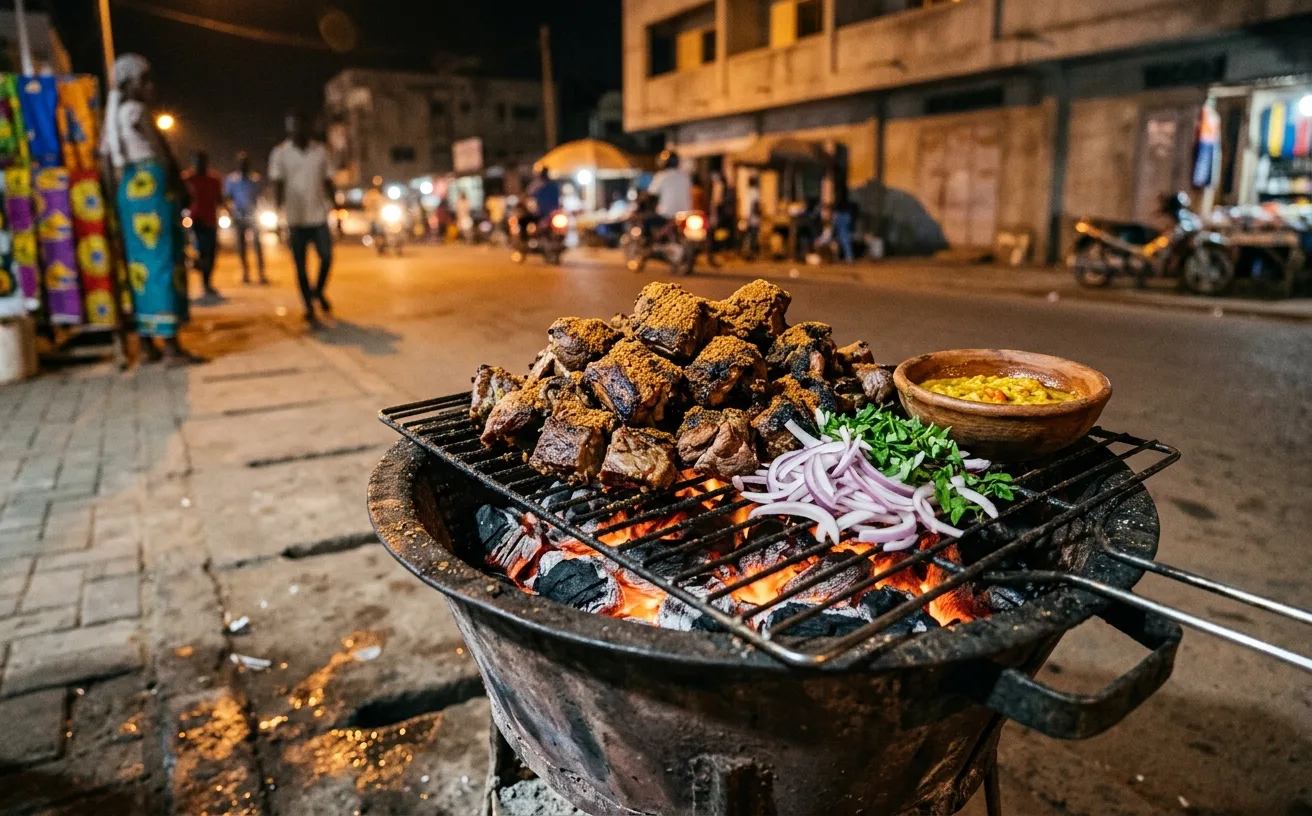
- Guinea fowl khebab — In northern Ghana, especially around Tamale where guinea fowl is the prestige bird, khebab men skewer pieces of akonfem, rub them with the same yaji-style pepper-and-groundnut spice used for chichinga, and grill them over open coals.
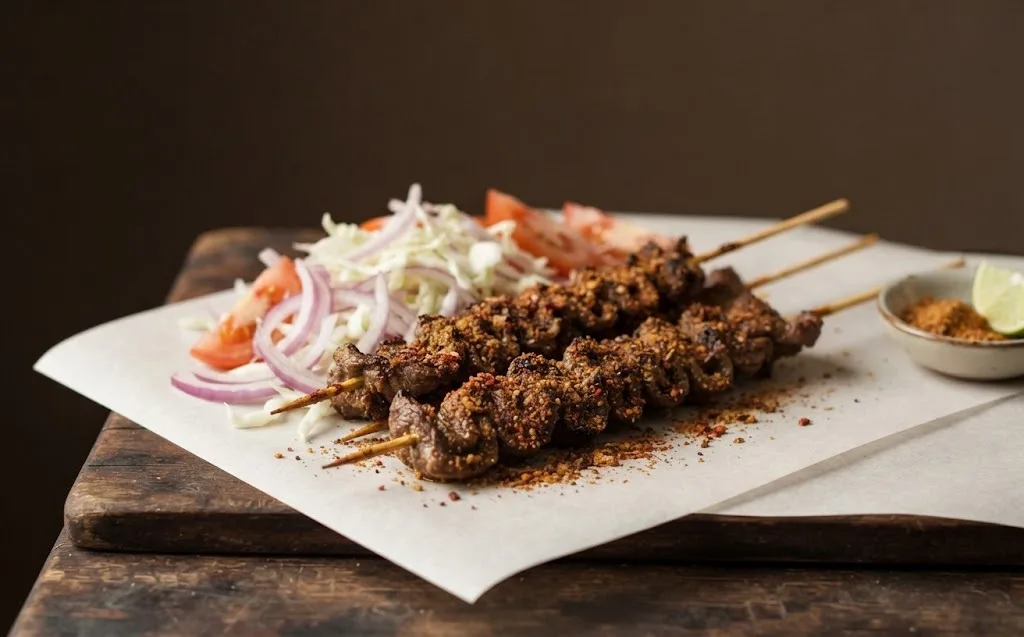
- Tchachanga — Cotonou's best-documented street-grilled meat, studied repeatedly in West African food-safety research: chicken, mutton or beef cut into pieces, skewered and roasted over charcoal by street vendors, often finished with a peanut-chilli spice rub.
- Tsire — Tsire is the stick-mounted original of the suya family: thin strips of beef threaded ribbon-like onto slender skewers, oiled and coated in kuli-kuli (groundnut cake) based yaji spice, and grilled by Hausa mai-suya from Niamey's night markets eastward through Chad to Sudan, where the trade travels under the name agashe.