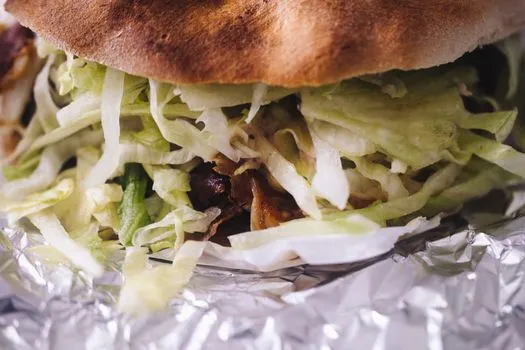
Doner Kebab (Germany)
Germany
 AI illustration
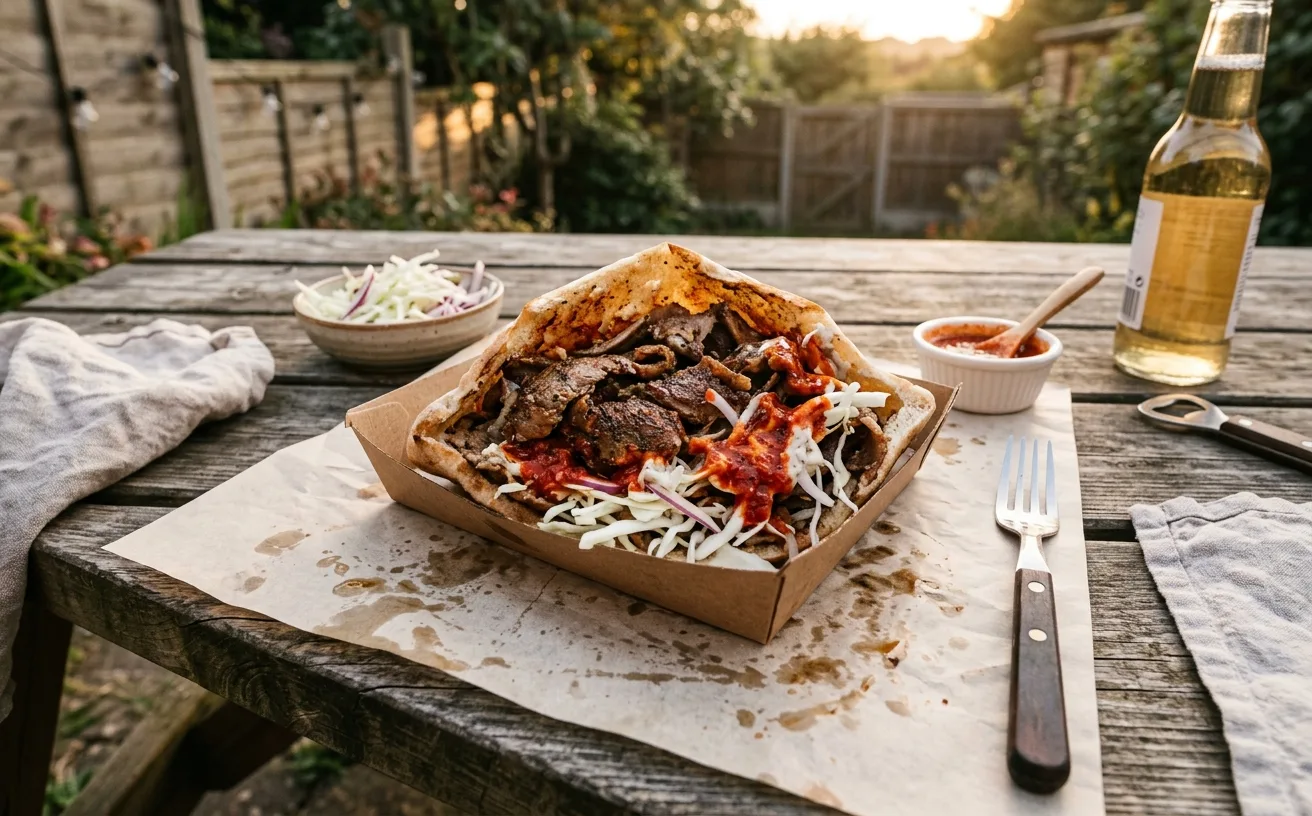
Doner Kebab (British kebab shop)
United Kingdom · ▶
 AI illustration
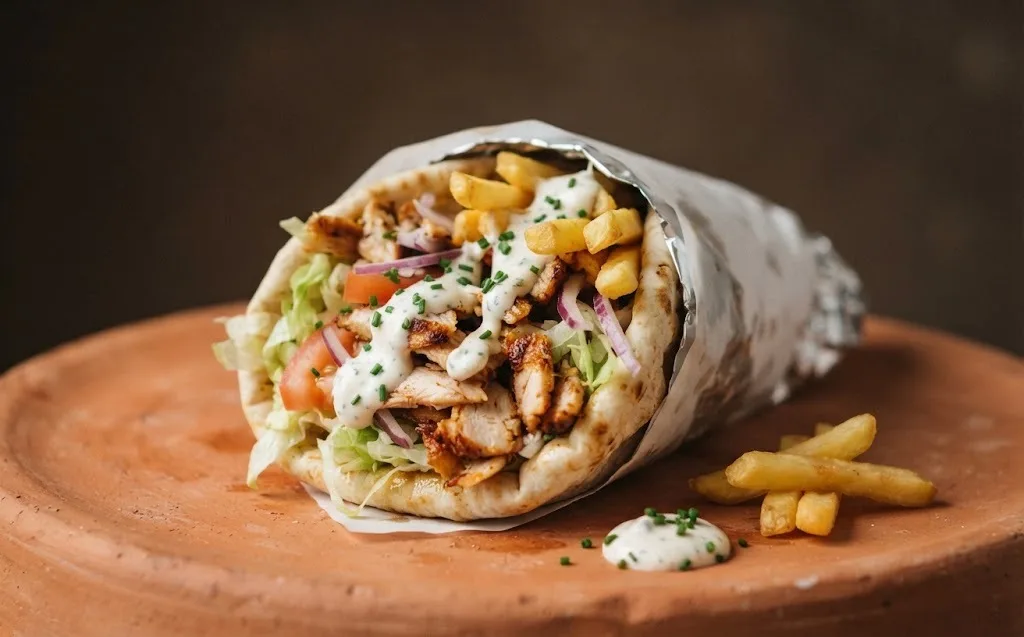
French Kebab (Le Grec)
France
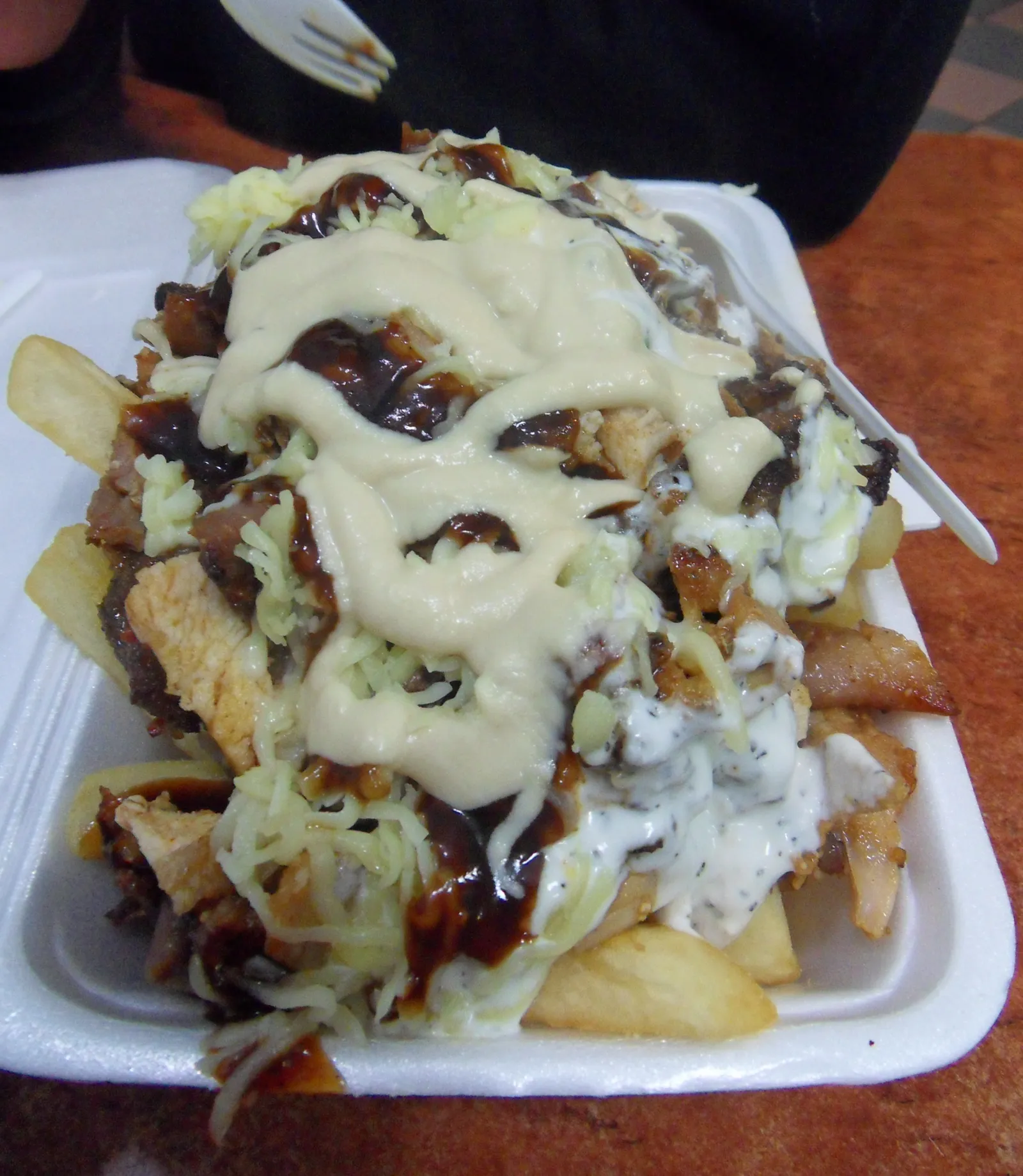
Halal Snack Pack
Australia · ▶
 AI illustration
Donair
Canada
 AI illustration
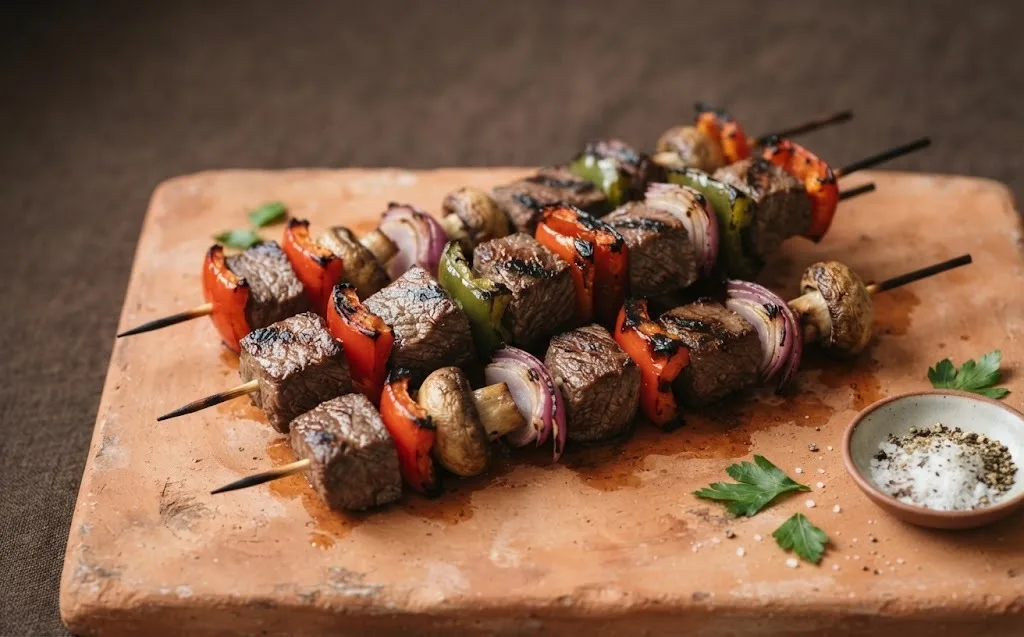
Shish Kebab (North American)
United States
 AI illustration
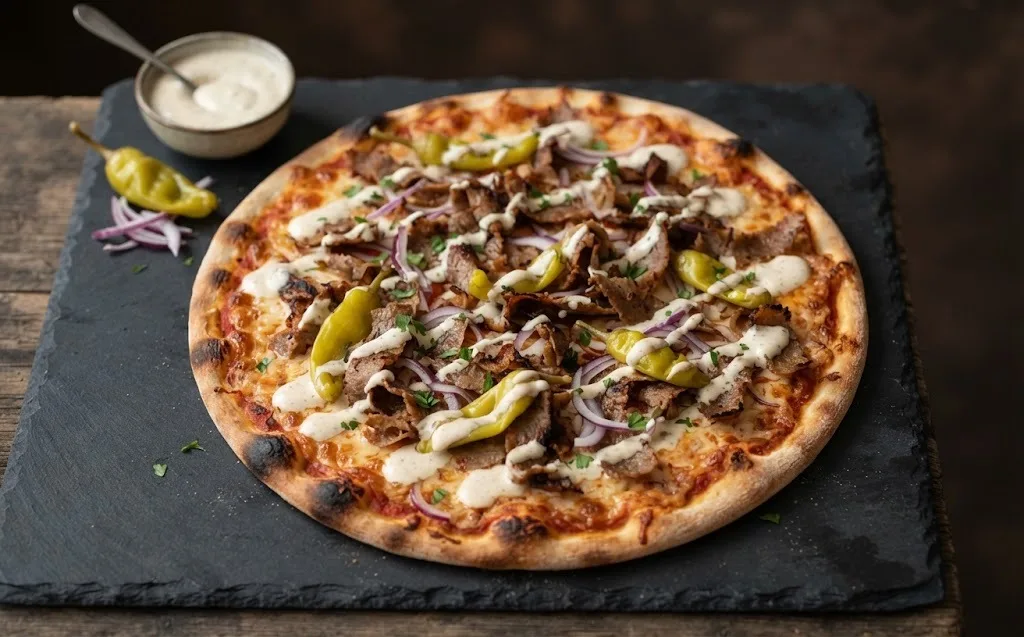
Kebabpizza
Sweden
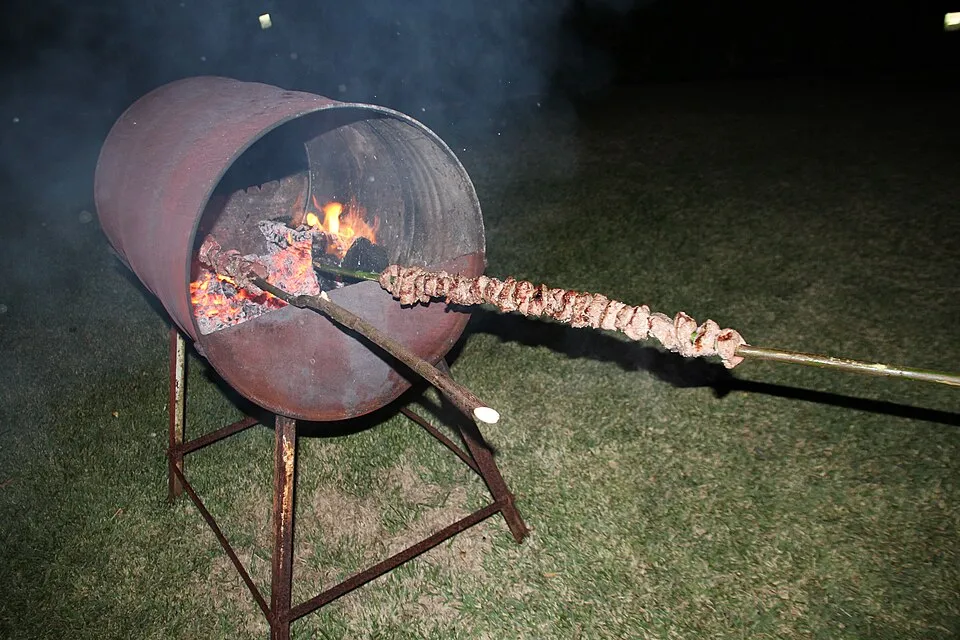
Espetada
Portugal (Madeira)

Arrosticini
Italy · ▶
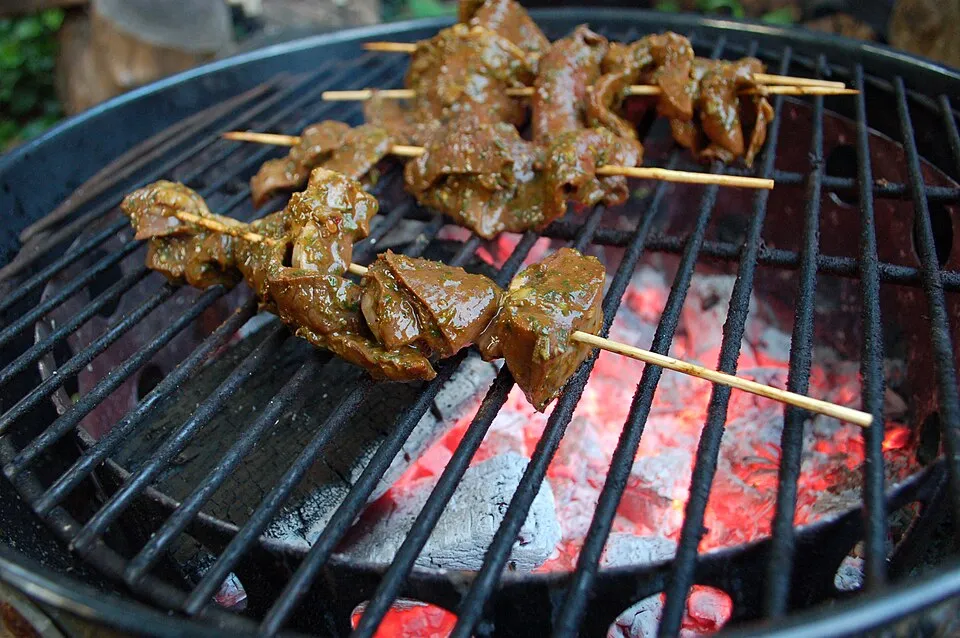
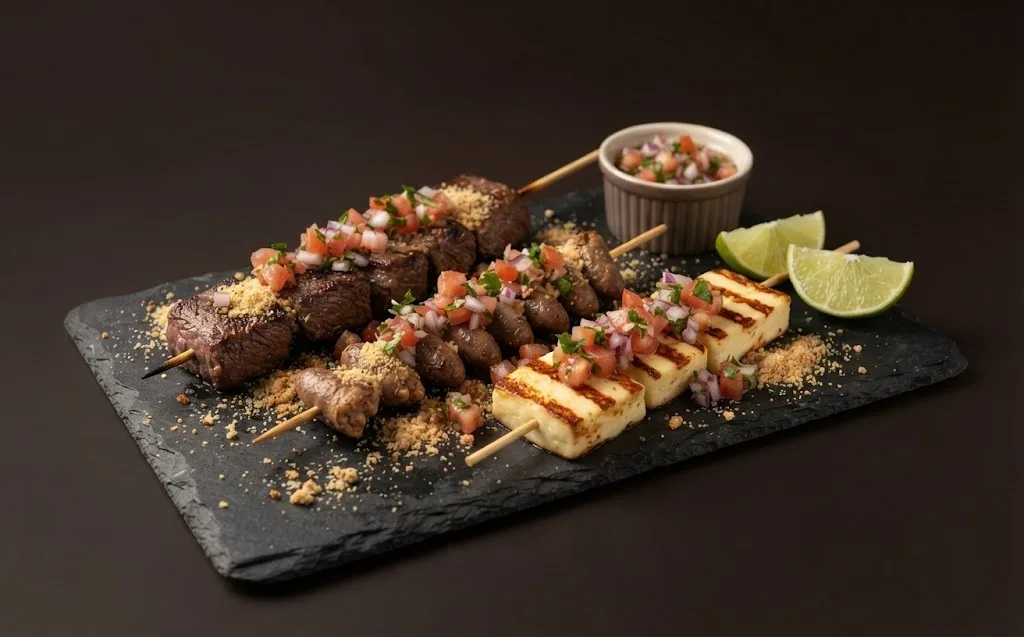
Anticuchos
Peru · ▶
 AI illustration
Espetinho
Brazil · ▶
 AI illustration
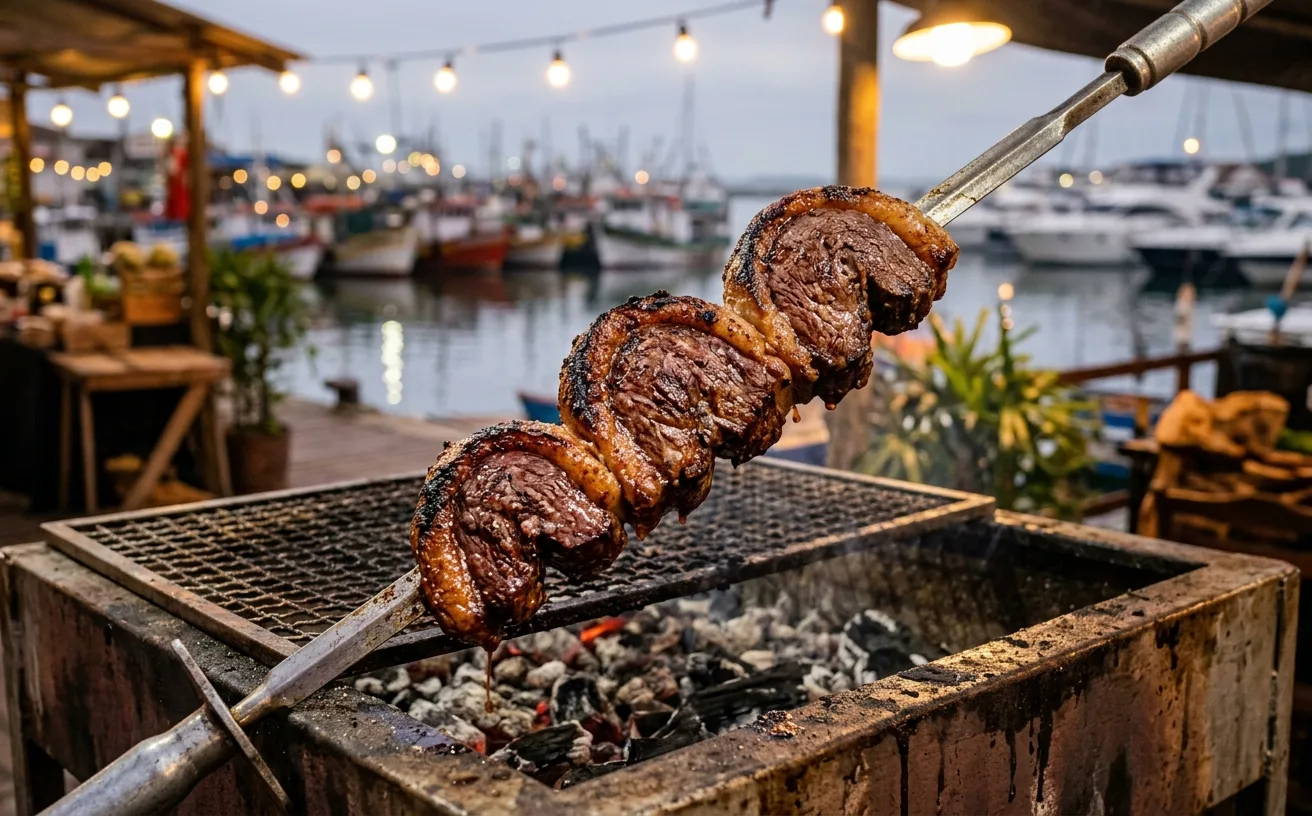
Churrasco Espeto
Brazil
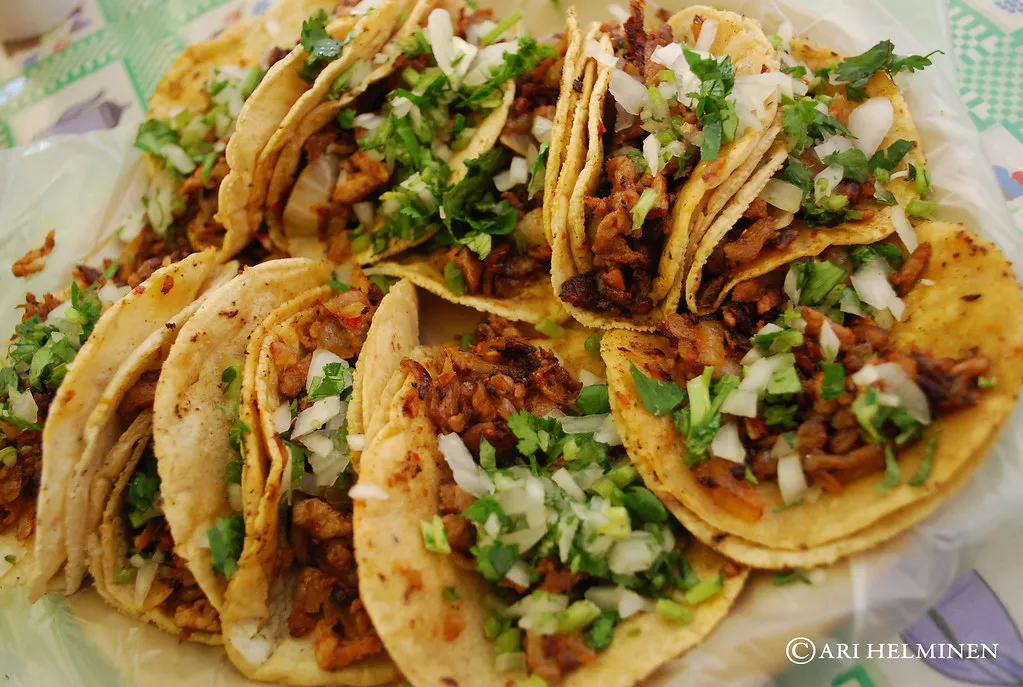
Tacos al Pastor
Mexico · ▶
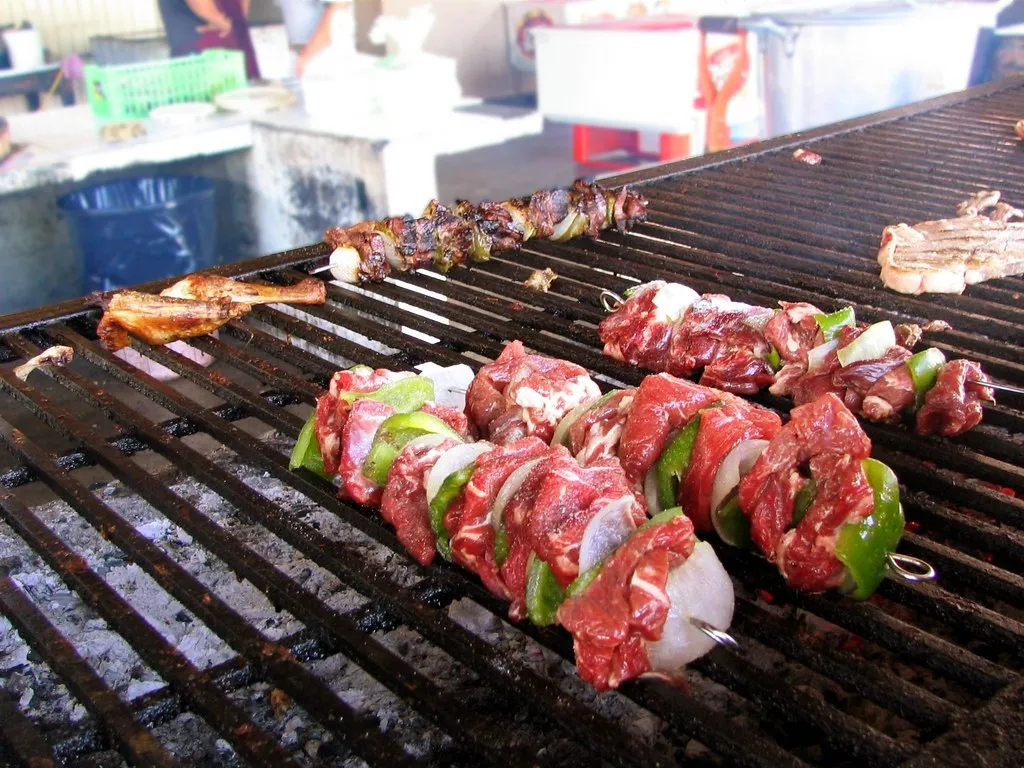
Alambre
Mexico · ▶
 AI illustration
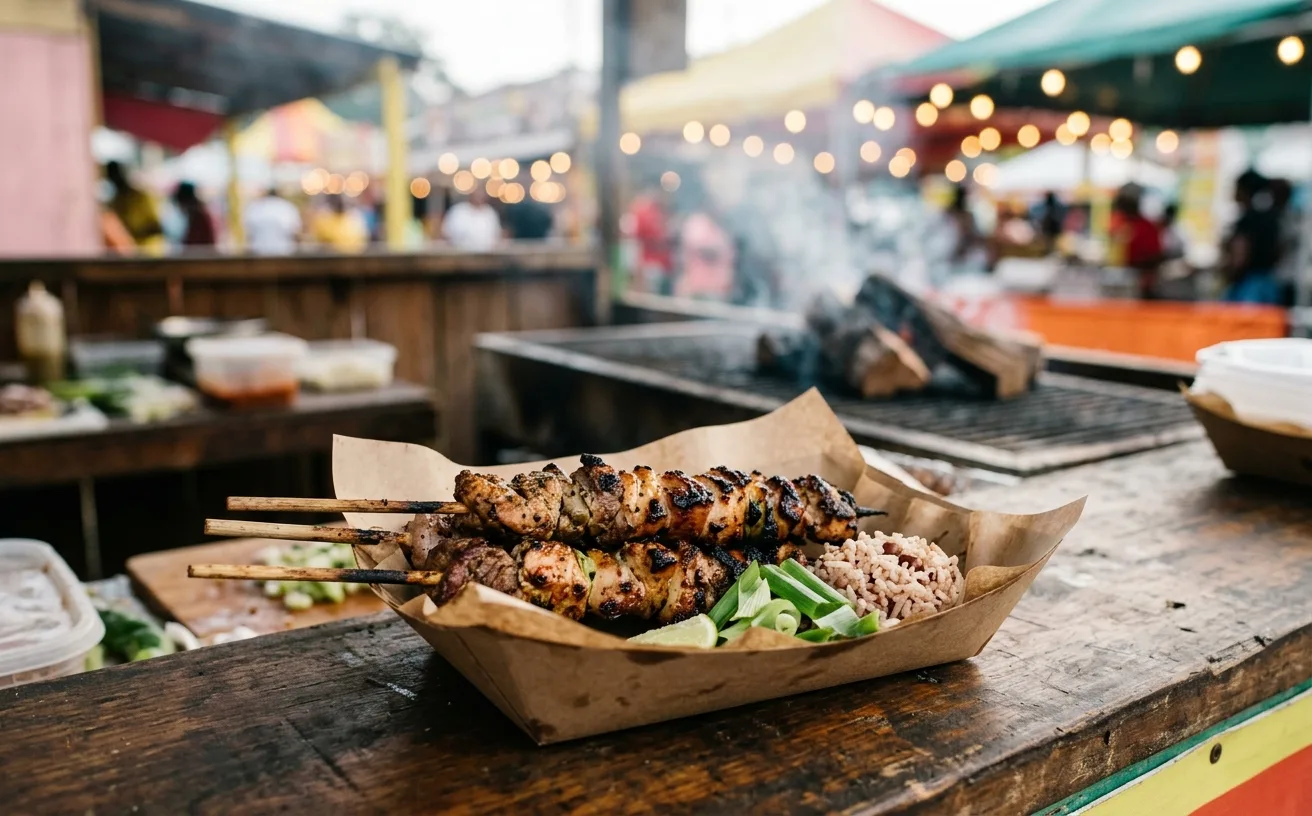
Jerk Skewers
Jamaica · ▶
 AI illustration
Pinchos
Puerto Rico
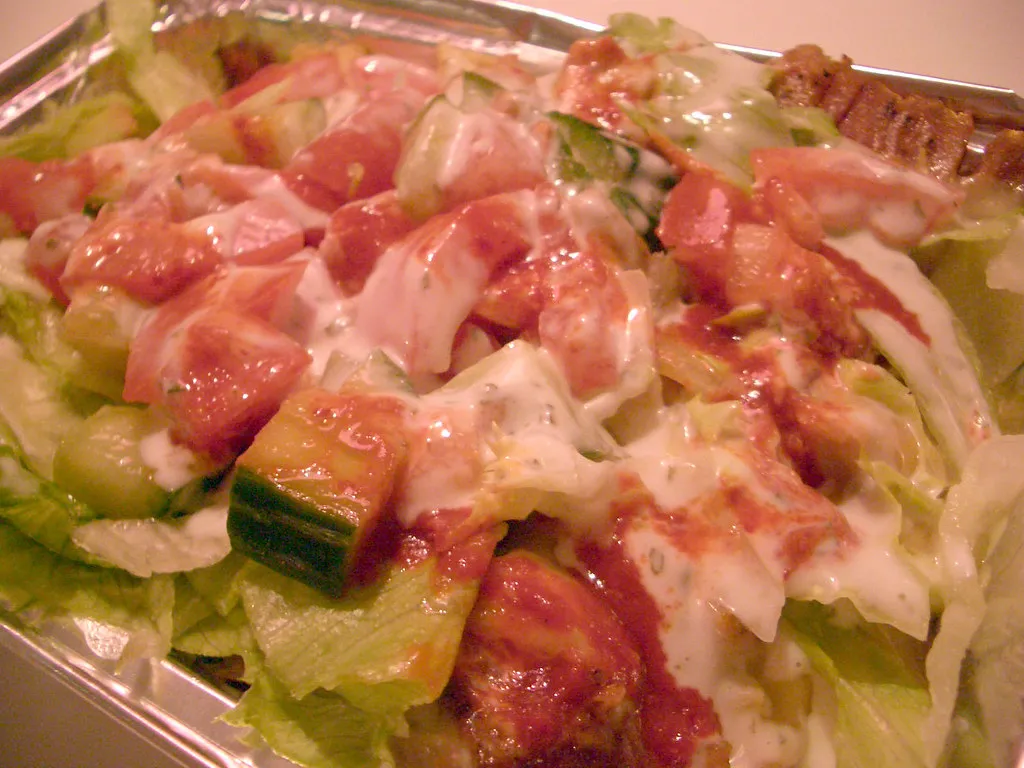
Kapsalon
Netherlands
 AI illustration
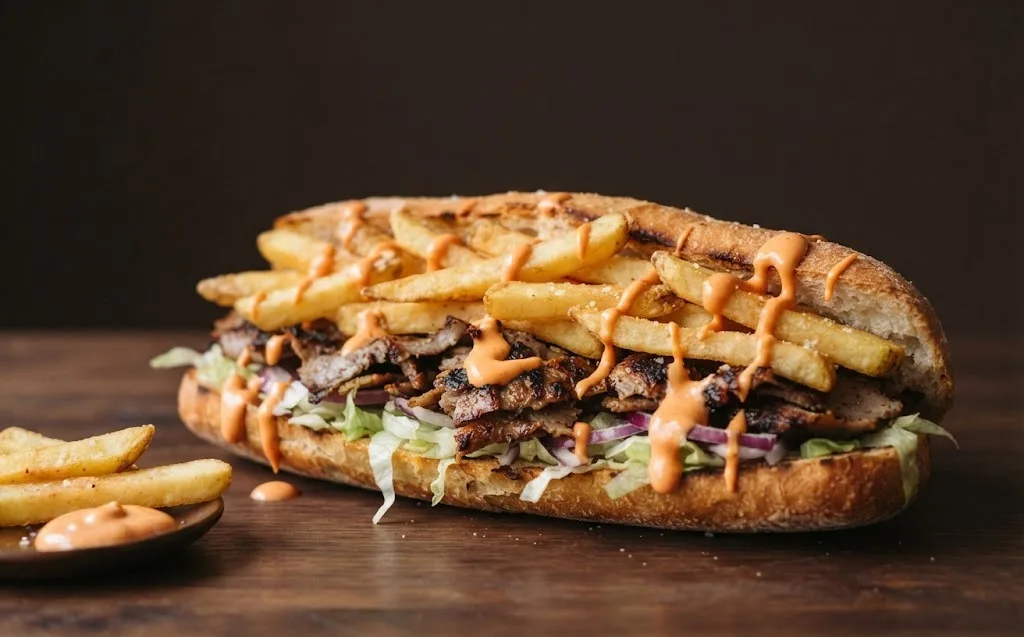
Mitraillette with doner
Belgium
 AI illustration
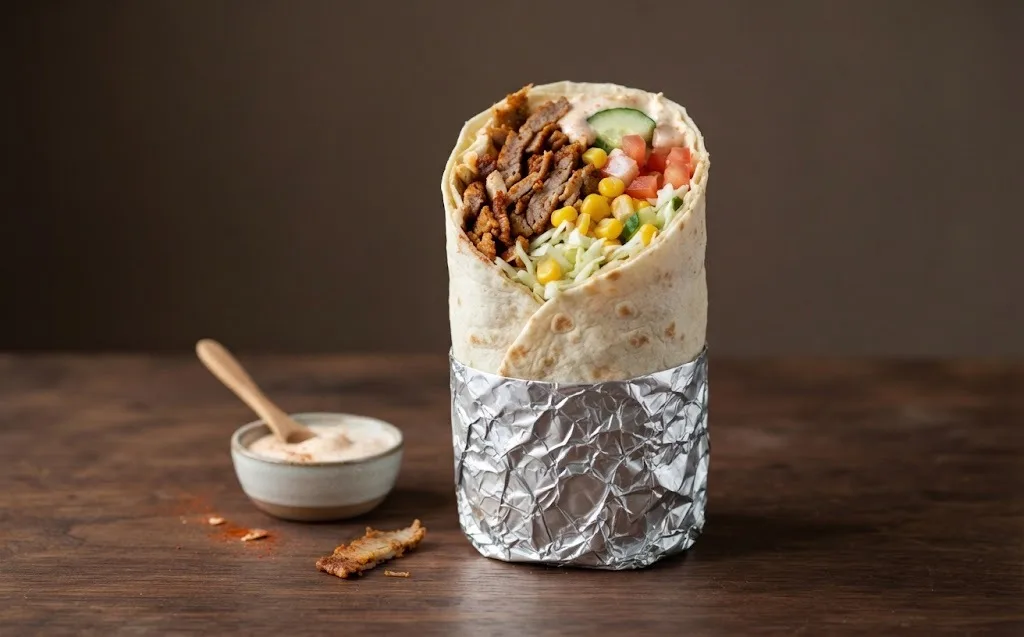
Rullekebab
Norway
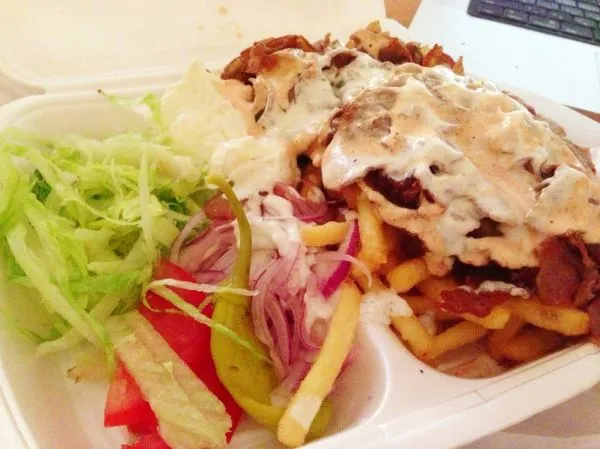
Kebabtallrik
Sweden
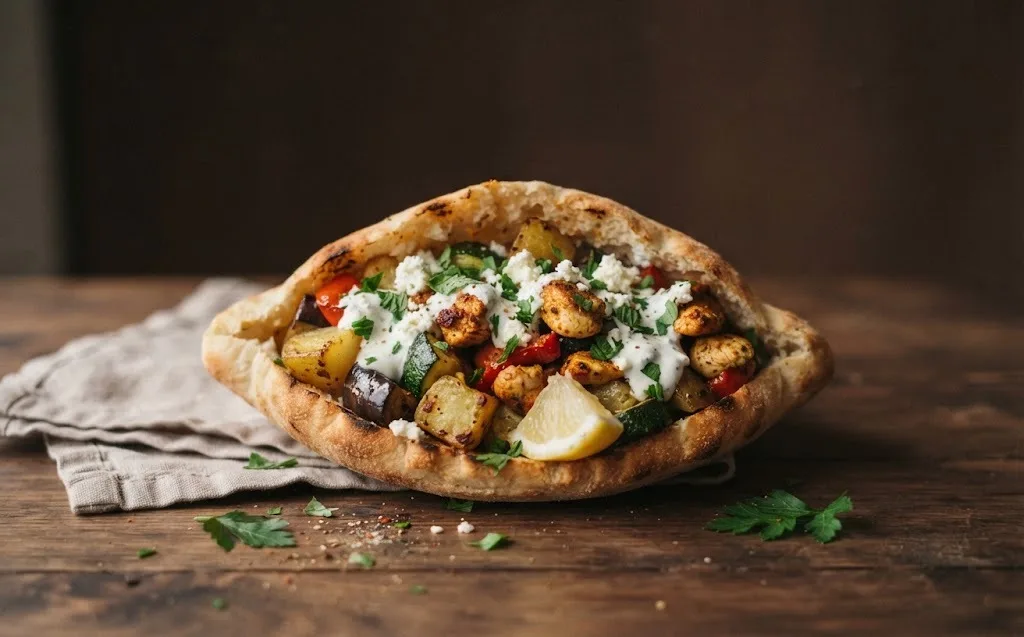 AI illustration
Gemüse Kebap
Germany
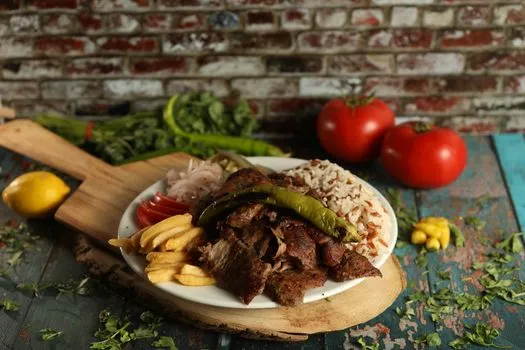
Döner Teller
Germany
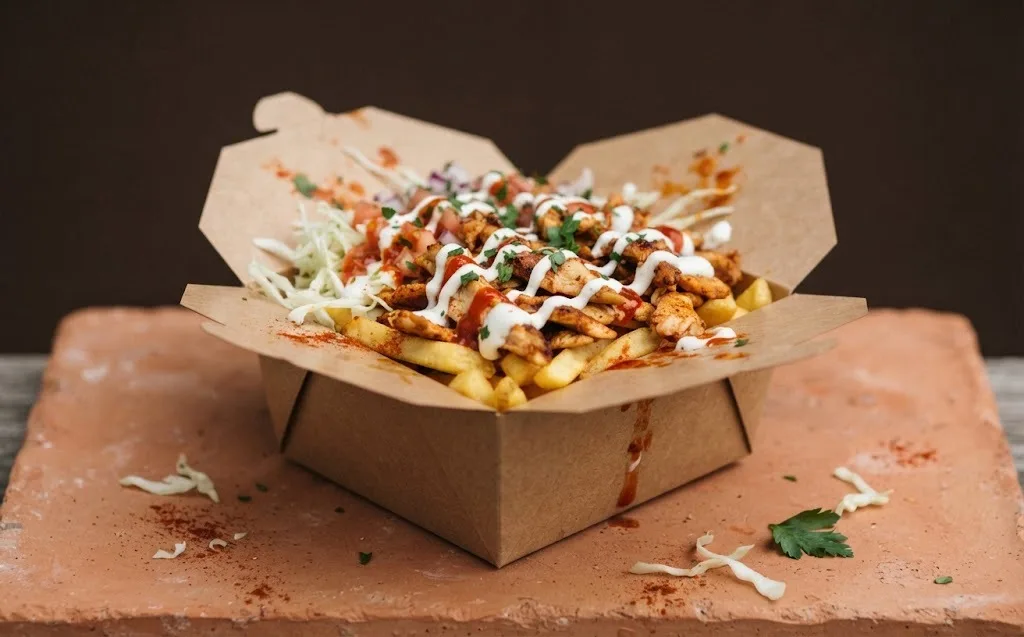 AI illustration
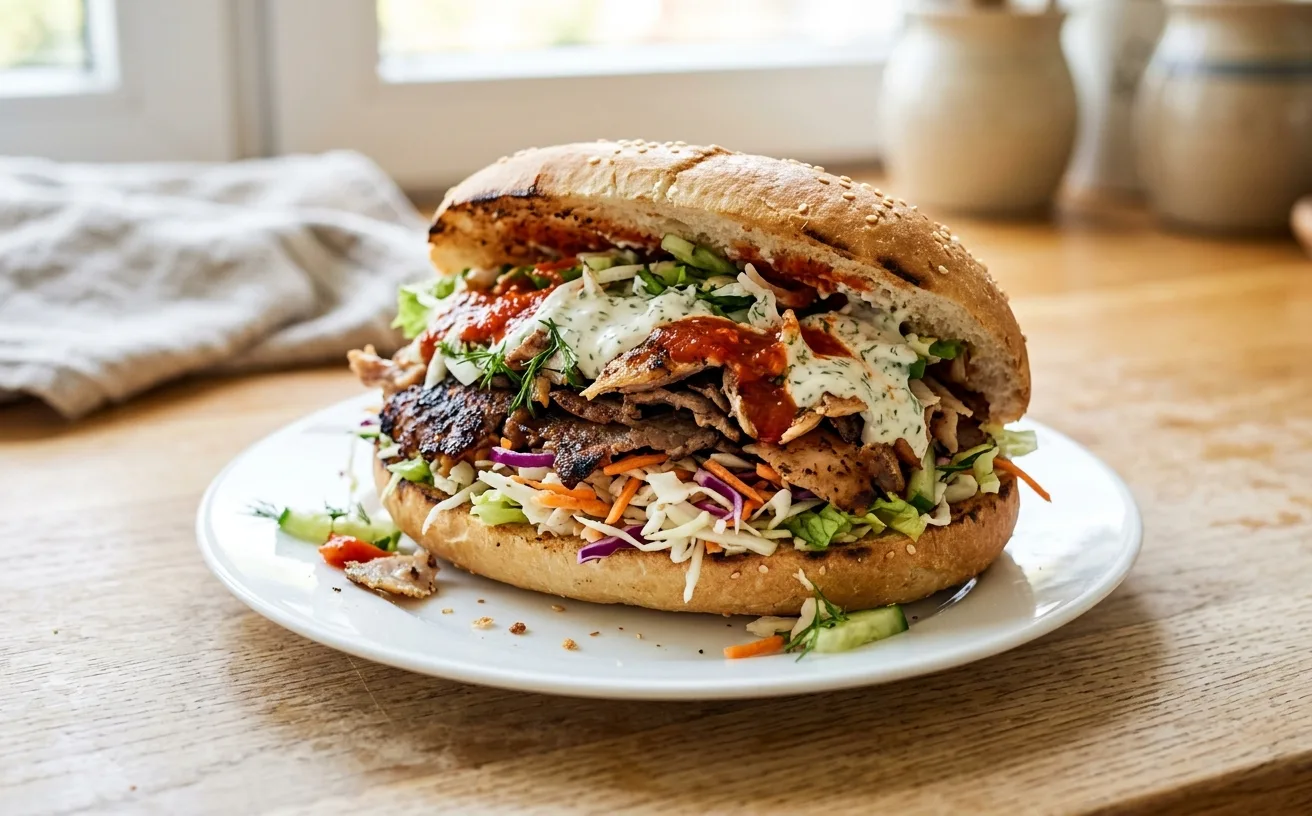
Kebap-Box
Austria · ▶
 AI illustration
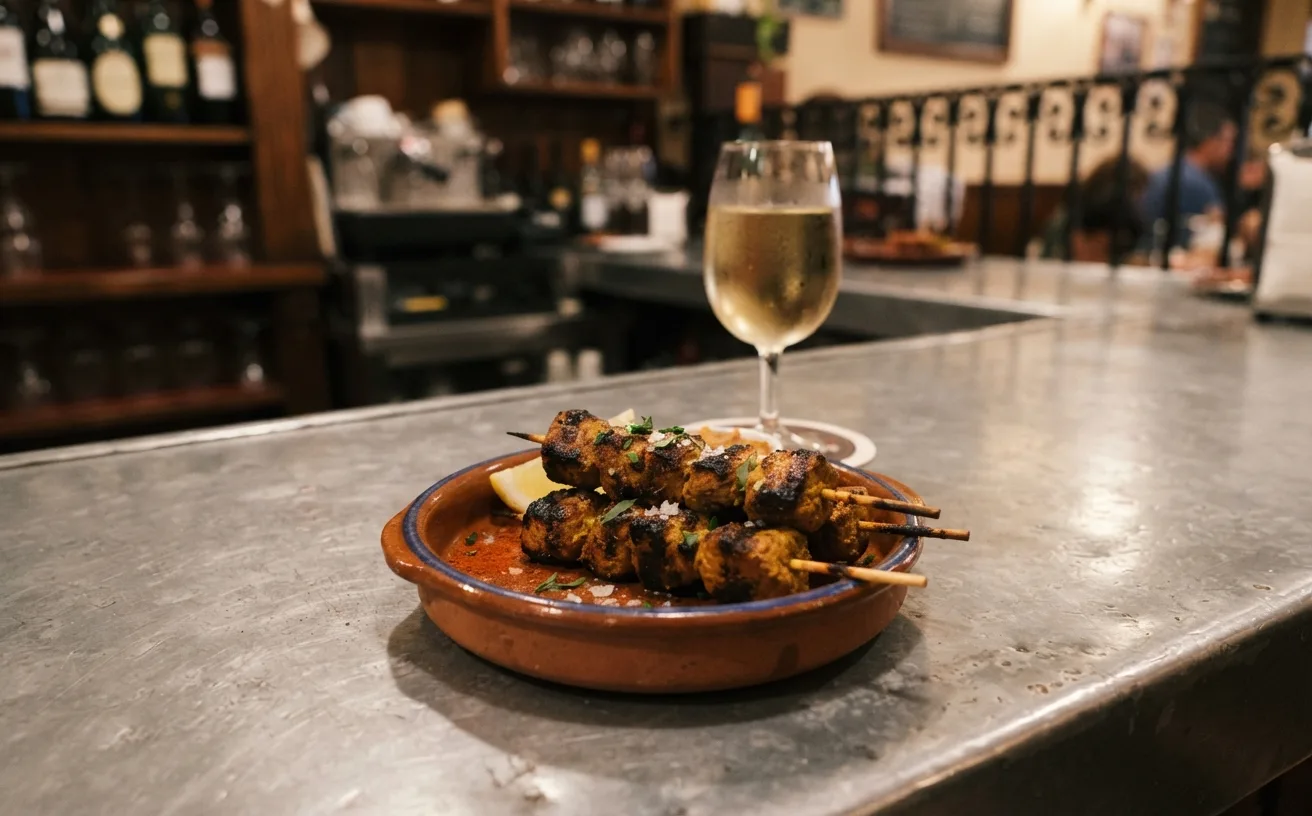
Polish kebab
Poland · ▶
 AI illustration
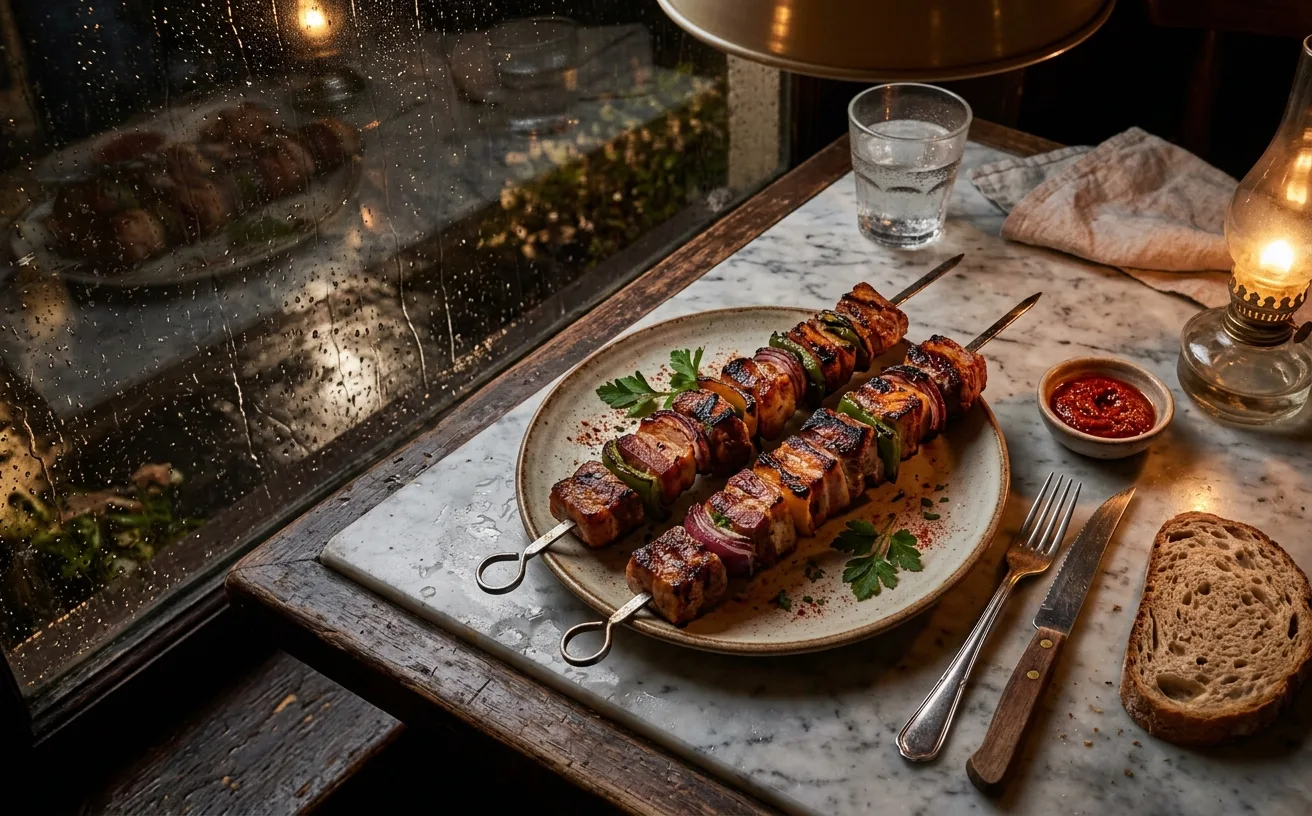
Pinchos morunos
Spain · ▶
 AI illustration
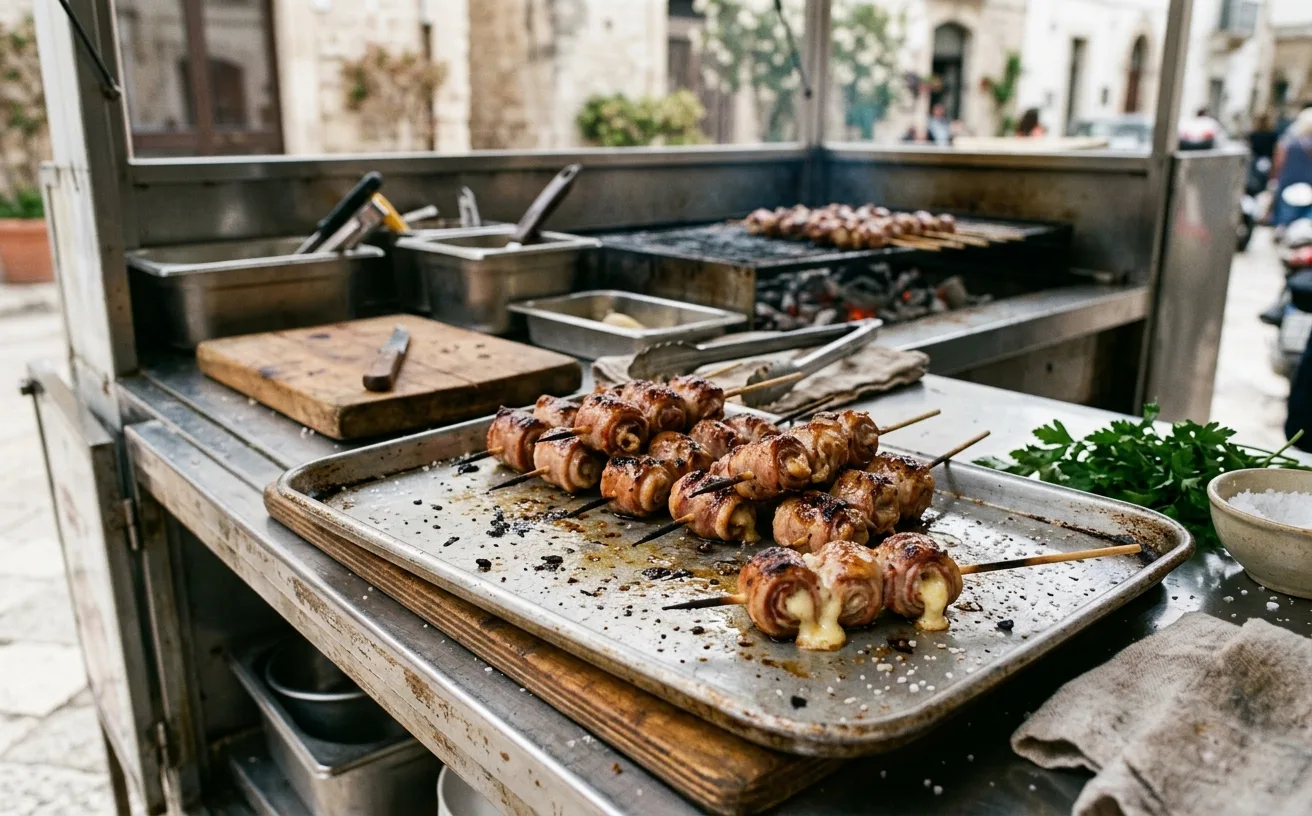
Rablóhús
Hungary
 AI illustration
Bombette pugliesi
Italy · ▶
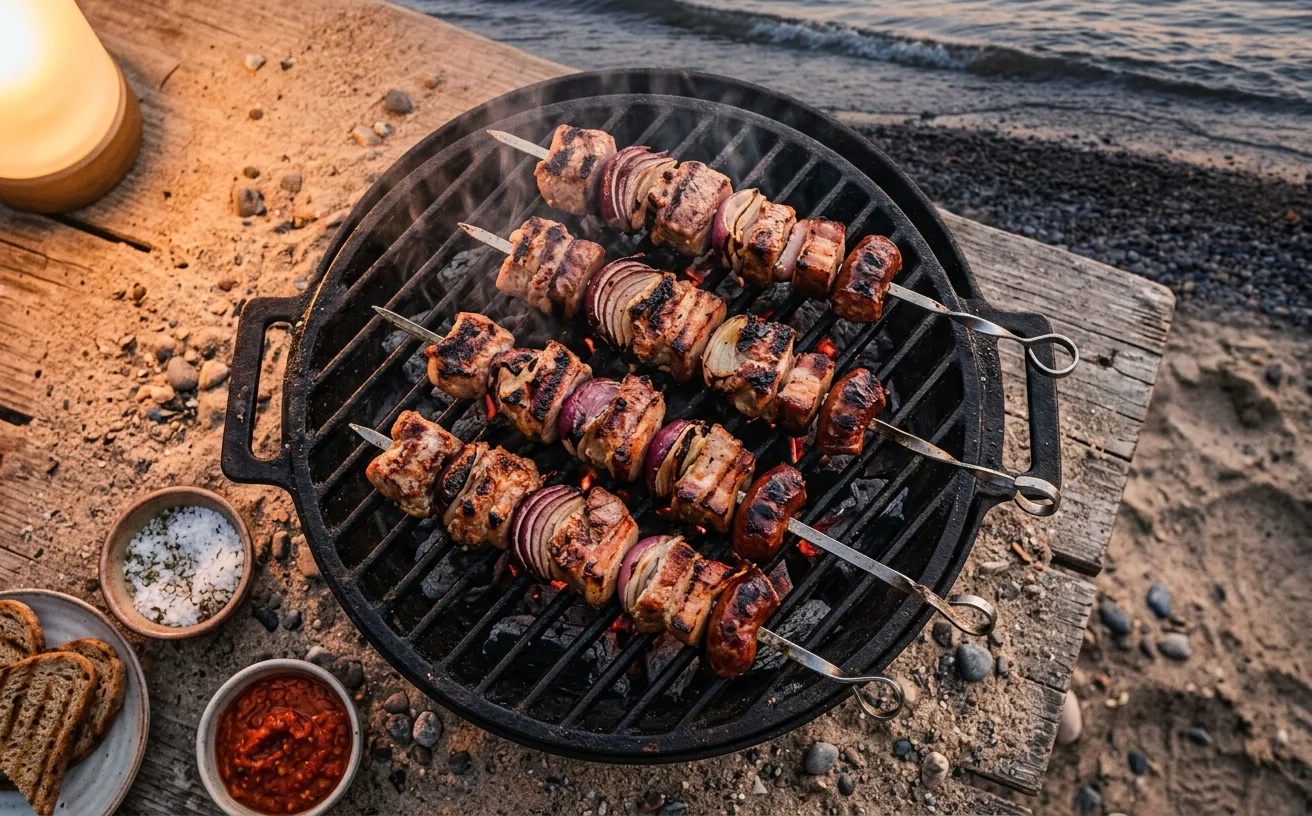 AI illustration
Ražniči
Czech Republic · ▶
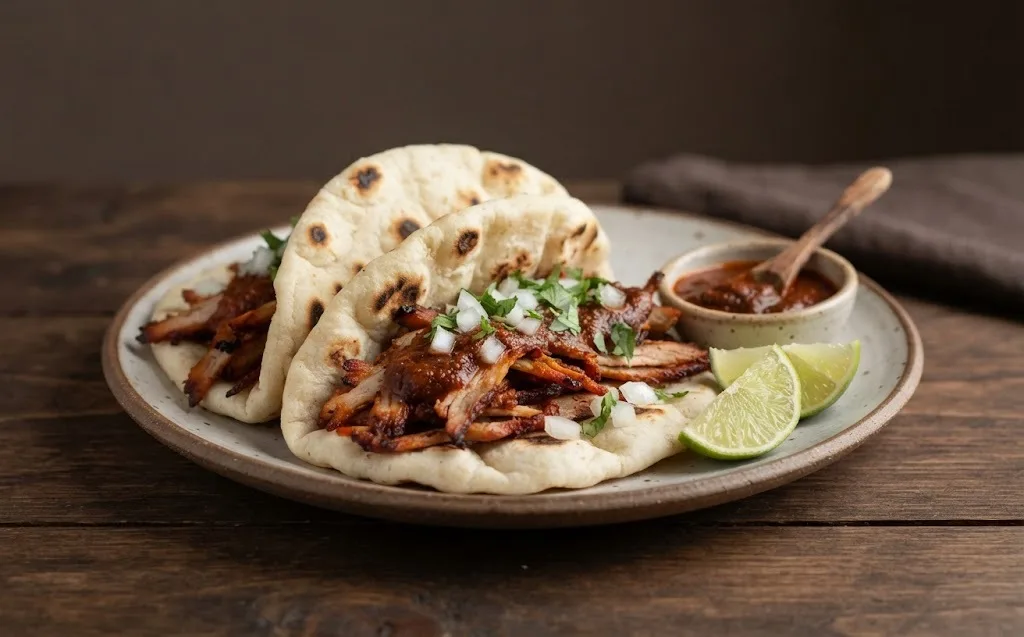 AI illustration
Tacos árabes
Mexico
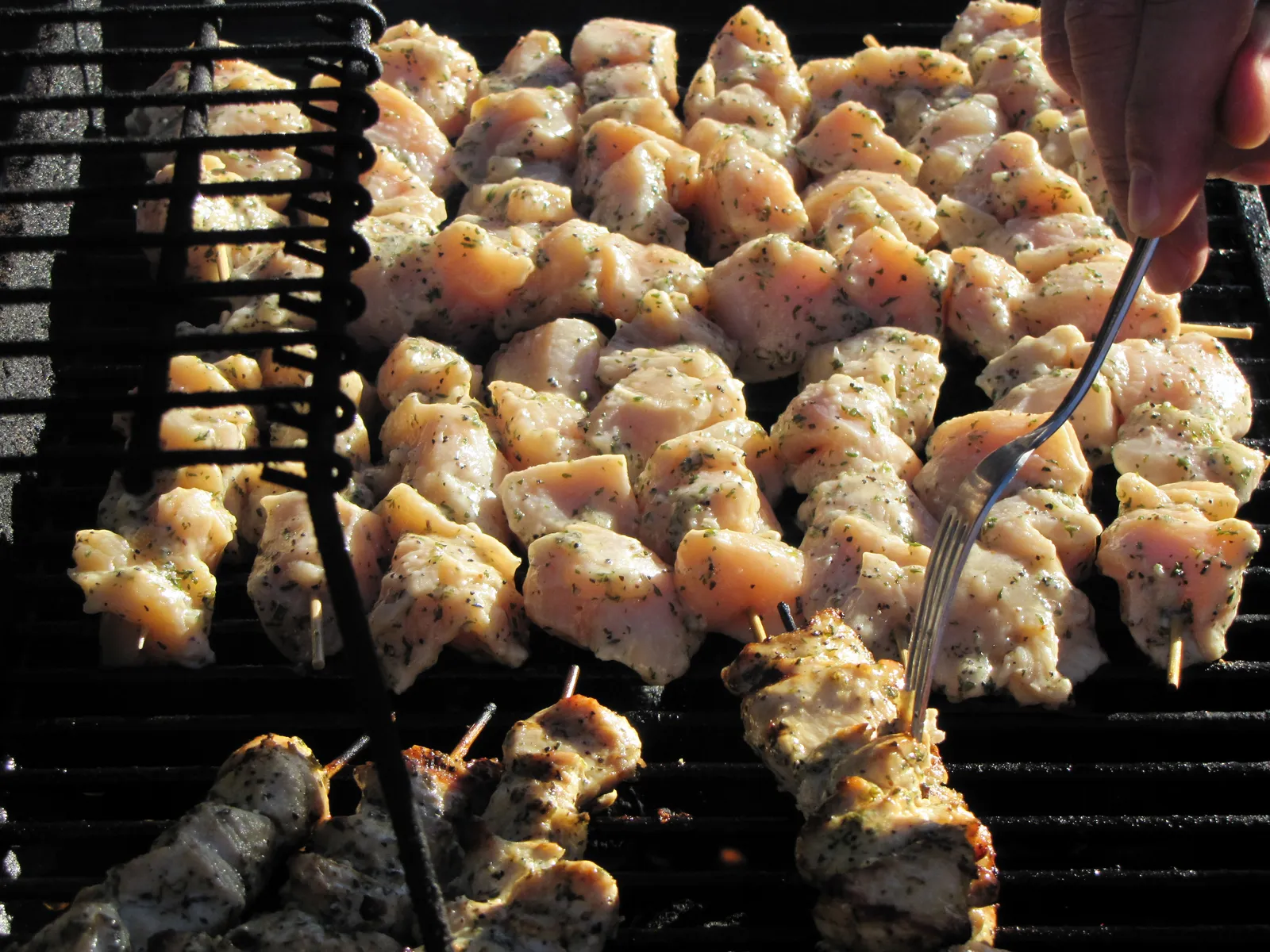
Spiedie
United States · ▶
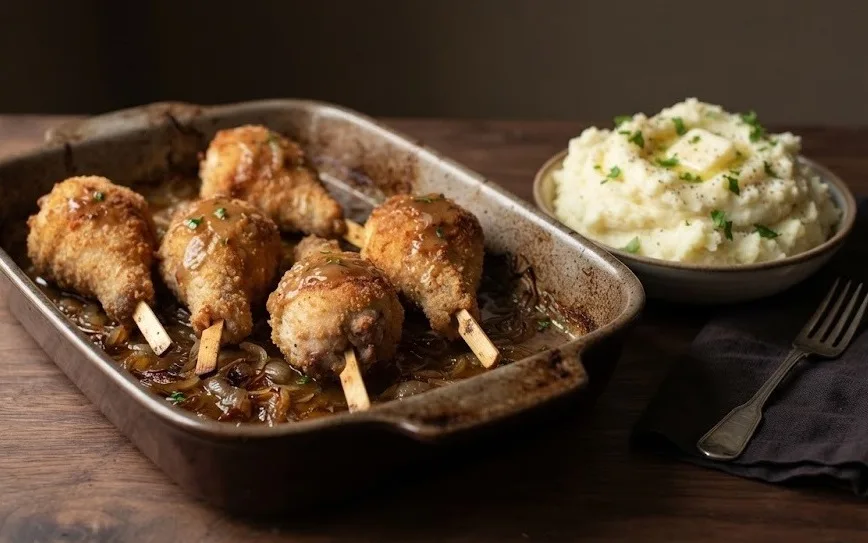 AI illustration
City chicken
United States · ▶
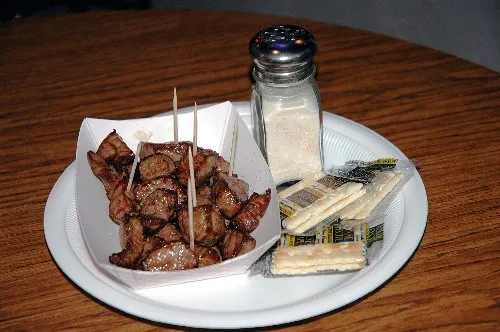
Chislic
United States
 AI illustration
Koobideh (kabob-house Persian-American)
United States · ▶
 AI illustration
Hawaiian teriyaki beef sticks
United States
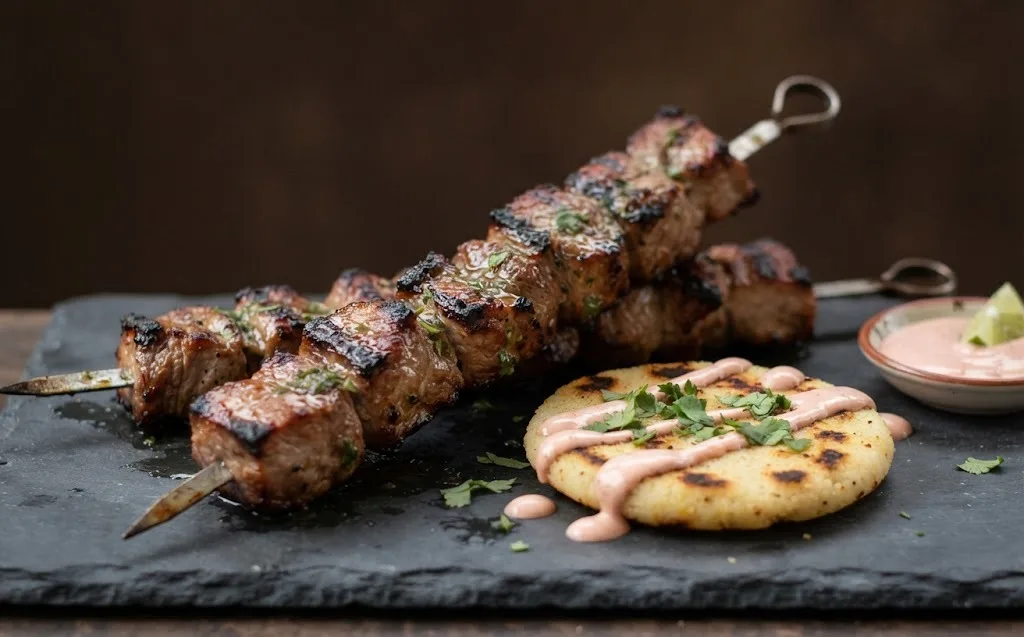 AI illustration
Chuzo (Colombia)
Colombia · ▶
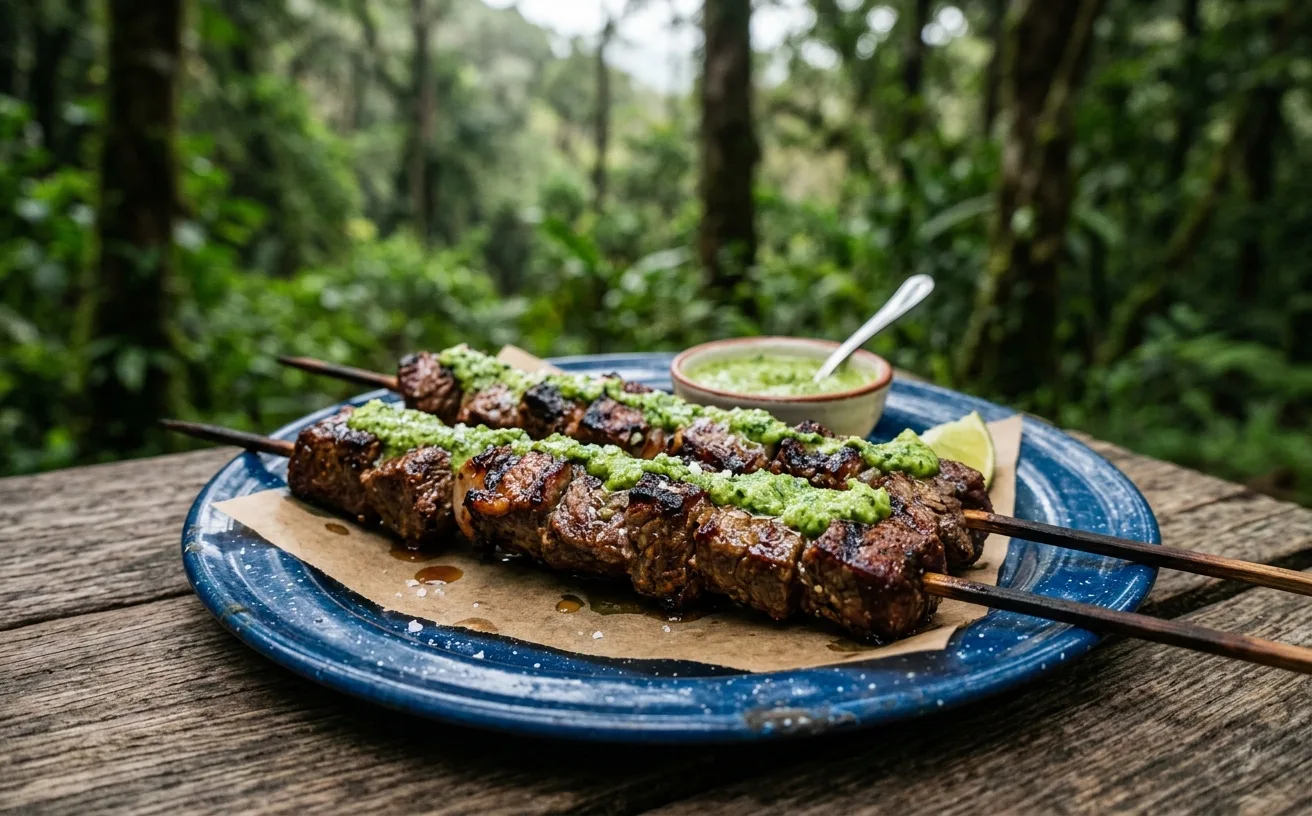 AI illustration
Carne en palito (Venezuela)
Venezuela · ▶
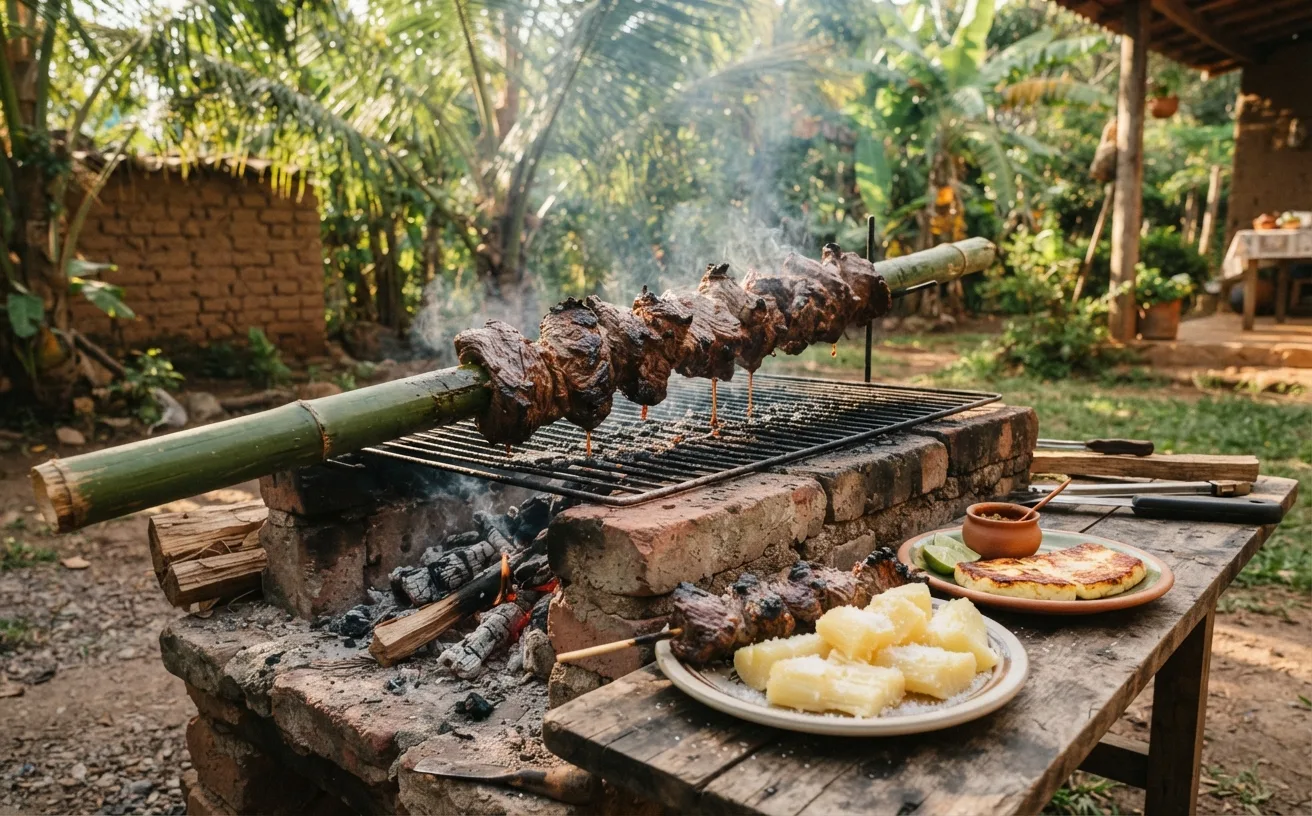 AI illustration
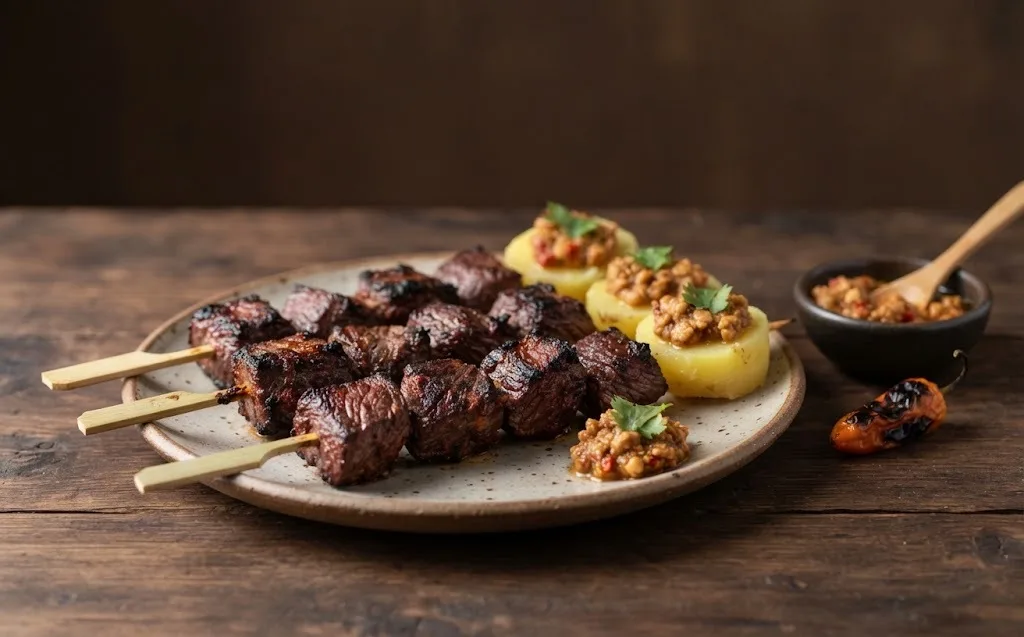
Pacumutu
Bolivia · ▶
 AI illustration
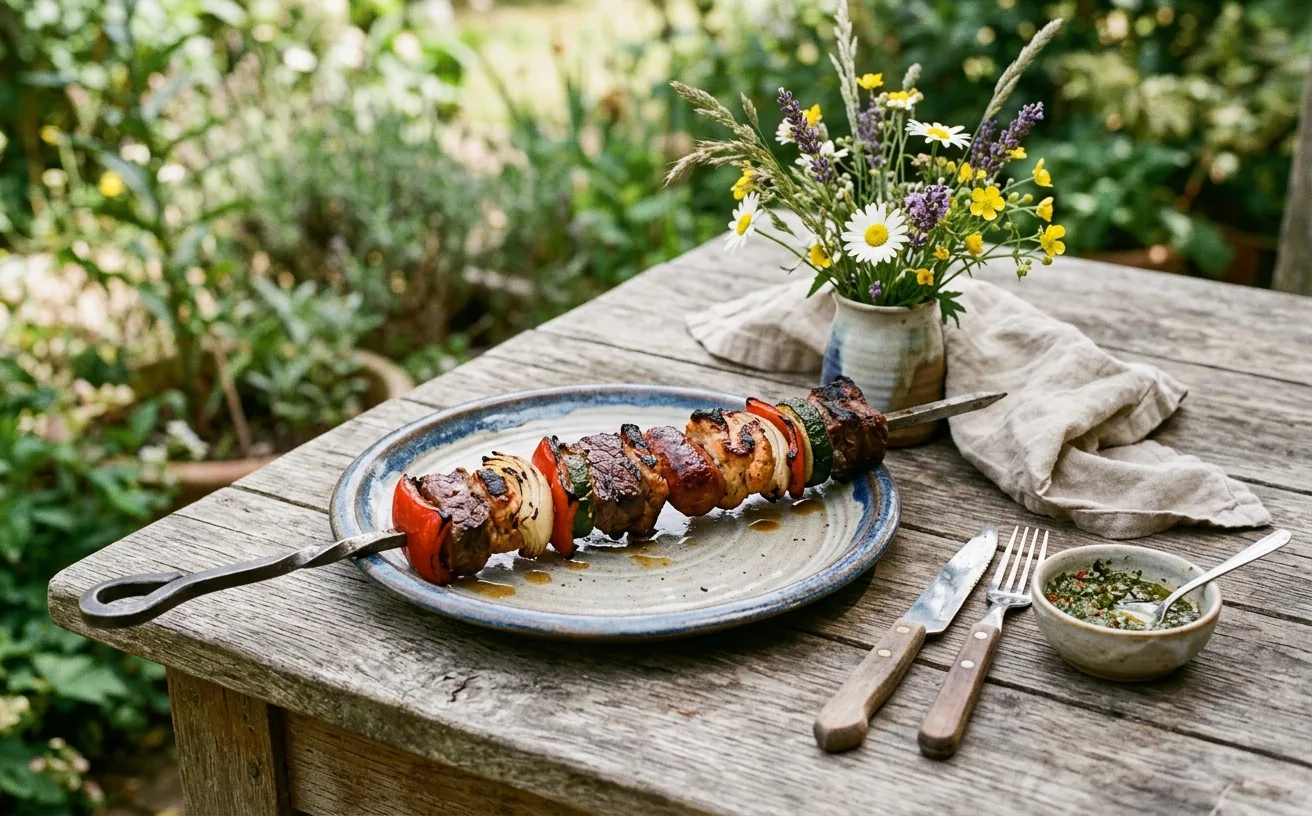
Anticucho (Andean variants)
Bolivia / Ecuador / Chile · ▶
 AI illustration
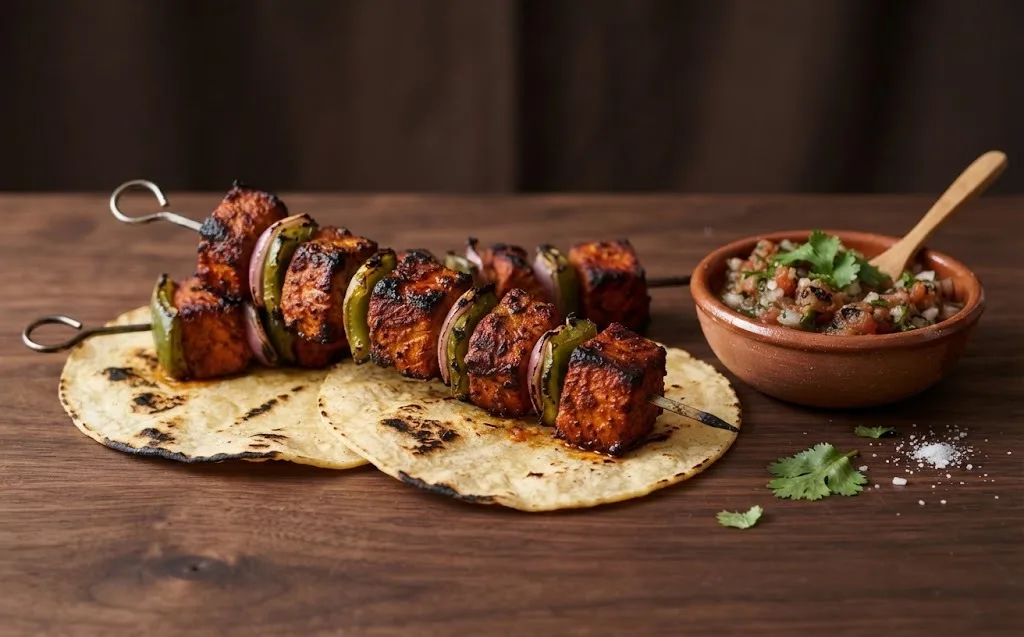
Brocheta de asado
Argentina / Uruguay · ▶
 AI illustration
Pincho centroamericano
Guatemala / Central America · ▶
New Zealand doner wrap
New Zealand · ▶
 AI illustration
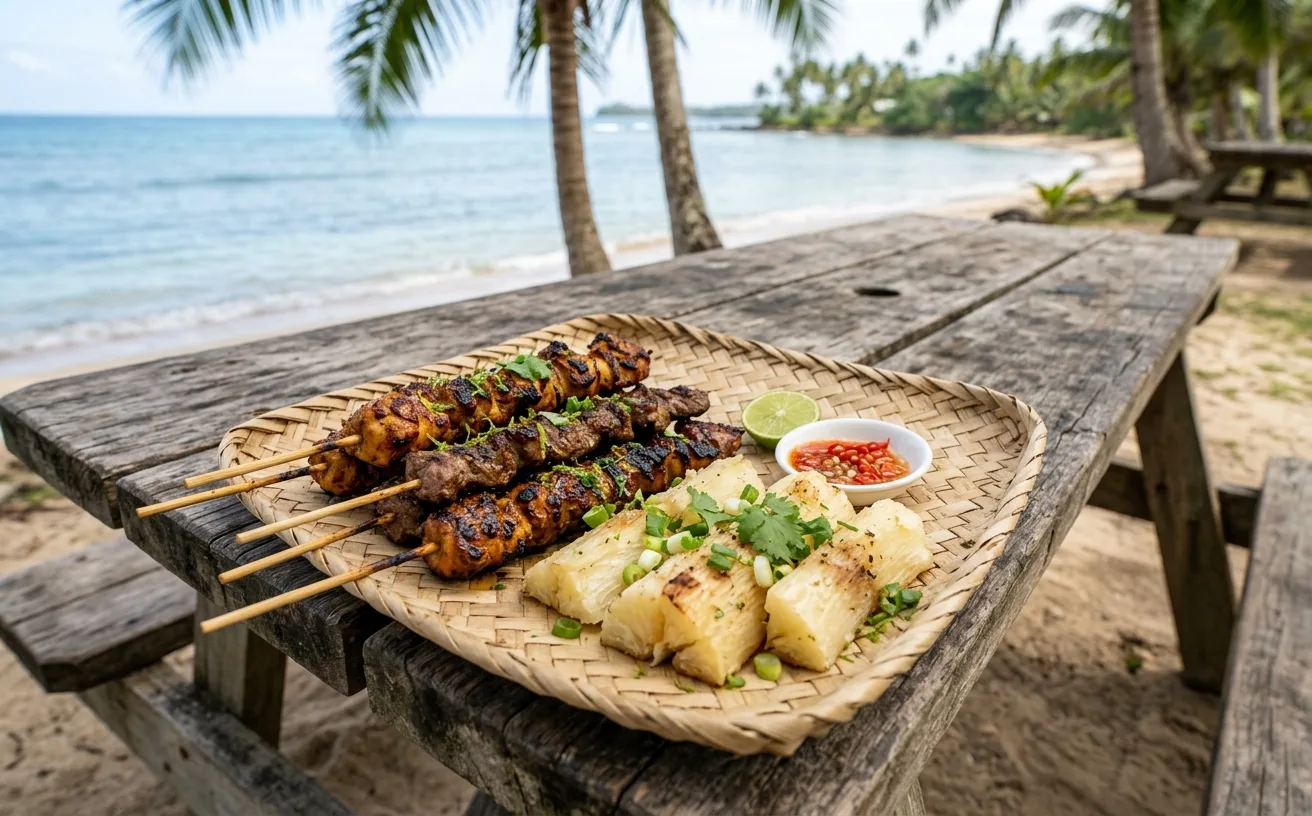
Fijian BBQ pack skewers
Fiji · ▶
Quick index
- Doner Kebab (Germany) — The sandwich form of doner — shaved rotisserie meat piled into toasted flatbread with salad, red cabbage, and garlic-herb sauces — was popularized by Turkish guest workers in 1970s West Berlin.
- Doner Kebab (British kebab shop) — The UK's late-night institution: heavily seasoned minced-lamb doner carved off the spit into pitta with shredded cabbage, onion, and chilli sauce, sold from Turkish- and Kurdish-run shops that open when the pubs shut.
- French Kebab (Le Grec) — In France the doner sandwich is oddly nicknamed 'le grec' (the Greek) after the Greek-run shops that first sold it in Paris's Latin Quarter.
- Halal Snack Pack — Australia's kebab-shop cult dish: a styrofoam box of hot chips layered with shaved doner meat, melted cheese, and the 'holy trinity' of garlic, barbecue, and chilli sauces.
- Donair — Halifax's 1970s reinvention of the doner: a spiced ground-beef cone shaved onto pita and dressed with a sweet garlic sauce made from condensed milk and vinegar — nothing like tzatziki.
- Shish Kebab (North American) — The backyard-barbecue 'kabob': cubes of beef or chicken alternated with bell pepper, onion, and mushroom on long skewers, brought to America largely by Armenian and Greek immigrants.
- Kebabpizza — Sweden's most-ordered pizza: a standard pie topped after baking with shaved doner meat, fresh onion, pepperoncini, and kebab sauce, invented in immigrant-run pizzerias in the 1980s.
- Espetada — Madeira's festival skewer: large chunks of beef rubbed with garlic, coarse salt, and bay, threaded onto fresh bay-laurel branches and grilled over wood embers so the skewer itself perfumes the meat.
- Arrosticini — Abruzzo's shepherd kebabs: tiny dice of mutton on thin sticks, grilled by the dozen over a narrow charcoal trough called a fornacella and seasoned only with salt.
- Anticuchos — Peru's iconic street skewer: slices of beef heart marinated in aji panca chile, vinegar, and cumin, seared over charcoal by anticucheras and served with boiled potato and corn.
- Espetinho — Brazil's sidewalk barbecue: cheap skewers of beef, chicken hearts, sausage, or queijo coalho cheese grilled on curbside braziers and dusted with farofa.
- Churrasco Espeto — The gaucho barbecue of southern Brazil, where large cuts like picanha are threaded onto metal swords, roasted slowly over embers, and carved directly off the skewer at the table in rodizio service.
- Tacos al Pastor — Mexico City's direct descendant of the doner, developed by the Mexican-born children of Lebanese immigrants, who swapped lamb shawarma for pork marinated in achiote and guajillo chilies, stacked on a vertical trompo spit and crowned with pineapple.
- Alambre — Named after the wire skewer it was originally cooked on, alambre is grilled beef or al pastor meat chopped with bacon, peppers and onion, blanketed in melted cheese and served with tortillas.
- Jerk Skewers — A skewered take on Jamaica's jerk tradition: chicken or pork marinated in the scotch bonnet, allspice (pimento), thyme and scallion jerk paste, then grilled, ideally over smoking pimento wood.
- Pinchos — Puerto Rico's beloved roadside skewer of chicken or pork marinated in adobo and sazon, grilled over charcoal, glazed with a sweet barbecue-guava brush and traditionally topped with a chunk of bread on the skewer tip.
- Kapsalon — Invented in Rotterdam in 2003 for a barber (kapsalon means 'hair salon'), this is a foil tray of fries layered with spit-shaved shawarma or doner meat, melted Gouda, salad, garlic sauce, and sambal.
- Mitraillette with doner — A Brussels friterie classic: a half baguette stuffed with meat, a full portion of frites, and sauce, with spit-carved doner as the dominant filling in kebab shops.
- Rullekebab — The Norwegian 'roll kebab', most widespread in Western Norway: doner meat rolled into a large soft wheat flatbread with cabbage, corn, cucumber and sauce.
- Kebabtallrik — Sweden's ubiquitous pizzeria 'kebab plate': shaved doner meat heaped beside fries or rice with iceberg salad, pepperoncini, and both mild (yoghurt) and hot sauce.
- Gemüse Kebap — A Berlin refinement of the German doner sandwich that adds grilled and roasted vegetables (potato, zucchini, eggplant), feta, and lemon to marinated chicken shaved from the spit, popularized by Kreuzberg stands like Mustafa's.
- Döner Teller — The German imbiss 'doner plate': spit-carved meat served open on a plate with fries or rice, salad, and garlic-yogurt sauce instead of stuffed into bread.
- Kebap-Box — A portable cardboard or plastic box of fries (or rice) topped with shaved doner meat, salad, and sauce, sold at Viennese and German wurstelstand-style kebab stands as a one-hand street meal.
- Polish kebab — Poland's take on doner, one of the country's most popular fast foods: meat shaved into a bun, pita, or tortilla and loaded with shredded-cabbage surowka salads and a choice of garlic ('mild') or spicy sauce.
- Pinchos morunos — Andalusian 'Moorish skewers' of pork or chicken cubes marinated in ras el hanout-style spices (cumin, paprika, coriander) and grilled, a direct descendant of Maghrebi lamb brochettes adapted to Spanish tapas bars.
- Rablóhús — Hungarian 'robber's meat': cubes of pork or beef skewered with smoked bacon, onion, and pepper and roasted over an open campfire, folklorically attributed to highwaymen cooking stolen livestock on their swords.
- Bombette pugliesi — Bite-sized 'little bombs' from Puglia's Itria Valley: thin pork capocollo slices rolled around caciocavallo cheese and pancetta, skewered, and roasted in the wood-fired fornello ovens of local butcher shops that grill what you buy.
- Ražniči — A Czech and Slovak pub-and-cookout staple of pork cubes skewered with onion, bacon, and sausage, its name borrowed from South Slavic raznjici ('little spits') and spread north during shared Habsburg and later Czechoslovak-Yugoslav culinary exchange.
- Tacos árabes — Puebla's direct doner descendant, created in the 1930s by Iraqi and Lebanese immigrants who stacked marinated pork on a vertical spit and shaved it into a soft wheat 'pan arabe' instead of pita.
- Spiedie — Binghamton, New York's signature: cubes of chicken, pork, or lamb marinated for days in a vinegar-oil-herb bath, grilled on skewers, then pulled off into a slice of Italian bread used as both glove and bun.
- City chicken — A Depression-era Rust Belt (Pittsburgh, Cleveland, Detroit) skewer of cubed pork and veal molded on a wooden stick, breaded, and fried or braised to imitate a chicken drumstick when chicken cost more than pork.
- Chislic — South Dakota's official state 'nosh': cubes of mutton, lamb, or beef deep-fried or grilled, served on toothpicks or skewers with garlic salt and saltines, a bar-food fixture south of Sioux Falls.
- Koobideh (kabob-house Persian-American) — The seasoned ground beef-and-onion flat skewer that anchors the Persian-American 'kabob house', a restaurant genre built by post-1979 Iranian exiles in Los Angeles ('Tehrangeles') and the Washington DC area.
- Hawaiian teriyaki beef sticks — Thin-sliced or cubed beef soaked in shoyu-sugar-ginger teriyaki and grilled on bamboo skewers, sold at Hawaii plate-lunch counters, okazuya delis, and school fundraiser grills.
- Chuzo (Colombia) — Colombia's after-dark street skewer: generous chunks of pork, chicken, or beef marinated in beer and spices, char-grilled and served with a small arepa or boiled potato grilled alongside, doused in pink and pineapple sauces.
- Carne en palito (Venezuela) — Venezuela's highway and beach-town skewer, literally 'meat on a little stick': beef cubes marinated with Worcestershire, garlic, and beer, grilled over coals and often finished with guasacaca sauce, classically bought through the car window on the road to the coast.
- Pacumutu — The giant kebab of Bolivia's eastern lowlands (Beni and Santa Cruz): fist-sized chunks of beef threaded on long rods or green stakes, slow-grilled churrasco-style and served with boiled yuca and grilled cheese.
- Anticucho (Andean variants) — The Peruvian beef-heart skewer as re-rooted by its neighbors: La Paz street vendors serve it late-night with potato and spicy peanut sauce, Ecuadorian coastal grills swap in ordinary beef or chicken, and the Chilean 'anticucho' becomes an asado brochette of mixed meat, longaniza sausage, and onion.
- Brocheta de asado — The Rio de la Plata parrilla's skewer course: beef, chorizo, chicken, and vegetables threaded together and cooked over the same wood embers as the asado, seasoned with little more than coarse salt and chimichurri.
- Pincho centroamericano — The night-market skewer of Guatemala, Honduras, Nicaragua, and Panama: adobo-rubbed beef, pork, or chorizo grilled over charcoal and eaten with tortillas, curtido, or fried plantain.
- New Zealand doner wrap — New Zealand's Turkish-run kebab shops evolved a local style: the filled tortilla-like wrap of doner lamb or chicken is folded flat and toasted in a press, and the default sauce order is yoghurt plus sweet chili rather than garlic-and-chili.
- Fijian BBQ pack skewers — Fiji's Indian-diaspora barbecue tradition marinates chicken and lamb in ginger, garlic, soy sauce and chilli before grilling it at roadside stands and the island's ubiquitous fundraiser BBQ stalls, where it is sold as barbecue plates with cassava, roti or chop suey.