
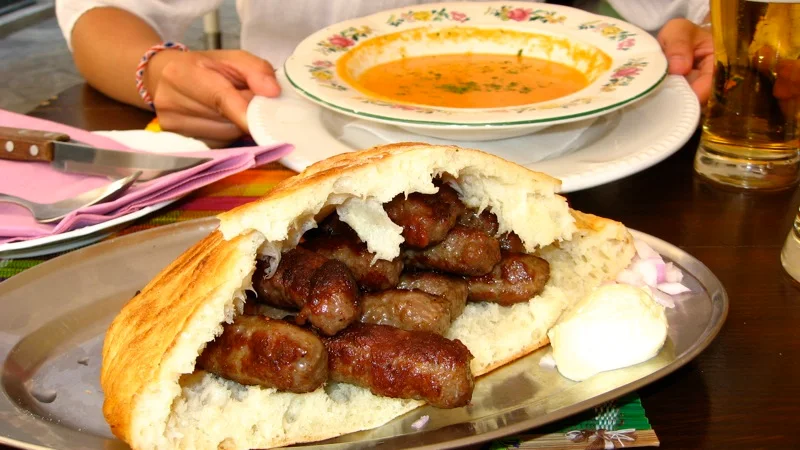
 AI illustration
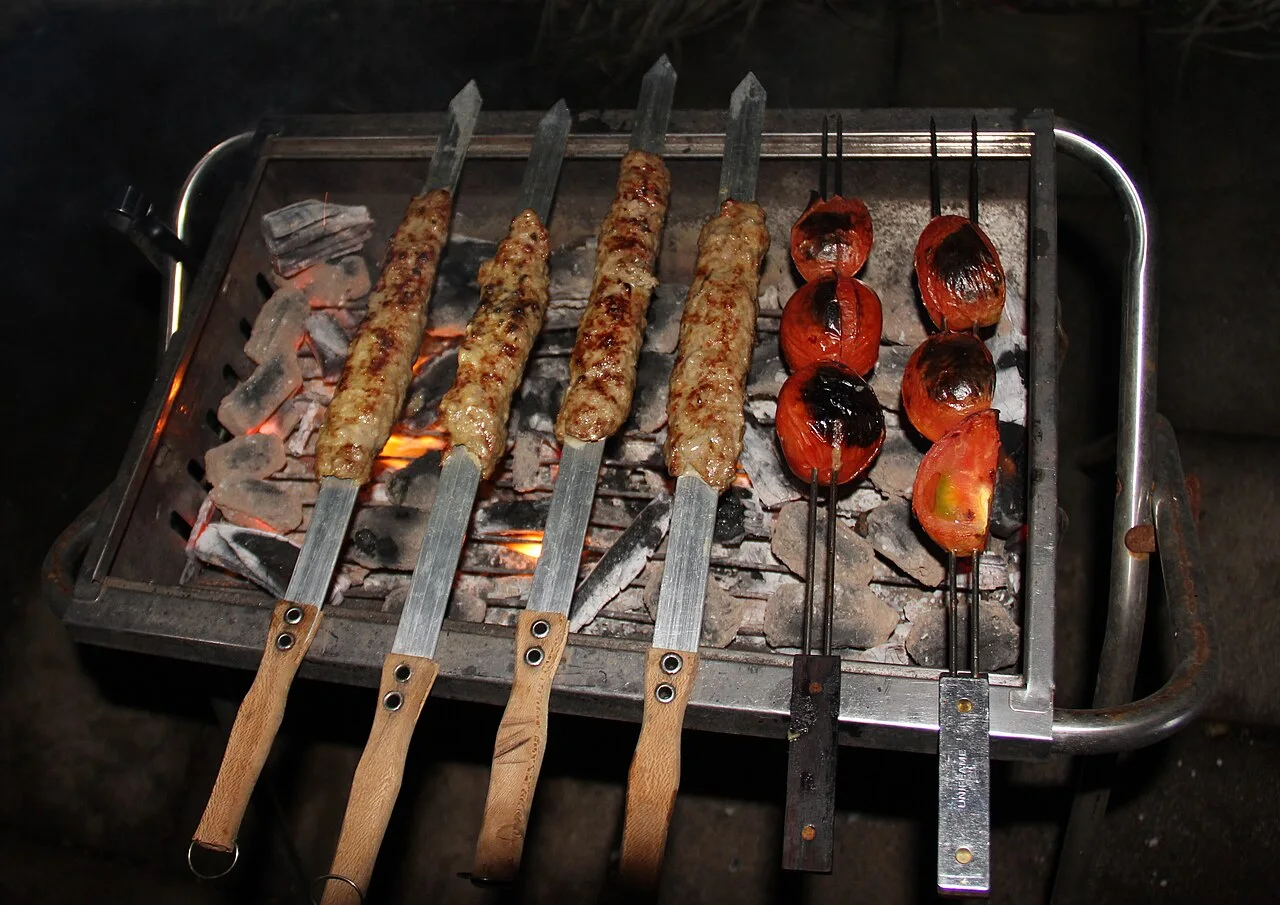
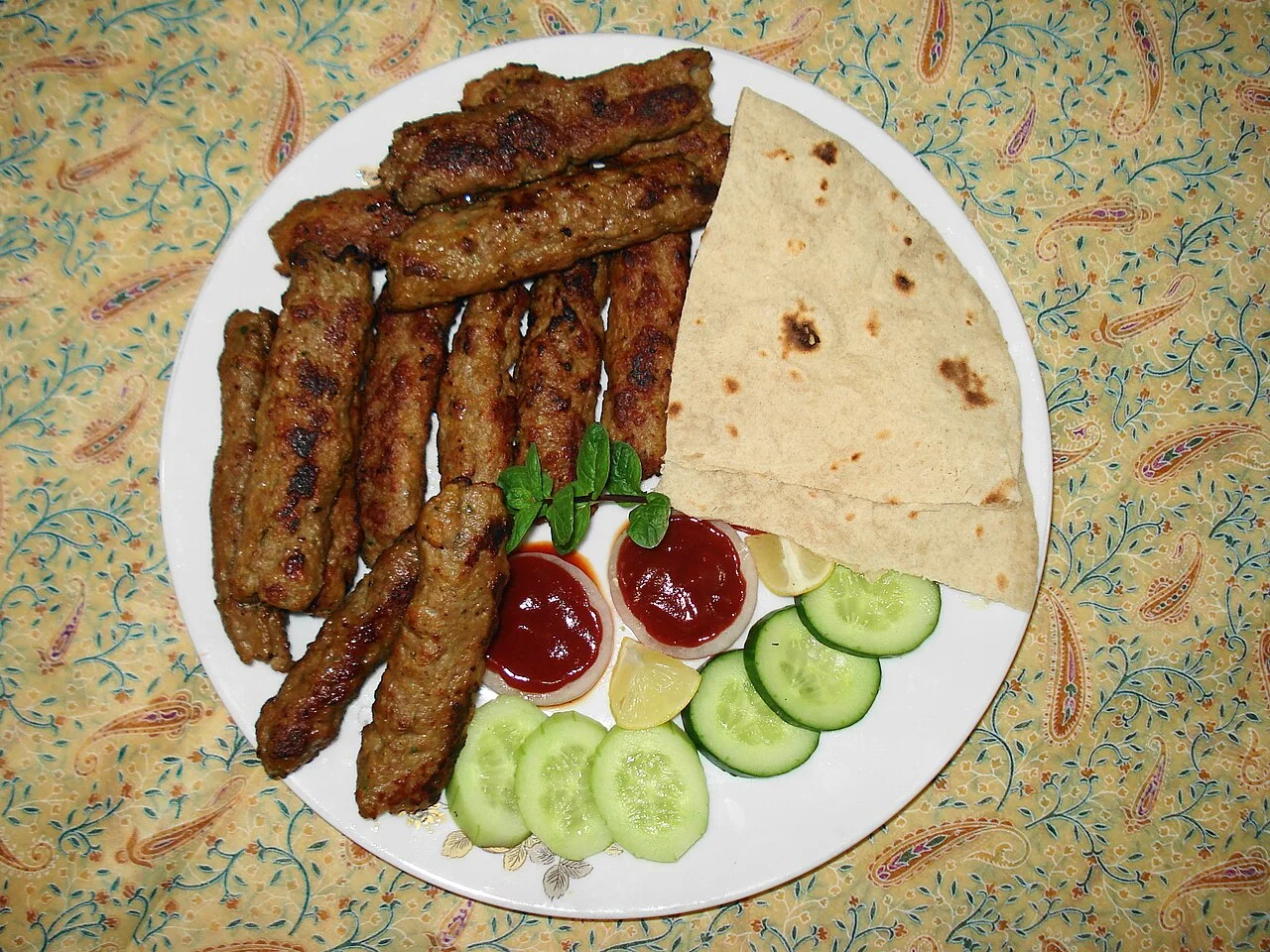
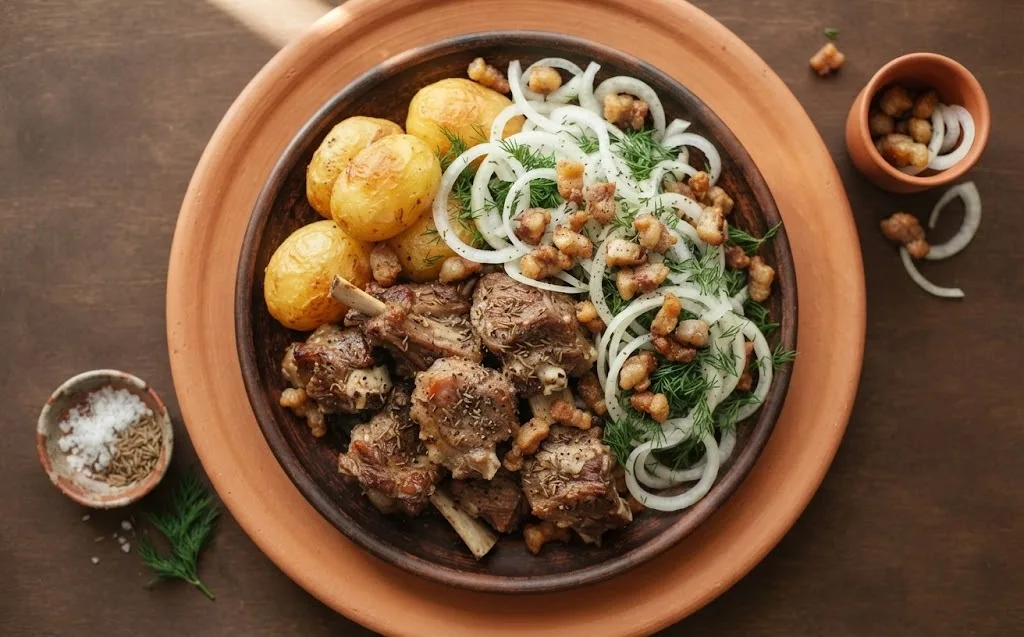 AI illustration
How the Atlas works
The Kebab Atlas documents 264 dishes across 9 regions — the most complete single map of the kebab family we know of. Every entry records the dish's story, every local name and spelling we could verify (kebab, kabob, kebap, kabab, ćevap, and dozens more), and an express recipe with measured ingredients; 162 of them also carry a reference video we checked against the dish. 37 entries link to our full step-by-step recipes.
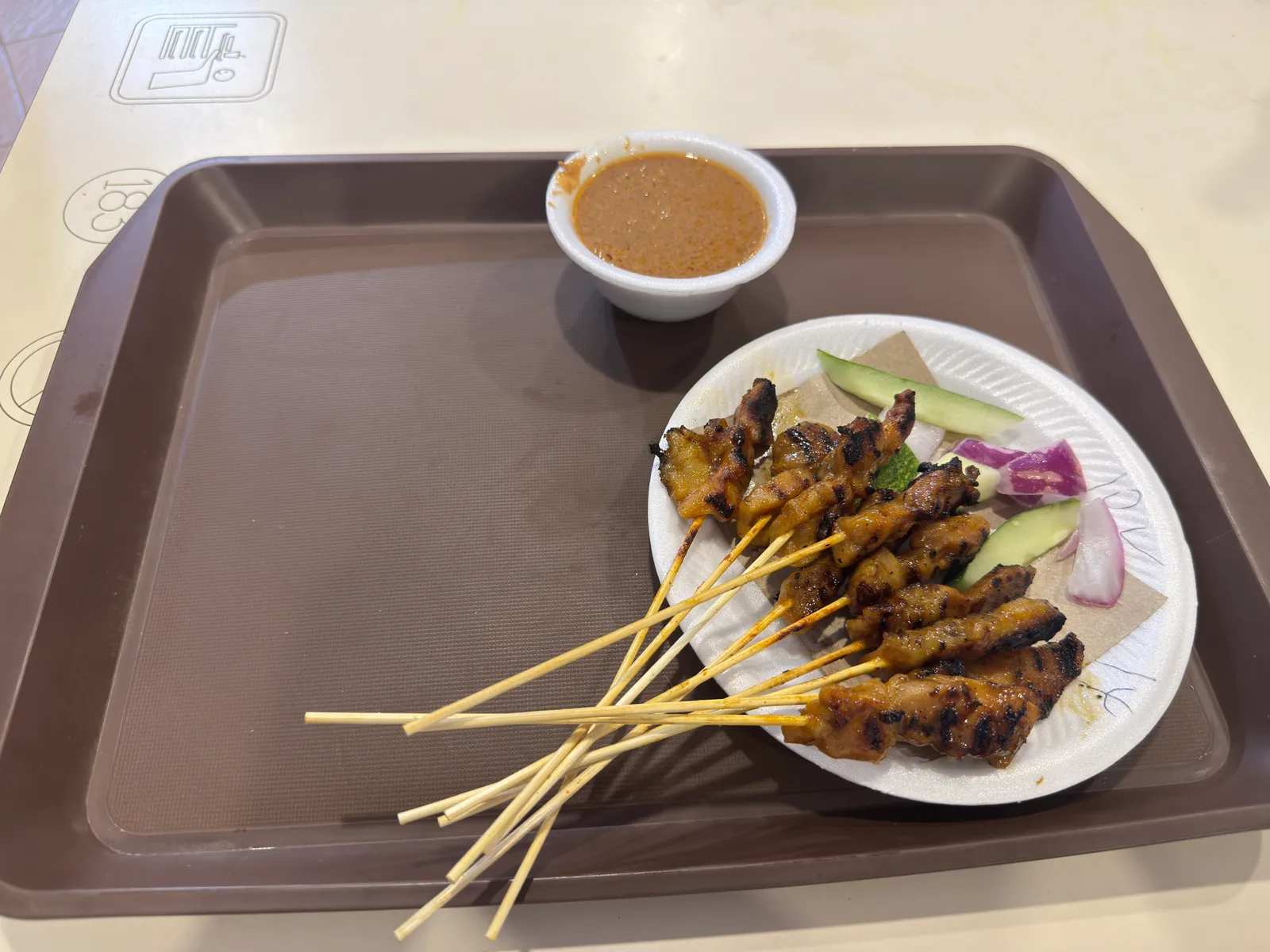
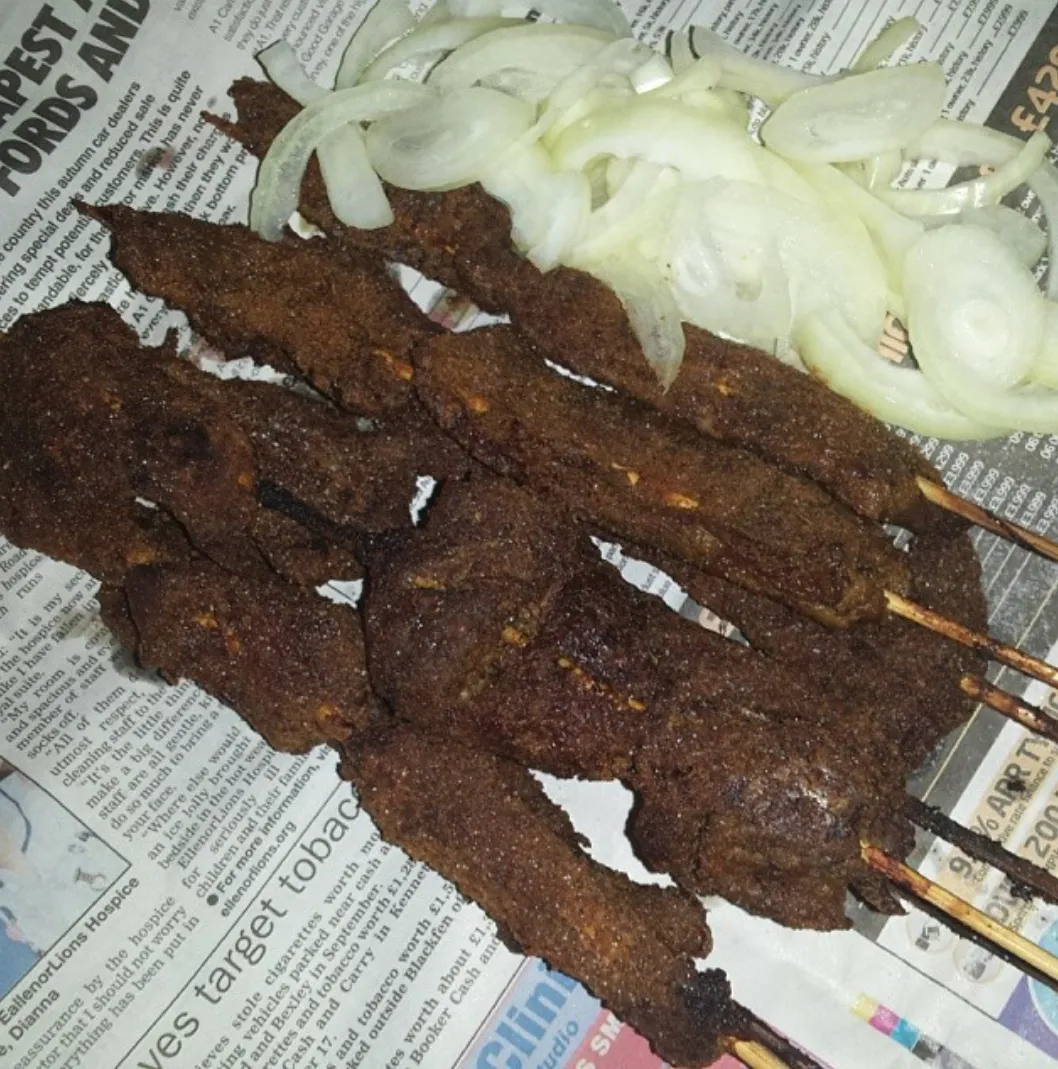
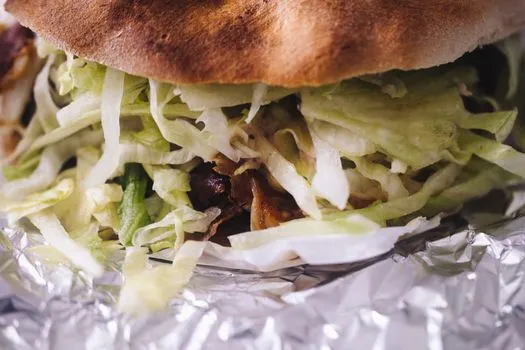
Almost everything here descends from a handful of old Anatolian and Persian techniques. The vertical döner spit fathered gyros in Greece, shawarma across the Levant, donair in Canada, and — by way of Lebanese migrants to Puebla — tacos al pastor in Mexico. The hand-minced skewer runs from Adana through Armenian lula and Persian koobideh to South Asian seekh and Balkan ćevapi. The cubed skewer became souvlaki, shashlik, Madeiran espetada, West African suya, and Southeast Asian satay. Follow any region and you are reading the same idea in a different alphabet.
Use it however you cook: browse a region for its whole tradition, open a card for the story and the express recipe, press play to watch the dish made, or jump straight to a full recipe when one exists. Entries without a photograph of known origin show a plain panel or a labelled AI illustration — we only publish photos whose source and licence we can name.