Classic Kofta Kebab is a classic Middle East dish that rewards attention to texture, heat, and serving balance.
Use this guide to follow the ingredients, method, and serving pattern that suit Classic Kofta Kebab best at home.
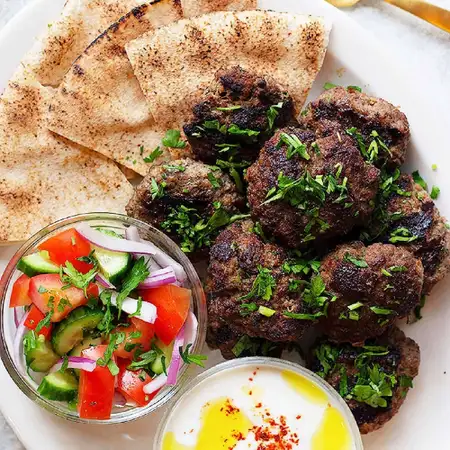
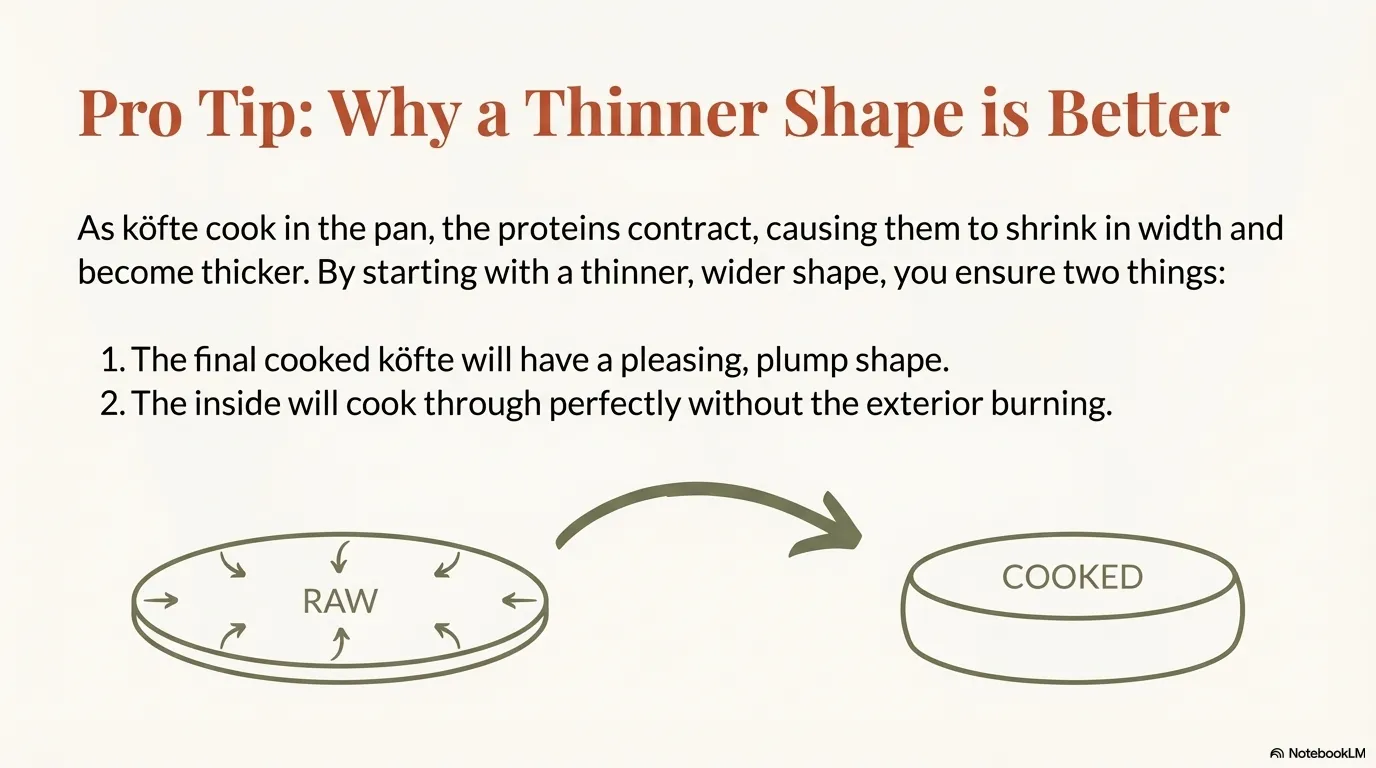
Before there were burger patties, there was kofta: ground lamb or beef kneaded with grated onion, a heap of flat-leaf parsley and warm spices, shaped by hand around a skewer and grilled over charcoal. Versions of it stretch from the Balkans to Bengal — the word comes from the Persian koofteh, "pounded" — but the classic Middle Eastern skewer keeps the spicing gentle: cumin, black pepper, maybe a whisper of allspice, so the char and the meat do the talking. What separates great kofta from crumbly disappointment is texture. The mince has to be kneaded until it turns tacky and paste-like, which develops the myosin that glues it to the skewer, and the onion must be squeezed dry so the mixture doesn't slide off over the coals. Get those two things right and everything else is garnish.
Also known as: Kofte, Kafta, Kofta Kabob, Ground Lamb Skewers, Shish Kofta
The strip drifts on its own — hover any dia to pause and zoom.
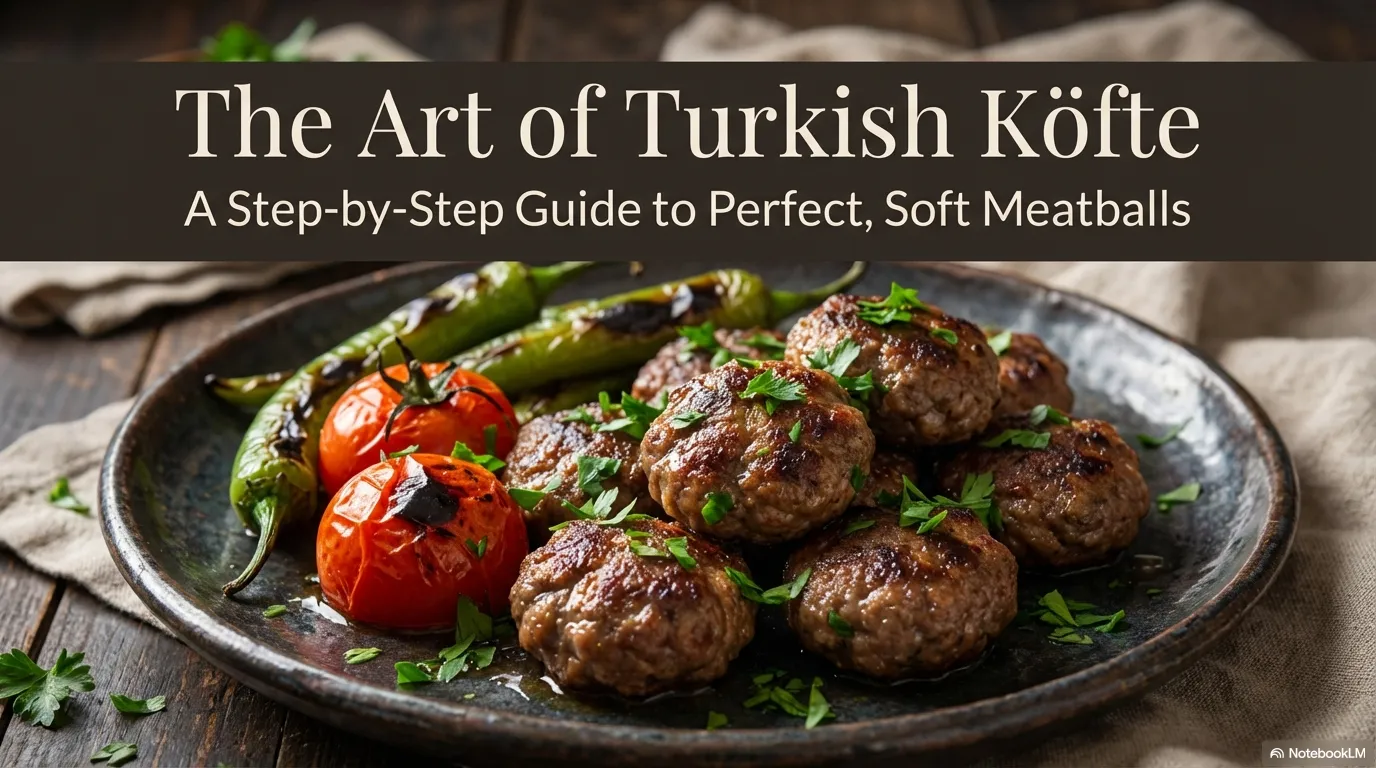
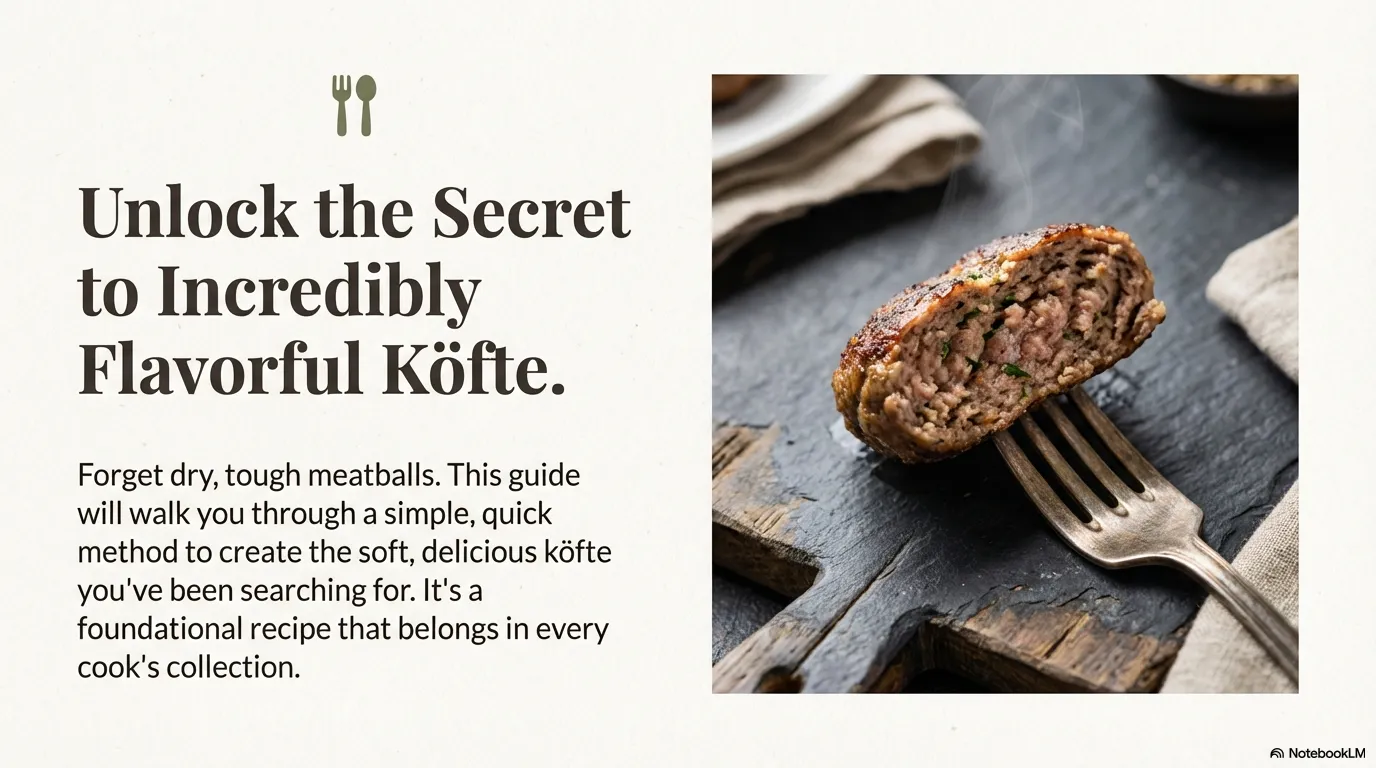
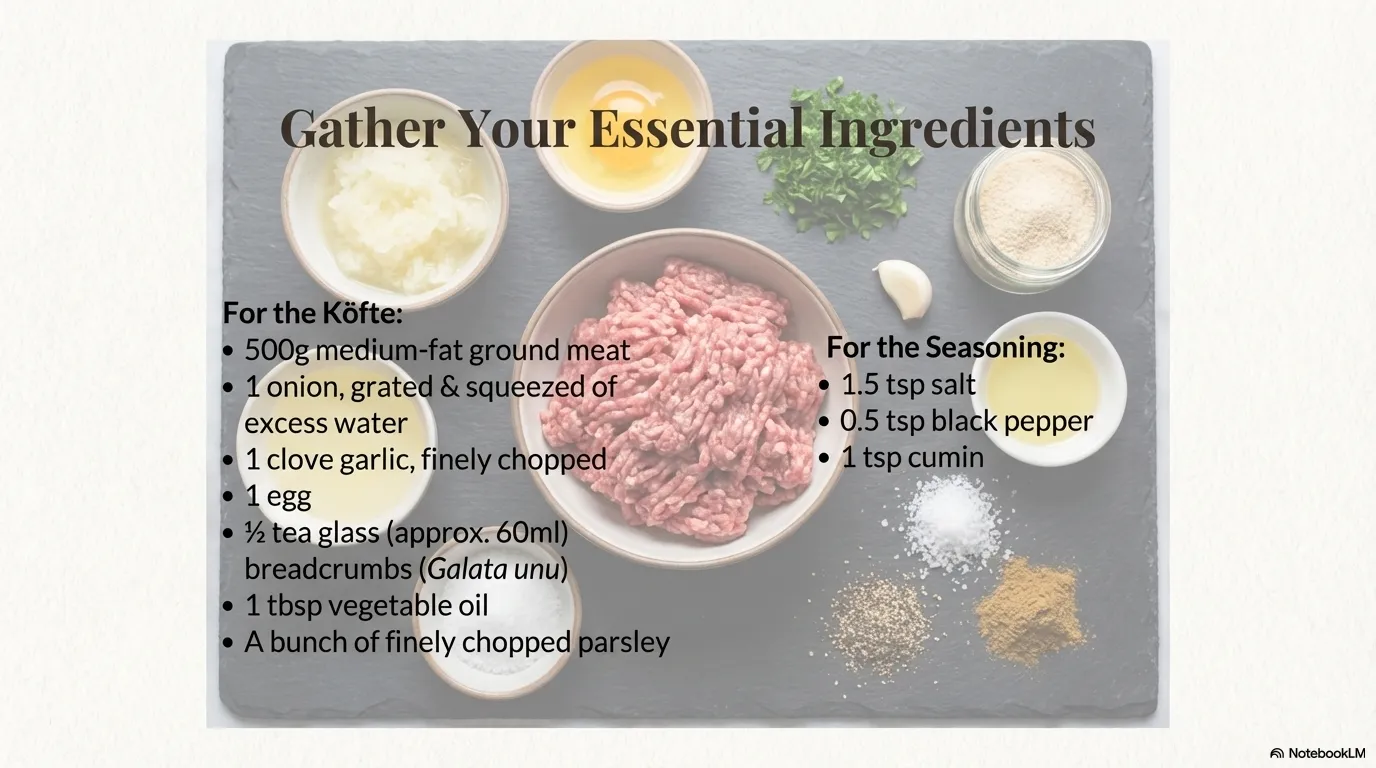
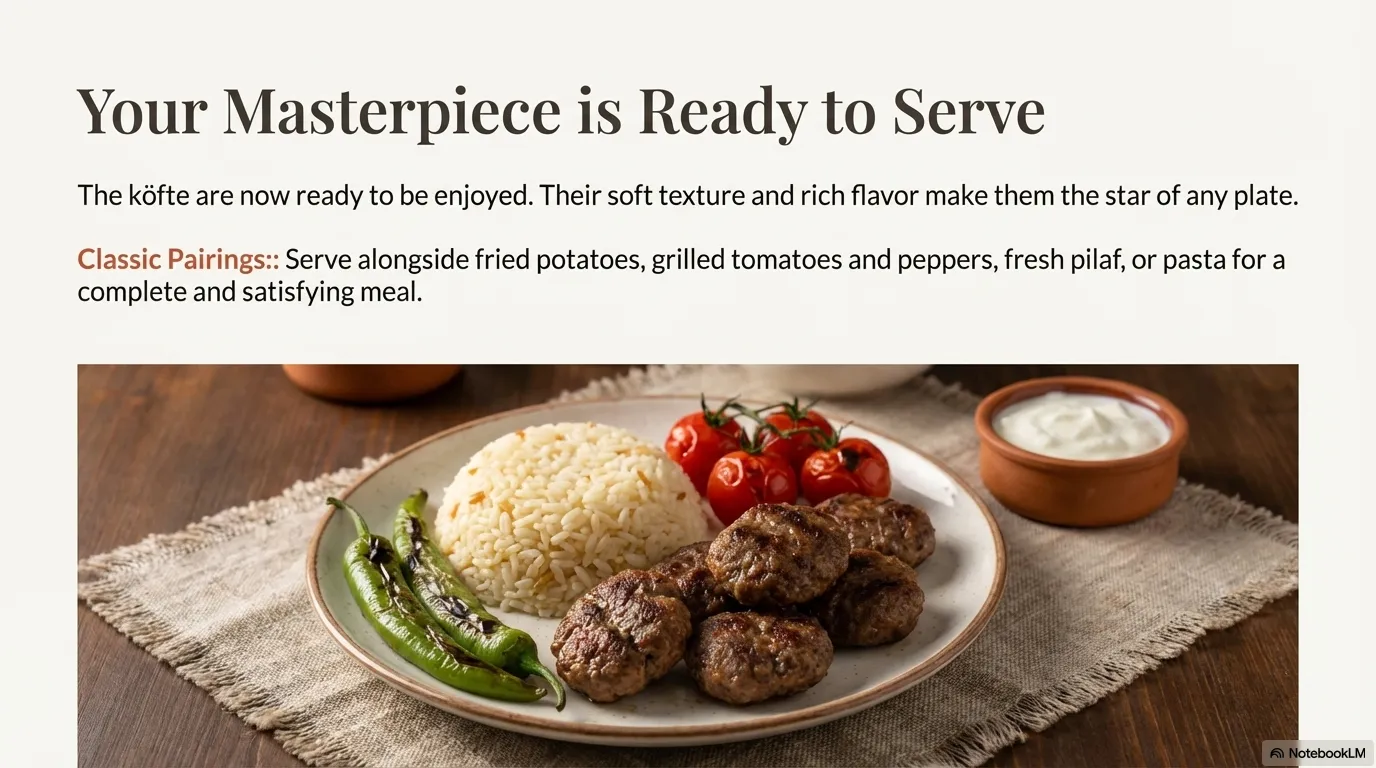
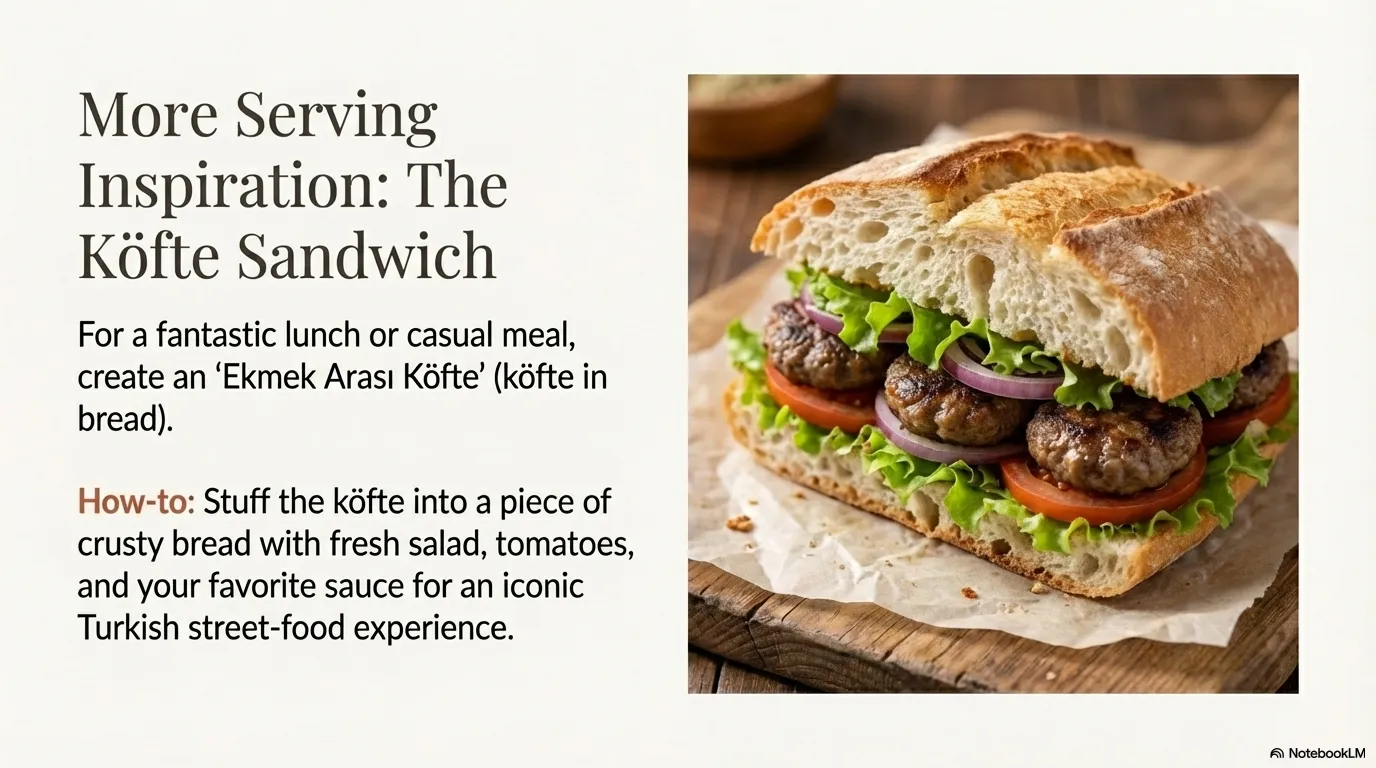
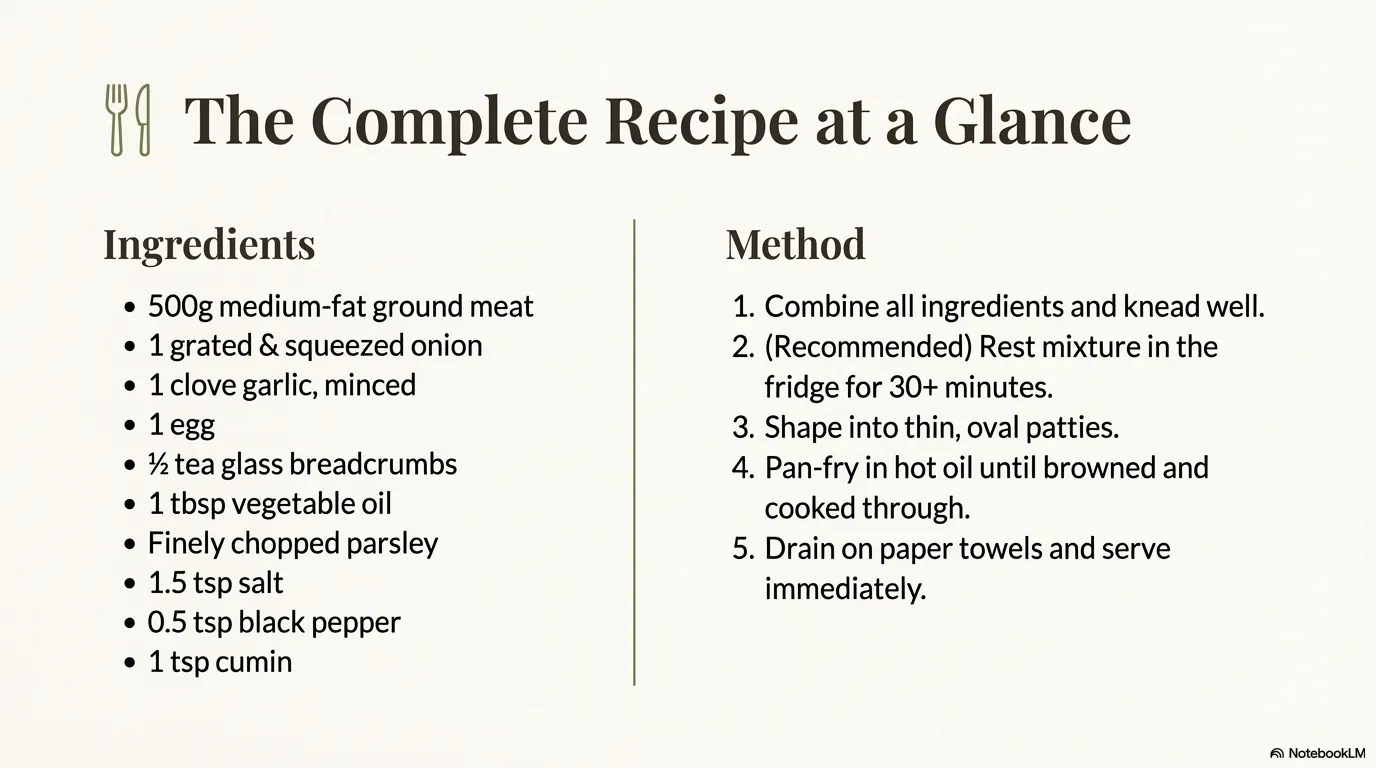

In this video, I'm going to show you how you can make your own restaurant style beef kofta kebab right in the comfort of your own home! Easy Recipe! :) Ingredients: _4 pound of ground beef _1 small onion _6 cloves g
Embedded from YouTube for reference. This video is not owned, relicensed, or distributed by How To Make A Kebab.
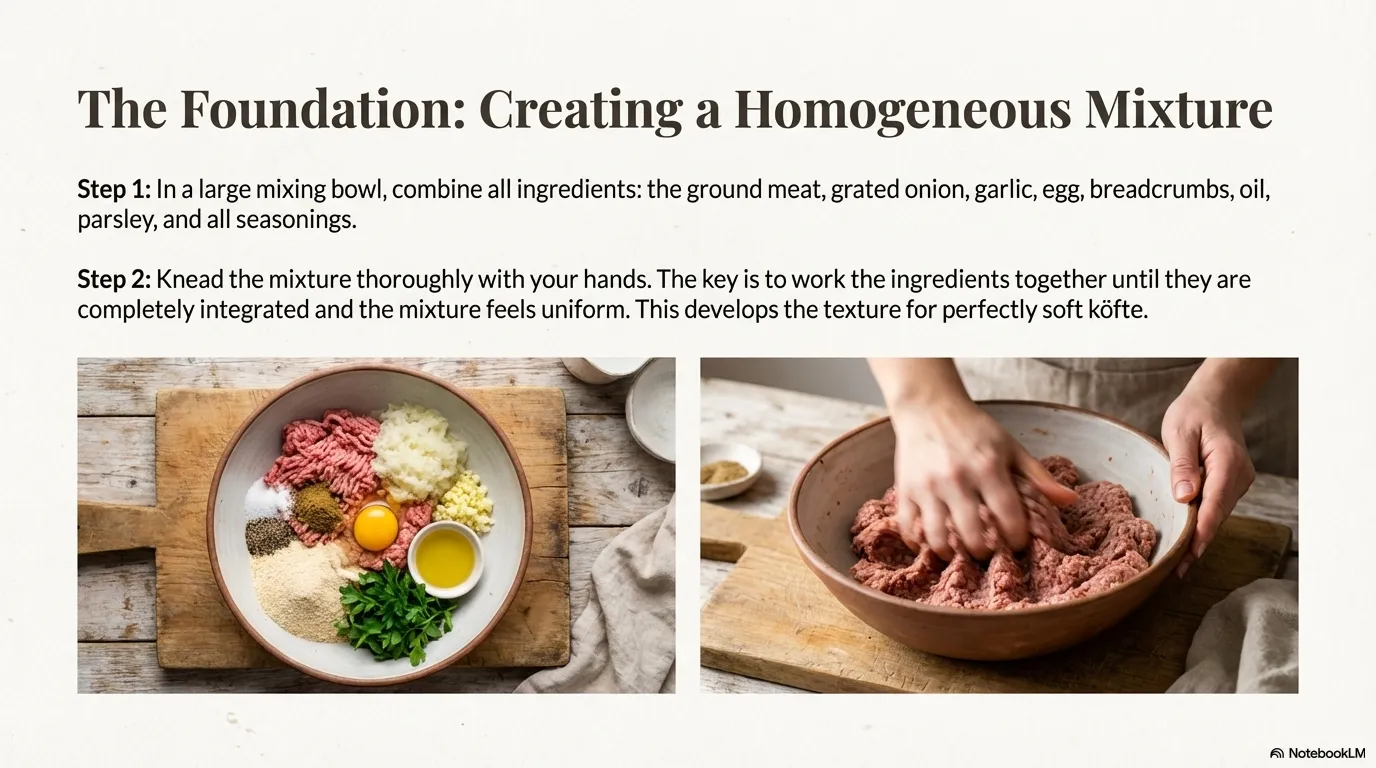
View Original VideoMIX: Combine meat, parsley, onion, and spices. Do not overwork like Adana.
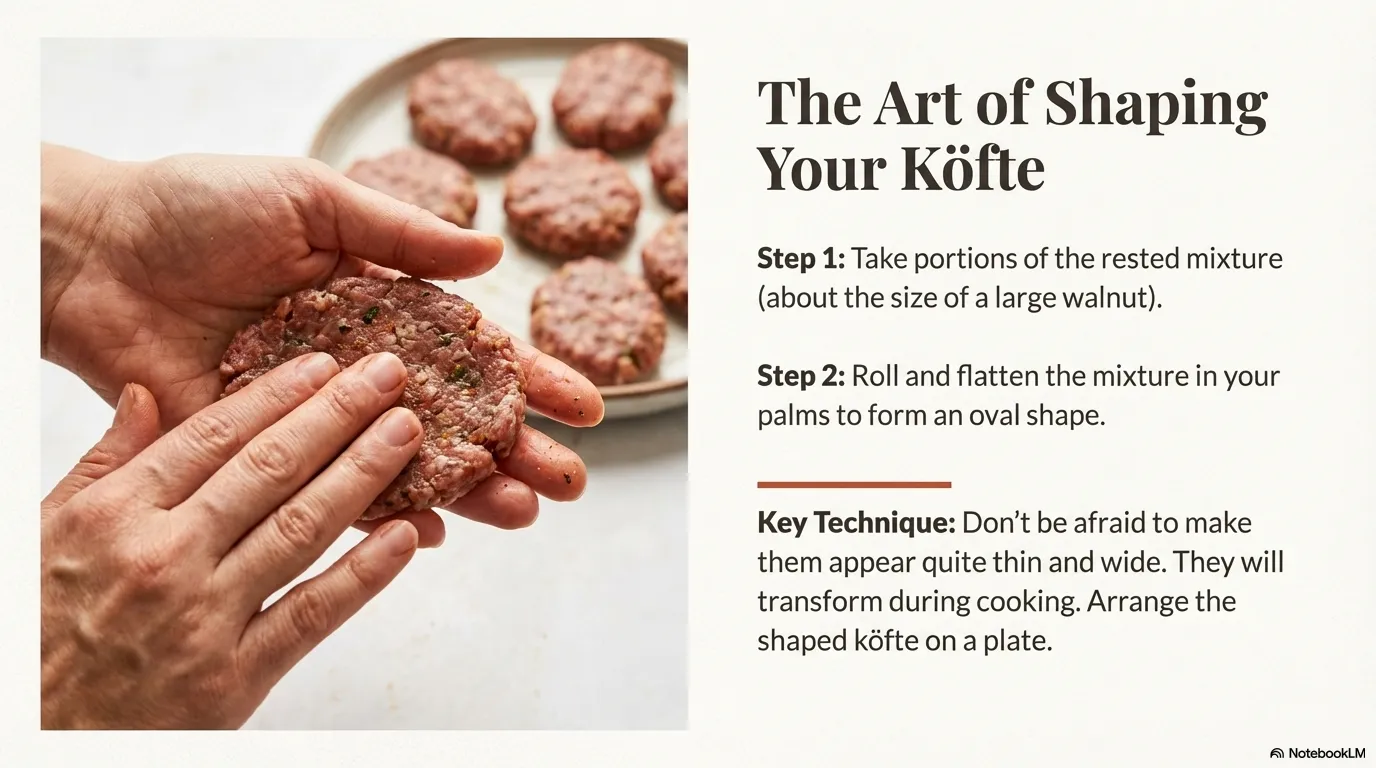
SHAPE: Form into cigar shapes or round meatballs.
SKEWER: Thread onto metal skewers.
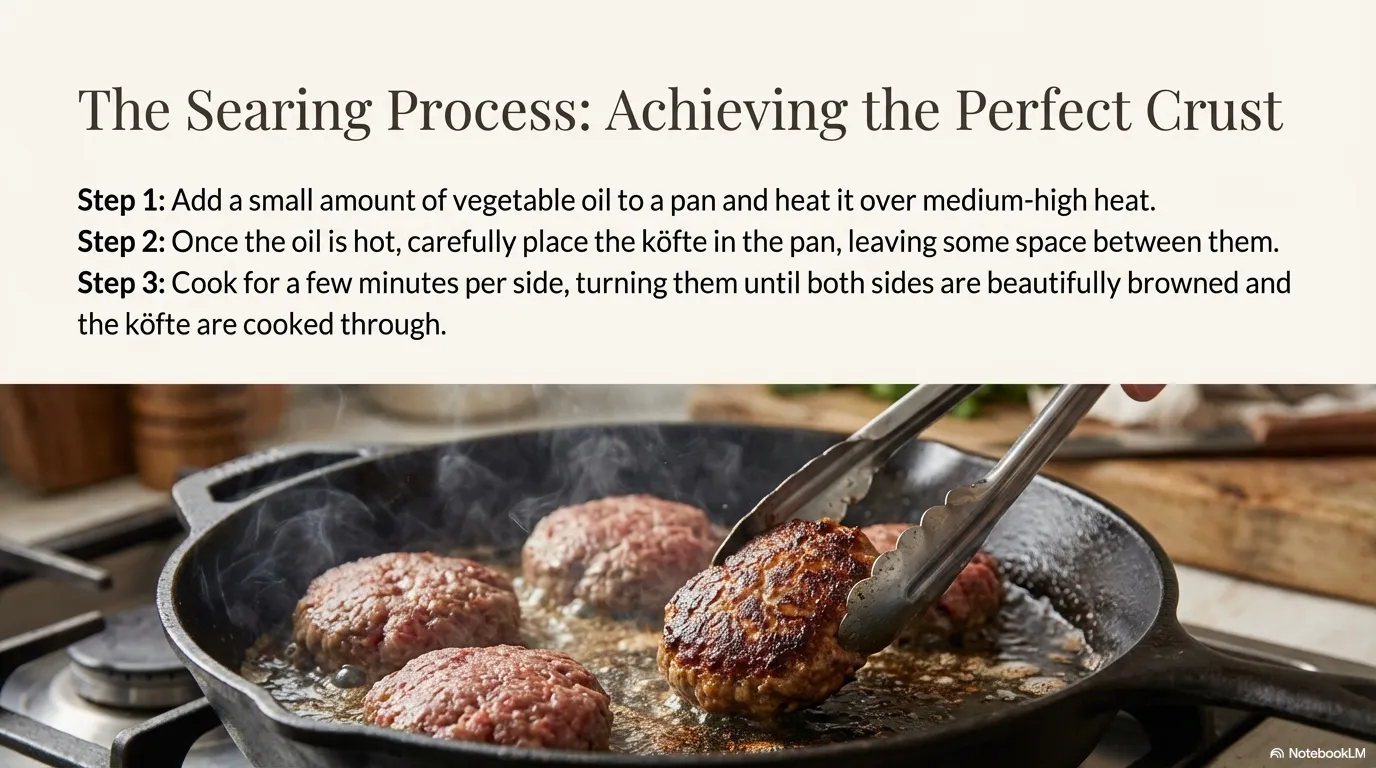
GRILL: Cook over medium heat until charred outside, juicy inside.
Chef note: Differs from Adana/Seekh by the heavy use of Parsley and milder heat (no chili).
Classic Kofta Kebab is a classic Middle East dish that rewards attention to texture, heat, and serving balance.
Use this guide to follow the ingredients, method, and serving pattern that suit Classic Kofta Kebab best at home.
Serve Classic Kofta Kebab with the breads, garnishes, or grilled sides that match its regional style.
Keep the plate simple enough for Classic Kofta Kebab to stay central, then add breads, vegetables, or sauces that support the main flavors.
If you are building a fuller meal, pair it with one bread or side from the same regional family instead of mixing too many competing elements.
Focus on the texture, cooking method, and serving balance first, because those details define whether Classic Kofta Kebab feels convincing.
You can prepare parts of Classic Kofta Kebab ahead of time, then finish cooking and serving closer to the meal for the best texture. The current prep window is about 1h.
Serve Classic Kofta Kebab with the breads, garnishes, or grilled sides that match its regional style.
The mixture is usually too lean, too warm, too wet, or not kneaded enough. Keep the meat cold, work it until tacky, use enough fat, and press it firmly around a wide flat skewer.
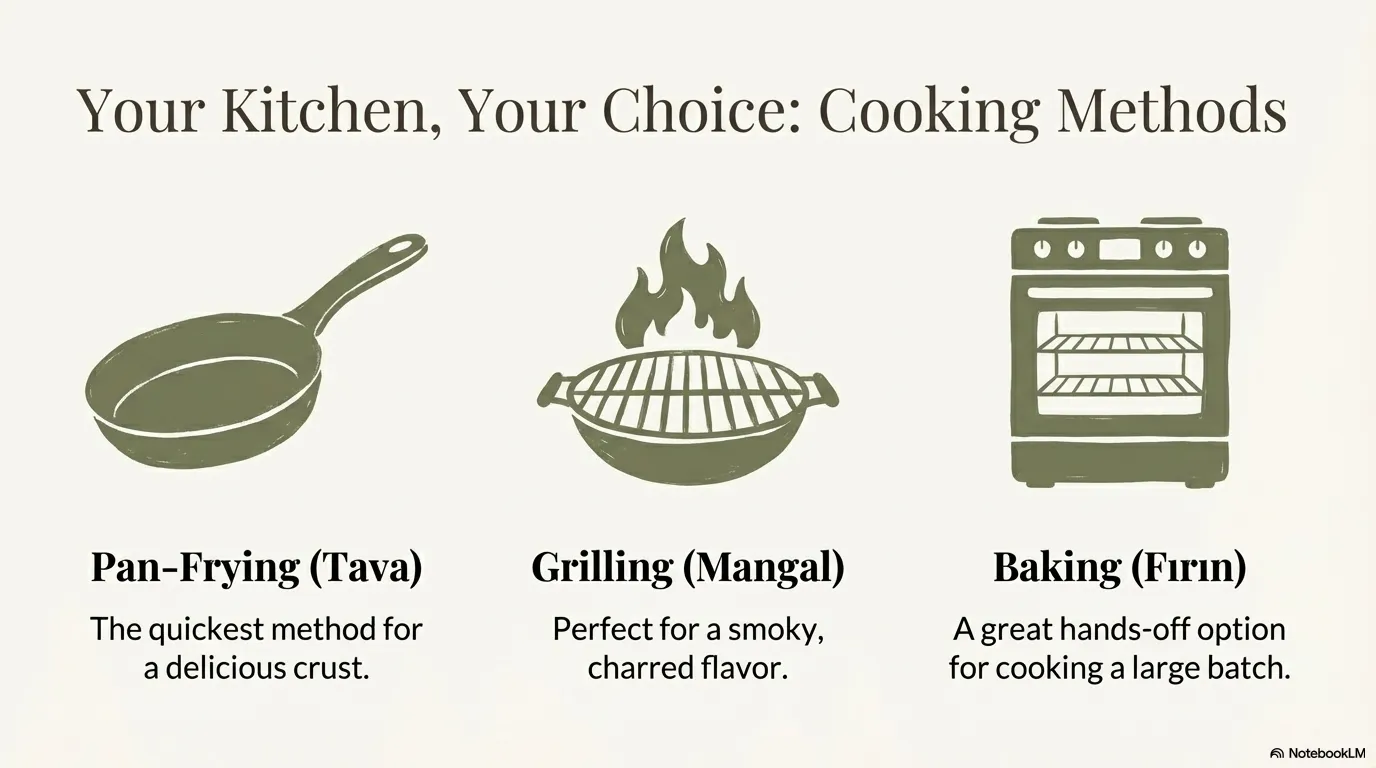
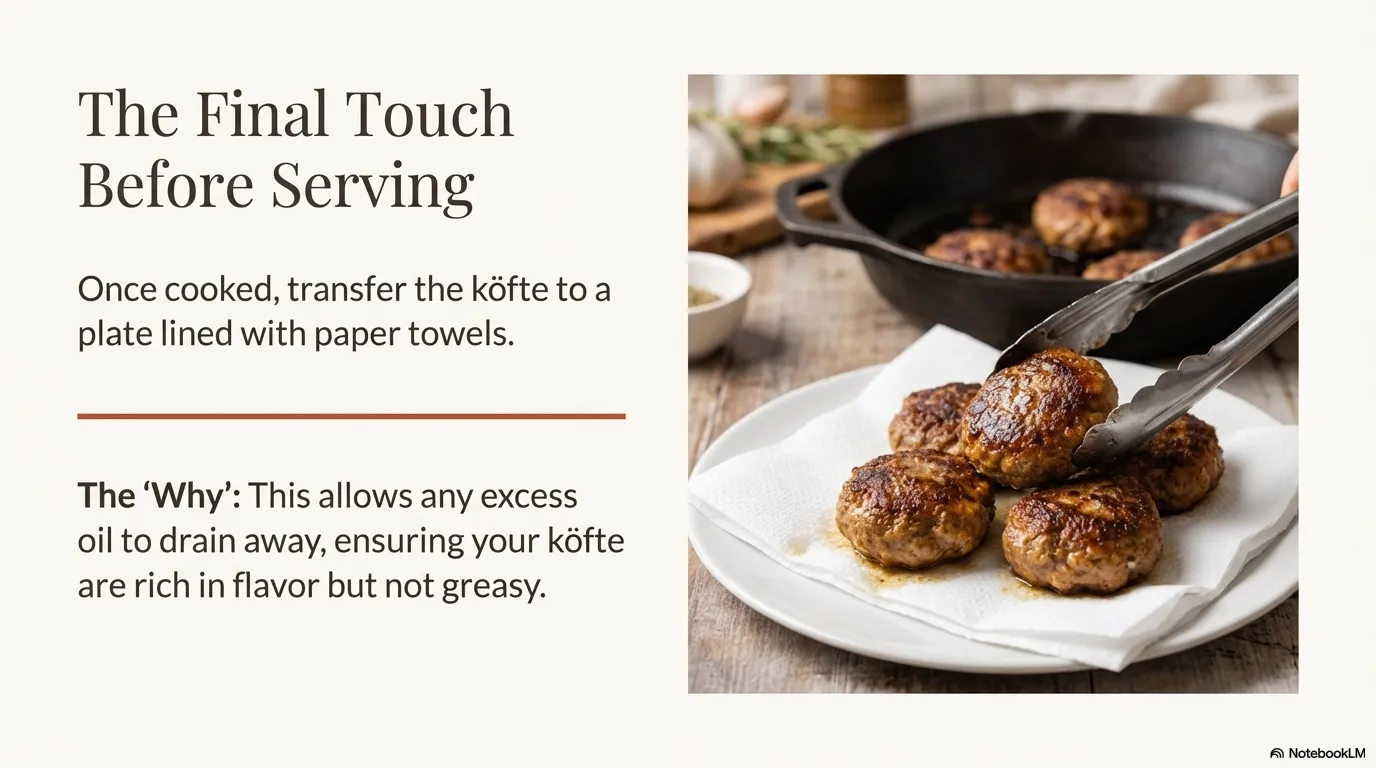
Yes. Use a very hot grill pan, broiler, or cast iron surface. You will miss some smoke, but strong browning, proper fat ratio, and warm bread will still give a convincing home version.
Most minced kebabs need visible fat, often around 20 percent depending on the cut and regional style. Lean mince dries out and can crumble, while properly fatty mince stays juicy and grips better.
You can mix and chill the meat ahead, but shape close to cooking if you are new to skewers. Keep everything cold and covered, then cook over settled high heat for the best texture.
Choose the best meat for kebab, kabob, and kabab based on fat ratio, cut, grind, and cooking style for skewers, wraps, and plates.
Learn how to keep kebab on the skewer with the right fat level, onion handling, kneading, skewer shape, and grill timing.
Learn how to cook kebab in the oven with better browning, broiler timing, pan setup, and moisture control for minced and chunked kebabs.
Understand when to use metal or wooden skewers for kebab, plus why flat skewers matter for minced kebab and how oven use changes the choice.
The spicy gold standard of Turkish BBQ. Hand-minced lamb with tail fat. This version focuses on the Adana, Turkey style, with practical home-cooking guidance for texture, seasoning, and serving. Key ingredients include Lamb Meat (Leg/But and Flank/Bosluk - preferably Kivircik breed), Tail Fat (Kuyruk Yagi) - approx 1/3 of meat quantity, Red Peppers (Al Biber) - finely chopped, supported by the technique notes on the page. The method starts with hand-mince the Lamb (Leg & Flank) using a Zirh (curved blade) or sharp chef's knife. Do NOT use a grinder.
Adana's non-spicy sibling. Deep flavor from poppy seeds and purple sumac. This version focuses on the Sanliurfa, Turkey style, with practical home-cooking guidance for texture, seasoning, and serving. Key ingredients include 800g Lamb Mince (High fat content recommended), Tail Fat (Kuyruk Yagi) - frozen and finely chopped, 2 Capia Peppers (Red sweet peppers) - finely chopped, supported by the technique notes on the page. The method starts with pREP: Chop frozen tail fat into tiny pieces. Finely chop capia peppers and parsley.
Slow roasted Central Anatolian lamb with tandir-style tenderness, warm bread, and meat juices. This version focuses on the Corum, Turkey style, with practical home-cooking guidance for texture, seasoning, and serving. Key ingredients include 1.5kg lamb shoulder or lamb shanks, 2 onions, sliced, 4 garlic cloves, crushed, supported by the technique notes on the page. The method starts with sEASON: Rub the lamb with salt, black pepper, yogurt, tomato paste, olive oil, onion, and garlic.
The horizontal ancestor of Doner. Marinated lamb slices on a wood fire. This version focuses on the Erzurum, Turkey style, with practical home-cooking guidance for texture, seasoning, and serving. Key ingredients include Meat: "Kivircik" Lamb (Leg & Arm/Shoulder mix), Seasoning: Chopped Onions, Coarse Rock Salt, Ground Black Pepper, Marinade: NONE. (Fresh preparation only), supported by the technique notes on the page. The method starts with pREP (Morning Of): Clean meat of nerves. Do NOT prep night before. Freshness is key.