From Gaziantep to Sarajevo, serious kebab houses send the meat out with the same quiet companion: a pile of thin onion slices stained brick-red with sumac. It looks like an afterthought. It is not. That salad — soğan piyazı in Turkish — is the acid and crunch that makes a third and fourth bite of rich minced lamb taste as good as the first. Fat coats the palate; raw onion and sumac strip it clean.
Serving guide
Best Onion Salad For Kebab
Build the right onion-and-sumac side for kebab, Adana, Urfa, doner, and cevapi with a guide to slicing, seasoning, resting, and balancing sharpness.
By Ali Ocak
Updated 2026-09-09
The problem for home cooks is that raw onion is a hostile ingredient. Cut it wrong or serve it too fresh and it bullies everything on the plate with sulfurous burn. Cut the right onion the right way, salt it, and give it ten minutes, and it becomes the single cheapest upgrade any kebab plate can get — it costs one onion and a teaspoon of sumac.
This guide settles the real questions: which onion variety to buy, how thin is thin, how to kill the burn without killing the flavor, how much sumac is actually enough, and how the salad changes depending on whether it is going next to adana, into a doner wrap, or beside a plate of cevapi.
Which onion: red wins, but not for the reason you think
Red onion is the default for kebab salad, and it deserves to be. It is not meaningfully milder than yellow onion — pungency tracks sulfur compounds, not skin color, and a hard storage red can sting as much as any yellow. Red wins on structure and looks: its layers are thinner and crisper than a yellow onion's, it holds a clean bite after salting, and its purple edges against sumac-red flesh look like the kebab-house original. If you can only buy one onion for this job, buy red.
White onion is the best substitute. It is typically cleaner and slightly sweeter than yellow, with a crisp, watery snap that suits raw service. Yellow storage onion is the last resort — it is bred for cooking, carries the most aggressive bite, and needs the full salt-and-rest treatment plus a rinse before it belongs anywhere near a plate. Sweet onions like Vidalia sit at the opposite extreme: around 6 percent sugar and very low sulfur, pleasant on their own but too soft and too polite here. A salad built on sweet onion collapses to limp ribbons in twenty minutes and never delivers the palate reset that is its entire job.
So the decision logic is simple. Red onion available: use it, always. Only white: use it and shorten the resting time slightly, since it starts milder. Only yellow: slice it, salt it harder, rinse it, and rest it the full fifteen minutes. Sweet onion only: skip the salad and squeeze lemon over the meat instead — a wilted, sugary onion pile is worse than none.
Size matters more than people admit. A medium onion of 130 to 150 grams serves two people generously next to grilled meat. Giant onions are older onions with thicker, coarser layers; two small-to-medium bulbs will always slice finer and eat better than one softball.
Slicing: 2 millimeters, pole to pole
Thickness is the difference between a salad and a garnish problem. The target is 2 millimeters — thin enough that a slice bends when you lift it, thick enough that it still crunches. At 4 or 5 millimeters you have raw onion wedges that dominate every bite; below 1 millimeter, shaved on a mandoline, the onion wilts into translucent threads within minutes of salting. A sharp chef's knife and a halved onion laid flat gets you to 2 millimeters with a little care; a mandoline set to 2 millimeters gets you there with none.
Direction matters as much as thickness. Cut pole to pole — from root end to stem end, with the grain — not across into rings or half-moons. Pole-to-pole slices rupture fewer cells, so they release less of the sulfurous juice that makes onion taste harsh, and they hold their arc and crunch far longer under salt. Cross-cut rings bleed more, sting more, and go floppy first. It is the same reason onions destined for slow cooking are cut across: maximum cell damage is good for melting an onion, bad for eating one raw.
Blunt knives make everything worse. A dull edge crushes cells instead of cleaving them, releasing more of the enzyme-driven burn and more tears at the board. If slicing onions reliably makes you cry, sharpen the knife before you blame the onion.
Taming the burn: salt first, water only if you must
The burn in raw onion is chemistry you can manage. Cutting ruptures cells and lets an enzyme, alliinase, convert stored sulfur compounds into the pungent, eye-stinging ones. Three levers reduce them: draw them out with salt, wash them away with water, or let them dissipate with time. A good kebab salad uses the first and third; the second is the emergency brake.
The standard move is a dry salt massage. For one medium onion, use about a quarter teaspoon of fine salt — roughly 1.5 grams, or about 1 percent of the onion's weight. Toss the slices with the salt and rub them between your fingers for 20 to 30 seconds until they just start to glisten, then let them sit. Salt pulls out the harsh juices by osmosis and lightly softens the slices without cooking away the crunch. Some cooks squeeze gently and discard the released liquid after five minutes; do this for a strong yellow onion, skip it for a well-behaved red, because that juice also carries flavor.
Water is the blunter tool. A 10-minute soak in ice-cold water tames even an aggressive onion and firms the slices, at the cost of rinsing away some onion character along with the sting. Hot water works faster — 30 seconds under the tap around 50 degrees Celsius knocks out most of the burn — but it also starts softening the texture. Use water when the onion is genuinely brutal or when you are serving people who claim to hate raw onion. Otherwise trust salt and time.
Time is the lever nobody respects. Ten to fifteen minutes between seasoning and serving transforms the salad: the sharpest compounds are volatile and simply leave. This is why the onion salad at a good kebab restaurant tastes rounder than yours — theirs was dressed before your skewers hit the fire.
Sumac is not decoration: the ratio that works
Sumac is ground from the dried berries of the sumac bush, and its job is acidity — it carries malic acid, the same acid that makes green apples tart. Unlike lemon juice, it delivers that sourness dry, so the onion gets seasoned without drowning in liquid. That is the entire genius of this salad: maximum acid, minimum wetness, so the slices stay crisp and the bread underneath stays dry.
The working ratio for one medium onion (about 140 grams) is 1 teaspoon of sumac — around 3 grams. That is more than most home cooks use and it is correct: every slice should come out visibly dusted brick-red, not blushed. Add the sumac with the salt during the massage so the acid gets rubbed into the cut surfaces rather than sitting on top. If your sumac is old and gray-brown rather than deep wine-red, it has faded; double the dose or buy a fresh jar, because stale sumac contributes color and nothing else.
Lemon is optional and small. A half teaspoon of juice can wake up a timid batch, but past a teaspoon you are macerating the onion, and in ten minutes you will have a puddle. If you find yourself wanting more sourness, add sumac, not lemon. The one liquid worth knowing as a variant is pomegranate molasses: a half teaspoon rubbed in with the sumac gives the sweet-sour southeastern Turkish version that sits beautifully next to adana and urfa.
Parsley finishes it. A small handful of flat-leaf parsley — leaves picked, roughly chopped or even left whole — folded in just before serving adds the fresh, grassy note that keeps the salad from being one-dimensional. Chop it at the last minute; parsley bruises and blackens if it sits in the salted onion for long.
The build, start to finish, with a clock
Here is the whole salad as a timeline. Minute zero: halve one medium red onion, peel, slice pole to pole at 2 millimeters. Minute one: add a quarter teaspoon fine salt and a full teaspoon of sumac, massage for 30 seconds until the slices glisten and every piece is stained. Minutes two through twelve: leave it alone at room temperature while the meat cooks — do not refrigerate, cold mutes both aroma and the mellowing you are waiting for. Minute twelve: taste one slice; it should be sharp but not painful, crisp but bendable. Fold in a handful of parsley, and if the batch tastes flat, another pinch of sumac. Serve within the hour.
That ten-minute rest is load-bearing. Serve at minute two and you get raw aggression; serve at minute ninety and you get pickled-adjacent softness with a pool of pink liquid at the bottom of the bowl. The salad peaks between roughly 10 and 45 minutes after dressing, which conveniently brackets the time it takes to grill a batch of skewers.
Scale linearly and season by weight when you make more: about 1 percent salt and 2 percent sumac against the weight of sliced onion. For a party tray built on a kilogram of onions, that is 10 grams of salt and 20 grams of sumac — quantities that look alarming in the spoon and correct on the plate.
Matching the salad to the meat
Next to adana and urfa, the salad is non-negotiable and served in volume — a real pile, not a garnish, often with the pomegranate-molasses variant. The meat is fatty minced lamb with real chile presence, and the onion is the only thing on the plate sharp enough to answer it. The same logic covers shaped skewers generally: koobideh comes with raw onion at the table across Iran, and a sumac shaker is standard koobideh service, so this salad is essentially the two combined a step earlier.
Inside a doner wrap or alongside shawarma, cut the quantity and keep the slices at a strict 2 millimeters or less, because thick onion in a rolled wrap tears the bread and dominates every bite. A modest layer of sumac onions plus tomato is the classic doner interior; it perfumes the whole wrap without demanding attention.
With cevapi, tradition actually argues for plain raw onion — the Balkan plate runs cevapi, somun bread, kajmak, and chopped or slivered onion with no sumac in sight. The sumac version still works, and the salt-and-rest technique is worth stealing regardless, but if you are chasing an authentic Sarajevo plate, serve the onion barely dressed and let the kajmak carry the richness. For gyros and souvlaki, the Greek instinct routes onion through tzatziki and sliced red onion in the pita; a sumac salad is not traditional there, but it slots in perfectly when you want the plate brighter and are already serving several kebab styles side by side.
The general rule: the fattier and more heavily spiced the meat, the more onion and the more sumac it can carry. Lean chicken tawook wants a light hand; a full-fat adana wants the full pile.
Where onion salads go wrong
Serving it immediately. The number one failure is dressing the onion as the skewers come off the fire and serving within a minute. The volatile sulfur compounds have not had time to escape, so the first impression is burn, and everyone concludes they dislike raw onion. The fix costs nothing: dress the onion before you start grilling.
Thick slices. At 5 millimeters, each slice delivers several times the juice and crunch load of a 2-millimeter slice, so the same onion tastes far more aggressive purely through geometry. If your salad reads as harsh even after resting, measure a slice before you blame the variety.
Drowning it in lemon or, worse, vinegar. Liquid acid plus salt starts pickling: within half an hour the onions soften, weep, and the bottom of the bowl fills with pink brine that soaks the bread it is served on. Sumac exists precisely so this salad can be sour and dry at once. Keep total added liquid under a teaspoon.
Refrigerating it dressed and holding it overnight. Cold storage stalls the mellowing, and long holding turns texture to ribbon. If you must work ahead, slice the onion up to a day early and hold it undressed in a sealed container in the fridge — or in cold water if it is a fierce one — then salt and sumac it 10 to 15 minutes before the meat is done. Dressing is a same-hour operation, always.
Using faded sumac. A jar that has sat open for two years contributes dusty color and no acid, so the cook compensates with lemon and triggers the drowning failure above. Fresh sumac is deep red, smells faintly fruity, and tastes distinctly tart pressed against the tongue. If yours fails that test, the salad was lost before the onion was cut.
One onion, one teaspoon, ten minutes
Strip everything back and the recipe fits in a sentence: one red onion sliced pole to pole at 2 millimeters, a quarter teaspoon of salt and a teaspoon of sumac massaged in, a ten-minute rest, a handful of parsley. That is the entire craft, and it outperforms elaborate side salads next to grilled meat because it does exactly one job — cutting fat with acid and crunch — and refuses to do anything else.
It also scales across the whole site's repertoire. Make it once alongside adana and you will start making it automatically for urfa, for doner nights, for koobideh, even for cevapi and souvlaki plates where tradition points elsewhere but your palate says yes. Rich grilled meat plus sharp dressed onion is one of the oldest equations in kebab cooking; the only thing this guide adds is the discipline of thin slices, real sumac, and the patience to wait ten minutes.
Cook These Next

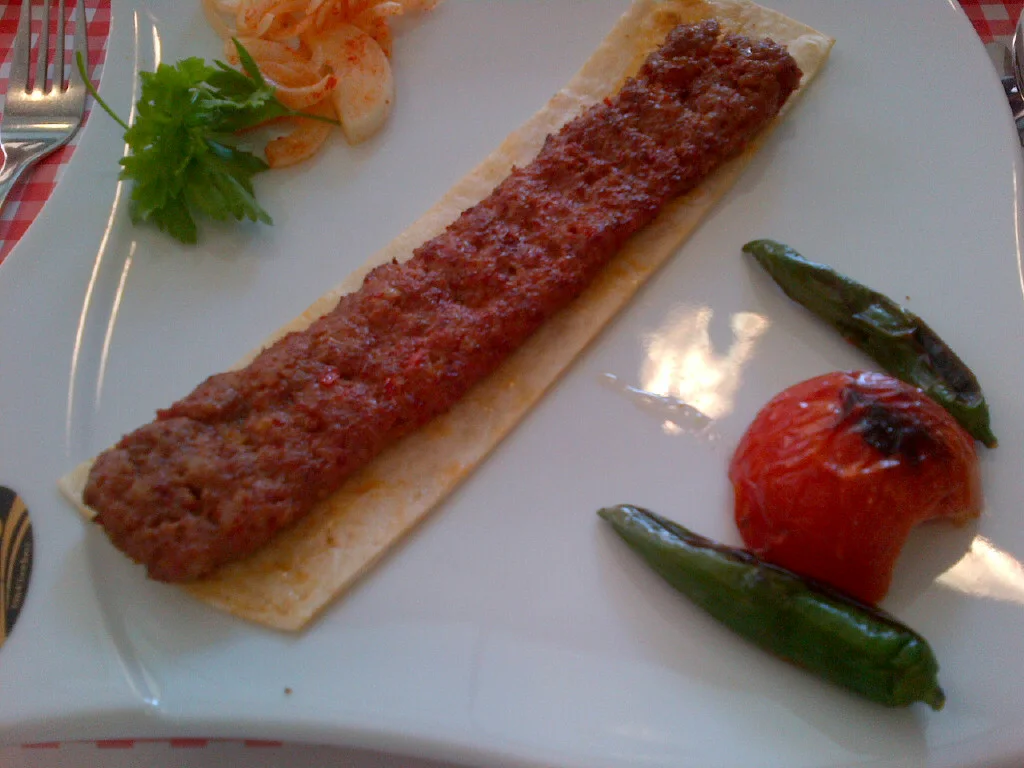
Lamb / 45m
Adana Kebab
The spicy gold standard of Turkish BBQ. Hand-minced lamb with tail fat.
Lamb / 2h 45m
Urfa Kebab
Adana's non-spicy sibling. Deep flavor from smoky isot pepper.
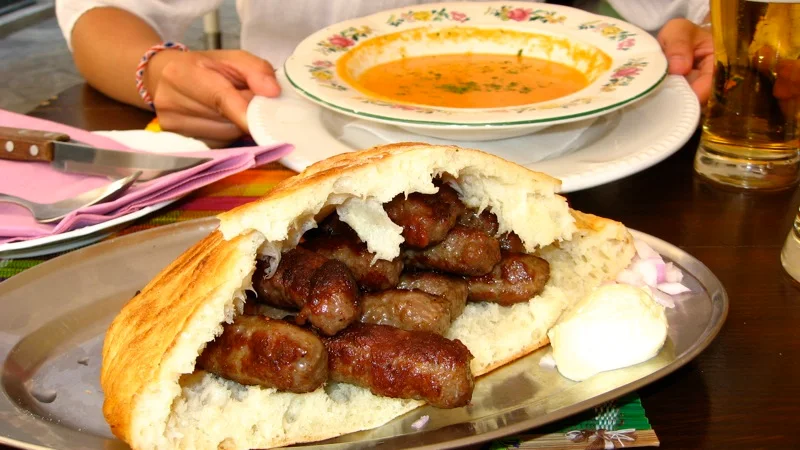
Beef / 24h
Cevapi (Cevapcici)
Small skinless grilled thick sausages. The soul food of the Balkans.
 AI illustration
Beef / 1h
Halifax Donair
Canada's spiced beef masterpiece with sweet condensed milk sauce.
Related Collections
Turkish Kebab Guides
A focused collection for Turkish kebab styles including Adana, Urfa, Cag, Iskender, and supporting bread pages.
Balkan Kebab Recipes: Cevapi, Somun, Lepinja, Raznjici
Compare Balkan kebab recipes, breads, and serving traditions including cevapi, somun, lepinja, raznjici, onion garnish, ajvar, and kajmak.
Gyros, Shawarma, and Donair Guide
Compare gyros, shawarma, donair, souvlaki, and tawook with bread pairings, sauce choices, wrap assembly, and serving ideas.
More Guides
Technique guide
How To Shape Minced Kebab On Skewers
Shape Adana-style, koobideh, and seekh kebabs correctly with better hand pressure, skewer coverage, thumb patterning, and grill-ready thickness.
Sauce guide
Best Yogurt Sauce For Gyro And Kebab
Compare tzatziki-style, Turkish-style, and garlic-yogurt sauces for kebab wraps and plates so you know which cooling sauce fits each meat and bread style.
Terminology guide
Kebab Vs Kabob Vs Kabab
Understand the difference between kebab, kabob, and kabab spellings, what people usually mean by each, and which dishes fall under the broader kebab family.
Serving guide
Best Side Dishes For Kebab
Serve kebab better with the right sides, salads, rice, pickles, breads, and sauces for wraps, plates, Turkish grills, Balkan spreads, and shawarma-style meals.
Comparison
Shashlik vs Shish Kebab: Meat, Marinade, Cut and Fire Compared
How shashlik differs from shish kebab: the shared şiş root, 4-5 cm pieces vs 3 cm cubes, vinegar or kefir marinades, the mangal fire, and which one to cook.
Spice guide
Yaji Suya Spice: Kuli-Kuli, Ratios and How to Make It
Yaji, the Nigerian suya spice: why kuli-kuli beats whole peanuts, ginger level with the base, four working ratios, a step-by-step grind and the two coats.