Beef / Kebab

Chapli Kebab

By How To Make A Kebab Editorial Team Updated April 25, 2026

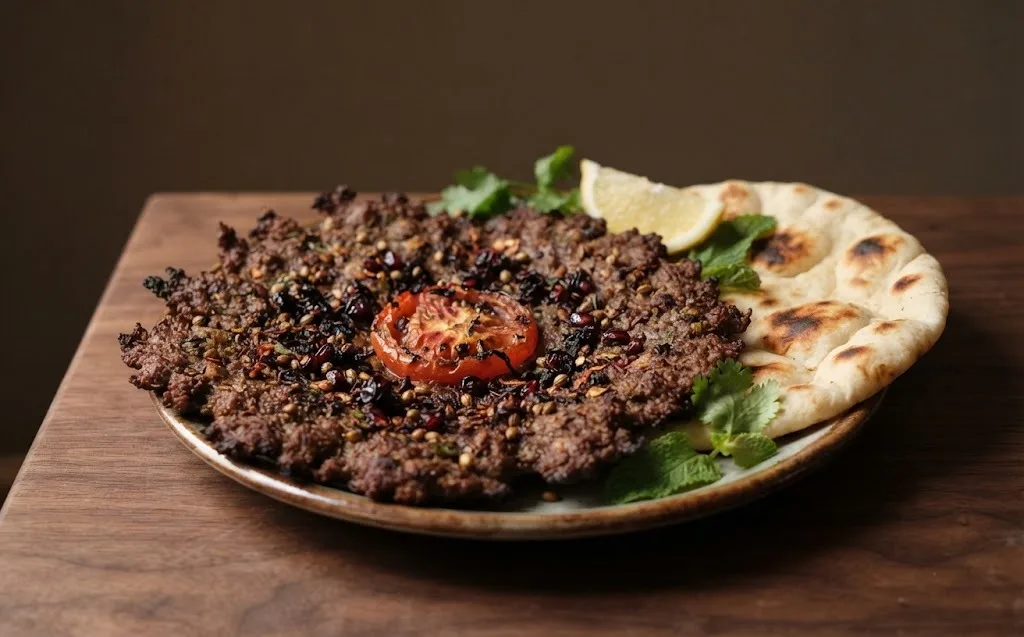
Giant, flat, fried beef patties from Peshawar. Uniquely crunchy with pomegranate seeds. This version focuses on the Peshawar, Pakistan style, with practical home-cooking guidance for texture, seasoning, and serving. Key ingredients include 500g Minced Beef (30% Fat - fatty meat needed), 1 tbsp Dried Pomegranate Seeds (Anardana) - Crushed, 2 Tomatoes (1 Chopped, 1 Sliced), supported by the technique notes on the page. The method starts with mIX: Combine mince with chopped veggies, crushed pomegranate, spices, corn flour, and raw egg. Knead well. Origin: Peshawar, Pakistan. Region: Khyber Pakhtunkhwa. Find the ingredients, method, and serving notes for a more authentic homemade version.

Prep Time
30m
Difficulty
Medium
Method
Kebab
Origin
Peshawar, Pakistan
Peshawari Kebab Chapli Kabob Beef Patty Burger Kebab
Chapli Kebab
On This Recipe

Recipe At A Glance

Origin

Peshawar, Pakistan

Style

Minced skewer or kofta style

Prep time

30m

Best with

Regional garnishes that match the dish

About This Recipe

Chapli Kebab is a classic Peshawar, Pakistan dish that rewards attention to texture, heat, and serving balance.

Use this guide to follow the ingredients, method, and serving pattern that suit Chapli Kebab best at home.

Ingredients You'll Need

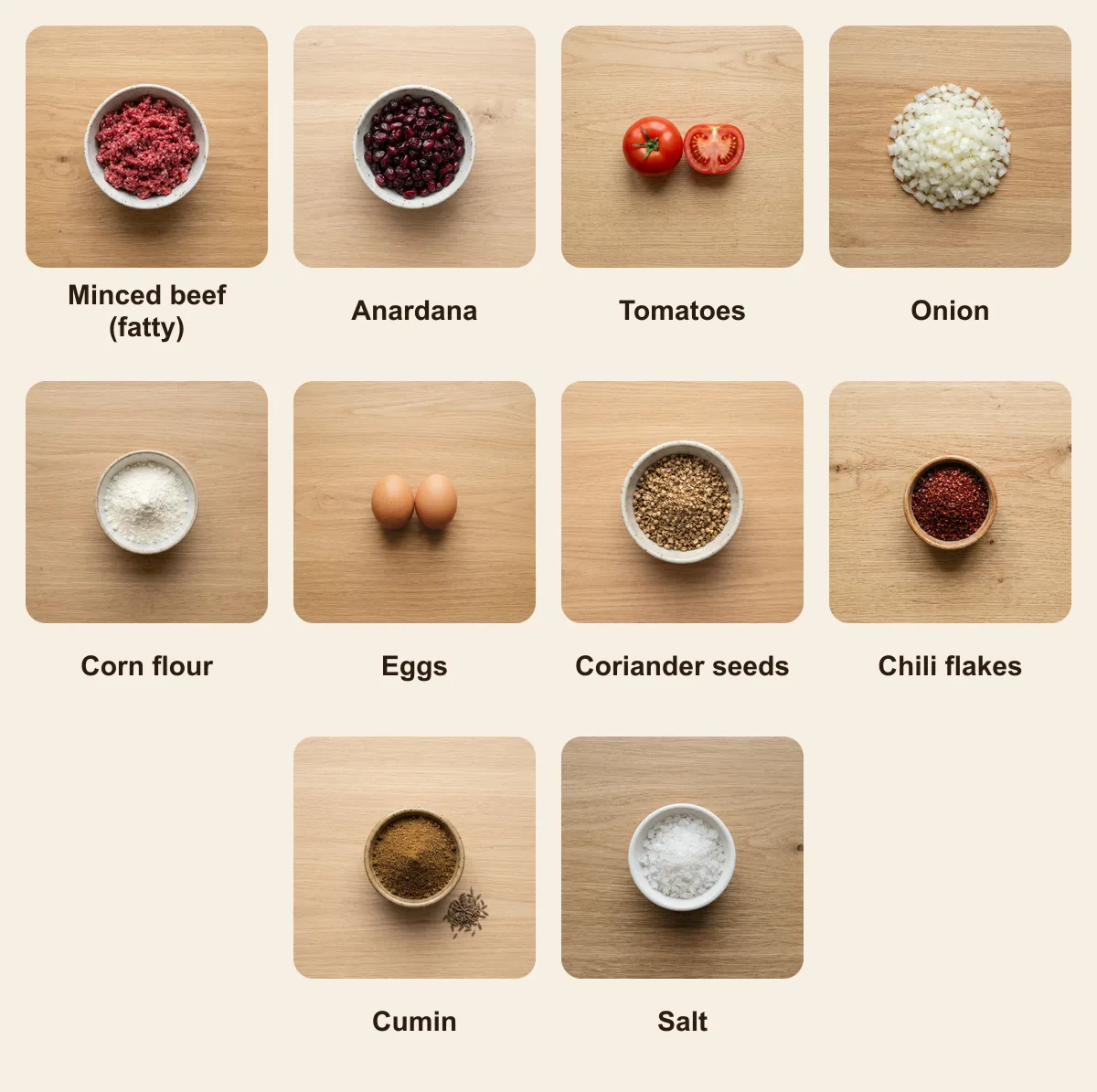
  • 500g Minced Beef (30% Fat - fatty meat needed)
  • 1 tbsp Dried Pomegranate Seeds (Anardana) - Crushed
  • 2 Tomatoes (1 Chopped, 1 Sliced)
  • 1 Onion (Chopped)
  • 2 tbsp Corn Flour (Binder)
  • 1 Egg (Scrambled & cooked) + 1 Raw Egg
  • Spices: Crushed Coriander Seeds, Chili Flakes, Cumin

Why This Recipe Works

  • Chapli Kebab works best when the core ingredients stay clear and balanced: 500g Minced Beef (30% Fat - fatty meat needed), 1 tbsp Dried Pomegranate Seeds (Anardana) - Crushed, 2 Tomatoes (1 Chopped, 1 Sliced).
  • Its character depends on respecting the texture, shaping, and heat that this style expects.
  • The final result improves when the cooking and the serving style are treated as one complete dish rather than separate steps.

How To Make Chapli Kebab

  1. 1

    MIX: Combine mince with chopped veggies, crushed pomegranate, spices, corn flour, and raw egg. Knead well.

    View dia 1
    Chapli Kebab step 1 visual guide
    Step visual

    Visual cue for method step 1

  2. 2

    ADD: Mix in the cooked scrambled egg bits (adds texture).

    View dia 2
    Chapli Kebab step 2 visual guide
    Step visual

    Visual cue for method step 2

  3. 3

    SHAPE: Take a large ball. Flatten it into a huge disc on your palm (or a plate). Press a tomato slice into the center.

    View dia 3
    Chapli Kebab step 3 visual guide
    Step visual

    Visual cue for method step 3

  4. 4

    FRY: Shallow fry in hot animal fat (tallow) or oil. High heat to distinct crust, then medium to cook through.

    View dia 4
    Chapli Kebab step 4 visual guide
    Step visual

    Visual cue for method step 4

Expert Tips From Our Kitchen

Chef note

Meat shrinks significantly. Make the patty much larger than the bun. Use animal fat for authentic taste.

Common Mistakes

  • Rushing the preparation before Chapli Kebab has the texture and structure it needs.
  • Using the wrong heat level and losing the balance between browning outside and tenderness inside.
  • Serving it without the bread, garnish, or plating details that make the recipe feel complete.

Serving, Storage, And Reheating

Serving Notes

Serve Chapli Kebab with the breads, garnishes, or grilled sides that match its regional style.

Keep the plate simple enough for Chapli Kebab to stay central, then add breads, vegetables, or sauces that support the main flavors.

If you are building a fuller meal, pair it with one bread or side from the same regional family instead of mixing too many competing elements.

Recipe Notes

History and Origins of Chapli Kebab

Chapli Kebab is rooted in Peshawar, Pakistan, where kebab cooking is shaped by available meat, local bread, regional seasoning, and the kind of heat cooks traditionally had in front of them. The name may look simple on a menu, but the dish carries a full serving culture: how the meat is cut, how long it rests, what fuel touches it, and what bread or garnish finishes the plate.

Historically, kebabs were practical food before they became restaurant signatures. Cooks learned to make tougher cuts tender, stretch flavor with fat and smoke, and serve meat in a way that felt generous without burying it under unnecessary decoration. Chapli Kebab follows that logic: it succeeds when the main ingredient stays recognizable and the technique supports it instead of hiding it.

The home version should respect the same priorities. Do not treat Chapli Kebab as generic grilled meat. Pay attention to texture, moisture, salt, heat, and serving format. Those details are what make the difference between a recipe that simply cooks through and one that feels connected to its culinary origin.

The Why Behind the Ingredients

The important ingredients in Chapli Kebab are 500g Minced Beef (30% Fat - fatty meat needed), 1 tbsp Dried Pomegranate Seeds (Anardana) - Crushed, 2 Tomatoes (1 Chopped, 1 Sliced), 1 Onion (Chopped), and 2 tbsp Corn Flour (Binder). In minced kebab recipes, the meat, fat, salt, and aromatics are not separate decorations. They become one structure. Salt helps the meat turn tacky, fat keeps the kebab juicy, and aromatics give depth without making the mixture wet or fragile.

Fat is not a shortcut for laziness; it is part of the engineering. A lean minced kebab can taste dry, crack around the skewer, and lose its tenderness before the outside browns. The correct fat level lets the kebab roast from the inside while the surface takes on smoke and color.

Binders, baking soda, grated onion, garlic water, herbs, or spices should be used with restraint. Each one has a job, but too much of any one ingredient can make the kebab loose, bready, bitter, or muddy. The expert move is balance: enough seasoning to identify the style, enough structure to survive the fire.

Mastering the Technique

For Chapli Kebab, the first technique is texture. Keep the meat cold, work it until it becomes tacky, and stop before the fat turns greasy. If hand-mincing, chop with repeated strokes and fold the pile often; if using ground meat, knead until the mixture holds together as one mass.

Skewering requires pressure, not decoration. Wet your hands lightly, press the mixture firmly along the skewer, and keep the thickness even from end to end. Wide flat skewers give minced kebabs more grip; thin round skewers make the meat spin and fall.

Charcoal heat should be strong but settled. Put the skewer on only when the coals are glowing and the flames have calmed. Turn early once the first side sets, then keep turning so fat renders without burning. If flames jump up, move the skewer aside and let the fire calm down.

Pitmaster Notes for Home Cooks

Chapli Kebab rewards patience before it ever touches the fire. If the mixture looks loose, warm, or wet, do not force it onto the grill. Chill it, knead it again, and test a small piece in a pan. A pitmaster would rather fix the mixture early than watch a full skewer fall through the grate.

The first minute over heat is critical. Let the outside set before turning aggressively, but do not leave it so long that the fat burns. Once the kebab firms up, turn regularly and watch the edges. You want browning and gentle rendering, not blackened spice and leaking fat.

Serve Chapli Kebab quickly, ideally with warm bread, onion, herbs, and the regional garnish that belongs to Peshawar, Pakistan. Minced kebabs lose their magic when they sit too long because the fat cools and the texture tightens. Hot bread and fresh garnish keep the skewer alive.

Regional Context and What Makes It Different

Chapli Kebab should be understood through the food habits of Peshawar, Pakistan. The local bread, preferred fat, fuel, spices, serving temperature, and garnish all shape the dish. When a recipe is copied without that context, it usually becomes a plain version of itself: edible, but no longer specific.

This is why the details matter. A Turkish minced skewer, a Balkan cevap, a Persian kabab, a Greek wrap, a Levantine shawarma, an Indian tandoor kebab, or a kebab bread may all share fire and bread, but they do not share the same goal. Each one asks for a different texture, different restraint with spices, and a different finish at the table.

For Chapli Kebab, the strongest home version keeps the origin in mind without pretending that a home kitchen is a restaurant pit. Use the tools you have, but keep the priorities intact: the correct texture, the correct heat, and a serving style that makes sense for the dish.

That approach is also what separates useful recipe writing from a thin ingredient list. The recipe is not only what goes into the bowl. It is the reason those ingredients are there, the way the cook judges doneness, and the way the finished food is eaten while still hot.

Step by Step Cooking Logic

The first step is preparation, not cooking. For this recipe, the opening move is: MIX: Combine mince with chopped veggies, crushed pomegranate, spices, corn flour, and raw egg. Knead well. Read that as a texture instruction as much as a task. A kebab, bread, sauce, or wrap can fail before heat appears if the pieces are cut poorly, the dough is too tight, the mixture is too wet, or the marinade is unbalanced.

The middle stage is where patience matters. Give the mixture, dough, meat, sauce, or filling enough time to become coherent. Resting is not empty waiting; it lets flour hydrate, salt season, fat firm up, acid mellow, spices bloom, or proteins bind. Skipping that stage is one of the fastest ways to make food that looks right but tastes shallow.

Heat should be chosen for the result you want. Chapli Kebab works best when charcoal, a very hot grill pan, a broiler, or a heavy cast iron surface is used with control. Low heat is rarely the friend of kebab-style food unless the recipe is intentionally slow-cooked. Most of these dishes need decisive heat at the right moment so the outside sets before the inside dries out.

The final step is service: FRY: Shallow fry in hot animal fat (tallow) or oil. High heat to distinct crust, then medium to cook through. A kebab recipe is incomplete if it stops at cooked meat or baked bread. The last minute with bread, onions, herbs, yogurt, tahini, tomato, pickles, rice, butter, or sauce often decides whether the dish feels authentic or unfinished.

Texture and Doneness Cues

The finished texture for Chapli Kebab should be tacky, cohesive, juicy, and able to grip the skewer or hold its formed shape. Do not judge only by time, because thickness, heat strength, pan material, dough hydration, meat cut, and room temperature can all change the clock. Learn the visual and tactile cues instead.

Browning should look appetizing, not accidental. Golden bread, charred pepper edges, browned meat ridges, blistered paneer, crisp falafel crust, or lightly caramelized sauce-covered pieces are all good signs when they match the recipe. Flat gray meat or pale bread usually means too much moisture or not enough heat.

Juiciness has to be protected. Meat recipes need enough fat, correct resting, and the discipline to stop cooking before the center tightens. Bread recipes need steam and coverage after cooking. Sauces need enough body to cling. Vegetarian recipes need contrast so the inside does not feel pasty.

If you are unsure, test a small portion before committing the whole batch. A tiny pan test can reveal salt level, binding, wetness, heat response, and texture problems. Pitmasters and bakers do this instinctively; home cooks should use the same habit.

Flavor Balance and Seasoning Adjustments

The main flavor structure of Chapli Kebab comes from 500g Minced Beef (30% Fat - fatty meat needed), 1 tbsp Dried Pomegranate Seeds (Anardana) - Crushed, 2 Tomatoes (1 Chopped, 1 Sliced), 1 Onion (Chopped), and 2 tbsp Corn Flour (Binder). Those ingredients should be easy to taste in the final dish. If the seasoning hides the main ingredient completely, the recipe has lost its center. If the main ingredient tastes plain, the seasoning has not done enough work.

Salt is the quiet foundation. It controls flavor, but it also affects texture in meats, doughs, and some vegetable mixtures. Add it with intention and taste when possible. Under-salted kebab food tastes dull even when the grill marks look perfect; over-salted food makes every garnish feel desperate.

Acid, heat, sweetness, herbs, smoke, and fat should pull against each other. Lemon, vinegar, yogurt, tomato paste, pomegranate molasses, onion, garlic, pepper, mint, parsley, sumac, saffron, butter, olive oil, or tail fat each changes the balance. Do not add more of everything. Adjust the element that is missing.

At serving time, use garnishes as seasoning tools. Raw onion sharpens richness, herbs lift fat, yogurt cools spice, pickles cut heaviness, warm bread absorbs juices, and grilled vegetables add sweetness. The garnish is not decoration; it is the final seasoning layer.

Make Ahead, Storage, and Reheating Strategy

Chapli Kebab can usually be prepared in stages, but the best stage to pause depends on the style. Dough can often rest cold, meat mixtures can be chilled before shaping, marinades can work ahead of time, and sauces often improve after resting. Finished kebabs, however, are almost always best right after cooking.

Store components separately when possible. Keep bread wrapped, sauce covered, raw mixtures chilled, and cooked meat away from watery garnishes. If everything is packed together too early, bread gets soggy, herbs wilt, browned edges soften, and the careful texture you built disappears.

Reheating should be gentle but purposeful. Bread needs steam or a covered pan, meat needs moderate heat so fat softens without drying, sauces need stirring, and fried or roasted vegetarian pieces may need a hot pan or oven to bring back the edge. Microwaving everything together is the fastest way to lose contrast.

For food safety, keep raw meat, raw poultry, dairy sauces, and cooked food in separate containers and chill them promptly. Recipe tradition is important, but it never replaces clean handling, safe storage, and proper reheating in a home kitchen.

Common Mistakes and How to Fix Them

The first mistake is treating Chapli Kebab like a generic template. If you ignore the origin, bread, garnish, fat level, or heat style, the dish may still be edible, but it will not feel like itself. The fix is to choose one clear regional direction and support it all the way through the plate.

The second mistake is confusing more ingredients with more authority. Many classic kebab dishes are powerful because they are focused. Additions should solve a problem: tenderness, moisture, acidity, aroma, color, or structure. If an ingredient does not have a job, leave it out.

The third mistake is weak heat management. Most kebab food needs decisive heat at some stage, even if part of the recipe is slow or gentle. Without browning, blistering, roasting, puffing, or charring, the final flavor stays flat. Control heat instead of fearing it.

The fourth mistake is serving too late. Bread cools, fat tightens, sauce thickens, herbs wilt, and grilled edges soften. Set the table before the final cooking stage so Chapli Kebab can be eaten when it has the most aroma, texture, and confidence.

Home Kitchen Testing Notes

A serious home recipe should be repeatable, not lucky. The first time you cook Chapli Kebab, write down the thickness, resting time, heat source, cooking time, and any changes you made to the ingredients. Those details help you understand the recipe as a method instead of treating it like a fixed list that either works or fails.

If your kitchen does not have the exact traditional tool, replace the function of the tool rather than only its shape. A charcoal mangal gives dry, direct heat and smoke; a broiler gives top heat; cast iron gives contact browning; a baking steel or stone gives bottom heat for bread. Choose the substitute that recreates the job the original tool was doing.

Batch size also changes results. A small batch of Chapli Kebab warms quickly, loses moisture quickly, and is easier to season evenly. A large batch needs colder handling, more space, and more disciplined timing. When scaling up, mix and cook in portions so the food keeps the same texture from the first piece to the last.

Use smell as a real cooking signal. Raw onion, garlic, flour, yogurt, spices, lamb fat, chickpeas, herbs, and pepper all smell different when they are raw, cooked, toasted, or burned. When the aroma turns sweet, nutty, grilled, or pleasantly sharp, you are usually close. When it turns bitter or dusty, the heat or timing needs correction.

The best test is the first bite without too many extras. Taste Chapli Kebab plain before adding a full plate of bread, salad, pickles, yogurt, hot sauce, or rice. If it tastes balanced on its own, the accompaniments will make it better. If it needs the garnish to hide dryness, blandness, bitterness, or poor texture, fix the base recipe before the next batch.

One useful habit is to separate the first serving from the main batch. Cook one small test piece, taste it, and decide whether the mixture needs more salt, more rest, more acid, more heat, or a colder handling stage. This small test protects the whole recipe and makes the final serving calmer.

Think about moisture at every stage. Raw mixtures can look correct but still release liquid after resting; breads can dry while waiting to cook; sauces can thicken after chilling; grilled pieces can lose juice if sliced or served too late. Managing moisture is often the difference between a recipe that tastes homemade and one that tastes carefully prepared.

These notes matter because they turn Chapli Kebab into practical culinary guidance instead of a bare list. A reader should leave knowing not only the ingredient list, but why the dish behaves the way it does, how to diagnose problems, and how to make a more confident second attempt in a normal home kitchen.

Frequently Asked Questions

What matters most when making Chapli Kebab?

Focus on the texture, cooking method, and serving balance first, because those details define whether Chapli Kebab feels convincing.

Can I prepare Chapli Kebab ahead of time?

You can prepare parts of Chapli Kebab ahead of time, then finish cooking and serving closer to the meal for the best texture. The current prep window is about 30m.

What should I serve with Chapli Kebab?

Serve Chapli Kebab with the breads, garnishes, or grilled sides that match its regional style.

Why does my Chapli Kebab fall off the skewer?

The mixture is usually too lean, too warm, too wet, or not kneaded enough. Keep the meat cold, work it until tacky, use enough fat, and press it firmly around a wide flat skewer.

Can I cook Chapli Kebab without charcoal?

Yes. Use a very hot grill pan, broiler, or cast iron surface. You will miss some smoke, but strong browning, proper fat ratio, and warm bread will still give a convincing home version.

What meat ratio works best for Chapli Kebab?

Most minced kebabs need visible fat, often around 20 percent depending on the cut and regional style. Lean mince dries out and can crumble, while properly fatty mince stays juicy and grips better.

Can I make Chapli Kebab ahead of time?

You can mix and chill the meat ahead, but shape close to cooking if you are new to skewers. Keep everything cold and covered, then cook over settled high heat for the best texture.

Related Recipes

Testi (Pottery) Kebab

Meat and vegetables slow-cooked in a sealed clay jug, cracked open at the table. This version focuses on the Cappadocia, Turkey style, with practical home-cooking guidance for texture, seasoning, and serving. Key ingredients include 1.2kg Lean Beef (Tranche/Tranc) - Cubed, 250g Shallots (Arpacik Sogan) - Whole, 1 Head of Garlic - Cloves peeled, supported by the technique notes on the page. The method starts with pREP: Cube beef. Clean and chop peppers and tomatoes. Peel shallots and garlic.

Patlican Kebabi

Meatballs alternated with eggplant slices, baked to perfection with a tomato glaze. This version focuses on the Sanliurfa, Turkey style, with practical home-cooking guidance for texture, seasoning, and serving. Key ingredients include 500g Ground Meat (Beef or Beef-Lamb mix), 1 Medium Onion (Grated & juice squeezed out), 2 Cloves Garlic (Minced), supported by the technique notes on the page. The method starts with mEAT: Combine ground meat, onion, garlic, oil, and spices. Knead until evenly blended.

Yaprak Doner

The "Leaf" Doner. 100% sliced steak layers, no mince. The premium standard. This version focuses on the Bursa, Turkey style, with practical home-cooking guidance for texture, seasoning, and serving. Key ingredients include 1kg Beef Tranche/Round (Veal leg) - Sliced thin leaves, 200g Lamb Tail Fat (Kuyruk Yagi) - Sliced thin, 1 Onion (Juice), supported by the technique notes on the page. The method starts with sLICE: Cut meat into large, thin, leaf-like sheets. Pound them slightly.

Tepsi Kebabi

The "Tray Kebab". Minced meat pressed into a pan and baked. Family style. This version focuses on the Antakya, Turkey style, with practical home-cooking guidance for texture, seasoning, and serving. Key ingredients include 500g Minced Beef (Medium Fat), 1 Red Pepper & 1 Green Pepper (Finely chopped), 1 Onion & 2 Garlic Cloves (Minced), supported by the technique notes on the page. The method starts with kNEAD: Mix meat, peppers, onion, garlic, parsley, spices.